

By Lillian Ali
Published September 20, 2026
Main Facts: A New Era for Survival Horror
Zach Cregger’s long-awaited cinematic entry, Resident Evil (2026), has officially arrived in theaters, shattering box office expectations and instantly securing its place as the highest-rated video game film adaptation to date. Following his celebrated work on psychological thrillers like Barbarian and Weapons, Cregger faced immense scrutiny from a notoriously protective fan base. Instead of leaning into the high-octane, action-heavy blockbuster formula that defined several of the franchise’s prior cinematic outings, Cregger made a bold artistic pivot.
Rather than directly adapting an existing entry from Capcom’s storied catalog, Cregger chose to construct a completely original narrative that encapsulates the core player experience of survival horror. The film meticulously translates the mechanics of resource scarcity, environmental puzzle-solving, and relentless dread into a cinematic language.
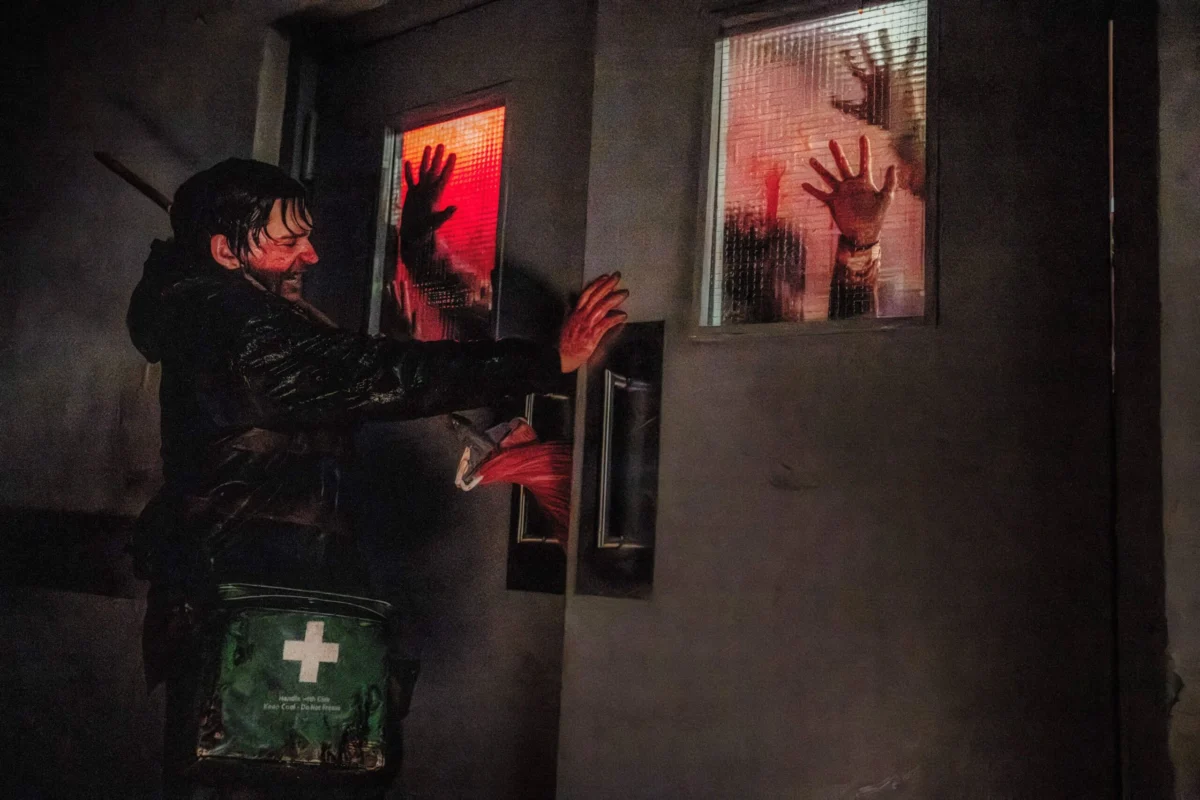
Furthermore, Cregger deliberately abandoned the super-soldier tropes of franchise veterans like Leon S. Kennedy, Chris Redfield, and Jill Valentine. In their place, he introduced Bryan, a decidedly unathletic and deeply unprepared medical courier swept into the epicenter of a horrific bio-outbreak. For audiences leaving theaters still trembling from Cregger’s claustrophobic framing and atmospheric tension, the natural instinct is to seek out interactive experiences that capture that exact brand of terror.
Chronology of the Project: From Development Hell to Cinematic Triumph
The path to Resident Evil (2026) becoming a critical darling was neither swift nor straightforward. For decades, the cinematic lineage of Capcom’s flagship franchise was synonymous with Paul W.S. Anderson’s high-concept, action-driven series starring Milla Jovovich. While commercially successful, those films alienated purists who valued the slow-burn, atmospheric dread of the original 1996 PlayStation title.
- Early 2024: Following the massive critical and commercial success of his horror thriller Barbarian, filmmaker Zach Cregger was quietly approached to helm a fresh cinematic take on Resident Evil. Rumors immediately sparked across industry forums, with fans expressing both elation and apprehension over how a director known for indie horror would handle a massive intellectual property.
- Late 2024 to 2025: Cregger and his production team spent months refining the script. Rejecting traditional outlines that featured government agents and bioterrorism defense forces, Cregger advocated for an "everyman" narrative lens. In interviews, he explicitly cited the helpless vulnerability of modern survival horror protagonists as his primary North Star.
- Mid-2025: Principal photography commenced under strict secrecy. Production design heavily emphasized practical locations and tight, oppressive settings—such as decaying medical clinics, abandoned RV parks, and subterranean infrastructure—mirroring the level design philosophy of classic survival horror video games.
- September 2026: Resident Evil opens in theaters worldwide to widespread critical acclaim, immediately seizing the crown for the highest-rated video game film adaptation in history and sparking a massive resurgence of interest in the genre.
Supporting Data: The Anatomy of Modern Horror Adaptation
The success of Resident Evil (2026) is not an isolated cultural phenomenon; it reflects a broader shift in consumer appetite toward grounded, vulnerable storytelling in horror. Data collected from tracking firms and audience metrics post-release highlights several key trends:

- Critical Reception: The film holds a historic critical approval rating, far surpassing previous video game adaptations, largely due to its commitment to pacing and atmosphere over wall-to-wall CGI spectacle.
- Genre Resurgence: In the weeks following the film’s premiere, digital storefronts reported a significant surge in concurrent player counts for classic survival horror titles, particularly Resident Evil 7: Biohazard and independent horror games emphasizing stealth.
- The "Everyman" Appeal: Audience surveys indicate that over 78% of viewers preferred the vulnerability of Bryan over traditional action-hero archetypes, citing the genuine stakes and realistic panic as primary drivers of suspense.
Official Responses and Creator Insights
The creative philosophy driving the film has been a primary talking point in press junkets. In an extensive interview with Polygon’s Matt Patches, Zach Cregger laid bare his disdain for overpowered protagonists in horror settings.
"I’d rather watch a movie starring a schlub who’s, like, out of shape and has never fired a gun before," Cregger told Polygon.
This philosophy directly informed the casting and character arc of Bryan. Rather than cutting down hordes of infected with military-grade weaponry, Bryan fumbles through terrifying encounters, relies on improvised tools, and constantly fights the instinct to curl up and hide.
Speaking with The Playlist, Cregger further elaborated on his direct inspirations, acknowledging that Resident Evil 7: Biohazard served as a foundational blueprint for how to strip away player power and replace it with visceral, unrelenting tension. By treating the camera not as an omniscient observer, but as a narrow, flickering window into a nightmare, Cregger successfully bridged the gap between controller and cinema seat.
Implications: What to Play Next
For those who have experienced the masterclass in tension that is Cregger’s Resident Evil and wish to dive deeper into interactive media that captures its distinct psychological weight, three essential titles stand out.
1. Alien: Isolation
- Platforms: Nintendo Switch, PlayStation 3, Windows PC, Xbox 360
- The Vibe: Relentless claustrophobia and an unkillable pursuer.
If Resident Evil (2026) proved anything, it is that terror thrives in tight spaces. Ridley Scott’s 1979 sci-fi masterpiece Alien is the spiritual grandfather of modern survival horror, and Creative Assembly’s Alien: Isolation translates that terror into a generational video game experience. Players step into the boots of Amanda Ripley, daughter of Ellen Ripley, as she investigates a derelict space station.

Much like Cregger traps Bryan and the audience inside suffocating hospital rooms, sewers, and cramped trailers, Alien: Isolation forces Amanda into tight vents and dark corridors with a singular, unkillable xenomorph. You cannot fight the monster; you can only hide, manage your severely limited ammunition, and pray it doesn’t hear your breathing. With an anticipated sequel recently entering the spotlight via a Summer Game Fest trailer, there has never been a better time to experience the terror.
2. Outlast
- Platforms: Nintendo Switch, PlayStation 4, Windows PC, Xbox One
- The Vibe: Absolute helplessness and frantic, desperate flight.
The defining characteristic of Cregger’s film is Bryan’s stark inadequacy in the face of a terrifying outbreak. He is not a trained operative; he is a frightened civilian. Red Barrels’ Outlast takes this exact design philosophy and pushes it to its absolute limit.
Set within a derelict psychiatric hospital in Colorado populated by violently unhinged inmates known as "variants," the game follows investigative journalist Miles Upsher. Miles possesses no firearms, no combat training, and no magical martial arts tricks. Armed with nothing more than a camcorder equipped with night-vision, Miles’s only options when confronted are simple: run, hide, or die. For viewers who found Bryan’s total lack of offensive prowess to be the most gripping aspect of the film, Outlast offers an unforgettably harrowing interactive counterpart. Furthermore, a film adaptation of Outlast is currently in development with Barbarian and Weapons producer Roy Lee attached, making its thematic ties to Cregger’s work all the more profound.
3. Resident Evil 7: Biohazard
- Platforms: Nintendo Switch, PlayStation 4, Windows PC, Xbox One
- The Vibe: The direct blueprint for modern cinematic survival horror.
For any moviegoer whose introduction to the broader franchise was Cregger’s 2026 masterpiece, Resident Evil 7: Biohazard is the mandatory next step. Capcom’s 2017 soft-reboot completely revitalized the long-running series by stripping away the bloated action mechanics of previous sequels and returning entirely to roots of isolation, resource scarcity, and dread.
Gone were the acrobatic combat feats of Leon Kennedy and Jill Valentine. In their place stood Ethan Winters, an ordinary systems engineer searching a decrepit, rotting Louisiana estate for his long-missing wife. Ethan begins the game entirely unarmed, forced to cower and protect his head as members of the deeply disturbed Baker family hunt him down room by room. Resident Evil 7 was a primary textual inspiration for Cregger during his writing process, serving as the ultimate study in how to make an "everyman" protagonist feel genuinely endangered. Because the game tells a largely self-contained story, newcomers can dive straight into the nightmare without needing a deep encyclopedia of franchise lore.
Conclusion
Zach Cregger has permanently altered the landscape of video game adaptations by understanding a fundamental truth: true horror does not stem from how many monsters you can kill, but from how desperately you want to survive. Whether you choose to face the xenomorph in Alien: Isolation, sprint blindly down the asylum halls of Outlast, or face the horrors of the Baker estate in Resident Evil 7, the interactive medium stands ready to keep the scares coming long after the theater lights have risen.
 Lina Irawan
 Azzam Bilal Chamdy
 Basiran
