

By Maria Loreto
Published September 22, 2026
Main Facts: A Modern Folk Horror Milestone
Ten years after its initial theatrical run sent shudders through audiences worldwide, Robert Eggers’ atmospheric masterpiece The Witch (2015) stands enduringly as a defining pillar of contemporary folk horror. Serving as both the cinematic launching pad for breakout star Anya Taylor-Joy and a bold introduction to Eggers’ meticulously researched, historically immersive directorial style, the film redefined what a horror protagonist could look like.
At its core, The Witch flips the traditional "final girl" horror trope entirely on its head. Instead of surviving through physical combat, tactical wit, or the destruction of evil, Taylor-Joy’s character, Thomasin, finds survival and agency not by fighting the darkness, but by giving into it.

As of late September 2026, cinephiles have a fleeting window to revisit or discover the film on streaming platforms, as The Witch is currently available on Netflix only until October 1. With Eggers continuing to shape the cinematic landscape through historical and mythic storytelling—including his upcoming December 25 release, Werwulf—revisiting the 2015 film offers essential insight into the origins of two of modern cinema’s most formidable creative forces.
Chronology: The Unraveling of a Puritan Family
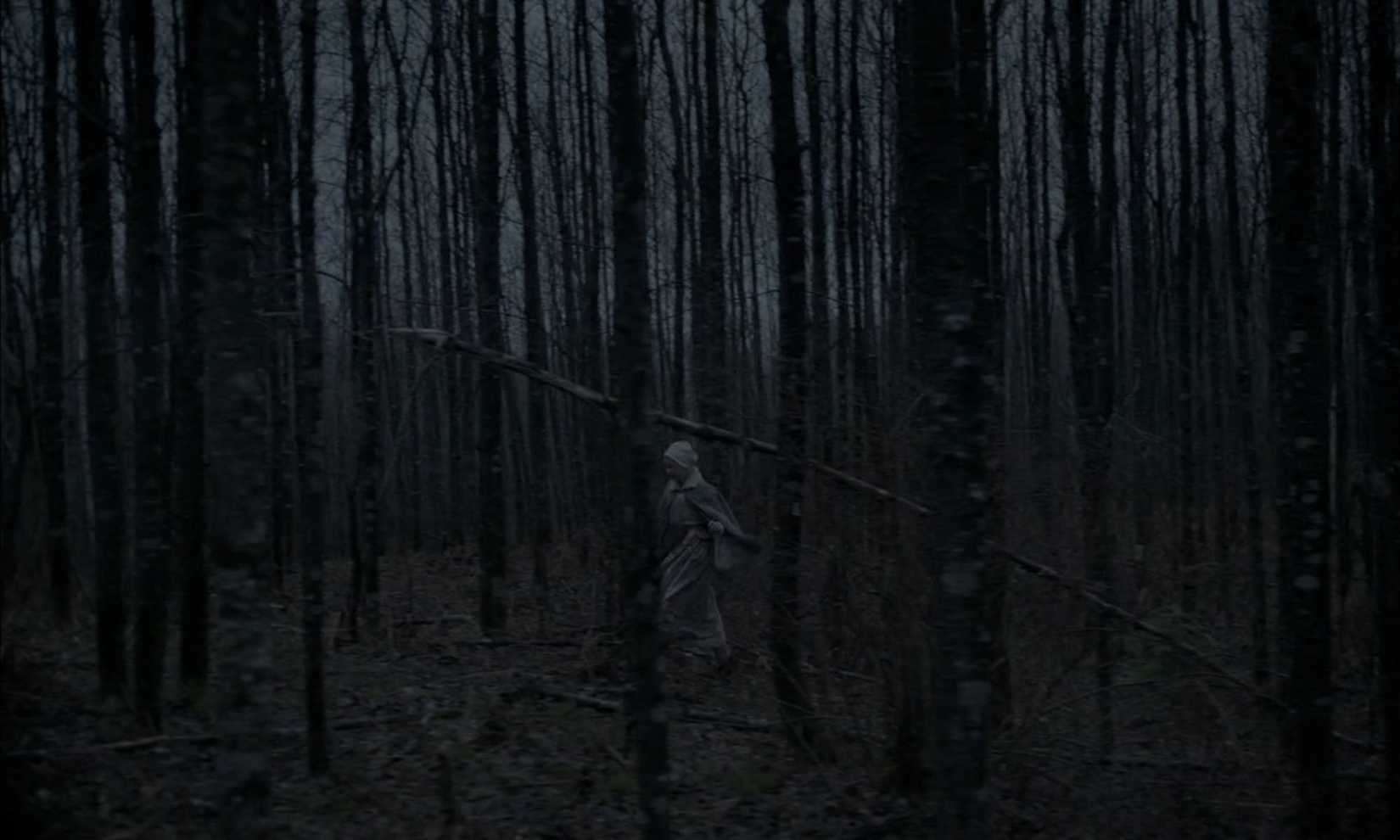
Set in the 1630s during the early settlement of New England, The Witch plunges viewers into an era where religious fervor, superstition, and folklore dictated everyday survival. The narrative timeline unfolds as a slow-burn psychological and supernatural tragedy:
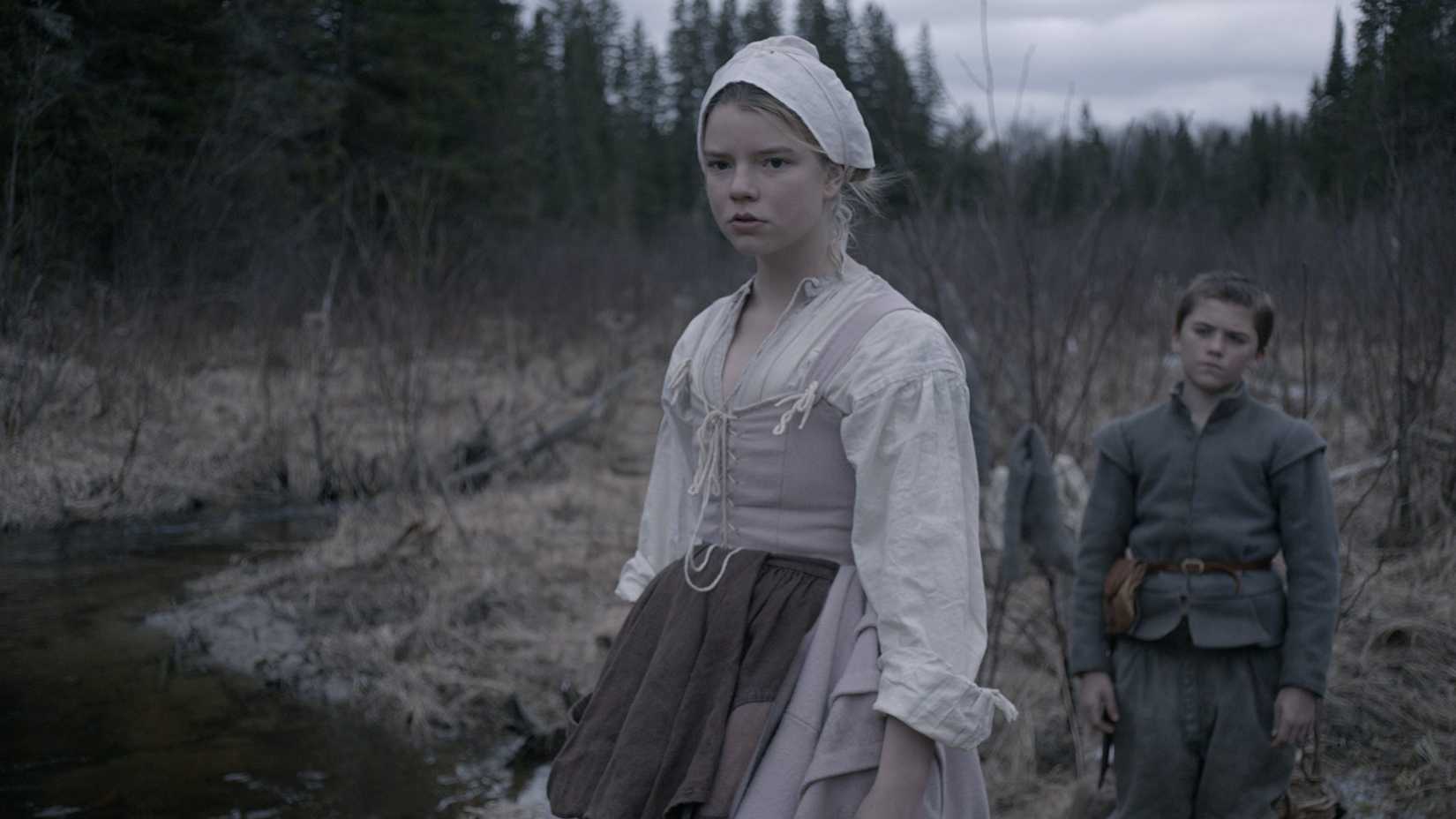
- The Exile: Following a severe ideological dispute with their local church community, a devout Puritan patriarch named William (Ralph Ineson), his wife Katherine (Kate Dickie), and their five children are banished from their plantation. They are forced to build a homestead on the unforgiving, isolated edge of a dark, unmapped forest.
- The Disappearance: Struggling with failing crops and dwindling food supplies, the family dynamic fractures under the weight of hunger and paranoia. The tension reaches a catastrophic boiling point when the family’s newborn infant, Samuel, vanishes into thin air while under the care of their eldest daughter, Thomasin.
- The Scapegoating: With grief poisoning the household, Katherine turns her despair into bitter resentment against Thomasin. Simultaneously, the younger children—including the impressionable twins and the adolescent Caleb—succumbing to isolation and local folklore, begin projecting their own anxieties and developing desires onto their eldest sister, eventually accusing her of witchcraft.
- The Demonic Pact: As death and madness pick off the family one by one, Thomasin is left entirely isolated, battered by false accusations and psychological abuse. When the family’s towering, malevolent goat, Black Phillip, reveals his true demonic identity, he offers her an ultimatum.
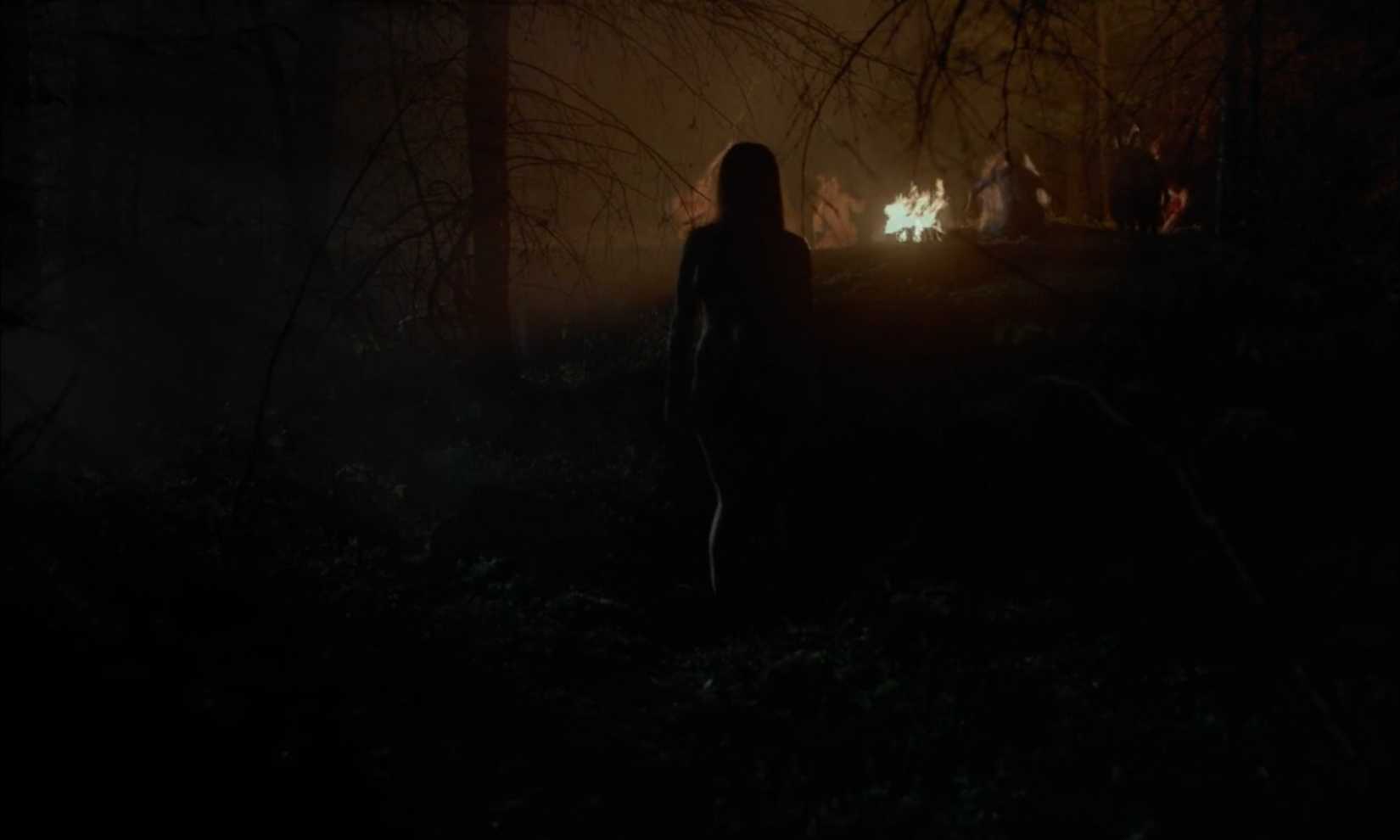
- Liberation in the Woods: Choosing absolute freedom over continued persecution within a puritanical society, Thomasin accepts Black Phillip’s offer, signs his book, sheds her restrictive garments, and steps naked into the moonlit woods to join a coven of witches.
Supporting Data: Career Trajectories and Box Office Impact
To understand the cultural resonance of The Witch, one must examine the meteoric career trajectories it ignited. Produced on a modest indie budget via A24, the film grossed over $40 million worldwide against a tiny fraction of that cost, proving that intellectual, slow-burn arthouse horror could achieve commercial viability.

- Anya Taylor-Joy’s Ascension: At age 30, Anya Taylor-Joy stands firmly as one of Hollywood’s premier, bankable stars. Following her harrowing performance as Thomasin, she quickly diversified her resume. Her credits now range from high-octane blockbusters (Mad Max: Fury Road, The Super Mario Bros. Movie, Dune: Part Three) to prestige television (winning a Golden Globe for Netflix’s The Queen’s Gambit and starring in Apple TV+’s Lucky).
- Robert Eggers’ Cinematic Universe: Eggers has used The Witch as a blueprint for a career defined by uncompromising historical authenticity and atmospheric dread. His filmography reads like an evolving masterclass in mythic world-building, including The Lighthouse (2019), the Viking epic The Northman (2022—which reunited him with Taylor-Joy), and his recent re-imagining of the universal classic, Nosferatu.
- Upcoming Project: Eggers is set to return to theaters on December 25 with Werwulf, starring Aaron Taylor-Johnson as a cursed man in 13th-century England, signaling that the director’s obsession with historical folklore shows no signs of slowing down.
Official Responses and Critical Reception
Upon its premiere at the 2015 Sundance Film Festival—where Robert Eggers won the Directing Award—The Witch received widespread critical acclaim, though it polarized mainstream audiences due to its deliberate pacing, bleak atmosphere, and dense, archaic dialogue.
Critics praised the film’s meticulous attention to period-accurate English, derived from historical journals, witchcraft trials, and religious texts of the 17th century. The Satanic Temple even endorsed the film upon its release, citing it as a brilliant, culturally significant depiction of historical hysteria and female autonomy.
Anya Taylor-Joy has frequently reflected on how The Witch fundamentally shaped her professional ethos. In retrospective interviews, the actress noted that stepping onto the set of a grueling, mud-soaked, independent period piece taught her resilience and an appreciation for directors with singular, uncompromised visions. Similarly, Robert Eggers has often credited the film’s cast—particularly Ineson, Dickie, and Taylor-Joy—for grounding his high-concept supernatural ideas in raw, visceral human emotion.
Implications: Subverting the Final Girl Trope
The enduring legacy of The Witch lies in its radical subversion of horror tropes, particularly the archetype of the "final girl."
In standard slasher or supernatural horror narratives, the surviving protagonist typically achieves victory by maintaining their moral purity, fighting back against the monster, and restoring order to a disrupted world. They defeat evil through resistance.
Thomasin’s arc completely inverts this paradigm. Her society—represented by her rigid, guilt-ridden parents and a dogmatic religious framework—is already toxic, abusive, and inherently destructive. Within this framework, Thomasin is condemned no matter what she does; her developing womanhood is viewed as sinful, and her existence is treated as a burden.
When Black Phillip famously whispers, "Wouldst thou like to live deliciously?"—delivered with chilling perfection by voice actor Daniel Malik—it is not merely a dark temptation; it is an offer of liberation from a life of subjugation, domestic labor, and gaslighting.
By signing the book and joining the coven, Thomasin rejects the patriarchal, puritanical structures that sought to destroy her. Scholars and horror analysts frequently debate the film’s final moments: Is Thomasin’s ascension into the woods a tragic damnation of her soul, or is it a triumphant, feminist awakening where she finds solidarity, power, and community among other outcast women?
Ten years later, the ambiguity of that choice is precisely why The Witch continues to captivate viewers. It reminds us that sometimes, the true monster isn’t the creature lurking in the dark woods, but the oppressive society that drives us toward it.
Viewers looking to experience or re-experience this landmark piece of modern horror have until October 1 to stream The Witch on Netflix.
 Lina Irawan
 Azzam Bilal Chamdy
 Basiran
