

By Jacob Kleinman
Published: September 26, 2026
Main Facts: The Return of the King and the Rise of Ghidorah
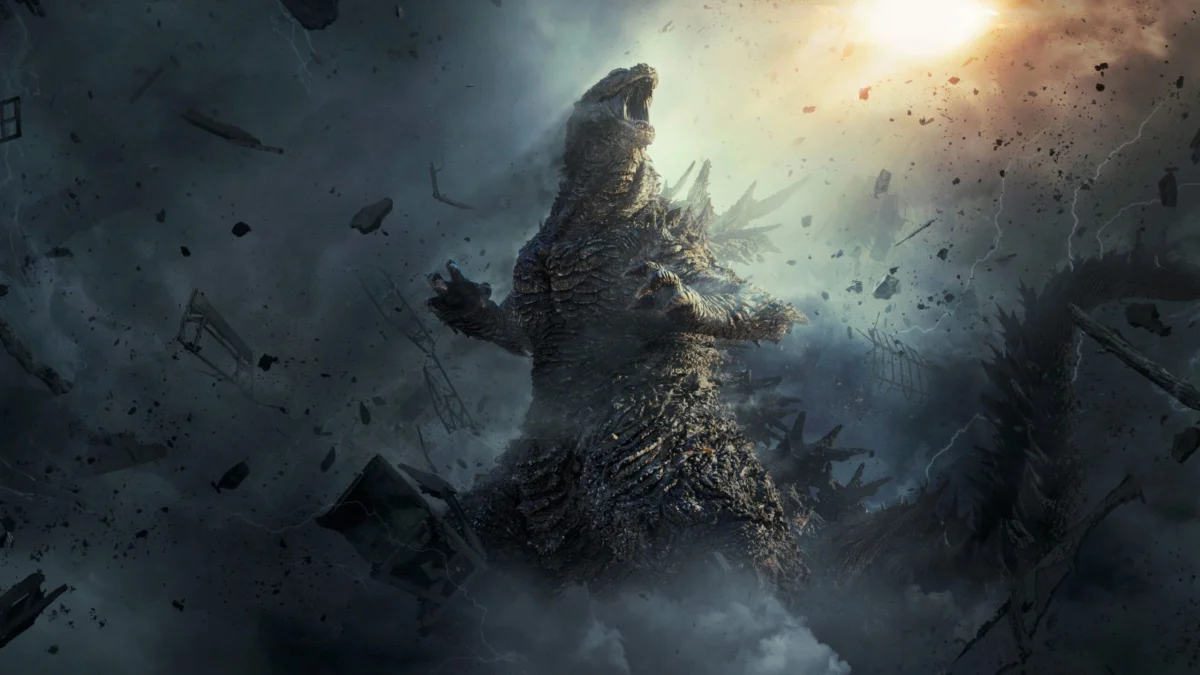
For over seven decades, Godzilla has remained the undisputed living embodiment of raw, atomic violence on a catastrophic cinematic scale. The iconic creature has undergone numerous iterations: he has been weaponized to fight King Kong in sprawling Hollywood universes, paired with a son or a giant moth deity, and even transformed into a biting symbol of bureaucratic, modern governmental paralysis. Yet, regardless of the direction of his destructive rampages, Gojira serves a singular, unyielding metaphorical purpose—he is the festering, radioactive wound inflicted upon Japan by the United States during the closing days of World War II.
No modern filmmaker understands this foundational mythology better than Takashi Yamazaki. Following the massive global triumph of his 2023 masterpiece Godzilla Minus One, Yamazaki returns with a direct follow-up, Godzilla Minus Zero. Opening in U.S. theaters on November 6, 2026, the new film raises the stakes of the franchise exponentially, boasting a larger budget, a globe-spanning plot of military subterfuge, and, crucially, twice as many monsters.
While Minus One focused tightly on a singular radioactive terror emerging in a desolate, post-war Japan, Minus Zero broadens its scope. The film introduces a terrifying, dragon-like adversary capable of projecting lightning from its mouth, which soon wreaks havoc on a coastal Japanese community. Surviving scientists soon brief the Large-Scale Disaster Response Bureau—led once again by Kenji Noda (played by Hidetaka Yoshioka)—revealing that a carnivorous, extraterrestrial goop arrived from space and mutated into the creature they have identified as Ghidorah.
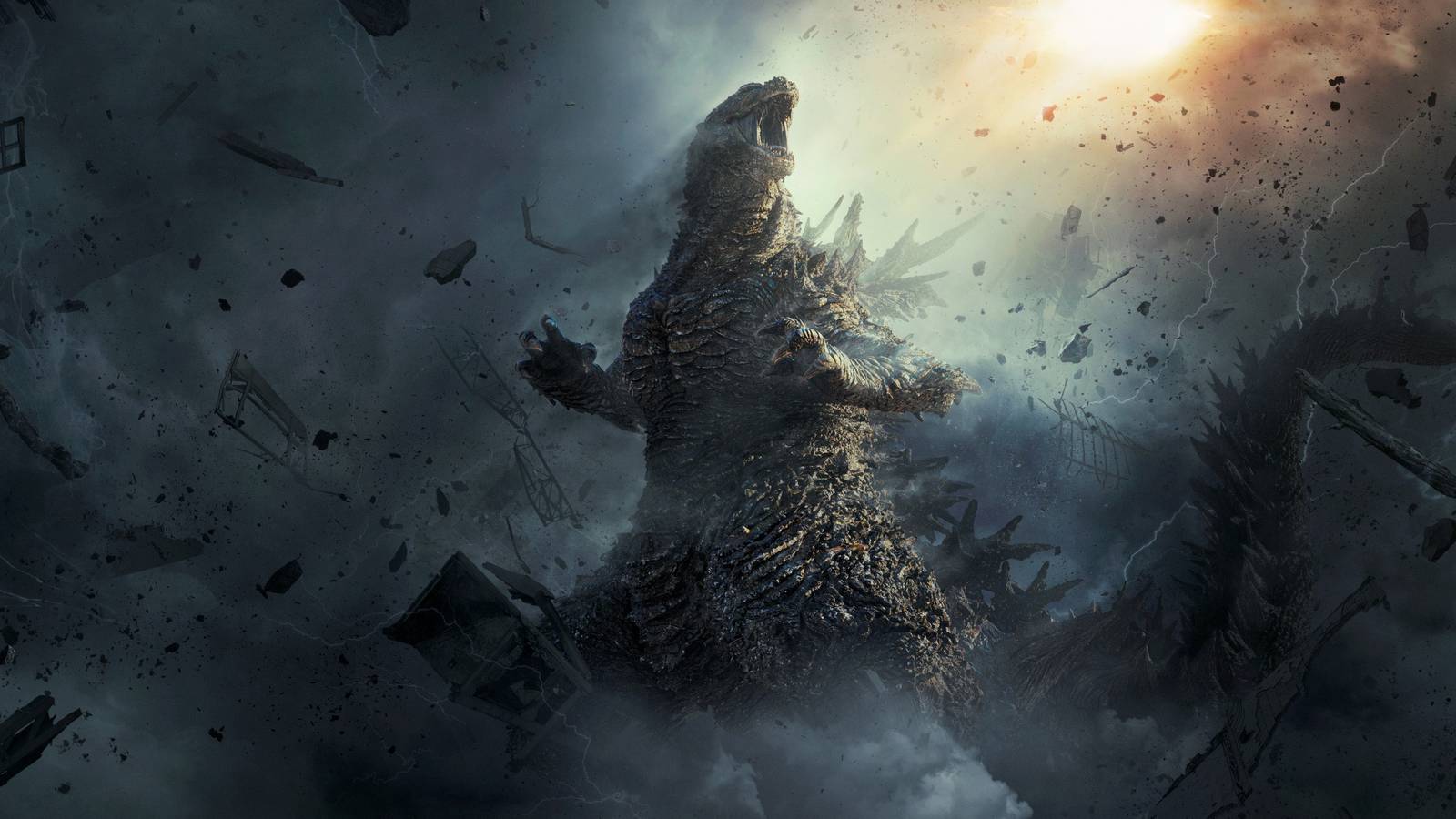
Backed by returning hero Kōichi Shikishima (Ryunosuke Kamiki), the disgraced kamikaze pilot who played a pivotal role in the climax of the previous film, the bureau hatches a desperate plan. What follows is a riveting, high-stakes dogfight against a picturesque mountain backdrop as the dragon relentlessly pursues a squadron of fighter planes. When this initial defense plan inevitably fails, it triggers the resurrection of Godzilla, who senses a rival and surges from the ocean depths. The stage is set for a colossal, earth-shattering clash between two titans, with humanity caught desperately in the crossfire.
Chronology: From Post-War Ruin to Global Threat
To fully appreciate the trajectory of Godzilla Minus Zero, it is necessary to examine the chronological progression of Takashi Yamazaki’s vision for the Toho franchise.
- Post-WWII Genesis (Godzilla Minus One): Set immediately following the devastation of World War II, Yamazaki’s initial entry depicted a Japan plunged into "minus one" status—a country left with less than nothing. Utilizing a minuscule budget, the film brilliantly married blockbuster-level kaiju action with a deeply personal narrative about military veterans defying an inactive government to stop Godzilla.
- The Escalation (Godzilla Minus Zero Production & Release): Capitalizing on the unprecedented international acclaim and Academy Award success of Minus One, Toho granted Yamazaki an expanded budget and greater creative latitude. Moving past the localized struggles of a rebuilding Tokyo, the narrative timeline expands to incorporate global scientific conspiracies, extraterrestrial threats (Ghidorah), and renewed geopolitical tensions.
- Upcoming Theatrical Debut: Following festival previews, Godzilla Minus Zero is scheduled for an official nationwide U.S. theatrical release via GKIDS on November 6, 2026.
Supporting Data & Production Insights: Balancing Spectacle with Heart
While big-budget monster movies frequently stumble by prioritizing CGI spectacle over narrative substance, Yamazaki’s approach subverts genre expectations.
The Human Core
Most traditional entries in the Godzilla franchise pad their runtimes with superficial romances and disposable human subplots. In contrast, Minus Zero anchors its runtime to the "found family" introduced in Minus One:
- Kōichi Shikishima (Ryunosuke Kamiki)
- Noriko (Minami Hamabe)
- Akiko (Sae Nagatani), their adopted daughter
The narrative focuses on this loving trio as they are repeatedly torn apart by forces entirely beyond their control. While Kamiki and Hamabe deliver powerful emotional and narrative performances, it is young actress Sae Nagatani who steals scenes with a heartbreaking portrayal of an adopted child facing the acute trauma of potentially losing her parental figures for a second time.
Technical Craft and Scale
Though Minus Zero occasionally lacks the tight, claustrophobic filmmaking ingenuity of its predecessor—such as the unforgettable Jaws-inspired ocean chase in Minus One—it compensates with grander visual feasts. The set pieces are immense, highlighting skyscraper-sized kaiju battling amidst the ruins of downtown Tokyo. Yet, the technical mastery is always tethered to emotional resonance, proving that visual effects are most effective when audiences genuinely care about the people running beneath the stomping feet of the monsters.

Official Responses and Creative Vision
Director Takashi Yamazaki has been vocal about maintaining the socio-political DNA that made Ishirō Honda’s original 1954 masterpiece a cultural touchstone. In interviews surrounding the release of Godzilla Minus Zero, Yamazaki emphasized that the character must never be reduced to a mindless CGI action figure.
"Godzilla is born from our collective sins and our inability to break cycles of violence," Yamazaki noted during press junkets. "When you bring other elements—like an extraterrestrial threat such as Ghidorah—into the mix, it forces humanity to confront not just a physical monster, but the monstrous choices we make against one another."
Distributor GKIDS and Toho executives have also praised the director’s ability to bridge domestic Japanese arthouse-level character drama with international blockbuster appeal. Studio statements highlight that the film’s willingness to directly address the enduring psychological and physical fallout of historical atomic bombings sets a new benchmark for prestige sci-fi cinema.
Implications: The Enduring Metaphor of Atomic Terror
Godzilla Minus Zero refuses to shy away from the horrific realities of nuclear warfare. The film deliberately juxtaposes the apocalyptic destruction wrought by Godzilla and Ghidorah with haunting imagery mirroring the aftermath of the atomic bombings of Hiroshima and Nagasaki.
Crucially, the film takes this metaphor a step further by interrogating how cycles of warfare and state-sanctioned violence inevitably breed more bloodshed. In one daring, unsubtle narrative sequence, Minus Zero briefly explores a speculative alternate scenario where Japan exacts brutal revenge against the United States for World War II—only to immediately turn the camera toward a literal and metaphorical mirror, forcing the audience to gaze upon the hideous, self-destructive nature of that vengeance.

A Franchise for Everyone
This lack of subtlety is ultimately the franchise’s greatest strength. Over the decades, the cinematic lineage of Godzilla has proven expansive enough to accommodate:
- The biting, satirical bureaucratic commentary of Toho’s Shin Godzilla (2016).
- The bombastic, action-figure-smashing entertainment of Hollywood’s MonsterVerse.
- The deeply sorrowful, historical post-war trauma explored in Yamazaki’s Minus duology.
None of these approaches are subtle, nor should they be. They remind audiences that at its core, the genre is about nuclear titans trading blows while civilization watches from the precipice.
The fact that Takashi Yamazaki can deliver jaw-dropping kaiju spectacles while simultaneously maintaining biting social commentary and profound emotional stakes proves he is operating at the absolute peak of his craft. As audiences prepare for the theatrical release of Godzilla Minus Zero on November 6, 2026, the primary question on fans’ minds won’t just be how the monsters fare in battle, but what mathematical title Yamazaki could possibly invent next if a third installment makes its way to the silver screen.
 Lina Irawan
 Azzam Bilal Chamdy
 Basiran
