

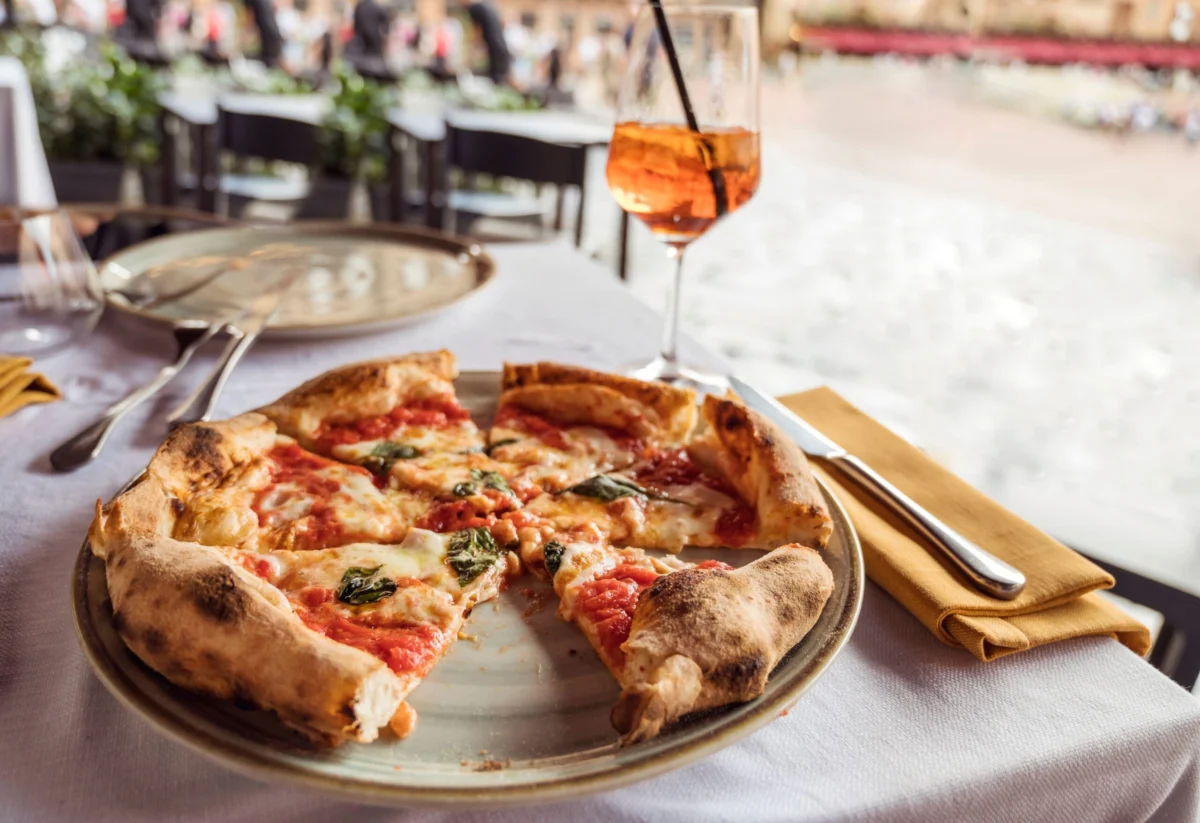
If you ask ten Neapolitans to identify the absolute pinnacle of pizza in their home city, you are mathematically guaranteed to receive ten different, fiercely debated answers. In Naples, pizza is not merely a meal; it is a cultural cornerstone, a social lubricant, and a point of intense civic pride. Nipping down to the local pizzeria sotto casa (the neighborhood pizza joint) is the Neapolitan equivalent of the British visit to the local pub—a low-cost, high-energy ritual where neighbors gather to break bread, trade gossip, and engage in the city’s favorite pastime: obsessing over the quality of dough.
In a city where a mediocre pizza is considered a social faux pas, the baseline for excellence is staggeringly high. While the city center is saturated with pizzerias, navigating the options can be daunting for the uninitiated. The golden rule for the discerning traveler is to scan the storefront for the "VPN" sign. This emblem stands for Verace Pizza Napoletana (True Neapolitan Pizza), a certification that ensures the establishment adheres to a strict, traditional set of criteria regarding ingredients, fermentation, and oven temperatures.
A Chronology of the Crust: From 1889 to the Modern Renaissance
The history of the modern pizza is inextricably linked to the city’s royal legacy. In 1889, pizzaiolo Raffaele Esposito of Pizzeria Brandi—an institution that remains operational to this day—created the iconic Pizza Margherita. Legend dictates that the dish was crafted specifically for the visit of King Umberto I of Savoy and Queen Margherita. By utilizing red tomatoes, white mozzarella, and green basil, Esposito mirrored the colors of the Italian flag. Today, the Margherita remains the ultimate litmus test for any pizzaiolo; with such a simple ingredient profile, there is nowhere for a chef to hide flaws in the dough or the produce.

For over a century, the formula remained largely static. However, the turn of the new millennium ushered in a "New Wave" of Neapolitan pizza makers. Visionaries like Enzo Coccia began to challenge the dogmatic practices of their predecessors. This younger generation introduced longer, more complex leavening processes, emphasized the specific terroir of their ingredients, and expanded the culinary palette beyond traditional boundaries. This tension between the "ultra-traditional" and the "gourmet-creative" has created a vibrant dining landscape where both schools of thought coexist brilliantly.
The Pillars of Perfection: Where to Eat
After 25 years of rigorous, calorie-heavy research, a few names continue to stand out as essential stops for any serious gastronomic tour of Naples.
1. Da Michele: The Unadorned Legend
Despite its global syndication, a visit to the original Da Michele at Via Cesare Sersale 1 remains an essential, almost spiritual experience. The atmosphere is functional and stripped back—marble-topped tables and bare walls—placing the focus squarely on the pizza. The menu is intentionally minimal: the classic Margherita, the Marinara, the Marita (half-and-half), and the Cosacca. At approximately €6.50, it represents the gold standard of value. It is not a place for a candlelit romantic evening, but it is a masterclass in the purity of the Neapolitan tradition.

2. Concettina ai Tre Santi: Innovation in the Rione Sanità
Opened in 1951 by the great-grandmother of current owner Ciro Oliva, this pizzeria is the heartbeat of the pulsing Rione Sanità district. The queues are a testament to the quality of the light, airy, and impeccably blistered crusts. For the full experience, request a table on the back terrace and pair the Sole della Sanitá—a vibrant combination of yellow datterini tomatoes, buffalo mozzarella, and fresh basil—with a chilled bottle of local sparkling wine.
3. Da Attilio alla Pignasecca: The Pizzaiolo’s Pizzaiolo
Third-generation owner Attilio Bachetti has earned the nickname "the pizzaiolo’s pizzaiolo" for his technical mastery. Located near the bustling Pignasecca market, the restaurant has been a local favorite since 1938. The menu is divided between "Tradizione," "A Capa Nostra" (off-the-cuff inventions), and "Senza Tempo" (timeless classics). The signature star-shaped pizza with a ricotta-stuffed crust is a must-order, as is the "Attilio," which features nine distinct slices with different toppings, catering to the indecisive diner.
4. 50 Kalò: The Science of Digestibility
Pioneering chef Ciro Salvo has transformed the pizza-making process by focusing on the hydration of the dough. By using a higher water-to-flour ratio, Salvo produces a base that is exceptionally light and remarkably easy to digest. His Mergellina location is a contemporary hub for seasonal ingredients, ranging from roasted artichoke hearts and capocollo to elevated versions of regional classics like spaghetti alla Nerano translated into pizza form.

5. Isabella de Cham: The Power of Frying
In a field historically dominated by men, Isabella de Cham has carved out a niche as the queen of pizza fritta (fried pizza). Located in the Rione Sanità, her establishment treats the deep-fried, golden dough balloons with a reverence usually reserved for fine dining. Her Donna Isabella—a sophisticated blend of rocket, provola, and caciocavallo cheeses sharpened with lemon zest—is a revelation. Do not skip the Millefritta for dessert, a playful, fried-dough interpretation of a millefoglie.
6. Starita: A Century of Consistency
Since 1901, the Starita family has maintained a standard of excellence that has seen their brand expand to locations as far afield as Bangkok. Their Materdei location, situated northwest of the Archaeological Museum, is an icon of tradition. The Montanara, a mini-pizza that is first fried and then baked, is a legendary creation from the 1980s. To conclude the meal, the Angioletti—deep-fried dough sticks smothered in Nutella or pistachio cream—is a decadent, mandatory finale.
7. Pizzaria La Notizia 53: The Michelin-Recognized Pioneer
Enzo Coccia, the first pizzaiolo to earn Michelin recognition, operates three distinct outlets on the same street in the Vomero neighborhood. La Notizia 53 offers a homely, traditional atmosphere, while the nearby Number 94 leans into the gourmet movement. Intriguing toppings like Inverno al Sud—featuring broccoli, pecorino Romano, and spicy crusco peppers from Calabria—are best paired with a mineral-rich Fiano from the Campania region.

Implications for the Modern Gastronomic Landscape
The evolution of Naples’ pizza scene carries significant implications for the global culinary industry. First, the city serves as a primary example of how a "protected" food culture can simultaneously guard its history while allowing for individual creativity. The transition from the "strictly traditional" to the "gourmet-experimental" has allowed Naples to remain at the forefront of the global food movement, rather than becoming a museum piece.
Furthermore, the emphasis on supply chain transparency—highlighting the origin of buffalo mozzarella, the specific variety of tomato (such as San Marzano or yellow datterini), and the provenance of cured meats—has forced the global pizza industry to elevate its standards. The "Neapolitan model" now dictates that a great pizza is not just about the oven; it is about the ethics of the ingredients and the precision of the fermentation.
Finally, the resilience of these pizzerias in the face of rapid, mass-market industrialization proves that authentic, community-focused, and high-quality food remains a viable business model. Whether it is a quick, inexpensive lunch at Da Michele or a carefully curated, wine-paired dinner at La Notizia, the Neapolitan pizza remains a profound expression of identity. As the city continues to welcome millions of visitors, these pizzerias remain the most reliable conduits through which one can understand the true, unvarnished spirit of Naples: a city that demands excellence, treasures tradition, and never, ever settles for a mediocre slice.
 Basiran
 Nana
Nana
 Nana Muazin
