

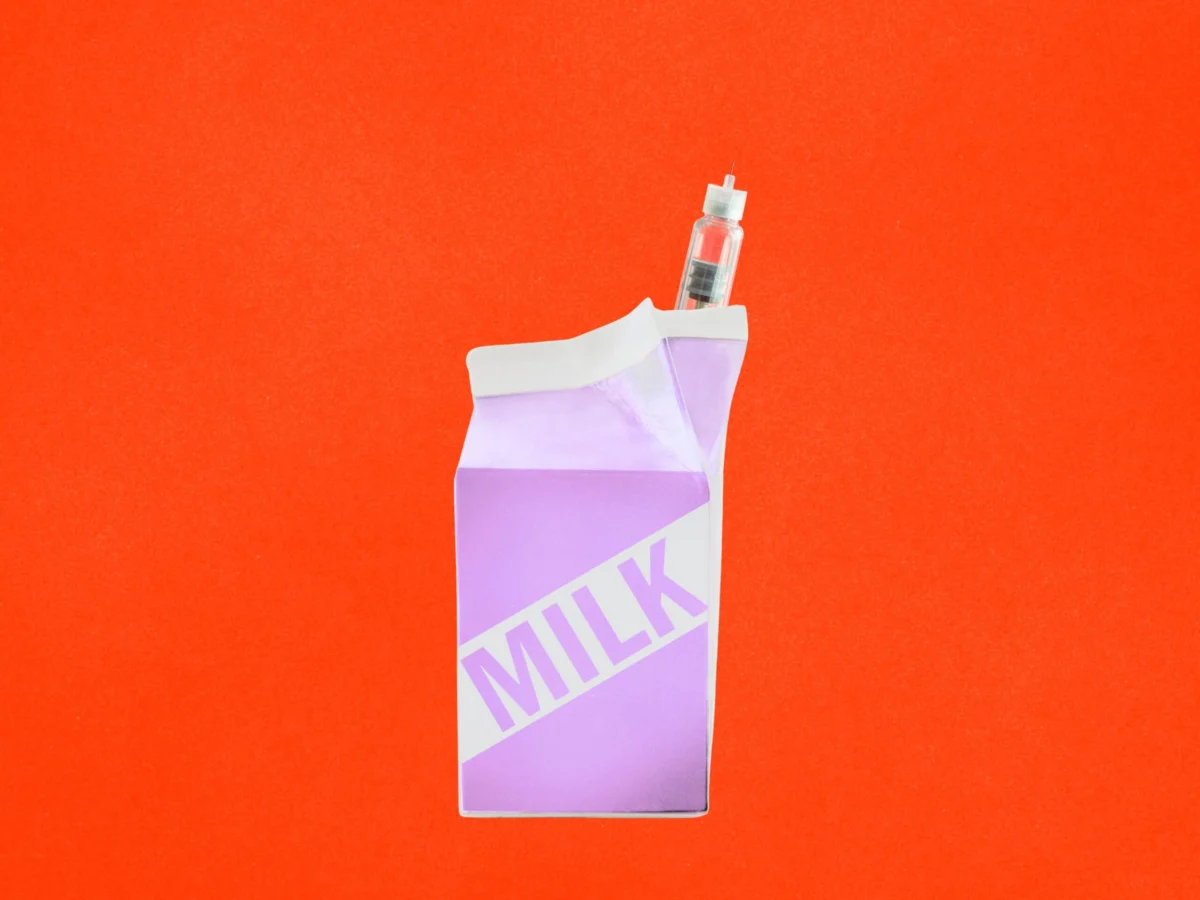
For 34-year-old Caroline, taking the popular weight loss drug Wegovy was never meant to be a clandestine operation. When she first started the medication, she was transparent with her inner circle. Over the course of six months, she watched her weight drop 30 pounds, successfully sliding from 130 pounds back to what she considers her "healthy original weight" of 100 pounds.
Even so, her loved ones grew deeply concerned about the sheer extent of her transformation and vehemently opposed any further loss. Standing at five feet four inches, Caroline was never clinically obese, a fact that led her to believe her primary care physician would dismiss a formal prescription request. Instead, she turned to the internet, connecting with a telehealth doctor over the phone who prescribed the medication without ever laying eyes on her or knowing her baseline weight.
Within weeks, the pounds began shedding at a staggering velocity. Eager to return to normal, Caroline stopped taking Wegovy after six months. The rebound was immediate and punishing: she gained 10 pounds in just four weeks.
"I realized, I can’t stop," Caroline tells SELF.
For the past half-year, she has quietly resumed taking Wegovy at a maintenance dosage. But this time, everything is different. She is hiding the medication from her boyfriend and family. With ongoing discussions about marriage and children, her boyfriend has witnessed the physical and emotional turbulence of the drug firsthand and wants nothing more to do with it. Because Caroline lives alone, concealing the treatment is technically manageable—she buries the temperature-sensitive pens in the back of her refrigerator.
Yet, the logistical gymnastics required to maintain the secret are exhausting. When traveling, she must sneak the medication into hotel room refrigerators or, worse, stash them inside her future parents-in-law’s kitchen appliances during family visits.
"So imagine, I’m hiding stuff in my parents-in-laws’ fridge, hoping they won’t see them," she says. "It’s super awkward."
Caroline’s story is far from an isolated incident. Across the globe, an invisible subculture of individuals is going to extraordinary lengths to keep their use of glucagon-like peptide-1 (GLP-1) receptor agonists entirely secret from romantic partners, family members, and even primary care physicians.
Main Facts: The Rise of the GLP-1 Secrecy Subculture
The widespread adoption of blockbuster medications like Wegovy and Ozempic has revolutionized obesity medicine, but it has also spawned an unforeseen psychological phenomenon: widespread societal stigma that drives patients underground.
On online support communities—such as a viral thread on the Reddit forum r/GLP1microdosing—women have traded creative, albeit startling, concealment tactics to keep their medication hidden in shared households. Users have reported hiding their injectable pens inside:
- Tomato paste and anchovy paste boxes
- Children’s toy food containers from play kitchens
- Opaque feta cheese containers and butter stick boxes
- Empty probiotic and supplement bottles
- Baking soda boxes and wine cartons tucked in the deepest corners of shared refrigerators
This covert behavior is validated by medical professionals on the front lines of weight management. Dr. Kia Mitchell, a family and obesity medicine physician in Jacksonville, Florida, notes that she frequently encounters patients employing these exact measures.
"It’s a real thing," Dr. Mitchell says. "One of my patients just didn’t want to turn this into a debate at home. She just wanted to have the option to take the medication… There’s this loss of control with the gaining of the weight, but being able to control the narrative around weight loss has been empowering and exciting for her patients. Because now they can reveal it on their own terms. That’s where the control comes back."
Chronology: From First Prescription to Telehealth Dependency
To understand how patients end up deeply entrenched in secrecy, it is helpful to trace the typical trajectory of modern, app-based weight loss journeys:
- The Primary Care Barrier: Patients struggling with weight management often fear judgment from traditional physicians, or worry they do not meet strict body mass index (BMI) thresholds for traditional insurance coverage.
- The Telehealth Bypass: Platforms like Hers, Ro, and other digital health startups streamline the prescription process. Minimal bloodwork is required, and consultations often occur asynchronously or via brief phone calls, bypassing deep psychiatric or behavioral vetting.
- The Rapid Transformation: Initial doses trigger fast, dramatic weight loss. Loved ones notice, sparking unsolicited commentary, praise, or concern over rapid physical changes.
- The Cessation and Rebound: Patients attempt to stop the medication, only to experience rapid metabolic and appetite rebound, leading to swift weight regain.
- The Concealment Phase: Realizing that lifetime maintenance may be necessary to sustain their weight, patients resume the medication in secret to avoid domestic lectures, relationship friction, or societal stigma.
Supporting Data: Why People Hide Their Medication
The motivations behind this widespread secrecy are multi-layered, rooted in fear of judgment, domestic friction, and deeply ingrained cultural biases regarding weight and beauty.
Protecting Domestic Peace
For many, revealing a GLP-1 prescription opens the floodgates to endless debate. On the Reddit thread, user Vivid-Act-6442 confessed, "If my husband found out, it would just be a series of lectures." Another user with decades of marital experience wrote, "Just don’t want to hear any negative or critical opinions. After 52 years of marriage, one knows one’s mate."
Shifting Relationship Dynamics
According to Dr. Craig Primack, head of weight loss at Hers, the decision to hide medication often stems from complex interpersonal dynamics.
"Your weight and persona set up a dynamic in your couple," Dr. Primack explains. "When you start changing that, sometimes spouses get very jealous—‘Oh my god, you’re becoming potentially more attractive.’ Not that weight is directly linked to that, but that’s what I hear them say."
The Burden of Stigma
Beyond romantic relationships, the general stigma surrounding weight loss medications—often unfairly dismissed as "the easy way out"—drives people into isolation. Telemedicine platforms have capitalized on this exact discomfort.
"One benefit of telemedicine is it takes the bias and stigma away," Dr. Primack notes. "One reason we are here is because people are uncomfortable going to talk to their primary care doctor about it."
Official Responses: The Medical Community Weighs In
Medical experts hold deeply nuanced views regarding the intersection of telemedicine convenience and patient secrecy.
Dr. Primack defends the operational model of digital health companies like Hers, noting that their clinicians actively encourage patients to loop in their primary care providers. He highlights that while direct clinical counseling is limited, the platform utilizes "psychologist-built information" within its app to address sleep, stress, and eating behaviors.
However, traditional physicians like Dr. Mitchell raise significant red flags regarding the clinical risks of keeping healthcare providers in the dark.
- Polypharmacy and Interactions: Caroline, for example, worries about how Wegovy might interact with other active prescriptions she takes, such as Accutane and Ritalin. Lacking a trusted medical confidant, she admitted to relying on artificial intelligence tools. "I use ChatGPT as my doctor at this point since I can’t be honest with my own doctor," she says. "I say, ‘Hey, this is my actual weight, what type of dosage is okay to take with other drugs?’" She admits this workaround is far from ideal.
- Reproductive Health Risks: GLP-1 medications can significantly alter metabolic function and gastrointestinal absorption, impacting oral contraceptives and increasing fertility as weight drops. Dr. Mitchell reports managing "several GLP-1 babies" conceived unexpectedly by patients whose partners were unaware they were medicated.
- Heightened Stress Hormones: The psychological weight of maintaining a secret can counteract the physiological benefits of health optimization. "When someone is trying to lose weight, we want their stress hormones to be as low as possible," Dr. Mitchell warns. "If you’re trying to hide [medication], we’ll be fighting an uphill battle if you’re stressed about that."
Implications: Navigating Honest Conversations
While secrecy offers short-term emotional protection, experts emphasize that long-term health requires building sustainable networks of trust and support.
Dr. Rachel Goldman, a clinical assistant professor in the department of psychiatry at NYU Grossman School of Medicine who specializes in weight management and disordered eating, acknowledges that the vulnerability tied to weight makes these conversations exceptionally daunting. However, she offers a roadmap for patients wanting to bridge the gap with their partners.
1. Identify Your "Why"
Before initiating a conversation, Dr. Goldman encourages patients to examine their internal motivations. What led to this decision? What does this treatment mean for personal health and well-being? Grounding oneself in a clear, health-centric rationale builds the confidence needed to communicate effectively.
2. Use "I" Statements
When talking to a partner, frame the discussion around personal experience rather than getting defensive about public perceptions or external pressures. "Framing it around their own experience and needs can make the conversation feel more manageable and less like something they have to defend," Dr. Goldman explains.
3. Anticipate Reactions and Establish Boundaries
Patients should mentally prepare for a partner’s initial reaction, recognizing that it may take time for loved ones to process their own biases. It is vital to articulate what kind of support is desired—whether that is active encouragement, emotional understanding, or simply the space to make independent health decisions without judgment.
"Ultimately," Dr. Goldman concludes, "the goal isn’t to have a perfect conversation, but it’s to open the door to more honesty, connection, and support over time."
Conclusion
For Caroline and countless others, the journey with GLP-1 receptor agonists has exposed deep fractures between modern pharmaceutical accessibility and interpersonal communication. While telemedicine has successfully lowered the barrier to entry, shielding patients from upfront societal stigma, it has also fostered a culture of digital isolation and kitchen-fridge espionage. Until societal attitudes surrounding weight management evolve, many patients will likely continue balancing their health transformations on a tightrope of secrecy—stashing life-altering medications next to the anchovy paste, hoping the truth won’t come to light.
 Lina Hope
 Asro
Asro
 Sagoh
Sagoh
