

For decades, MAD Magazine stood as the undisputed titan of print comedy. From its founding in 1952 until its transition away from original content in 2018, the legendary publication skewered politics, current events, and pop culture with an uncompromising, anarchic wit. Staffed by towering artistic talents like Mort Drucker and prolific writers like Dick DeBartolo, MAD lampooned both cinematic masterpieces and Hollywood box-office disasters alike. Its multi-page, comic-book-style spreads treated nothing as sacred and made everyone fair game.
While every era of the magazine had its devoted followers, the 1990s represent a distinct high-water mark for the publication. Navigating a rapidly commercialized pop culture landscape, MAD tore into the era’s biggest blockbusters with biting satire. More than thirty years after those issues first hit newsstands, the underlying humor remains remarkably fresh—and in some cases, alarmingly prescient.
Main Facts: The Anatomy of a MAD Parody
To understand the enduring cultural footprint of MAD Magazine in the 1990s, one must look at the mechanics of its classic movie parodies. Working within a tight five-to-six-page constraint, the magazine’s creative teams dissected the plot holes, tropes, and corporate synergy of major cinematic releases.
- The Creative Heavyweights: The 1990s work relied heavily on veteran creators like writer Dick DeBartolo—affectionately known as "MAD’s Madest Writer"—and artistic powerhouses like Mort Drucker, Angelo Torres, and Sam Viviano.
- The Target Audience: The magazine capitalized on the blockbuster-obsessed culture of the decade, tackling adaptations, CGI experiments, and toy-driven franchises.
- The Legacy: These parodies served not only as comedy, but as historical artifacts of how late-20th-century America consumed and critiqued media.
Chronology of Satire: The 1990s Lineup
The following five cinematic parodies from the 1990s showcase the absolute peak of MAD’s satirical prowess during the decade, highlighting how the magazine evolved alongside the changing media landscape.
1. Teenage Mutant Ninja Turtles (Issue #298, October 1990)
When the live-action Teenage Mutant Ninja Turtles film became an unexpected box-office phenomenon in 1990, artist Sam Viviano and writer Dick DeBartolo were ready to pounce. Much of the humor targeted the film’s heavy borrowing from existing sci-fi tropes—most notably Master Splinter bearing an uncanny resemblance to Yoda, and Shredder acting as a knock-off Darth Vader.
However, the sharpest jokes focused on the staggering commercialization of the franchise. On the opening page, Splinter catches Raphael beating up a pretzel vendor and sternly reminds him that the Turtles are supposed to operate entirely in the shadows.
“We must not be seen anywhere!” Splinter shouts, before adding the kicker: “Except on licensed lunch boxes, sweat shirts, hats, bendable dolls, watches, and our Saturday cartoon show and Nintendo games!”
2. Gremlins 2: The New Batch (Issue #298, October 1990)
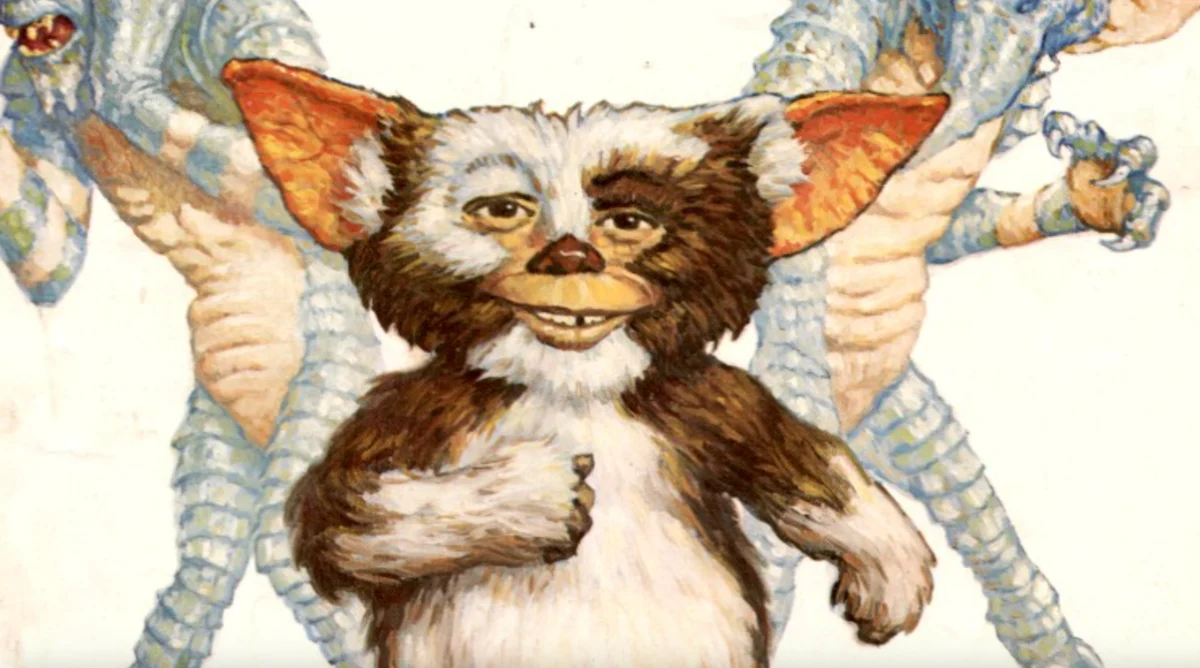
Taking on a movie that was already self-aware and satirical was a daunting task, but artist Mort Drucker and writer Stan Hart managed to pull it off brilliantly in their Gremlins 2 parody. Remarkably, this piece has arguably improved with age, largely due to its treatment of the character Daniel Clamp, played in the film by John Glover.
In the movie, Clamp was already an explicit parody of real estate mogul Donald Trump. MAD, however, leaned heavily into the comparison, renaming the character "Donald Chump" and redesigning him to physically mirror Trump. The five-page strip is packed with jokes about his greed and sleaziness. In one standout panel, the female Gremlin is hired as Chump’s secretary, and he muses about how easy it will be to take advantage of her at the company holiday party—a beat that reads with eerie prescience in the modern political era.
3. The Wizard of Oz (Issue #300, January 1991)
In a special treatment for its milestone 300th issue, MAD delivered a decidedly 1990s spin on The Wizard of Oz, recasting the classic characters with prominent figures of the day. Some casting choices remain amusingly recognizable, such as Vanna White as the Good Witch of the North. Others are deep cuts lost to tabloid history, like Tammy Faye Bakker portraying the Wicked Witch.
The pièce de résistance, however, was casting Donald Trump as the Wizard. Eschewing the whimsical, life-affirming gifts handed out in the original film, MAD’s Wizard offers his petitioners profoundly cynical and destructive guidance—such as encouraging the Scarecrow to pursue a lucrative career in selling junk bonds.

4. Edward Scissorhands (Issue #304, 1991)
Tim Burton’s gothic fairy tale was ripe for skewering, and artist Angelo Torres alongside writer Dick DeBartolo delivered in issue #304. The parody gleefully picked apart the film’s central logistical absurdities: Why, exactly, did the Inventor give Edward scissors for hands? And what kind of suburbanite willingly brings a sharp-fingered stranger home to live with her family?
A recurring visual gag featured Edward using his unique appendages to carve neighborhood hedges into unauthorized pop-culture icons like The Simpsons and Big Bird. The dark comedic peak arrives during a flashback where Edward recalls the death of Vincent Price’s character, The Inventor. When the old man begins to choke on a piece of food, a well-meaning Edward attempts the Heimlich maneuver—effectively slicing his creator cleanly in half.
5. The Flintstones (Issue #331, 1994)
Capitalizing on the live-action blockbuster starring John Goodman, Angelo Torres and Dick DeBartolo targeted America’s favorite modern Stone Age family in 1994. While the issue featured plenty of quick-hit gags—including Dino harboring deep resentment toward Barney the Dinosaur—the narrative anchor was a brilliant, sustained meta-joke.
The parody relentlessly mocked the undeniable truth that The Flintstones was essentially a carbon copy of the classic 1950s sitcom The Honeymooners. Throughout the strip, the characters continually break character by accidentally addressing one another by their Ralph Kramden and Alice Norton counterparts, highlighting the derivative nature of Hollywood’s IP mining.
Supporting Data: The Economics of MAD
To contextualize why these 1990s issues struck such a chord, it helps to examine the cultural and economic backdrop of the magazine during its prime:
- Circulation Peaks: At its height in the late 1970s and early 1980s, MAD enjoyed circulation numbers exceeding two million copies per issue, establishing a cultural baseline that bled into its 1990s output.
- The Creative Stability: Unlike many publications that suffered from high turnover, MAD relied on a tight-knit stable of contributors known as the "Usual Gang of Idiots." This consistency allowed writers and artists to develop a signature, recognizable voice that generations of readers trusted.
- Cultural Penetration: Long before internet meme culture or social media video essays existed, MAD served as the primary cross-generational media literacy tool for teenagers and young adults.
Official Responses and Industry Reception
While Hollywood studios and celebrity targets were occasionally the butt of the joke, the overarching response from the entertainment industry to MAD’s parodies was overwhelmingly one of badge-of-honor acceptance.
Historically, celebrities considered it a bizarre milestone of cultural arrival to be caricatured by Mort Drucker on the pages of MAD. Filmmakers like Joe Dante (Gremlins 2) and Tim Burton (Edward Scissorhands) operated in a space of heightened camp and dark comedy that naturally aligned with the magazine’s sensibilities. Rather than issuing cease-and-desist letters or public complaints, the creators of these films frequently embraced the satire as proof that their work had entered the broader cultural bloodstream.
Implications: Why These Parodies Still Matter Today
Looking back at MAD Magazine’s 1990s output reveals profound implications for how we consume media, parody, and politics today.
First, the longevity of these jokes proves that human pop-culture consumption habits have not fundamentally changed. We still recycle intellectual property endlessly, we still build massive merchandising empires around children’s films, and Hollywood still struggles with logic gaps in blockbuster scripts.
Second, the unexpected aging of political satire—particularly regarding the recurring figures of the 1990s political and business elite—demonstrates how cyclical public life can be. What felt like an absurd, exaggerated caricature in 1990 or 1991 often serves as a direct mirror to modern sociopolitical realities.
Though print magazines no longer occupy the dominant cultural space they once did, the shadow of MAD Magazine looms large. Through sharp illustration, fearless writing, and a refusal to bow to corporate or celebrity pressure, the "Usual Gang of Idiots" provided a masterclass in media criticism that continues to resonate across generations.
 Lina Irawan
 Azzam Bilal Chamdy
 Basiran
