

Main Facts: The Return of a Forgotten Titan
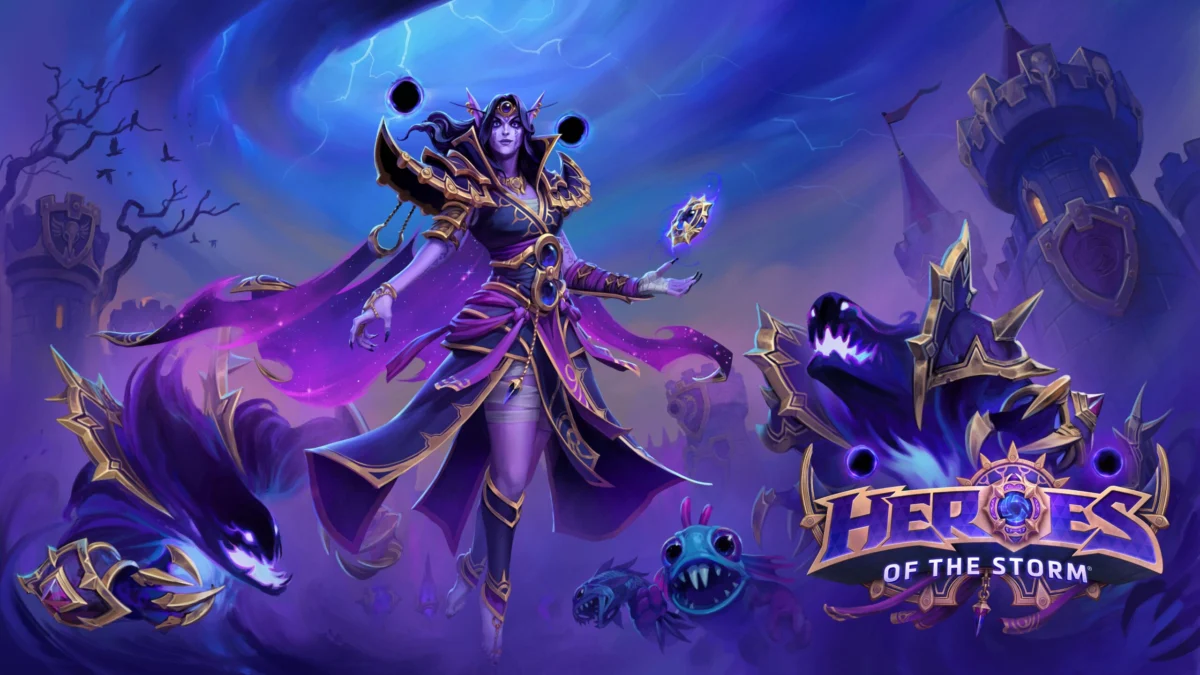
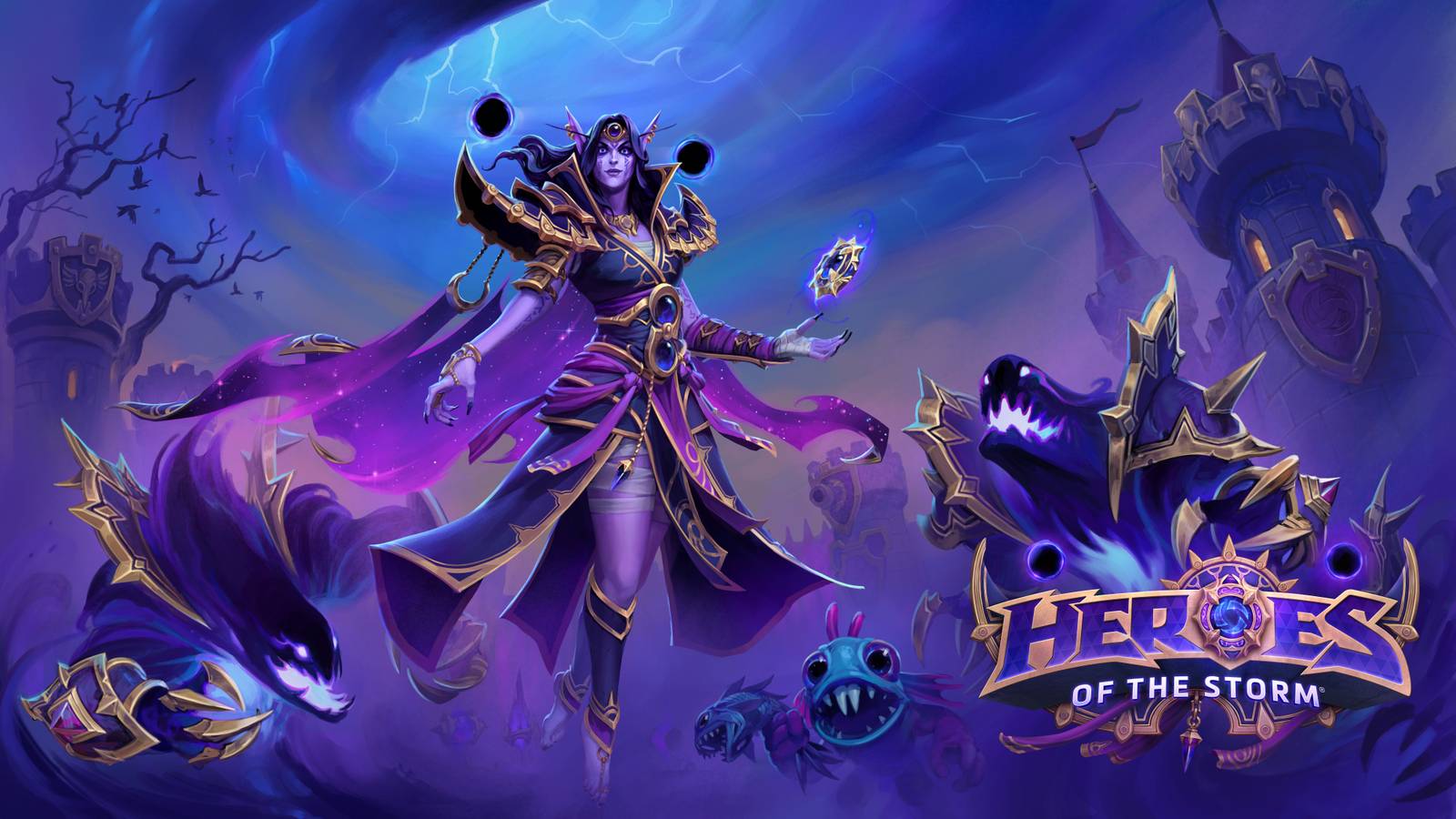
In a development that has sent shockwaves through the multiplayer online battle arena (MOBA) community, Blizzard Entertainment has officially broken Heroes of the Storm’s nearly six-year content drought. During BlizzCon, developers stunned attendees and streaming audiences alike by pulling back the curtain on a brand-new, fully realized playable character: Xal’atath, the Harbinger of the Void.
Directly pulled from the lore-heavy universe of World of Warcraft—where she recently served as a primary antagonist in the Midnight expansion—Xal’atath’s arrival marks the first time a new hero has been added to Heroes of the Storm since December 2020, when the gnoll Hogger made his chaotic debut. Following a brief stint on the game’s Public Test Realm (PTR), the cosmic entity is now live on the main servers for Windows PC and Mac, introducing a new Ranged Assassin role that relies on dark void magic and crowd control.
Far more than a simple vanity patch, Blizzard’s leadership has hinted that Xal’atath could be the vanguard of a broader, sustained revival for the cult-classic MOBA. While active development on Heroes of the Storm was officially scaled back in late 2018 and largely flatlined after 2020—leaving the game sustained only by automated maintenance patches and occasional balance adjustments—this surprise update has reignited fierce speculation about the future of the title. Xal’atath is currently available for purchase for $7.99, with an in-game gold option scheduled for a late November rollout, accompanied by a week-long promotional Twitch Drop event running through October 5.
Chronology: A Timeline of Heroes of the Storm’s Rise, Fall, and Resurgence
To understand the magnitude of Xal’atath’s introduction, it is crucial to examine the tumultuous history of Blizzard’s crossover MOBA.
- November 2013 (BlizzCon): Originally announced under the working title Blizzard All-Stars—evolved from the custom map Blizzard DOTA in Warcraft III—the project is formally christened Heroes of the Storm. The vision is to unite iconic champions and villains from Warcraft, StarCraft, Diablo, and later Overwatch into a unified team-brawler framework.
- June 2015: Heroes of the Storm launches globally. Eschewing traditional MOBA mechanics like individual gold, item shops, and last-hitting in favor of shared team XP and dynamic map objectives, the game carves out a distinct niche. However, it struggles to capture the massive, entrenched market share dominated by Riot Games’ League of Legends and Valve’s Dota 2.
- December 2018: Citing shifting corporate priorities, Blizzard dramatically scales back development resources for Heroes of the Storm. The company cancels the competitive esports circuit (HGC) and reallocates developers to core franchises like World of Warcraft and Hearthstone. Despite the blow, a remarkably dedicated community continues to play, sustain matchmaking queues, and organize grassroots tournaments.
- December 2020: Blizzard releases Hogger, the iconic World of Warcraft gnoll. At the time, players celebrate the addition, unaware it would be the final character added to the roster for nearly half a decade. For the next five years, the game enters life-support status, receiving only sporadic bug fixes and minor numerical tweaks.
- September 2026 (BlizzCon): In a stunning reversal, Blizzard announces Xal’atath as the next playable hero. Moving away from legacy characters, the team leverages contemporary World of Warcraft narrative momentum to inject fresh energy into the aging client.
Supporting Data: Roster Growth, Monetization, and Community Engagement
The sheer numerical drought preceding Xal’atath’s release highlights just how unexpected this update is. Between the game’s commercial launch in 2015 and the freezing of content production in late 2020, Blizzard released close to 90 heroes. The sudden six-year gap between Hogger and Xal’atath is unprecedented in the modern live-service landscape, where games typically shutter entirely rather than return from an effective hibernation.
| Metric / Milestone | Historical Context (2015–2020) | The Modern Era (2026) |
|---|---|---|
| Development Cadence | Monthly to quarterly hero releases | Zero heroes for nearly 6 years |
| Primary Franchise Representation | Heavy Warcraft, Diablo, and StarCraft focus | Integration of modern World of Warcraft lore (Midnight) |
| Monetization Model | Real-money gems, loot boxes, and gold | Direct purchase ($7.99); gold unlock coming late November |
| Promotional Outreach | In-game events, esports integration | Twitch Drop campaigns (Sept 28 – Oct 5) |
To celebrate Xal’atath’s debut, Blizzard has partnered with streaming platform Twitch to incentivize community engagement. Players who tune into participating Heroes of the Storm streams for designated watch-times between September 28 and October 5 (ending at 11:59 p.m. PDT) can unlock exclusive in-game cosmetic goodies. This digital marketing push demonstrates a calculated effort to reactivate dormant communities and drive concurrent player counts upward.
Official Responses: Blizzard’s Pivot on Live-Service Longevity
Speaking on condition of anonymity, industry insiders note that Blizzard’s recent corporate restructuring under Microsoft has created new pathways for legacy intellectual properties to receive attention. While historical data showed that Heroes of the Storm could not sustainably compete with the sheer profit margins of League of Legends, the game’s persistent, organic player retention proved too significant to ignore permanently.
At BlizzCon, representatives from the development team addressed the elephant in the room directly. Rather than framing Xal’atath as a definitive, guaranteed roadmap for a flood of new content, Blizzard positioned her as a test of community viability. The studio stated unequivocally that the realization of future heroes depends entirely on player response, engagement metrics, and monetization performance surrounding Xal’atath’s launch.
Fans have taken this message as a rallying cry. Across Reddit, official forums, and community Discord servers, players are organizing campaigns to purchase the hero, queue up for matches, and signal to executives that the appetite for Heroes of the Storm content remains remarkably high.
Implications: Can Heroes of the Storm Stage a Historic Comeback?
The re-emergence of Heroes of the Storm in 2026 raises fascinating questions about the lifecycle of live-service video games. For years, the industry standard for a struggling or abandoned game has been swift server closure or quiet abandonment. Blizzard’s choice to revive a dormant MOBA challenges conventional wisdom.

1. Precedent for Other Legacy Titles
If Xal’atath proves commercially and culturally successful, it could set a powerful precedent for other publishers sitting on inactive multiplayer assets. Games that were once written off as financial write-offs or dead properties might see similar resurrection efforts if publishers realize that established brand equity and passionate core communities hold residual value.
2. Narrative Synergy Across Ecosystems
By pulling Xal’atath directly from current World of Warcraft storylines (Midnight), Blizzard is successfully utilizing cross-promotional synergy. Players invested in the MMO’s cosmic lore are incentivized to check out the MOBA, bridging audiences that historically stayed within their respective game silos.
3. Cautious Optimism Among the Fanbase
While the community is understandably ecstatic, a degree of cautious pragmatism remains. Players have been burned before by abrupt development cancellations. Whether Xal’atath is a solitary farewell gift or the dawn of Heroes of the Storm 2.0 depends heavily on how the next few months unfold.
For now, queues are popping, void energies are sweeping across the battlegrounds, and for the first time in six years, the Nexus feels alive again.
 Basiran
 Nana Muazin
 Layla Zulfa
