

This October, the city of South Bend, Indiana—a landscape historically defined by the rhythmic thud of pigskin against grass and the storied legacy of Notre Dame football—will pivot from the gridiron to the silver screen. The inaugural Dynasty Sports Film Festival (DSFF) is set to debut from October 22 through October 25, marking an ambitious attempt to codify the "sports movie" as a distinct, prestigious genre worthy of its own dedicated cinematic ecosystem.
Presented by the production house Shade Studios, the festival promises to be more than a mere showcase of athletic-themed content. It is designed as a high-concept cultural summit, bringing together professional athletes, visionary filmmakers, and digital creators to dissect the narratives that shape our collective sports culture.
The Genesis of a New Cultural Hub
For decades, South Bend has functioned as a pilgrimage site for sports fans. By situating the Dynasty Sports Film Festival in this specific locale, founders Marissa Hill and Alfred Castaneda of Shade Studios are betting on the city’s inherent "sports DNA" to provide an authentic backdrop for the event.
The festival aims to transcend the traditional limitations of film festivals by bridging the gap between high-brow documentary filmmaking and the explosive, viral nature of modern digital creator content. By providing a platform for six distinct award categories—narrative features, documentary features, short films, brand films, student projects, and digital creator content—DSFF is signaling its intent to capture the full spectrum of sports media, from legacy cinema to the next generation of social-first storytelling.
A Chronology of the Inaugural Four-Day Event
The festival’s inaugural schedule is an aggressive, star-studded itinerary that highlights both the historical reverence for sports legends and the future of episodic drama.
October 22: The Opening Gala
The festival kicks off with a profound nod to the host region. The world premiere of the documentary Lou Holtz: 60 Minutes to Play and a Lifetime to Remember serves as the centerpiece. The film offers an intimate look at the life and philosophy of the legendary Notre Dame head coach. Following the screening, a Q&A session moderated by ESPN veteran Hannah Storm and featuring director Ted Mandell will ground the film in academic and personal context. This evening of high-stakes programming, sponsored by a coalition of industry giants including B&H Creators, Sony, Profoto, and Lexar, will conclude with an opening night gala at the historic Studebaker Museum.

October 23: From Ali to the WNBA
The second day shifts toward contemporary prestige television and high-impact documentary work. Prime Video’s highly anticipated drama The Greatest, which chronicles the life of Muhammad Ali, will host a sneak-peek screening of its pilot episode. Produced by a powerhouse team including Ben Watkins’ Blue Monday Productions and Michael B. Jordan’s Outlier Society, the series is already being positioned as a tentpole project for the festival. The day also features a screening of the ESPN documentary The Brittney Griner Story, ensuring the festival remains relevant to current socio-political conversations within the sports world.
October 24: Celebrating the Classics
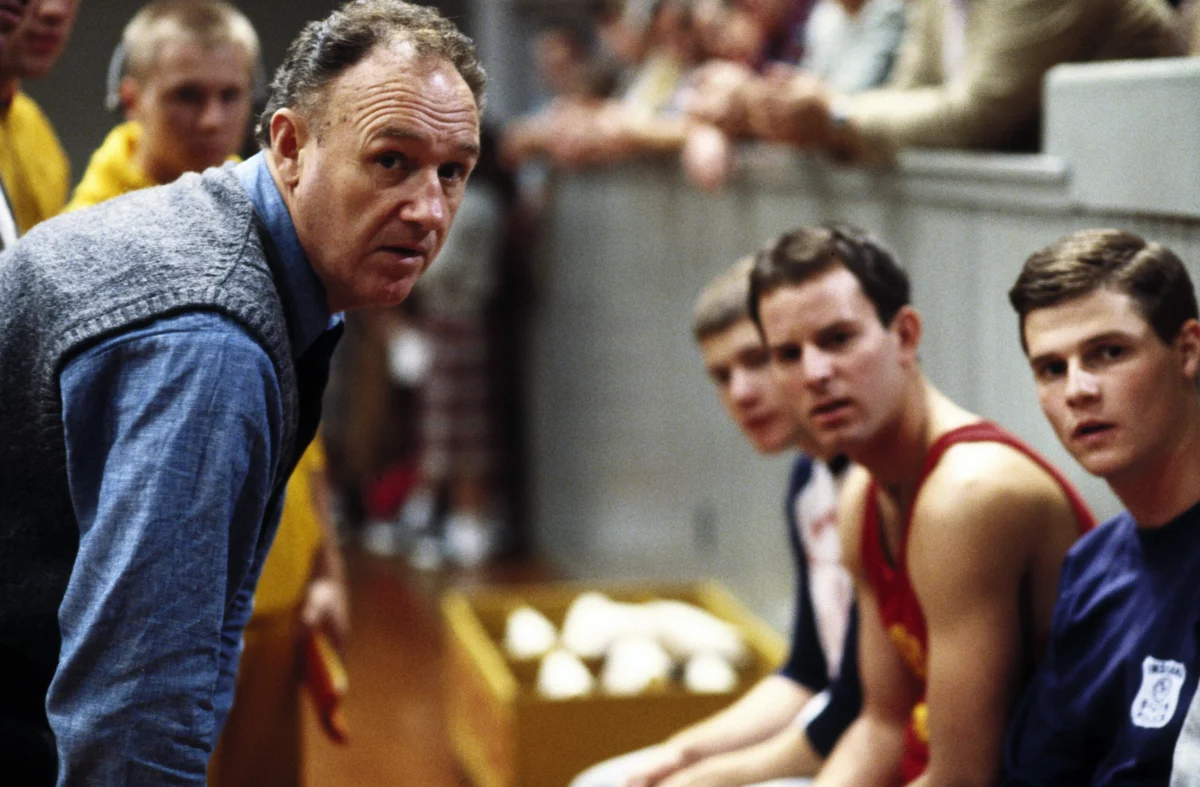
The third day is dedicated to the legends of the game and the filmmakers who immortalized them. The festival will host a 40th-anniversary screening of a new director’s cut of the iconic basketball film Hoosiers. This screening is particularly significant as it features a live discussion with director David Anspaugh and screenwriter Angelo Pizzo.
The afternoon continues with a retrospective on the "First Five," the debut recruiting class of legendary coach Bob Knight at Indiana University, featuring a panel with NBA player John Laskowski. Rounding out the day is a screening of the ESPN documentary Give Me the Ball!, a star-studded exploration of tennis icons including Billie Jean King, Chris Evert, and Serena Williams, punctuated by the musical presence of Elton John.
October 25: Closing Ceremonies
The festival will conclude on a family-friendly note, celebrating the 20th anniversary of the Pixar classic Cars, a nod to the crossover appeal of sports-centric storytelling and its ability to inspire younger generations.
The Industry Jury: A Panel of Experts
The legitimacy of the DSFF is anchored by its diverse and highly qualified panel of jurors. The selection committee includes a mix of creative professionals, sports industry insiders, and academic leaders:
- Angelo Pizzo: Screenwriter and a pivotal figure in the sports-film canon.
- Eugene Lee: High-profile NFL agent, providing a perspective on the business of sports.
- Deirdre Boyle: Emeritus Professor of Media, The New School.
- Maura Shea: Head of Film Production at Penn State University.
- Fede Goldenberg: Head of TV and Film Partnerships at YouTube, bridging the gap between traditional and digital distribution.
- Wilson Morales: Member of the Critics Choice Board of Directors and a prominent voice in Black film and TV journalism.
- Dr. Galen Clavio: Director of the Sports Media Program at Indiana University Bloomington.
- Ted Mandell: Professor of Film Production at Notre Dame, linking the festival directly to its host university.
Implications for the Sports and Film Industries
The establishment of the Dynasty Sports Film Festival arrives at a critical juncture in the media landscape. As streaming services and networks scramble for "prestige sports content"—often referred to as the "Drive to Survive effect"—the demand for high-quality storytelling surrounding athletes and teams has never been higher.

A New Venue for Brand Integration
The inclusion of "brand films" as an award category is a savvy move that reflects the current reality of the marketing world. As brands increasingly look to produce long-form, documentary-style content to engage fans, DSFF offers a sanctioned space for these pieces to be evaluated alongside traditional cinema. This could potentially turn South Bend into a recurring destination for brands looking to premiere their latest athlete-centric campaigns.
Bridging the Academic and Commercial Divide
By partnering with institutions like the University of Notre Dame and Indiana University, the festival is not just looking for box-office success; it is looking to foster an environment of intellectual inquiry. The Q&A sessions are designed to move beyond the standard promotional circuit, opting instead for deep-dive discussions on the ethics, sociology, and technical craft of sports filmmaking.
Economic Impact on the Midwest
For South Bend, the festival represents a strategic play for regional tourism. By positioning the city as a "film and media sports capital," Shade Studios is attempting to diversify the city’s appeal beyond the traditional football season. If successful, the four-day event could provide a blueprint for other "sports-centric" cities to leverage their history for cultural gain.
Final Reflections
The vision articulated by founders Marissa Hill and Alfred Castaneda is clear: to create a "Dynasty" of their own. By curating a program that respects the past (with Hoosiers and Lou Holtz) while aggressively pursuing the future (with The Greatest and digital creator content), the festival is attempting to build a tent large enough to hold everyone from the casual fan to the rigorous film critic.
As the leaves turn and the air cools in South Bend this October, the Dynasty Sports Film Festival will test whether the intersection of sport and cinema is a sustainable path for a dedicated cultural event. If the initial lineup is any indication, the festival is poised to do more than just show movies; it aims to tell the story of why we play, why we watch, and why those stories remain the most enduring narratives in our culture.
For those looking to attend, the festival will serve as a four-day reminder that while games end when the final whistle blows, the stories they produce have the power to live on indefinitely.
 Lina Hope
 Azzam Bilal Chamdy
 Pevita Pearce
