

By Industry Correspondent
September 29, 2026
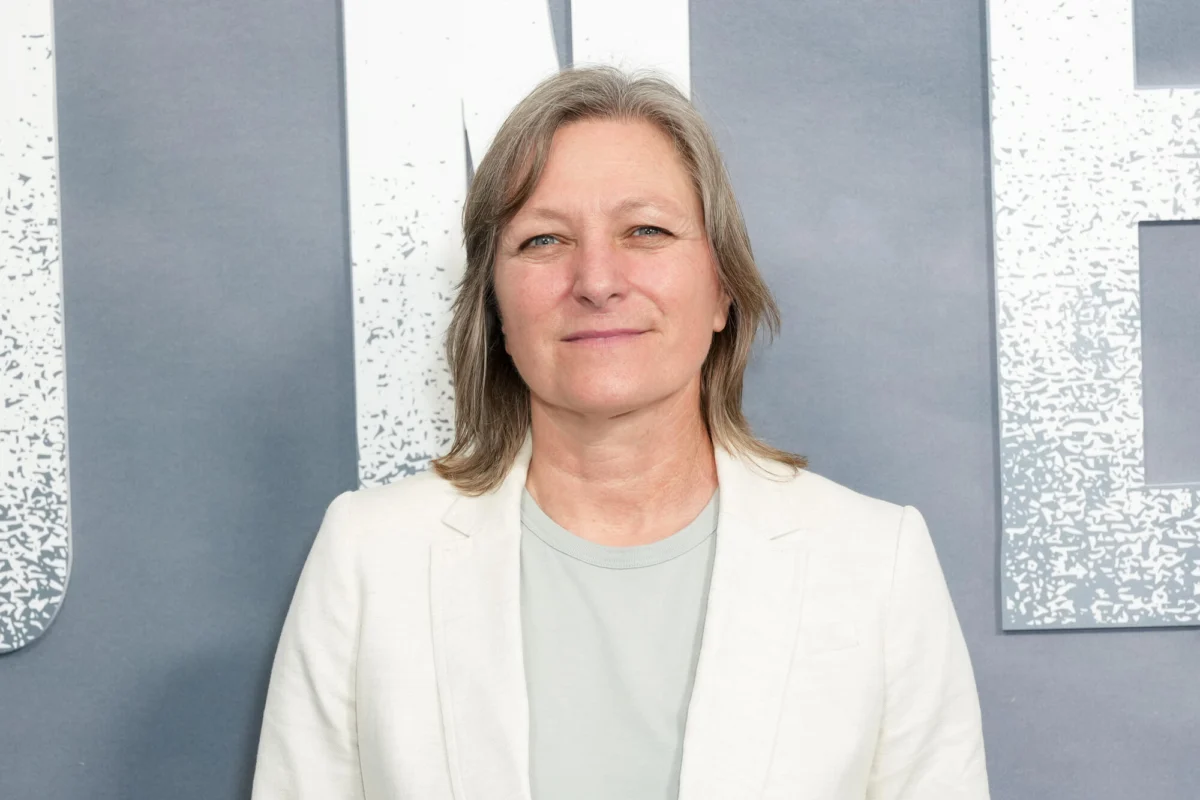
In a move that signals the beginning of a massive corporate restructuring, Cindy Holland, the chair of Paramount’s direct-to-consumer (DTC) division, has officially stepped down from her role. Her departure, effective today, comes on the eve of the highly anticipated merger between Paramount and Warner Bros. Discovery (WBD). As the company prepares for a new era of consolidated media, industry analysts are looking to the move as the final piece of the puzzle that likely clears the path for HBO programming chief Casey Bloys to assume control over the combined entity’s massive streaming ecosystem.
The Landscape of the Transition: Main Facts
Cindy Holland’s exit, first reported by Variety and Deadline, marks the conclusion of her tenure as the primary architect of Paramount’s recent streaming strategy. Tasked with overseeing the integration of Paramount+ and the optimization of the free ad-supported television (FAST) giant Pluto TV, Holland’s departure is being framed by insiders as a move toward executive streamlining.
While her internal memo remained diplomatic, it served as a clear indicator of the incoming leadership structure. "David is optimizing for HBO stability as we move into this next chapter, and I fully support that," Holland wrote, referencing WBD CEO David Zaslav’s vision for the post-merger landscape. This acknowledgment is widely interpreted as a formal passing of the torch to Casey Bloys, who has served as the president of HBO and Max since 2016. Bloys, a veteran of the prestige television era, is now widely expected to consolidate his influence over the streaming portfolios of both studios.
A Career in Streaming: The Holland Legacy
To understand the weight of this departure, one must look at the trajectory of Cindy Holland’s career. Before joining Paramount in January 2025, Holland was a titan at Netflix, where she spent 18 years helping to shape the very foundation of the modern streaming industry. She was a pivotal figure in the platform’s early pivot to original programming, overseeing the development of culturally seismic hits such as House of Cards and Stranger Things.
Upon joining Paramount, she faced a daunting set of challenges: stabilizing a fragmented streaming service and navigating the complex financial hurdles associated with the then-looming merger. Under her guidance, Paramount+ reached 79.6 million subscribers, a significant milestone that proved the service could compete in an increasingly crowded marketplace. Her ability to balance the technical demands of platform integration with the creative demands of content curation made her a linchpin for the studio during a period of extreme volatility.

Chronology of the Paramount-WBD Merger
The path to this moment has been paved with years of corporate maneuvering and market pressure. The following timeline outlines the key milestones leading to today’s announcement:
- January 2025: Cindy Holland joins Paramount as Chair of Direct-to-Consumer, charged with revitalizing Pluto TV and managing the growth of Paramount+.
- Late 2025 – Early 2026: Market speculation intensifies regarding the debt loads of both Paramount and Warner Bros. Discovery, with analysts suggesting that a merger is the only viable path for long-term sustainability.
- Summer 2026: Negotiations between the two media giants reach a fever pitch, with discussions centering on cost synergies and the elimination of redundant executive roles.
- September 29, 2026: Cindy Holland confirms her exit. The industry braces for the formal closing of the merger, expected to be finalized in the coming days.
Supporting Data: The Streaming Arms Race
The merger is fundamentally driven by the need for scale in a subscription-fatigued market. Paramount+ and Max (the HBO-centric service) have both faced the same existential questions: How do you achieve profitability while maintaining a high-quality slate?
Paramount’s own struggles, particularly regarding the decline of its legacy premium cable brand, Showtime, serve as a cautionary tale. While Showtime was eventually absorbed into Paramount+, the brand’s diminished relevance compared to the sustained cultural dominance of HBO—exemplified by its consistent performance at the Emmy Awards—provides the rationale for why a figure like Casey Bloys is being tapped for a broader role. Bloys has managed to maintain HBO’s "premium" reputation while successfully navigating the transition to a mass-market digital platform.
The numbers support the shift in strategy. With the combined user base of the two platforms potentially reaching well over 150 million, the new leadership will have the leverage to demand better distribution deals and advertising rates, provided they can reconcile the disparate brand identities of the two services.
Official Responses and Internal Sentiment
The industry response to the news has been one of quiet anticipation. Within Paramount, the mood is described as "transitional." There is a recognition that the merger brings a necessity for deep cuts and organizational alignment. The brevity of Holland’s departure memo suggests a mutual understanding between the executive and the incoming leadership regarding the necessity of the "optimization" process mentioned by Zaslav.
"Cindy has been a steady hand during a period of historic change," said one industry insider familiar with the matter. "But the reality is that when you combine two massive ships, you don’t need two captains for the same bridge. Bloys has a track record that is effectively unparalleled in the current landscape."

Implications: The Future of "WarnerMount"
The most pressing question for the industry now is the fate of the remaining creative leadership. What happens to Warner Bros. Pictures executives Mike DeLuca and Pam Abdy? The combined entity, often dubbed "WarnerMount" in analyst circles, faces the gargantuan task of delivering a slate of 30 movies per year across the two studios.
There is significant opportunity here for creative expansion, but it remains to be seen if the culture of the two studios can be effectively melded. While Bloys is likely to control the streaming and television pipeline, the film division remains a separate beast. If the company aims to maintain the output of 30 films annually, it will require a delicate balance between the high-budget tentpoles associated with Warner Bros. and the franchise-heavy catalog of Paramount.
Furthermore, the question of brand integration looms large. Will HBO remain a standalone vertical within a larger app, or will the "Paramount+" name be subsumed into a broader, more generic branding effort? The market is betting on the former, as the HBO brand remains one of the few pieces of intellectual property that consistently adds value to any platform it touches.
As the clock ticks down on the final closing of the deal, the industry is watching not just for the executive appointments, but for the first indicators of how the new, combined entity will prioritize its content. For now, the departure of Cindy Holland stands as the final chapter in the Paramount-as-independent-giant era. The next chapter belongs to a new, consolidated behemoth that will fundamentally reshape the landscape of American entertainment for the remainder of the decade.
 Jia Lissa
 Lina Irawan
 Iffa Jayyana
