

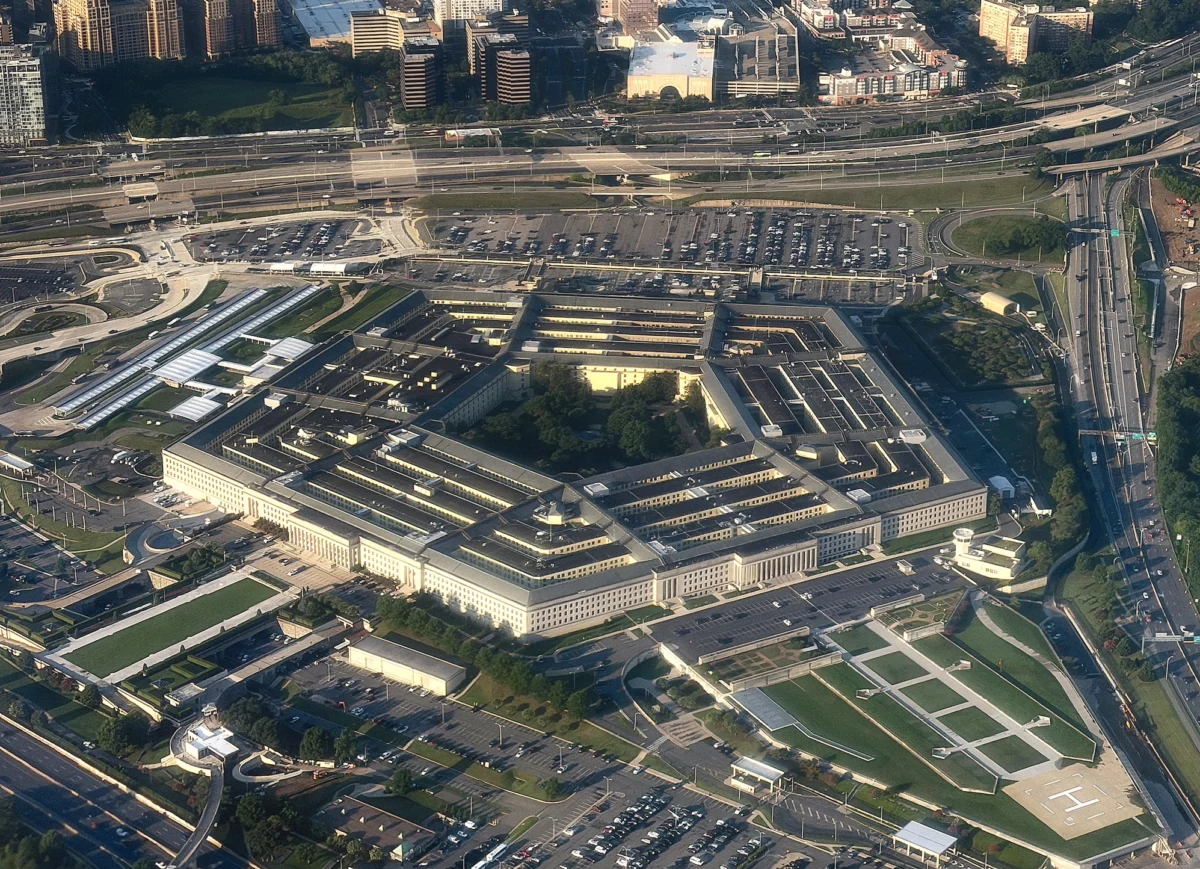
By Investigative Cyber Security Desk
Main Facts
In a sweeping security failure that underscores the persistent vulnerabilities within federal digital infrastructure, the United States government has begun issuing alerts to millions of current and former military service members. Officials are notifying them that their highly sensitive personal data was compromised during a months-long cyber security breach affecting the Pentagon’s core personnel records.
According to official disclosures, notifications, and media reports from outlets including CNN and Federal News Network, the incident stems from a critical security flaw in an unspecifed file-sharing system utilized by the Defense Manpower Data Center (DMDC). Unauthorized actors managed to exploit this vulnerability over a prolonged period, operating undetected between October 2025 and mid-July 2026.
The scope of the breach is staggering. Pentagon officials have confirmed that the incident impacts approximately 3.1 million individuals in total. This figure comprises roughly 2.8 million living people—including active-duty members, veterans, and civilian defense personnel—alongside nearly 300,000 deceased individuals whose historical records remained stored within the database.
The compromised data fields include core personally identifiable information (PII) that cybercriminals and foreign intelligence operations covet. Exposed records contained:
- Full legal names
- Social Security numbers (SSNs)
- Dates of birth
- Sex and race markers
- Detailed service-related records
Alarmingly, initial disclosures and shared notifications indicate that these massive tranches of sensitive personnel records were left unencrypted within the vulnerable file-sharing environment, providing frictionless access to any malicious actor who discovered the entry point.
Chronology of the Breach
Understanding the timeline of this security lapse reveals critical gaps in institutional oversight, showing how bad actors can harvest data over extended horizons without raising internal alarms.
- October 2025: Unauthorized users first discover and exploit a security vulnerability within an unencrypted file-sharing system managed or utilized by the DMDC. This marks the beginning of the months-long unauthorized data exfiltration window.
- October 2025 – Mid-July 2026: For roughly nine months, the intruders maintain covert access to the targeted file-sharing system, siphoning sensitive military personnel data without immediate detection by Department of Defense (DoD) security monitors.
- Mid-July 2026: The breach window officially closes, though the full extent of the exfiltration remains entirely unknown to internal cybersecurity teams at the time.
- Late September 2026: Details of the breach begin leaking to the public. A data breach notification originating from the DMDC surfaces on online forums such as Reddit, shared by concerned service members who received warning letters. Major news organizations, including CNN and Federal News Network, confirm the details through official Pentagon sources, revealing that more than 3 million records were compromised.
- Late September 2026: The incident breaks concurrently with other high-profile federal cyber incursions, most notably an aggressive hack at the Federal Bureau of Investigation (FBI) attributed to the notorious ShinyHunters hacking group.
Supporting Data and the Role of the DMDC
While the Defense Manpower Data Center may not possess the immediate public recognition of combat commands or high-profile intelligence agencies, it functions as the administrative backbone of the entire Department of Defense.
Operating behind the scenes, the DMDC maintains over 60 million active records encompassing U.S. military personnel, civilian staff, contractors, and their respective family members. The agency’s primary mandate is to process and determine complex benefits and entitlements, ranging from military healthcare (TRICARE) to retirement pensions and education stipends.
Furthermore, the DMDC operates as the Department of Defense’s leading identity management provider. In this capacity, the agency is tasked with linking active service members, civilian employees, and defense contractors to secure credentials—such as Common Access Cards (CACs), smart cards, and authentication passwords. These credentials serve as the digital and physical keys used to access secure Pentagon computer networks, classified communications systems, sensitive government buildings, and heavily guarded military bases worldwide.
The agency’s official online portal previously highlighted its high-stakes mission: "We make sure that the right people get access and the wrong people don’t: security of identity information is paramount." The recent exposure of unencrypted records, however, highlights a catastrophic failure to live up to this foundational security doctrine.
To contextualize the vast population affected by this single breach:
- Total U.S. Active-Duty Military: Approximately 1.3 million active service members (as of early 2026 data).
- Total Breach Victims: 3.1 million individuals, meaning the data compromise extends far beyond active ranks, swallowing up a massive legacy footprint of veterans, retirees, civilian contractors, and deceased service personnel.
Official Responses and Departmental Silence
In the wake of the public disclosures, the Department of Defense has scrambled to manage the fallout. Representatives from the Pentagon have issued guarded statements acknowledging the breach while attempting to downplay immediate threats to national security.
According to statements provided to technology publication TechCrunch, the Department of Defense asserted that it currently possesses “no indication that the information was misused.” However, cybersecurity experts and transparency advocates immediately flagged a glaring omission in the Pentagon’s narrative: officials failed to explain the methodology or telemetry behind how they reached this reassuring conclusion.
TechCrunch security journalists reached out directly to a primary Pentagon spokesperson, pressing for clarification on whether federal authorities had established direct communications with the hackers, or if any ransomware notes, extortion demands, or data-dump threats had been received. As of press time, the Pentagon has refused or failed to respond to these inquiries, leaving a vacuum of information that has only intensified anxiety among affected service members.
The identity of the hackers responsible for the DMDC breach remains entirely unknown. Unlike the concurrent FBI breach—where the ShinyHunters collective openly claimed responsibility and engaged with media outlets—no cybercriminal syndicate has publicly stepped forward to claim credit for exploiting the DMDC’s unencrypted file-sharing system. This absence of a known threat actor leaves investigators blind as to whether the intrusion was driven by financially motivated cybercriminals, corporate espionage groups, or advanced nation-state intelligence units.
Broader Implications and Historical Context
The Pentagon file-sharing breach does not exist in a vacuum. It represents the latest and perhaps most alarming entry in a catastrophic wave of cyber security incidents compromising the personal data of U.S. federal workers over recent months.
A Summer of Federal Hacks
Just weeks prior to the DMDC revelations, the FBI fell victim to a massive security incident. Hackers—identified by the bureau and security researchers as members of the ShinyHunters group—stole the personal data of a vast majority of FBI agents, administrative staffers, and job applicants. Security analysts quickly labeled the FBI incident a "counterintelligence disaster." The primary danger of such breaches lies in foreign intelligence services acquiring deep personal profiles on law enforcement and military personnel. Hostile actors can leverage this data to map out agency personnel, unmask undercover operatives, or systematically target, blackmail, and coerce federal workers into handing over classified state secrets.
Notably, in the wake of the FBI hack, Dutch police arrested a key suspect allegedly tied to ShinyHunters who was accused of plotting multiple murders, highlighting the violent, transnational nature of modern cybercrime syndicates. Despite the gravity of the FBI theft, ShinyHunters publicly stated their intention not to leak the stolen FBI records directly onto the open internet—though the private threat of backroom data trading remains high.
Echoes of the 2015 OPM Disaster
For veteran cybersecurity analysts, the DMDC and FBI breaches carry an unmistakable, chilling familiarity. The current wave of compromises directly mirrors the historic 2015 breach of the Office of Personnel Management (OPM), the human resources department for the U.S. civil service.
In the 2015 OPM incident—widely and formally attributed by U.S. intelligence officials to state-sponsored hackers operating out of China—malicious actors looted the private, highly sensitive background check records of more than 22 million current and former U.S. government employees. That breach famously compromised Standard Form 86 (SF-86) questionnaires, which contain exhaustive details regarding an applicant’s financial history, mental health records, foreign contacts, and personal indiscretions. Many of the victims held deep security clearances, giving foreign adversaries a comprehensive blueprint of the U.S. government’s human intelligence apparatus.
The parallels between 2015 and 2026 are striking. Once again, millions of individuals who took an oath to protect the United States find their most intimate personal identifiers—Social Security numbers, names, and service records—sitting exposed on foreign servers or circulating in the dark web economy due to institutional negligence, outdated file-sharing practices, and a systemic failure to enforce baseline encryption standards.
What Affected Service Members Should Do
As notifications continue to roll out via mail and digital channels, cybersecurity professionals advise all current and former military personnel, civilian employees, and contractors associated with the Department of Defense between late 2025 and mid-2026 to take immediate protective measures:
- Freeze Credit Reports: Contact the major credit bureaus (Equifax, Experian, and TransUnion) to place a formal security freeze on your credit profile, preventing unauthorized individuals from opening lines of credit in your name using exposed Social Security numbers.
- Monitor Financial Accounts: Routinely audit bank statements, credit card transactions, and retirement fund accounts for any anomalous or unauthorized activity.
- Be Vigilant Against Phishing: Because attackers possess detailed personal and service-related data, expect highly targeted, convincing phishing campaigns (via email, SMS, or phone) designed to trick victims into surrendering passwords, multi-factor authentication codes, or banking credentials.
- Enroll in Monitoring Services: Utilize any complimentary credit monitoring or identity theft protection services offered through the Department of Defense breach notification letters.
As federal agencies grapple with this cascading series of cyber disasters, pressure is mounting on Congress to enact sweeping, enforceable cybersecurity mandates across all branches of the federal government—ensuring that basic administrative safeguards, such as universal data encryption, are no longer treated as optional recommendations.
 Basiran
 rifanmuazin
