

In an era defined by rapid humanitarian shifts, the international community finds itself managing a volatile spectrum of crises and successes. From the desperate struggle for survival in Gaza to the courageous, life-threatening work of human rights defenders in Mexico, and the encouraging public health victories in Latvia, the global landscape remains deeply interconnected. This report synthesizes the latest developments across these critical sectors, examining the logistical nightmares in the Middle East, the failure of state protections in Latin America, and the tangible impact of evidence-based policy in Europe.
I. Gaza: A Humanitarian System Stretched to the Breaking Point
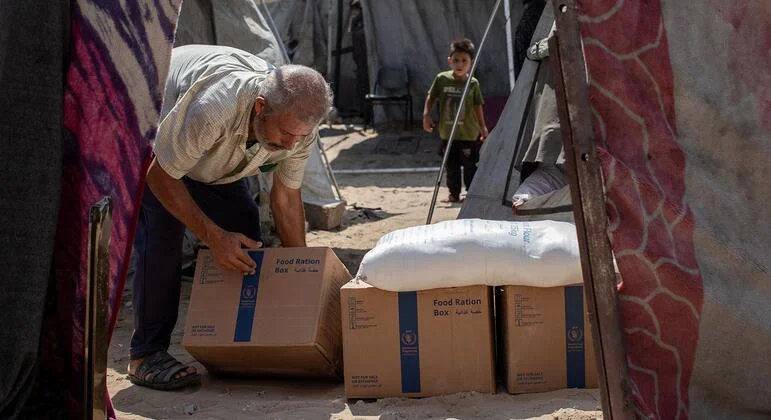
The humanitarian situation in Gaza has entered a precarious new phase as the winter season approaches. With flood-prone areas and war-damaged infrastructure posing an existential threat to hundreds of thousands, international aid partners are scrambling to secure safe shelter.
The Logistical Bottleneck
Since the beginning of the week, humanitarian organizations have been conducting assessments of potential sites for temporary relocation. The urgency is underscored by the vulnerability of over 450 existing displacement sites, which currently house approximately one-fifth of Gaza’s entire population. These sites are at high risk of flooding, yet relocating displaced families is not a simple task of logistics; it is a profound engineering and security challenge.
UN spokesperson Stéphane Dujarric has highlighted the severe obstacles to these efforts. Before any voluntary relocation can occur at scale, new sites must be cleared of unexploded ordnance—a lethal legacy of the ongoing conflict. Furthermore, the land requires significant preparation, including leveling sandy terrain and installing critical drainage, water supply, and lighting infrastructure.
The Land and Access Crisis
Perhaps the most daunting hurdle is the restricted access to 65 percent of Gaza’s land. With the remaining 35 percent of the territory already severely overcrowded, the lack of space for new shelters is pushing humanitarian capacity to its limit.
Compounding this, the supply chain for essential infrastructure equipment remains stalled. Aid agencies are waiting for further approvals from Israeli authorities to import heavy machinery, spare parts, and engine oil—all of which are required to prepare the ground for displaced families. Additionally, there is an urgent funding shortfall for fuel and shelter materials.
The Silent Crisis in Healthcare
Beyond the immediate threats of displacement and exposure, the health system is fraying. Local medical staff are currently receiving training to manage non-communicable diseases, yet the effort is hampered by chronic medicine shortages. Detection and treatment of chronic conditions, particularly cancer, have become nearly impossible. "Life-threatening gaps remain in specialized cancer care, including shortages of essential chemotherapy and radiotherapy supplies," Dujarric noted, emphasizing that the blockade is not only preventing physical aid but is also stifling the medical care required for long-term survival.
II. Mexico: The Deadly Cost of Seeking Justice
While the crisis in Gaza is a conflict-driven emergency, the situation in Mexico represents a profound institutional failure. Women who have taken it upon themselves to search for missing loved ones—victims of "forced disappearance"—are increasingly becoming the targets of the very violence they seek to investigate.
A Chronology of Targeted Attacks
The vulnerability of these searchers has been brought into sharp focus by a series of brutal incidents in the state of Sinaloa:
- 29 August: Human rights defender Elisa Altagracia Bonilla was reported disappeared. Simultaneously, Alma Rosa Rojo Medina, the founder of the collective Voces Unidas por la Vida, was subjected to a targeted attack alongside her daughter and two children.
- 1 September: Members of the collective Corazones Unidos por una Misma Causa were struck by a vehicle during a peaceful demonstration in Mazatlán, an act that appeared to be a deliberate attempt to intimidate the group.
This pattern of violence is not new. The same collective has been systematically harassed; member Rubí Gómez-Tagle was murdered earlier this year, and another member, María de los Ángeles Valenzuela, has been missing since October 2025.
Official Responses and State Negligence
Independent UN human rights experts have issued a scathing rebuke of the Mexican state. They argue that these women are performing a task that is, by law and moral obligation, the responsibility of the government. By failing to provide security, the State is effectively shifting the burden of justice onto the shoulders of grieving families.
"The work of these women constitutes a fundamental extension of their rights—the right to truth, justice, and reparations," the experts stated. The near-total impunity enjoyed by those who attack these defenders is, according to the UN, a tragic indicator of the State’s failure to protect human rights.
In response to the mounting pressure, the UN General Assembly has designated 19 December as the International Day in Recognition of Women Searchers for Disappeared Persons. While this diplomatic recognition is significant, the experts urge the Mexican government to move beyond symbolic gestures and provide tangible, life-saving protection to those searching for the missing.
III. Latvia: A Case Study in Public Health Success
In stark contrast to the challenges in Gaza and Mexico, Latvia provides a compelling example of how government policy can produce rapid, life-saving improvements in public health. By implementing a series of restrictive alcohol policies, the Latvian government has achieved a measurable decline in mortality rates in just a few months.
Data-Driven Progress
According to data verified by the World Health Organization (WHO), deaths directly attributable to heavy drinking in Latvia have plummeted by 27 percent. This decline is specifically observed in deaths related to alcohol poisoning, liver disease, and acute pancreatitis—all conditions that are highly correlated with chronic, heavy alcohol consumption.
The Policy Framework
The success in Latvia is attributed to a comprehensive strategy aimed at making alcohol less available and less visible in daily life. Key measures include:
- Reduced Availability: Tightening the operating hours during which alcohol can be sold.
- Digital Regulation: Banning instant delivery services for online alcohol purchases.
- Marketing Restrictions: Prohibiting alcohol promotions and sales within gambling venues.
Karina Zalite, head of the WHO Country Office in Latvia, praised these measures, noting that they challenge the normalization of alcohol in society. "Alcohol is everywhere in our lives," she remarked. "It’s at celebrations, in sport, at the checkout counters and stores. It’s easy to forget what it really is: an addictive substance and one linked to at least seven types of cancer."
Global Implications of the Latvian Model
The Latvian experience serves as a powerful reminder of the impact of regulatory oversight on public health. With alcohol-related illnesses responsible for approximately 800,000 deaths across Europe annually, the WHO is holding up Latvia’s progress as a blueprint for other nations. By treating alcohol not merely as a commercial commodity but as a significant health risk factor, Latvia has demonstrated that systemic policy changes can protect the population, reduce the burden on healthcare systems, and ultimately save thousands of lives.
IV. Conclusion: Navigating a Complex World
The stories presented here—the logistical struggle for survival in Gaza, the fight for justice amidst violence in Mexico, and the successful regulation of addictive substances in Latvia—highlight the diverse roles of government and the international community.
In Gaza, the focus must shift to securing the land and resources necessary for basic human dignity. In Mexico, the onus is on the State to reclaim its responsibility and end the culture of impunity that threatens the lives of those seeking the truth. And in Latvia, the world sees a victory for evidence-based policy, proving that when governments act decisively on behalf of public health, the results can be immediate and profound.
These three disparate scenarios underscore a singular truth: whether through humanitarian intervention, the enforcement of human rights, or the implementation of public health policy, the quality of human life is inextricably linked to the actions of the institutions meant to serve it. As the world moves forward, the lessons from these crises and successes will be essential in shaping a more stable, just, and healthy global future.
 Basiran
 Nana Muazin
 Azzam Bilal Chamdy
