Published by Valentina Di Liscia Special Cultural Review & Industry Roundup
Introduction: Navigating a Chaotic Cultural Landscape
The global art world is experiencing a profound generational and institutional turnover. From historic leadership changes at some of the world’s most prestigious museums and residency programs to the celebration of boundary-pushing Indigenous creators, the contemporary cultural sector is actively redefining its parameters.
Published weekly, Art Movements tracks the vital pulse of the international arts community, spotlighting major career developments, curatorial shake-ups, institutional milestones, and critical recognitions. As museums and cultural nonprofits face a shifting sociopolitical and economic landscape, the decisions made today by boards, directors, and artists will shape the trajectory of art history for decades to come.
This week’s roundup examines the monumental transition at Yaddo, the celebration of Rose B. Simpson in Santa Fe, Ann Temkin’s legacy-defining pivot at the Museum of Modern Art (MoMA), and an unexpected curatorial pairing that promises to disrupt how we view Pop Art icon Roy Lichtenstein.
Main Facts: Key Developments Across the Art Sector
The past week has delivered a flurry of headline-making news across the United States arts infrastructure. The core developments reshaping the institutional landscape include:
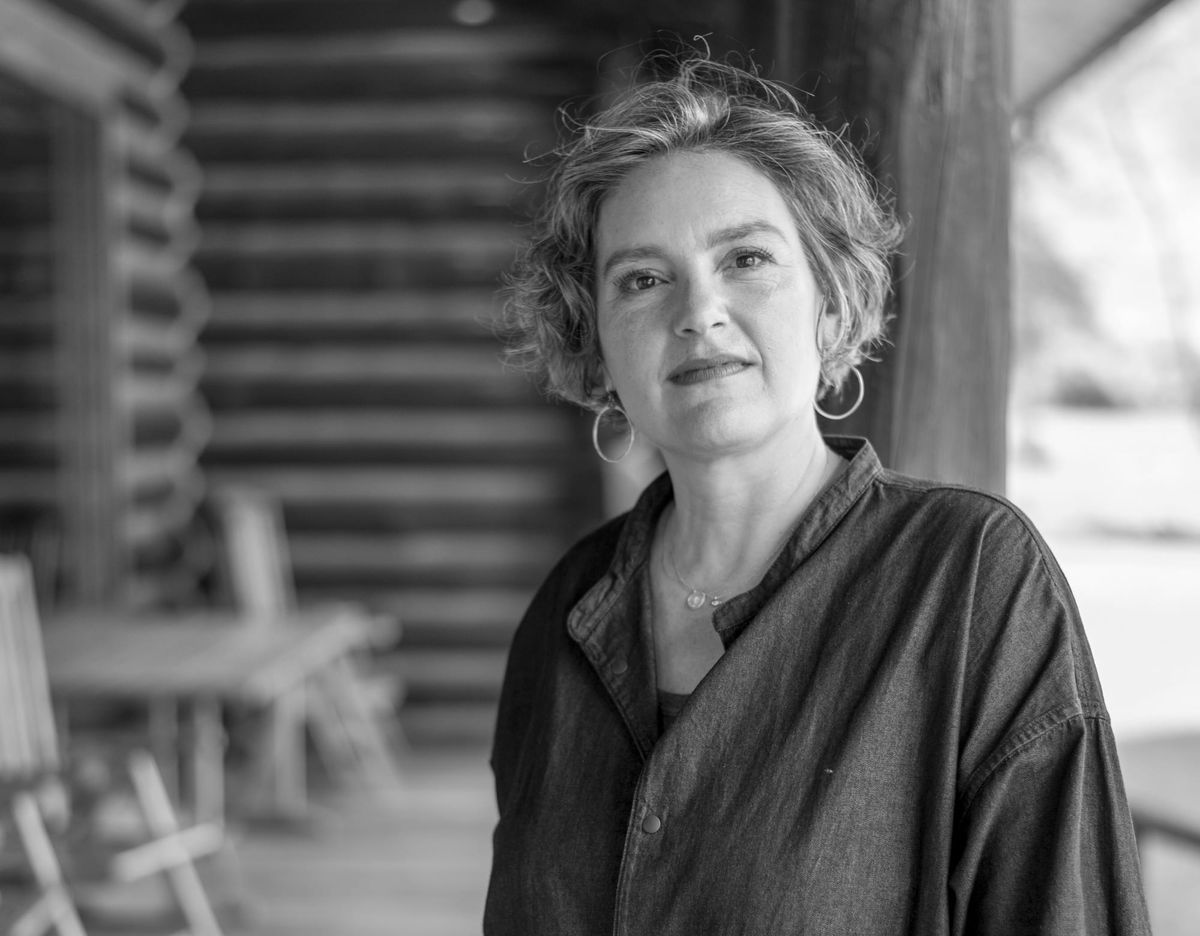
Yaddo’s New Leadership: Cyra Levenson, currently the deputy director of Learning and Engagement at the Solomon R. Guggenheim Museum and Foundation, has been appointed as the next president of Yaddo. She succeeds Elaina Richardson, who guided the legendary Saratoga Springs artist residency for 26 years.
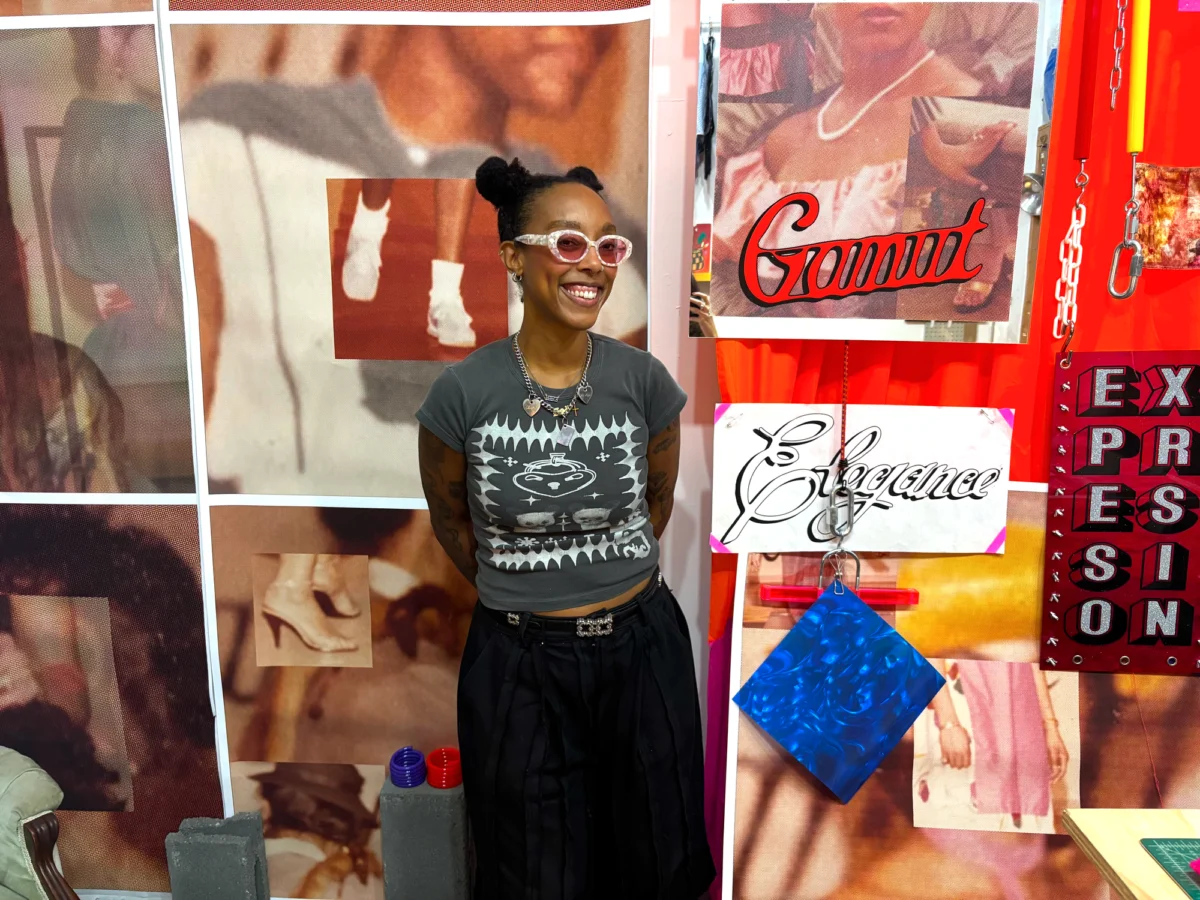
Civic Honors for Rose B. Simpson: Multidisciplinary artist Rose B. Simpson (Santa Clara Pueblo) has been awarded the Santa Fe Mayor’s 2026 Award for Excellence in the Arts. The honor recognizes her profound impact on sculpture, community mentorship, and cultural preservation.
Ann Temkin Steps Down at MoMA: After a transformative tenure, MoMA’s chief curator of Painting and Sculpture, Ann Temkin, is stepping down from her primary post in January. She will transition into an advisory role to helm programming for the museum’s upcoming centenary in 2029.
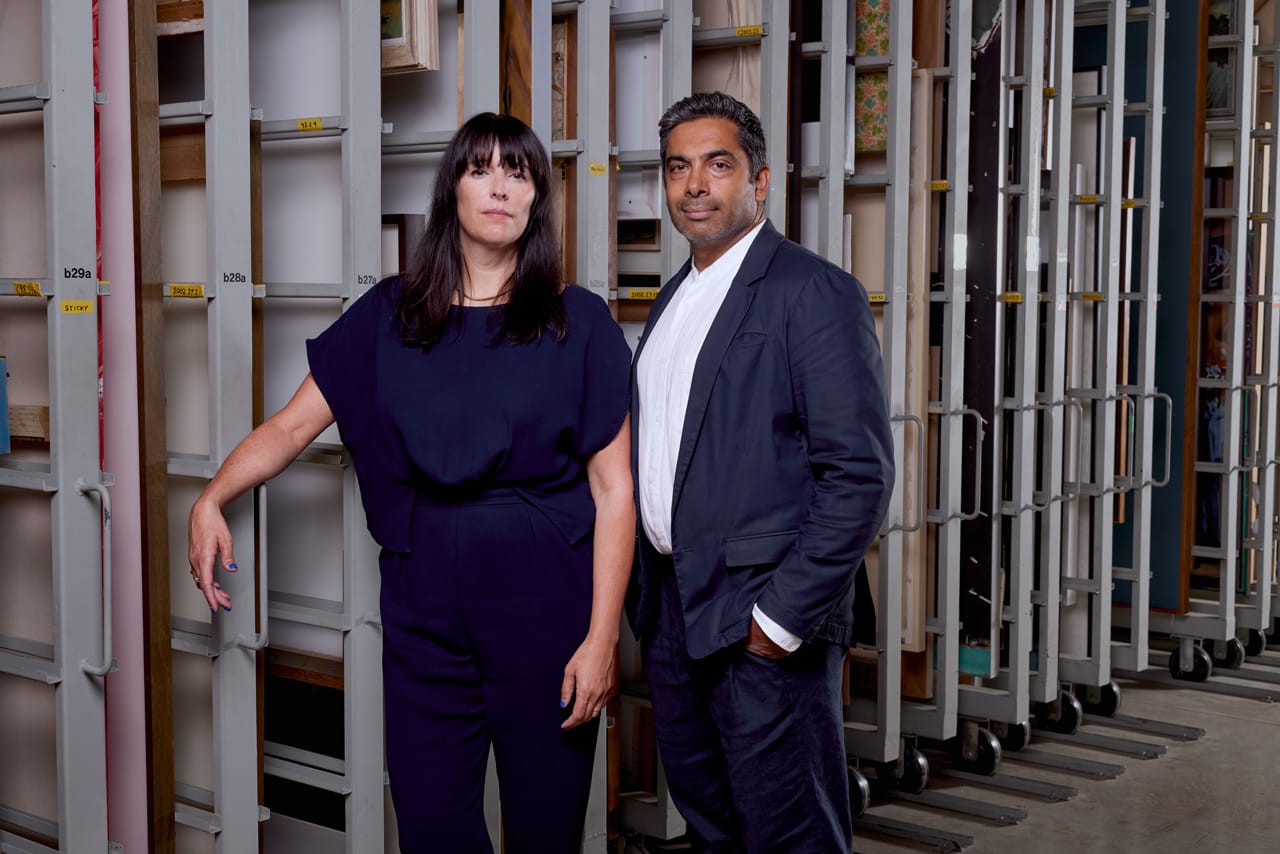
The Lichtenstein x Da Corte Collaboration: The Whitney Museum of American Art is preparing to launch a major retrospective of Pop Art pioneer Roy Lichtenstein, co-curated by contemporary installation and video artist Alex Da Corte. Da Corte will also deliver the museum’s annual Walter Annenberg Lecture on October 29.
Chronology of Recent Events: Milestones in Institutional Evolution
To understand the weight of these current appointments and honors, it is helpful to place them within the broader timeline of recent cultural developments:
Late 2025: Artist Rose B. Simpson publishes an impassioned opinion piece in Hyperallergic, fiercely defending the Institute of American Indian Arts (IAIA) against proposed federal funding cuts under the Trump administration, highlighting the fragility and necessity of Indigenous educational spaces.
September 2026: The New York Times breaks the news that Ann Temkin will step down as MoMA’s chief curator of Painting and Sculpture, ending a definitive era of exhibition-making that featured retrospectives on Jasper Johns, Robert Ryman, and Marcel Duchamp.
September 13, 2026: Aruna D’Souza’s profile in the New York Times reveals contemporary artist Alex Da Corte’s unconventional approach to co-curating the upcoming Roy Lichtenstein retrospective at the Whitney Museum.
September 28, 2026: Further details emerge regarding Temkin’s transition into her new advisory role, cementing her responsibility for mapping out MoMA’s 2029 centennial celebrations.
October 2026: Cyra Levenson is officially announced as the incoming president of Yaddo, stepping into the role as the historic multidisciplinary residency program enters its second century of operation.
Supporting Data: The Figures and Backgrounds Behind the Headlines
A closer examination of the individuals and institutions involved reveals the deep systemic shifts occurring across the arts ecosystem.
Yaddo’s Centennial Handover
Founded in 1900 by financier Spencer Trask and his wife, poet Katrina Trask, Yaddo has long stood as a sanctuary for writers, composers, and visual artists. Over the past century, its sprawling estate in Saratoga Springs, New York, has hosted thousands of creative fellows who have collectively won dozens of Pulitzer Prizes, MacArthur Fellowships, and National Book Awards.
Elaina Richardson’s 26-year tenure as president stabilized the institution financially and expanded its reach. Now, Cyra Levenson steps in with a background rooted deeply in educational equity and public engagement. Having previously spent time at the Yale Center for British Art before her tenure at the Guggenheim, Levenson’s appointment signals a growing institutional desire to connect elite artist residencies with broader, more diverse public audiences.
Rose B. Simpson’s Pueblo Roots
Rose B. Simpson works primarily in ceramic, mixed media, and life-sized figurative sculpture. Her art deeply engages with her heritage as a member of the Santa Clara Pueblo in New Mexico. Simpson’s work explores post-apocalyptic themes, ancestral memory, and the somatic weight of trauma and healing. Her recognition via the Santa Fe Mayor’s Award is not merely a testament to her technical skill, but to her tireless advocacy for institutional accountability regarding Indigenous art, education, and representation.
Ann Temkin’s Curatorial Footprint at MoMA
Ann Temkin took the helm of MoMA’s Department of Painting and Sculpture in 2008, following a successful stint at the Philadelphia Museum of Art. During her nearly two-decade tenure, she oversaw a recalibration of how modern and contemporary art is displayed, striving to make the museum’s narrative more globally inclusive while preserving its modernist canon. Her shift toward directing MoMA’s 2029 centennial ensures that the institution’s historical memory remains tethered to one of its most steadfast modern stewards.
Official Responses and Public Statements
Leaders from across the cultural spectrum have offered insights into what these transitions mean for the future of the arts.
Reflecting on her new appointment at Yaddo, Cyra Levenson emphasized the vital societal role of creators:
"For 100 years Yaddo has been dedicated to creative people, to practice and to the magic that happens in community. Artists have a unique ability to see what doesn’t yet exist and to metabolize what is happening in the world in ways that others can digest and gain nourishment from."
In her previous writings regarding the defense of Indigenous arts education—sentiments that underscored her recent Santa Fe Mayor’s Award win—Rose B. Simpson articulated the philosophy driving her community leadership:
"I believe in the power of offering Indigenous people opportunity and space for investigation — both personal and communal. I believe in the power of collective strength to lift the voice of our people, to claim our rightful position as leaders of creativity and aesthetic expression."
Discussing his unorthodox perspective on curating a titan of Pop Art, Alex Da Corte explained his motivation for partnering with the Whitney Museum on the Roy Lichtenstein retrospective:
"So, for me, it felt urgent to ask, as an artist, how would I want my work to be considered and reconsidered when everyone thinks they know everything about it?"
Implications: What These Shifts Mean for the Future of Art
The convergence of these events points to several broader trends within the contemporary art world:
The Democratization of Institutional Leadership: The appointment of leaders like Cyra Levenson at Yaddo—whose backgrounds are heavily anchored in public engagement, learning, and accessibility—suggests that cultural nonprofits are prioritizing community-building over traditional, insular administrative models.
Amplifying Marginalized Narratives at Scale: Honors bestowed upon artists like Rose B. Simpson demonstrate that municipalities and cultural bodies are increasingly validating artists who blend studio practice with systemic advocacy. As Indigenous artists demand institutional equity, their leadership is becoming foundational to local and national arts policies.
The Re-examination of Canons: The collaboration between Alex Da Corte and the Whitney Museum on a Roy Lichtenstein retrospective highlights a growing curatorial trend: inviting contemporary artists to deconstruct and re-curate historical canons. This cross-generational dialogue breathes new life into over-familiar bodies of work, challenging audiences to look past surface-level recognition and engage with deeper conceptual underpinnings.
Navigating Generational Turnover: With major figures like Ann Temkin shifting out of core curatorial roles at institutions like MoMA, museums are entering a period of generational transition. How these institutions choose to fill these power vacuums will determine whether they continue down a path of radical self-critique and global inclusivity or retreat to safer, more traditional Eurocentric histories.
As these appointments take effect and upcoming exhibitions open their doors, the art world watches closely, recognizing that the decisions made in these boardrooms and studios today will dictate the cultural values of tomorrow.



 Nana
Nana
 Raul Delapena Setiawan
 Muslim
