

October brings a dramatic seasonal pivot, merging the twilight of summer with profound meditations on history, cosmic surrender, and the future of global cultural institutions.
Main Facts: A Season of Metamorphosis and Reckoning
As the calendar turns to October, the global art world finds itself navigating a dense, contemplative landscape defined by endings, beginnings, and cyclical histories. Marking the denouement of the year, cultural institutions, critics, and artists are leaning heavily into themes of transformation.
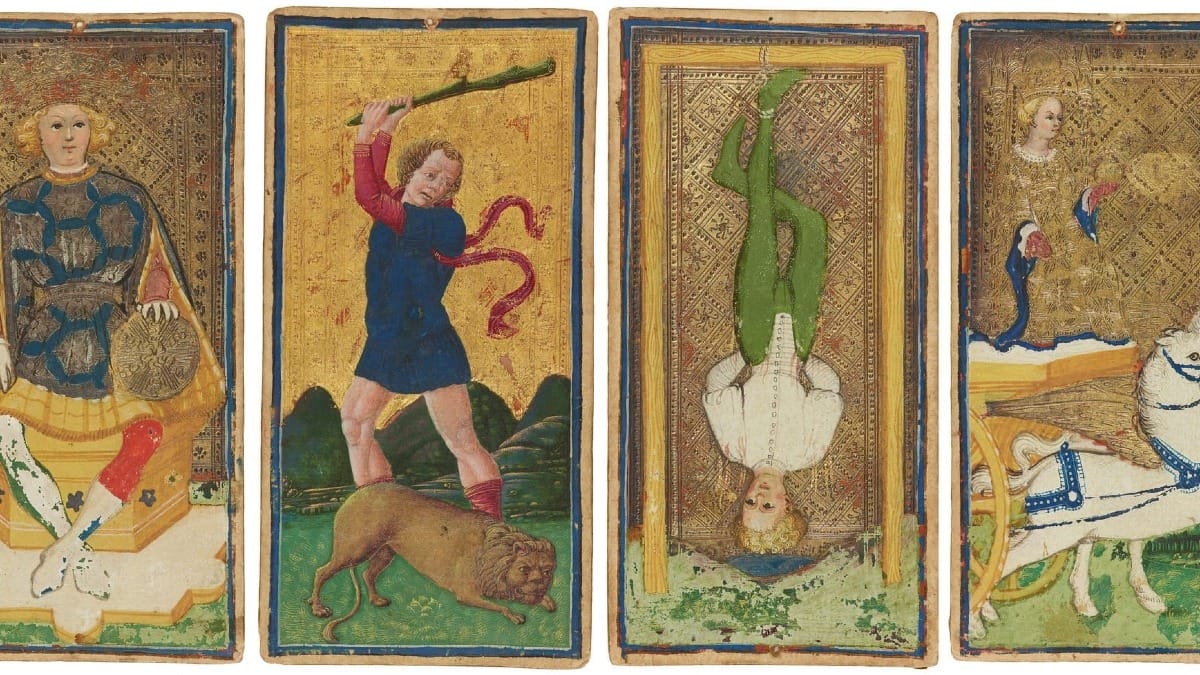
At the forefront of this seasonal shift is Hyperallergic’s Fall Equinox Art Tarotscope, curated by AX Mina. Blending centuries of esoteric tradition with contemporary political anxiety, the tarot reading offers a collective prognosis for the arts sector, boldly predicting that many of the world’s current geopolitical conflicts and systemic uncertainties will have played out by the close of the year. While the universe carries no formal guarantees, the sentiment captures an underlying industry-wide obsession with fate, cycles, and cosmic alignment.
Simultaneously, major galleries and museums are redefining their physical spaces to match this somber, reflective mood. In Chelsea, Aicon Art officially transitions into AINA Gallery on October 1, launching its inaugural exhibition, Other Stories — A Genealogy for the Present, which celebrates modern and contemporary non-Western art. Meanwhile, conceptual and multimedia installations across New York—such as Johanna Hedva’s exhibition at the Center for Art, Research and Alliances (CARA)—are directly incorporating the passage of time into their structural presentations. Hedva’s exhibition opens with an ominous yet poetic gesture: a giant vial slowly dripping viscous, ink-black liquid onto the gallery carpet, functioning as a dark, oversized hourglass measuring the exact lifespan of the show.

Chronology: Milestones Shaping the Autumn Cultural Calendar
The transition from the "soupy summer" of New York City into the crisp, darker nights of autumn has triggered a rapid sequence of gallery openings, restitutions, and institutional rebranding:
- Late Summer: Visitors flock to the Morgan Library & Museum to view its landmark tarot exhibition, exploring 500 years of card design and tracing the enduring relevance of divination systems among modern artists and practitioners alike.
- October 1: Aicon Art officially re-emerges in Chelsea as AINA Gallery, signaling a renewed institutional focus on non-Western genealogies with its inaugural exhibition, Other Stories — A Genealogy for the Present.
- Early October: Hyperallergic publishes its Fall Equinox Art Tarotscope, projecting a timeline where major global and institutional tensions reach a head by December.
- Ongoing Exhibitions:
- Senior Editor Valentina Di Liscia highlights Derriann Pharr’s evocative multimedia works at the Studio Museum, capturing sweeping, cinematic passages of trauma, metamorphosis, and rebirth.
- John Yau reviews a complex, multi-artist exhibition at the New York Studio School featuring Brenda Goodman, Steve DiBenedetto, and Bendix Harms.
- Johanna Hedva’s time-based installation at CARA continues to count down its exhibition window via dripping black ink.
- Institutional & Regional Events:
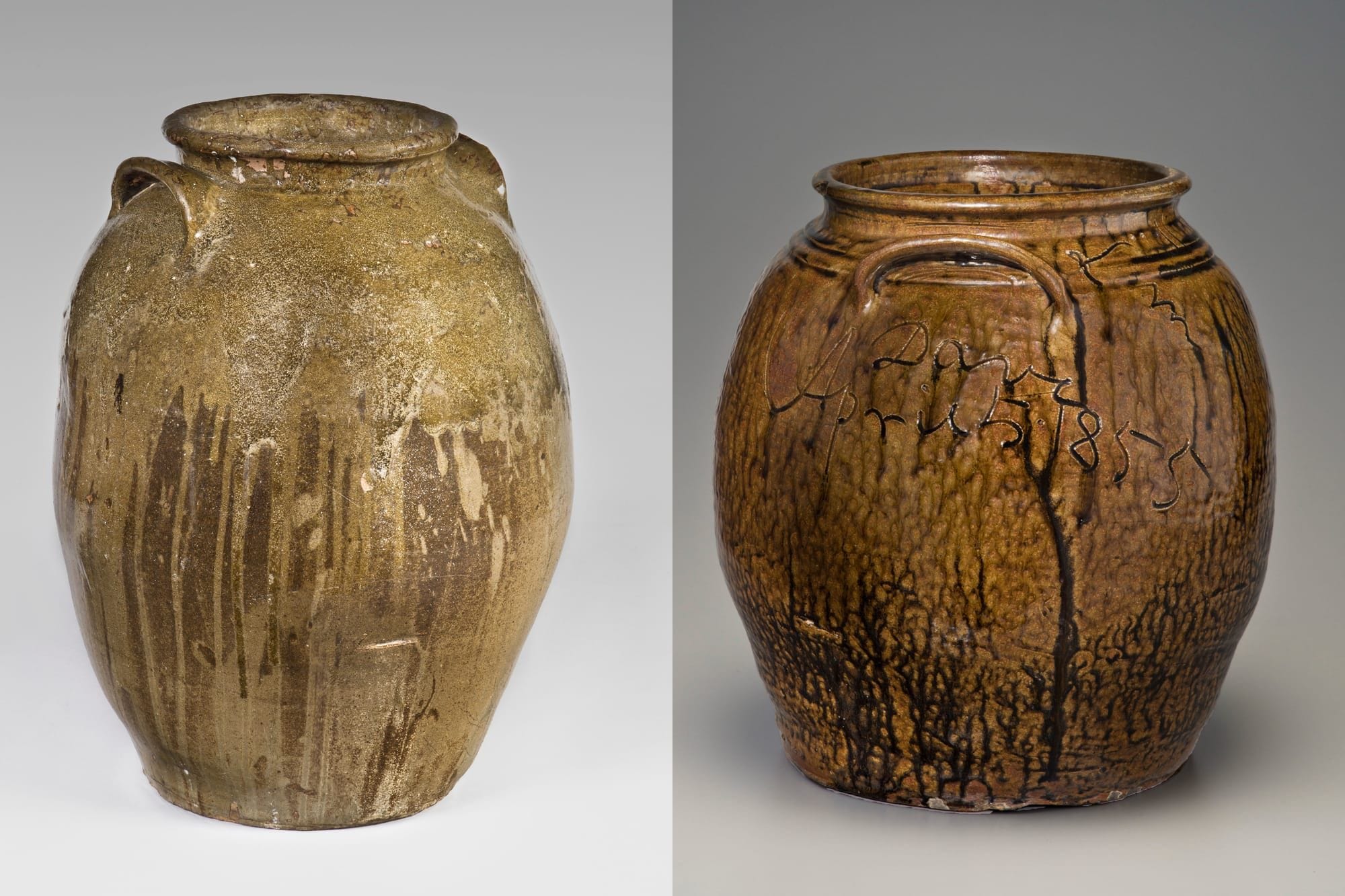
- The Milwaukee Art Museum formally returns two historic alkaline-glazed storage jars to the descendants of the legendary enslaved potter and poet David Drake (Dave the Potter).
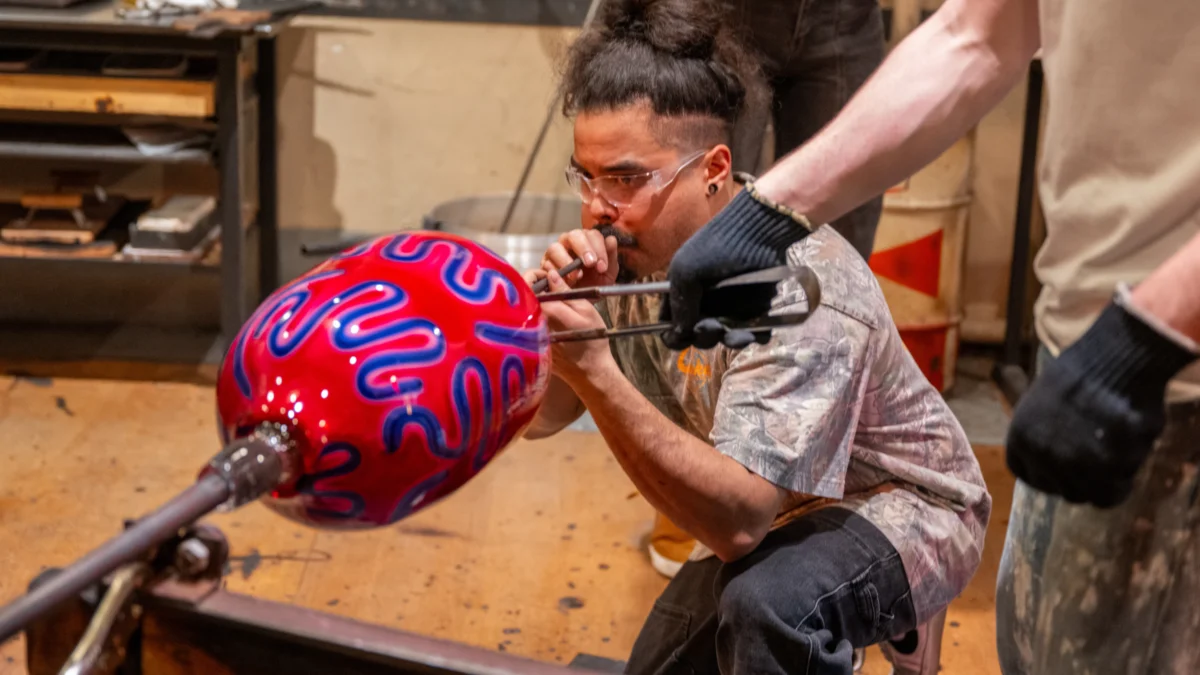
- Seattle prepares for its premier glass art festival, Refract, celebrating its "Year of Celebration" theme with open studios, live demonstrations, and milestone anniversaries.
- Preview announcements highlight upcoming exhibitions exploring Edmonia Lewis’s historic ties to Montana, alongside academic spotlights such as the University of Michigan Stamps School of Art & Design’s Master of Design (MDes) program.
Supporting Data and Institutional Highlights
The breadth of this season’s cultural output highlights a robust engagement with historical recovery, material mastery, and interdisciplinary design.
1. Restitution and Historical Recognition
The Milwaukee Art Museum’s return of two salt-glazed stoneware jars created by David Drake—the 19th-century enslaved African American master potter from Edgefield, South Carolina—underscores an ongoing reckoning within museum collections. Drake’s vessels, celebrated as masterworks of American art and inscribed with his distinctive poetic couplets, carry immense material and genealogical value. Returning these works to his descendants reflects a broader museum industry trend toward ethical repatriation and direct acknowledgment of ancestral property rights.
2. Regional Festivals and Educational Innovation
- The Seattle Glass Experience (Refract): Returning this October, Seattle’s marquee glass festival anchors the Pacific Northwest’s creative economy. Featuring open studios, anniversary milestones, and live public demonstrations, the festival highlights the region’s enduring dominance in contemporary glass sculpture.
- University of Michigan MDes Program: In the academic sphere, institutions are reshaping creative curricula to address complex systemic challenges. The Stamps School’s Master of Design program emphasizes community engagement, critical making, and interdisciplinary problem-solving, preparing a new generation of designers to navigate societal turbulence.
3. Critical Frameworks and Visual Arts
Critics this season are parsing intricate visual genealogies. John Yau’s astute analysis of Brenda Goodman, Steve DiBenedetto, and Bendix Harms at the New York Studio School demonstrates a vital critical engagement with psychological abstraction and idiosyncratic painterly threads. Concurrently, new scholarship and artistic explorations—such as upcoming retrospectives on Edmonia Lewis, the pioneering 19th-century sculptor of Ojibwe and African American descent, and her Montana connections—continue to correct historical omissions in the American canon.
Official Responses and Curatorial Statements
Curators and critics have increasingly leaned into poetic and philosophical frameworks to contextualize contemporary creative production against a backdrop of global uncertainty.
Reflecting on the psychological weight of the current exhibition season, AX Mina noted in the Fall Equinox Art Tarotscope:
"At the twilight of New York City’s characteristically soupy summer, I had a chance to visit the Morgan Library’s amazing tarot show, which offers 500 years of perspective on a deck system that still feels so contemporary… As the long nights of fall begin, I can sense that major waves of change on the political front are on the horizon. By December, many of the conflicts and uncertainties we see today will have had a chance to play out on the world stage."
Describing the emotional resonance of Derriann Pharr’s multimedia presentations at the Studio Museum, Senior Editor Valentina Di Liscia observed:
"These variegated passages unfurl in sweeping motions, as in a flashback or a vision, rendering the cycles of trauma, metamorphosis, and rebirth as both transient and everlasting."
Furthermore, the rebranding of Aicon Art to AINA Gallery marks a deliberate institutional shift. In their opening statement for Other Stories — A Genealogy for the Present, gallery organizers emphasized a commitment to dismantling Eurocentric art historical hierarchies by centering non-Western modernisms and transnational dialogues within the competitive Chelsea gallery ecosystem.
Implications for the Art World and Society
The confluence of esoteric framing, historical restitution, and rigorous critical analysis this October points to several deeper implications for the cultural sector:
- The Rise of Eco-Temporal and Time-Based Conceptualism: Installations like Johanna Hedva’s dripping ink-vial at CARA suggest a growing artistic desire to materialize the passage of time directly within gallery spaces. In an era marked by rapid digital consumption and political urgency, physical works that visibly decay, count down, or transform offer viewers a visceral anchor in the present moment.
- Decolonial Accountability as Standard Practice: The repatriation of David Drake’s pottery by the Milwaukee Art Museum and the establishment of AINA Gallery demonstrate that museums and commercial spaces alike can no longer operate in a historical vacuum. Audiences increasingly demand transparency, ethical provenance tracking, and the elevation of historically marginalized narratives—from enslaved master artisans to 19th-century sculptors like Edmonia Lewis.
- Art as a Coping Mechanism for Global Anxiety: As political polarization and international conflicts weigh heavily on the collective psyche, the art world is actively utilizing exhibitions, performance, and even divination frameworks (such as tarot-infused art criticism) to process collective trauma. By framing uncertainty through the lens of seasonal cycles, curators and critics provide communities with a shared vocabulary to confront the dark nights of both the world and the soul.
 Basiran
 Muslim
 Evan Lee Salim
