

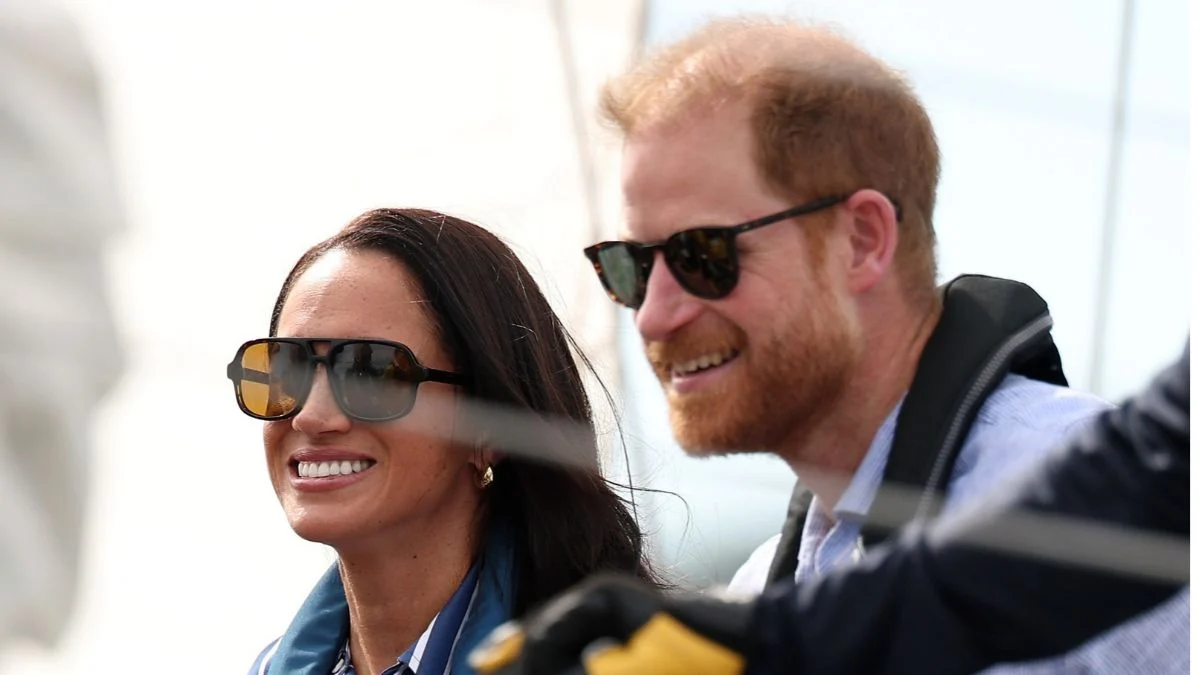
Introduction: A New Chapter in the Cotswolds
The Duke and Duchess of Sussex, Prince Harry and Meghan Markle, have embarked on a significant life transition, marking their return to the United Kingdom after several years of residing in Montecito, California. This relocation, which sees the family establishing a new base in the tranquil Cotswolds, represents a major pivot in their domestic life. As the couple navigates the complexities of re-integrating into British life with their children, Prince Archie and Princess Lilibet, they have found themselves under the microscope of public interest. Amidst the logistical hurdles and the emotional weight of such a move, experts are weighing in on how the couple can maintain family stability and marital cohesion.
Main Facts: The Sussex Relocation
The return of the Sussex family to the UK is not merely a change of address; it is a fundamental shift in their family dynamic. After departing the UK in 2020—a move that dominated global headlines—the family spent formative years building a life in the United States.
The current relocation to the Cotswolds, an area renowned for its privacy and picturesque landscape, provides a stark contrast to the high-visibility lifestyle of Southern California. For Prince Harry and Meghan, the primary focus remains the well-being of their children. The transition involves not only physical relocation but also the challenge of integrating Archie and Lilibet into a British environment after their early developmental years were spent abroad.
Chronology: The Journey from Montecito to the Cotswolds
The trajectory of the Sussexes’ life over the past four years has been defined by rapid change and calculated decisions:
- Early 2020: The Duke and Duchess announce their intention to step back as senior working members of the Royal Family, subsequently moving to North America.
- 2020–2023: The family settles in Montecito, California. During this period, Prince Archie and Princess Lilibet grow up in a private, sun-drenched environment, largely shielded from the immediate pressures of the British press.
- Late 2023/Early 2024: Discussions regarding a return to the UK gain momentum. Reports surface suggesting the family is seeking a base within Britain to maintain ties with Harry’s home country.
- September 2024: The children are initially enrolled in a British educational institution, signaling the start of their re-integration into the UK school system.
- October–November 2024: Following logistical and security challenges regarding school commutes, the family adjusts their educational plans, and the move to the Cotswolds is solidified.
Expert Insight: The Psychology of Transition
In an exclusive commentary for Gloucestershire Live, relationship expert Georgina Vass has provided a roadmap for how the Duke and Duchess can manage this period of volatility. According to Vass, the success of the move hinges on "modelling adaptation through honest communication."
The Importance of Honest Communication
Vass emphasizes that children are highly perceptive to their parents’ stress levels. By openly discussing "the hurdles, complicated feelings, and exciting opportunities" associated with the move, Harry and Meghan can validate their children’s experiences rather than masking them. This transparent approach, Vass argues, prevents the accumulation of unspoken anxieties that often manifest as behavioral shifts in young children.
Establishing the "Anchor" of Routine
The expert further advocates for the implementation of strict, predictable routines. In a time where surroundings have changed—from the climate and culture of California to the distinct atmosphere of the English countryside—consistency acts as a psychological anchor.
- Schooling: Regular, stress-free attendance is paramount.
- Domestic Life: Maintaining consistency in meal times and bedtime rituals creates a sense of "home" regardless of the physical structure the family inhabits.
- Weekends: Structured downtime allows the children to associate the UK with stability rather than constant disruption.
Educational Logistics: The Schooling Hurdle
One of the most publicized aspects of the family’s return has been the challenge of finding the right educational environment. In September, the Sussexes registered Archie and Lilibet at a private British school. However, within weeks, it was confirmed that the children had been withdrawn.
The Role of Security and Infrastructure
The primary driver for this change was not academic, but logistical. The route to the initial school was plagued by heavy rush-hour traffic, which significantly extended travel times. For a high-profile family for whom security is a non-negotiable concern, long periods of stationary transit in heavy traffic present a significant vulnerability.
While the school’s name remains confidential—a decision made for the safeguarding of the students—the move reflects the reality of the Sussexes’ existence: their movements are governed by a complex web of security protocols that the average family does not have to consider. The shift to a new educational setting is indicative of their ongoing efforts to balance personal privacy with the necessity of a conventional upbringing for their children.
Relationship Resilience: Strengthening the Bond
Georgina Vass’s advice extends beyond parenting; she addresses the strain that relocation places on a marriage. Moving homes is consistently ranked as one of life’s most stressful events, even without the added layer of global media scrutiny.
Navigating Disagreements
Vass suggests that Harry and Meghan should view their relationship as a collaborative team effort. By sharing their disappointments regarding the move—such as the frustrations of the school search or the loss of their California lifestyle—they foster deeper trust. "Relationships strengthened by adversity can develop greater resilience," Vass notes. The goal is to move from a place of "surviving" the transition to "thriving" within it, using the shared experience of the move to reinforce their partnership.
Implications: A New Era for the Sussexes
The return to the UK carries significant implications for the couple’s public and private standing.
Privacy vs. Public Interest
Despite the move to a more secluded part of the UK, the Sussexes continue to attract intense public interest. Their desire for a "normal" family life in the Cotswolds is constantly at odds with their status as global figures. Every logistical pivot, from a change in schools to a change in residence, is analyzed for deeper meaning.
Long-term Stability
The decision to prioritize the Cotswolds suggests that the couple is looking for a long-term solution to the "UK question." By establishing roots, they are signaling a desire for a life that is less nomadic than their previous years. The success of this endeavor will likely depend on their ability to set boundaries, maintain the routines recommended by experts, and navigate the delicate balance between their duties and their domestic happiness.
Conclusion: Looking Ahead
Prince Harry and Meghan Markle are in the midst of a delicate, high-stakes transition. By leaning into the advice of experts like Georgina Vass—prioritizing honest communication with their children and maintaining a united front—they are taking the necessary steps to ensure that Archie and Lilibet can adjust to their new environment with minimal disruption.
As they settle into the Cotswolds, the world watches on, not just for the next royal update, but for the universal story of a family trying to find its place in a changing world. Their journey serves as a reminder that even for the most famous individuals, the fundamental pillars of a successful life—resilience, communication, and routine—remain the same. The coming months will be telling as to how well this transition holds, but for now, the Sussexes remain committed to carving out a private sanctuary within the public eye.
 Asep Darmawan
 Muslim
