

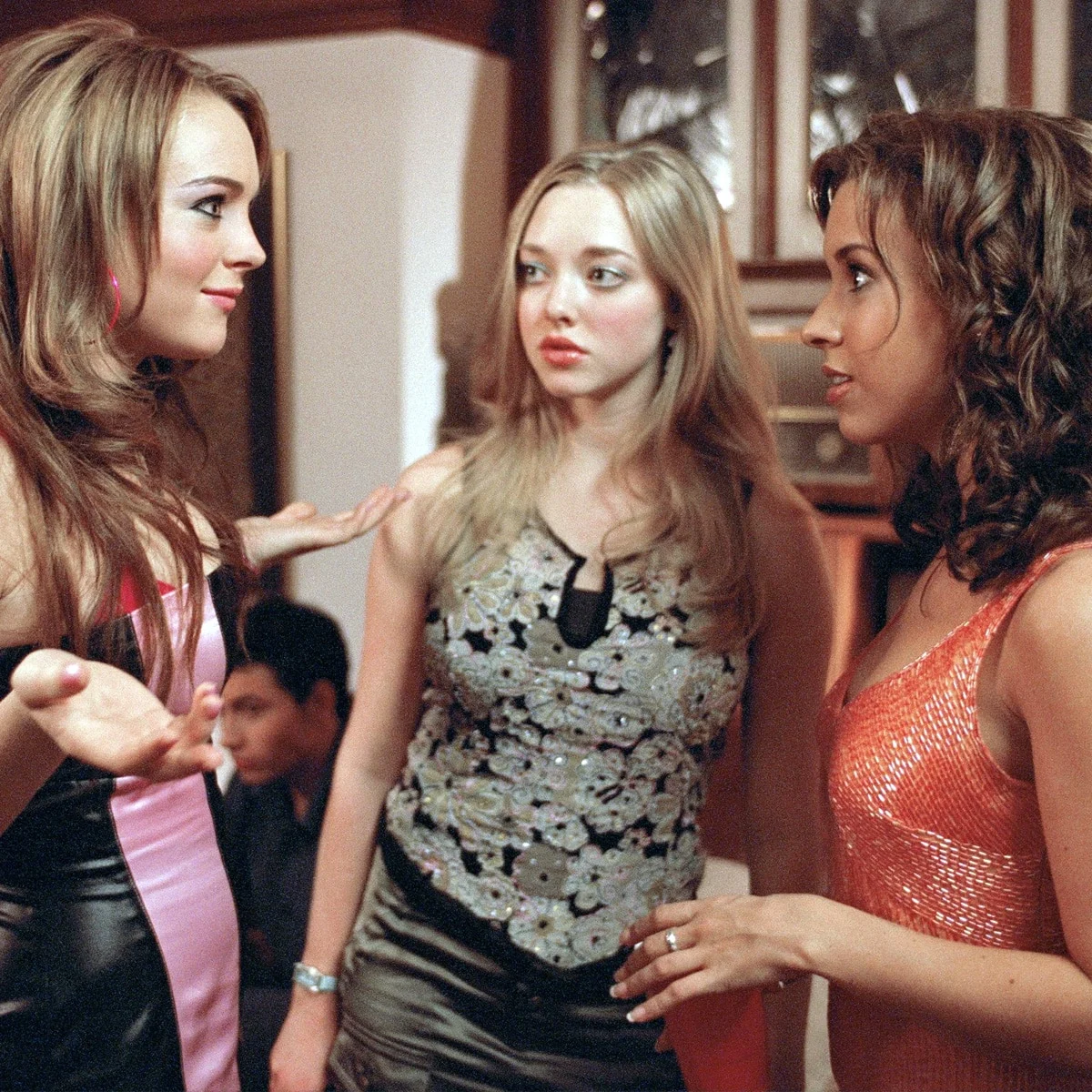
It has been two decades since the hallways of North Shore High School first graced the silver screen, yet the cultural lexicon of our society remains permanently altered by the sharp, satirical wit of Mean Girls. Since its theatrical debut on April 30, 2004, Tina Fey’s adaptation of Rosalind Wiseman’s self-help guide, Queen Bees and Wannabes, has evolved from a mid-budget teen comedy into a foundational pillar of modern pop culture.
While fans annually celebrate October 3—the date Aaron Samuels famously asked Cady Heron what day it was—the film’s legacy extends far beyond a single calendar day. It launched the careers of global superstars, gave us a language of quotable quips, and forced a generation to confront the darker, often hilarious undercurrents of high school social hierarchies. As we look back on 20 years of "fetch," it is clear that the limit to our obsession with this film simply does not exist.
The Genesis of a Modern Classic: Main Facts
When Mean Girls entered development, the landscape of teen cinema was dominated by raunchy, male-centric comedies. Tina Fey, fresh from her tenure as the head writer of Saturday Night Live, sought to translate the sociological observations of Wiseman’s non-fiction work into a narrative format. The result was a film that felt both biting and authentic.
The project was helmed by director Mark Waters, who had recently seen massive success with Lindsay Lohan in Freaky Friday. The production was backed by Lorne Michaels, a move that brought a distinct SNL sensibility to the film, despite initial trepidation from Paramount Pictures. The studio, wary of the "Saturday Night Live movie" stigma that had plagued previous projects, was initially hesitant to cast too many comedians from the show. However, the chemistry between the ensemble cast—comprising Lindsay Lohan, Rachel McAdams, Amanda Seyfried, and Lacey Chabert—proved to be lightning in a bottle.
A Casting Chronology: The "Plastics" That Almost Were
The road to the iconic lineup we know today was filled with surprising detours. Perhaps the most significant casting adjustment involved the lead role of Cady Heron. Lindsay Lohan, who had initially lobbied to play the villainous Regina George, was ultimately cast as the protagonist due to studio concerns that her audience would not accept her in an antagonistic role.
The casting of Regina George itself was a grueling process. Rachel McAdams, who initially read for Cady, was deemed "too old" for the ingenue role but was immediately identified as the perfect fit for the Queen Bee. Meanwhile, Amanda Seyfried, who would eventually capture the hearts of fans as the "delightfully daft" Karen Smith, was a top contender for Regina. Director Mark Waters noted that Seyfried’s performance was "ethereal and scary" in a way that differed from McAdams’ portrayal, but ultimately, the team realized her comedic timing made her the perfect fit for the role that defined the character’s legacy.
Furthermore, the role of Aaron Samuels underwent several iterations. It was famously almost played by a different actor, who was dismissed after a table read for failing to meet the professional expectations of the production team. Reports even suggest James Franco was considered for the role before Jonathan Bennett secured the part, partly because of his striking physical resemblance to Jimmy Fallon, a choice endorsed by Tina Fey.
Behind the Scenes: The "Secret" Mechanics of Success
The production of Mean Girls was a masterclass in improvisational creativity and resourcefulness. Many of the film’s most memorable moments were the result of collaborative efforts from the cast and crew.
- The Mathlete Rap: The memorable performance by Rajiv Surendra (Kevin Gnapoor) was heavily influenced by Amy Poehler. Tina Fey, recognizing that Poehler possessed a superior grasp of rhythm, deferred the writing and choreography of the rap to her former SNL colleague.
- The Dog Scene: One of the film’s most surreal moments—where Mrs. George (Poehler) is oblivious to her dog gnawing on a prosthetic breast implant—was achieved with the help of a cocktail wiener. The production team pinned a piece of meat to the costume to ensure the dog’s behavior was authentic, a testament to the cast’s commitment to physical comedy.
- The Language of Math: Tina Fey admitted in later interviews that she had no formal understanding of the calculus equations she wrote for her character, Ms. Norbury. To ensure accuracy, she sourced lesson plans from a friend’s boyfriend who taught high school math in the Bronx.
Official Responses and Ratings Controversies
The film’s journey to the screen was not without its skirmishes with the Motion Picture Association of America (MPAA). The ratings board initially threatened an "R" rating, which would have severely limited the teen audience the film was intended for.
The filmmakers were forced to make concessions, such as replacing the line "Is your cherry popped?" with "Is your muffin buttered?" However, the creative team drew a hard line regarding the joke about a "wide-set vagina." Mark Waters successfully argued that the ratings board’s objection was sexist, citing that Anchorman, which featured an erection scene, had been granted a PG-13 rating. By pointing out this double standard, the production team successfully defended the script, forcing the board to relent.
Implications: The Legacy of North Shore High
The enduring impact of Mean Girls is evidenced by its constant presence in the zeitgeist. From the 2018 Broadway musical to the 2024 film adaptation starring Reneé Rapp and Angourie Rice, the story continues to be reimagined for new generations.
While Tina Fey has expressed regret about not pursuing a traditional sequel in the years immediately following the original release, the franchise has flourished in other ways. The 2024 musical film successfully introduced the material to a contemporary audience, proving that the themes of high school social dynamics, the "burn book" culture, and the pursuit of popularity remain as relevant today as they were in 2004.
Cultural Significance
The film did more than entertain; it provided a vocabulary for social ostracization and peer dynamics. By naming characters after real-life friends and family—such as Cady Garey, Damian Holbrook, and the elusive Glen Coco—Fey infused the story with a sense of grounded reality that resonated with viewers.
The "Mean Girls" phenomenon has also paved the way for more nuanced discussions about bullying and female empowerment. While the movie was originally viewed as a lighthearted comedy, its critical analysis of how women are socialized to compete against one another remains a topic of academic and cultural discourse.
Looking Toward the Future
As we look back at two decades of the film, the consensus is clear: Mean Girls is a rare instance where the stars aligned—creative vision, a perfect ensemble, and a script that captured the zeitgeist so effectively that it became the zeitgeist. Whether through the lens of the original cast reuniting for Watch What Happens Live or the fresh energy brought by the new musical cast, the "limit" of the film’s influence continues to expand.
For the legions of fans who still mutter "You go, Glen Coco!" and "None for Gretchen Wieners," the film is more than just a movie; it is a shared language. It reminds us that while the cliques may change and the technology of the "burn book" may shift from paper to social media, the core human experience of trying to navigate the "girl world" is a story that will never go out of style. As Tina Fey and her team proved, when you lean into the absurdity of the high school experience with enough wit and heart, you don’t just make a movie—you make history.
 Azzam Bilal Chamdy
 Nana Wu
