

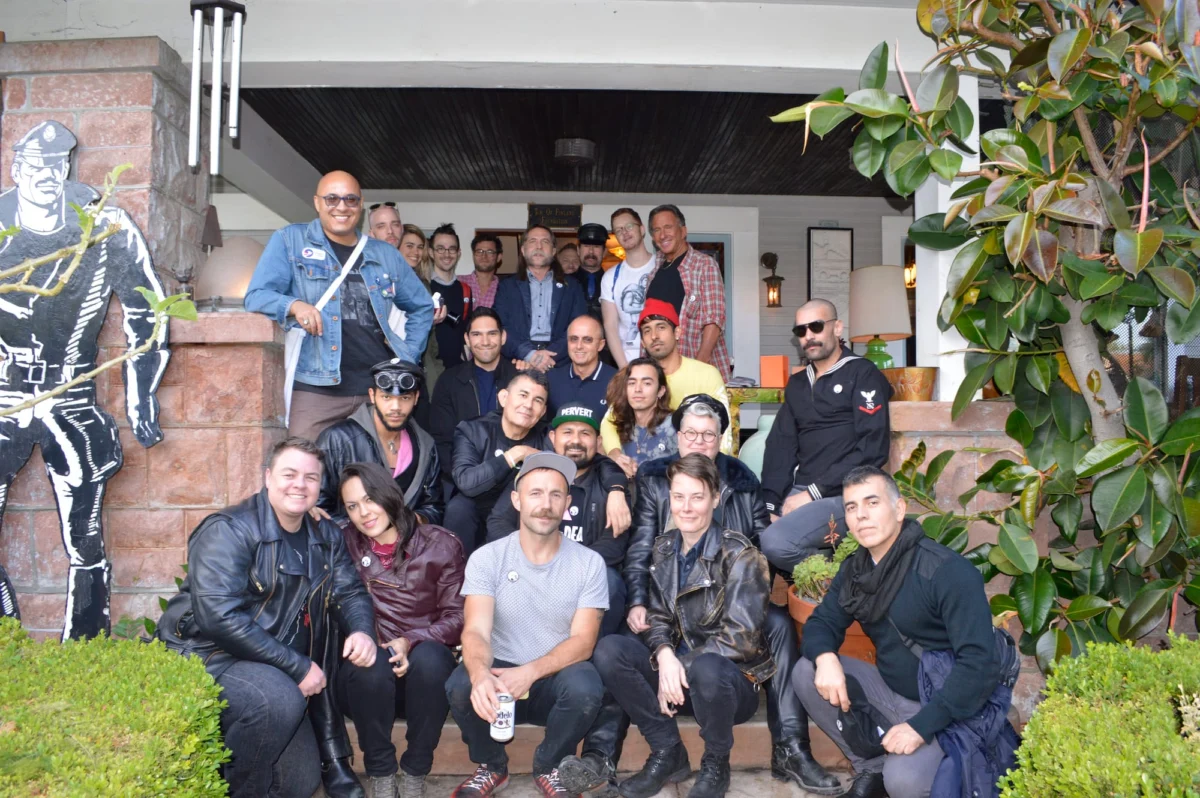
LOS ANGELES — For over four decades, the Tom of Finland Foundation has stood as a bastion of queer liberation, artistic freedom, and transgressive expression. Founded in 1984 to safeguard the legacy of Touko Laaksonen—universally known as Tom of Finland—the institution transformed from a preservationist project into a thriving, international sanctuary for contemporary erotic and queer art.
Today, however, that legacy hangs in the balance. A bitter and escalating rift between the foundation’s leadership and its community of alumni has thrown the institution’s future into doubt. At the center of the storm is TOM House, the iconic Echo Park craftsman home where Laaksonen lived and worked during his later years. Once buzzing with the radical, counter-cultural energy of emerging queer creators, the house now sits at the heart of an institutional crisis characterized by sudden layoffs, dismantled programs, and a profound breakdown in communication between the board of directors and the community it was chartered to serve.
Main Facts: The Anatomy of an Institutional Crisis
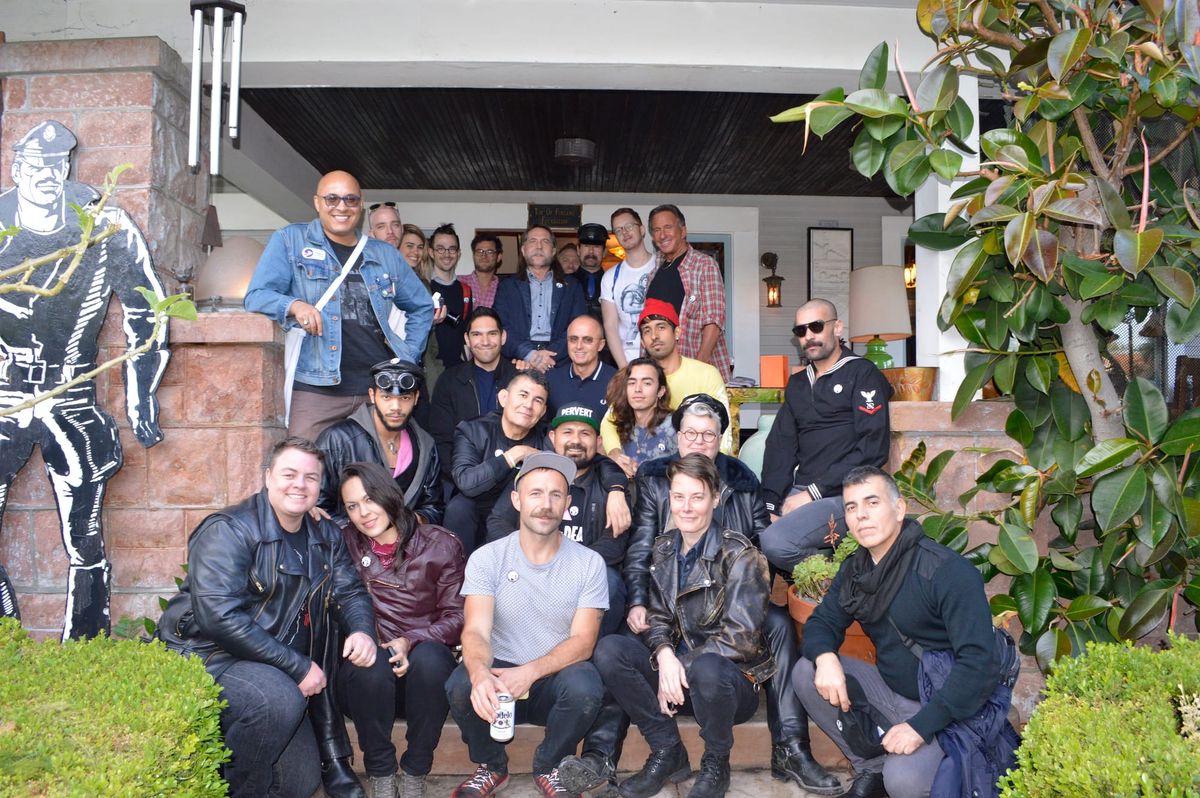
The fault lines within the Tom of Finland Foundation burst into public view on Monday, September 28, when an open letter coordinated by a collective of 41 former artist-in-residence participants was released to the public. The document levies severe accusations against the foundation’s current administration, citing opaque decision-making, a disregard for institutional history, and the abrupt termination of foundational community programs.
The primary grievances outlined in the open letter include:
- The Elimination of the Artist-in-Residence (AIR) Program: Established in 2011, the residency program provided vital live-work space, mentorship, and archival access to contemporary queer and erotic artists. According to the signatories, this flagship initiative was discontinued abruptly and without prior warning or communication from the board.
- Mass Layoffs: In June, nearly the entire dedicated staff of TOM House—individuals who maintained the daily operations, community engagement, and historical preservation of the site—was laid off in a sweeping restructuring effort.
- Erosion of Community Trust: Former residents and cultural workers argue that the current board has systematically dismantled the grassroots, radical ethos that defined the foundation, replacing it with a top-down, corporate management style that alienates the artists it purports to support.
Signatories of the letter are demanding immediate accountability and structural reforms. Specifically, they are urging the board to reaffirm its commitment to its foundational mission: preserving Tom of Finland’s revolutionary aesthetic while maintaining active, tangible support for new generations of queer creators through residencies, mentorships, exhibitions, and open access to the foundation’s extensive archives.
Chronology: From Counter-Cultural Sanctuary to Corporate Standoff
To understand the gravity of the current schism, one must trace the evolution of the Tom of Finland Foundation from an underground preservation project to an internationally recognized cultural powerhouse.
1984–2010s: Preservation and Expansion
The foundation was established in 1984 by Touko Laaksonen and his business partner, Durk Dehner, at a time when queer art—particularly art celebrating unapologetic, hypermasculine eroticism—faced severe censorship, legal hurdles, and societal marginalization. Laaksonen’s iconic drawings of sailors, lumberjacks, and leather-clad bikers had already become global touchstones of liberation. Following Laaksonen’s death in 1991, the foundation dedicated itself to safeguarding his archive and promoting the broader spectrum of erotic art.
In 2011, the foundation took a major step toward supporting living artists by launching the Artist-in-Residence program at TOM House in Echo Park. The house quickly evolved from a historical shrine into a dynamic incubator where international queer artists could live, create, and find community under the same roof that once inspired Laaksonen.
June 2025: The Silent Purge
The seeds of the current crisis were sown behind closed doors earlier this year. According to alumni accounts, the administration initiated a drastic restructuring of the nonprofit in June, resulting in the layoff of nearly all operational staff at TOM House. For a grassroots organization deeply reliant on interpersonal trust and community continuity, the sudden departure of trusted staff members sent shockwaves through the foundation’s extended network.
Fall 2025: The Breaking Point and Open Resistance
Following months of mounting anxiety and unanswered queries regarding the fate of the residency program, alumni decided to take collective action. Carta Monir, a multimedia artist and 2022 AIR alumnus who helped coordinate the open letter, noted that attempts to engage the board privately were met with a wall of silence.
"It felt vital to write the letter," Monir stated in an interview with art publication Hyperallergic. "It’s clear that, unless there’s public scrutiny, they won’t be transparent."
On September 28, the letter went live via a secure proton link, rapidly gathering 41 signatures from prominent alumni representing over a decade of the residency’s history. As of publication, the foundation’s board has yet to issue a comprehensive public response or engage with the signatories.
Supporting Data: The Impact of TOM House and the AIR Program
The outcry from the 41 alumni is rooted in the tangible, irreplaceable value that the Artist-in-Residence program provided to the contemporary art world. For over a decade, TOM House functioned as one of the very few institutional spaces globally dedicated explicitly to the validation, exhibition, and production of queer erotic art.
- A Global Pipeline: The AIR program hosted scores of artists from North America, Europe, Latin America, and Asia, offering them a psychological and physical sanctuary in a political climate where queer expression faces renewed legislative and cultural hostility.
- Archival Synergy: Residents were granted rare access to the foundation’s vast archives, allowing them to dialogue directly with the historical lineage established by Laaksonen. This cross-generational exchange positioned TOM House not merely as a museum piece, but as a living, breathing laboratory of queer theory and practice.
- Economic and Professional Lifeline: For many marginalized artists who operate outside mainstream commercial gallery systems, the residency served as a critical stepping stone, providing time, space, and institutional backing to produce career-defining bodies of work.
The sudden closure of this pipeline represents a massive contraction of institutional support for queer artists in Los Angeles and beyond.
Official Responses and Stakeholder Perspectives
As public pressure mounts, the chasm between the artists and the administration has grown increasingly antagonistic.
The Alumni Perspective
Artists who passed through the doors of TOM House speak of the space with a reverence that borders on the sacred. They view the current leadership’s actions not merely as administrative oversight, but as an existential betrayal of the foundation’s radical roots.

In their open letter, the artists write:
"We fear that the leadership has strayed from the radical, queer energy that Tom and his house embody. The current administration’s lack of transparency and the abrupt dismantling of programs that center community and mentorship threaten to turn a living sanctuary into a sterile, corporate relic."
Alumni emphasize that the foundation was built on principles of mutual aid, sexual liberation, and anti-censorship—values that they argue are fundamentally incompatible with secret layoffs and unilateral program cancellations.
The Foundation Board’s Silence
To date, the board of directors has maintained a deafening silence. Repeated requests for comment sent to foundation leadership regarding the staff layoffs, the status of the AIR program, and the demands outlined in the open letter have gone unanswered. This stonewalling has only intensified suspicions among former residents that the board is steering the institution toward a more commercial, risk-averse model that prioritizes asset management over community engagement.
Implications: What Lies Ahead for the Tom of Finland Legacy?
The crisis at TOM House transcends a simple employment dispute or program cancellation; it touches upon a core existential question facing many legacy arts organizations founded during liberation movements: How do you maintain radical roots as an institution ages, professionalizes, and changes hands?
- Loss of Grassroots Legitimacy: If the foundation continues to shut out its community and dismantle its residency programs, it risks alienating the very demographic that gives its collection cultural resonance. A Tom of Finland Foundation stripped of its contemporary artistic community risks becoming a hollowed-out brand rather than a living cultural center.
- Precedent for Cultural Stewardship: The situation serves as a cautionary tale for other artist-endowed foundations. As founders age and pass away, governance often shifts to legal and financial professionals who may lack a deep connection to the counter-cultural ethos of the original creators.
- The Fight for TOM House: The 41 signatories have made it clear that they do not intend to let the institution slip away quietly. By dragging the conflict into the light of public scrutiny, they are forcing a reckoning over who truly owns the legacy of queer liberation—the board members who hold the deed, or the artists who live out its spirit every day.
As the standoff continues, the art world watches closely to see whether the Tom of Finland Foundation will double down on its corporate opacity or heed the call of its alumni to return to its radical, queer foundations. For now, the door to TOM House remains symbolically closed, leaving a community of artists fighting to reclaim the sanctuary that helped them find their voice.
 Raul Delapena Setiawan
 Basiran
 Pevita Pearce
