

Main Facts
The cultural landscape this fall is defined by profound reckonings with history, identity, and grief, anchored by major institutional exhibitions and critical journalism. In the latest weekly briefing from Hyperallergic, Editor-in-Chief Hakim Bishara sets a deeply personal and reflective tone, juxtaposing the raw realities of parenthood, loss, and urban life in New York against a rich backdrop of contemporary art criticism and historical reclamation.
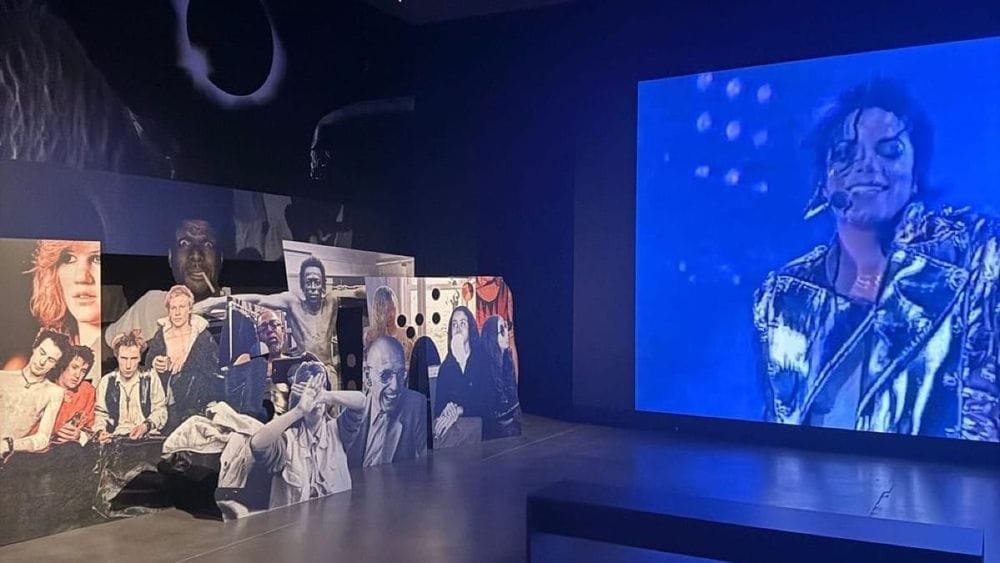
The publication’s digital pages highlight several monumental cultural moments currently unfolding across the United States. Key among them is an exploration of visionary artist Arthur Jafa’s groundbreaking multimedia practice, spotlighted in "Arthur Jafa, King of Pop." Concurrently, the art world is processing significant restitution news, such as the Milwaukee Art Museum’s repatriation of historical ceramic vessels to the descendants of Dave the Potter—the renowned 19th-century Black American artist who spent the majority of his life enslaved.
Beyond museum walls, the publication’s fall curation spans critical essays on overlooked architectural history, including the story of an unheralded Black architect who helped shape a landmark Smithsonian institution; a deep dive into the work of artist Kenzi Shiokava; and creative features like Hyperallergic’s seasonal art tarotscope. Together, these stories construct a multifaceted mirror reflecting how contemporary creators and institutions grapple with the weight of the past.
Chronology
The rhythm of the cultural cycle, as experienced through the lens of Hyperallergic’s leadership and editorial calendar, moves swiftly from intimate domestic spaces to sprawling institutional critiques:
- The Early Morning Hours: Days often begin before dawn, marked by domestic routines, the rush to prepare children for school, and the sudden, unscripted philosophical inquiries of youth—such as a child’s sudden questioning of mortality and the whereabouts of departed loved ones.
- Mid-Week Cultural Gatherings: Events like the International Studio & Curatorial Program (ISCP) reception in Brooklyn bring together arts patrons, staff, and critics to foster community, punctuated by encounters with fleeting aphorisms found inside fortune cookies.
- Urban Transits and Encounters: Navigating the sensory overload of New York City—from Bushwick cafes playing classic Michael Jackson albums to rainy subway commutes past fellow straphangers wearing symbols of religious coexistence—acts as a continuous prompt for internal reflection.
- Archival Reckonings and Screenings: Public engagements, such as attending screenings of documentaries like Between Worlds at the New York Film Festival, intersect with historical developments, including the Milwaukee Art Museum’s formal return of artifacts tied to Dave the Potter.
- Fall Editorial Rollout: The concurrent publication of major features—ranging from analyses of Arthur Jafa’s viral aesthetics and meme literacy to the unveiling of October art opportunities, grants, and residencies—establishes a comprehensive roadmap for the season’s artistic discourse.
Supporting Data & Exhibition Highlights
The scope of this season’s cultural reporting encompasses a diverse array of artists, institutions, and structural opportunities designed to support the broader creative community:
- Arthur Jafa’s Visual Lexicon: Highlighted in Stephanie Wambugu’s critical review, Jafa’s work continues to redefine the boundaries of visual assemblage and collage. By synthesizing eclectic historical references with an intuitive grasp of internet virality and meme culture, Jafa positions himself as a towering figure in contemporary visual art.
- Historical Repatriation: The Milwaukee Art Museum’s decision to return two stoneware jars created by Dave the Potter marks a vital step in acknowledging the legacy of enslaved artisans whose contributions were historically marginalized or erased.
- Architectural Heritage: Hyperallergic’s opinion and feature segments shed light on systemic oversights in architectural history, specifically uncovering the narrative of the Black architect whose vision contributed to a prominent Smithsonian institution.
- Fall Artistic Opportunities: The publication’s October 2026 compilation details vital grants, fellowships, and residencies for artists, writers, and cultural workers. Featured organizations include ArtFields, The Image Centre, Millay Arts, and the Lower Manhattan Cultural Council, providing essential structural support during an economically volatile period for arts workers.
- Critical and Seasonal Features: Alongside deep dives into artists like Kenzi Shiokava and painterly profiles via A View From the Easel, the publication introduced its seasonal art tarotscope, merging contemporary creative critique with cultural mysticism.
Official Responses and Institutional Perspectives
Cultural institutions and critics are increasingly shifting their focus toward systemic accountability, historical redress, and the democratization of art criticism.
Museums and cultural centers holding works tied to forced labor or colonial acquisition are facing heightened pressure from both internal coalitions and the public to enact transparent provenance research and restorative actions. The repatriation of Dave the Potter’s ceramics underscores a growing institutional recognition that preserving historical integrity requires active restitution to descendant communities, rather than mere passive display.
Simultaneously, platforms like Hyperallergic continue to challenge traditional hierarchies within art criticism. By pairing raw, confessional editorial writing with rigorous reporting on MacArthur "Genius" grant winners, neglected architectural pioneers, and grassroots residency opportunities, the publication advocates for an inclusive cultural ecosystem that honors both the individual human experience and collective historical truths.
Implications for the Contemporary Art World
The convergence of personal grief, historical recovery, and cutting-edge digital aesthetics points to a broader transformation within the arts and culture sector.
As artists like Arthur Jafa successfully bridge the gap between high-art installation and the decentralized speed of internet culture, institutions are forced to adapt their programming to reflect a hyper-connected, media-saturated society. Critics and curators can no longer view art history as a static linear narrative; instead, they must confront the lingering shadows of systemic oppression, as evidenced by the ongoing reclamation of works by enslaved artists and overlooked designers.
Furthermore, the integration of intimate, vulnerable editorial voices—such as Hakim Bishara’s reflections on fatherhood, displacement, and mortality in New York—signals a shift in cultural journalism. Readers increasingly seek out media that acknowledges the emotional and psychological weight of living in a turbulent geopolitical and social climate. Ultimately, this fall’s cultural output demonstrates that art remains one of our most potent tools for mourning, questioning, and catching a glimpse of our own reflections across generations and geographies.
 Sagoh
Sagoh
 Muslim
 Dwi Wanna
