

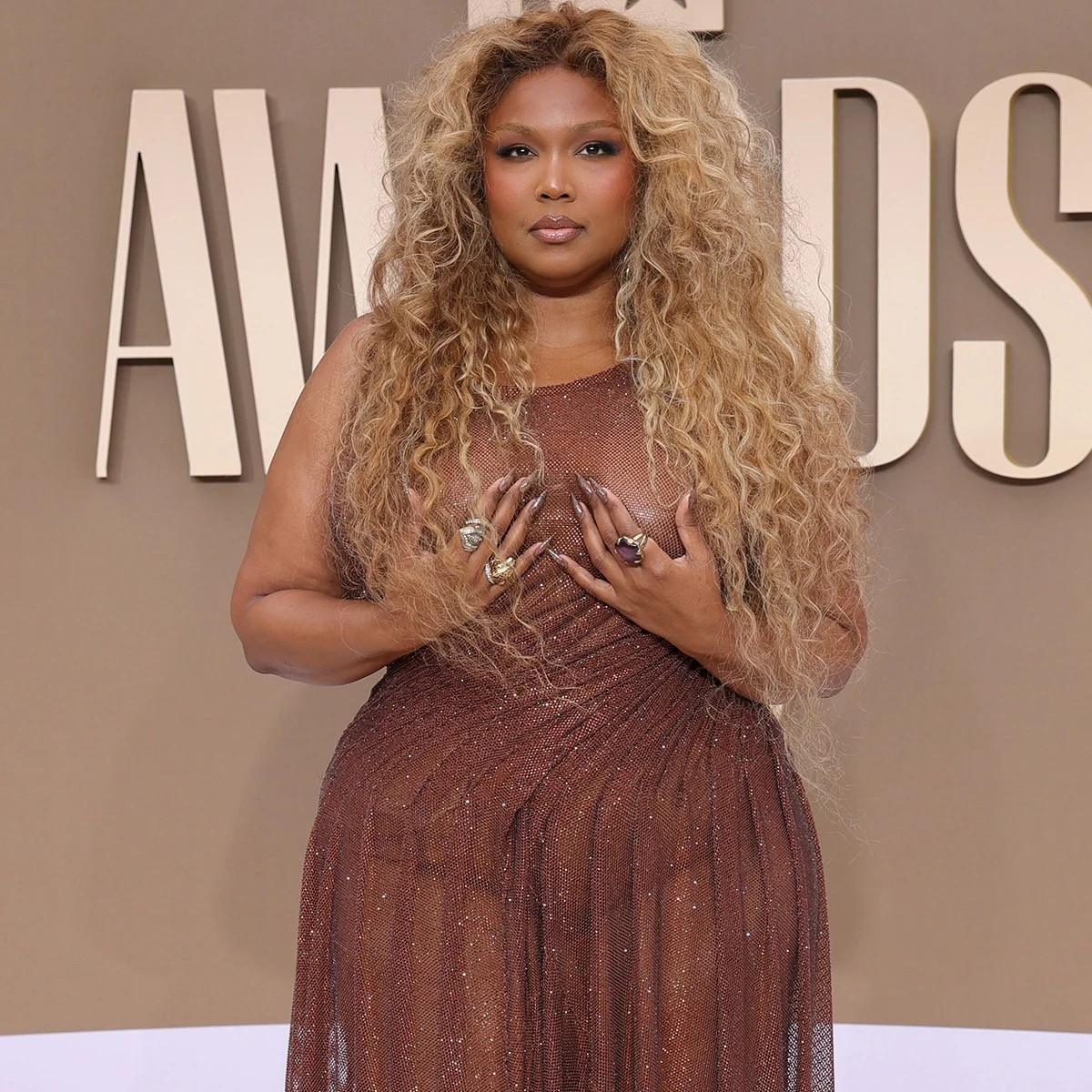
In a recent, deeply personal interview on the October 4 episode of Sunday Today, Grammy-winning artist Lizzo—born Melissa Jefferson—offered a candid look into her psyche. As she navigates the complex intersection of global stardom, legal battles, and the relentless pressure of public scrutiny, the singer is recalibrating her relationship with fame. Addressing Willie Geist, she articulated a philosophy centered on personal sovereignty: “I had to make peace with the fact that there’s a version of Lizzo that exists now that the world controls. The world controls the narrative, and I don’t. But what I can control is who I really am.”
This statement marks a significant milestone in a turbulent three-year chapter for the “About Damn Time” singer. Following a series of high-profile legal challenges that tested her professional reputation and personal character, Lizzo is emerging with a message of self-actualization, emphasizing that the industry’s “headline game” no longer dictates her internal peace.
The Chronology of Conflict: Legal Scrutiny and Resolution
The last three years have been characterized by significant legal hurdles that forced the performer into the public spotlight for reasons far removed from her musical contributions.
The 2023 Lawsuit
In August 2023, the cultural conversation surrounding Lizzo shifted dramatically when three former backup dancers—Crystal Williams, Arianna Davis, and Noelle Rodriguez—filed a lawsuit against her. The complaint alleged a litany of serious grievances, including sexual harassment, weight-shaming, and the creation of a “hostile, abusive work environment.” The allegations sent shockwaves through the music industry, prompting a swift and forceful denial from the artist. Lizzo publicly characterized the claims as “false” and “outrageous,” maintaining her innocence throughout the proceedings.
The Second Legal Challenge
Shortly thereafter, in September 2023, a second lawsuit was filed by Asha Daniels, a former wardrobe assistant. Daniels alleged that she had been subjected to discrimination and harassment during her tenure with the singer’s production company. This second legal front added further complexity to an already difficult year for the star.
Judicial Developments
The tide began to turn in late 2025. According to reports from the BBC, the specific weight-shaming claims brought against the artist were dismissed in December of that year. Momentum continued to shift in the singer’s favor last month, when a Los Angeles judge officially tossed out the lawsuit filed by Asha Daniels.
Reacting to the dismissal, Lizzo took to Instagram in a September 1 video, expressing profound relief. “I prayed for the truth to come out, and thanks to my incredible lawyers, the truth has prevailed,” she shared. “The truth matters more to me than anything, and I told y’all I will not settle and will continue to fight until every vicious claim that has been made against me and my businesses [is addressed].”
Defining the "Lover" Over the "Fighter"
Despite the exhaustion that often accompanies litigation, Lizzo rejects the role of a perpetual combatant. When asked by Willie Geist about her willingness to engage in public rebuttals against untruths, she was clear: “I’m not a fighter. I’m a lover.”
This shift in perspective represents a broader evolution in her career. Rather than focusing on the noise generated by gossip columns or tabloid headlines, she is pivoting toward what she calls an “opportunity for growth.” She posits that adversity, while painful, serves as a mechanism for self-reflection. “It’s an opportunity to learn about yourself,” she explained. “And to, even if you don’t like parts of yourself, deal with it and work on it. And then the person you become at the end of that is someone you couldn’t even imagine, and you fall in love with them.”
Historical Context: A Legacy of Body Positivity
Lizzo’s recent comments about weight and self-perception are consistent with a decade-long commitment to radical self-love. Since her ascent to global superstardom, she has frequently utilized her platform to challenge narrow beauty standards, a move that has historically made her both a hero to many and a target for critics.
The Jillian Michaels Controversy (2020)
One of the most notable public debates regarding Lizzo’s body occurred in early 2020, when trainer Jillian Michaels questioned the cultural celebration of the singer’s physique. Michaels argued that the emphasis on body positivity overlooked health concerns, a sentiment that sparked a massive backlash from fans and health experts alike. Lizzo’s response was characteristically bold: she chose to focus on her own internal happiness rather than engaging in the debate, later telling her audience, “I deserve to be happy.”
Redefining Beauty Standards
From her 2019 Essence interview—where she spoke about “normalizing the dimples in my butt” and the “lumps in my thighs”—to her partnerships with the #DoveSelfEsteemProject, Lizzo has consistently aimed to decouple human value from physical appearance. Her philosophy, as she stated during her 2019 CBS Sunday Morning appearance, is not about changing one’s body to fit a mold, but about “addressing every layer of insecurity” to reach a place of genuine acceptance.
Supporting Data: The Impact of Public Perception
The intersection of celebrity culture and digital vitriol has created a unique set of pressures for modern artists. Lizzo’s experience with “mean tweets” and public critique—such as when she addressed derogatory comments about her weight on Jimmy Kimmel Live!—illustrates the toxic nature of the digital “headline game.”
Despite this, she has maintained a resilient posture. During her 2022 People’s Choice Awards acceptance speech, she shared the spotlight with 17 activists, reinforcing her commitment to using her platform for more than just personal branding. This act of service serves as a core pillar of her brand: the idea that, as she stated in Sydney in 2020, “We can save the world if we first save ourselves.”
Implications: The Future of the Brand
As the legal cloud clears, the implications for Lizzo’s career are profound. She is transitioning from a period of defensive posturing to one of proactive creative freedom.
Professional Sovereignty
By successfully navigating the dismissal of multiple lawsuits, Lizzo has protected her professional reputation, allowing her to refocus on her primary craft: music. Her insistence on controlling her own internal narrative suggests a move toward a more guarded, yet authentic, public persona. She is no longer looking for validation from the “headline game” but is instead seeking fulfillment through her own artistic and personal milestones.
Mentorship and Activism
Lizzo’s role as a mentor—seen in her interactions with high school musicians and her ongoing advocacy for marginalized communities—remains a vital component of her identity. By modeling vulnerability, she invites her fanbase to undergo the same journey of self-healing she champions.
The Evolution of a Star
The artist who once told the world, “I love you, me,” is evolving. She is acknowledging that her body will change, her public perception will fluctuate, and her career will encounter obstacles, but none of these external factors can touch her intrinsic worth. Her recent interview serves as a manifesto for the modern celebrity: in an era of constant surveillance and rapid-fire judgment, the most radical act is to maintain one’s own definition of success.
Conclusion
Lizzo’s journey over the past three years has been one of high stakes and high growth. By surviving a gauntlet of legal and personal challenges, she has emerged with a refined understanding of her power. She is not fighting for a narrative—she is writing one. Whether through her music, her advocacy, or her candid conversations about self-worth, she continues to challenge the structures that seek to define her.
As she moves forward, the artist’s message remains consistent: the world may attempt to cast her in a specific light, but the light that matters most is the one she creates for herself. By choosing to act as a “lover” rather than a “fighter,” she is setting a precedent for how public figures can reclaim their autonomy in an increasingly noisy digital age. Lizzo is not just surviving the “headline game”—she is changing the rules of engagement.
 Siti Muinah
 Basiran
 Nana Wu
