

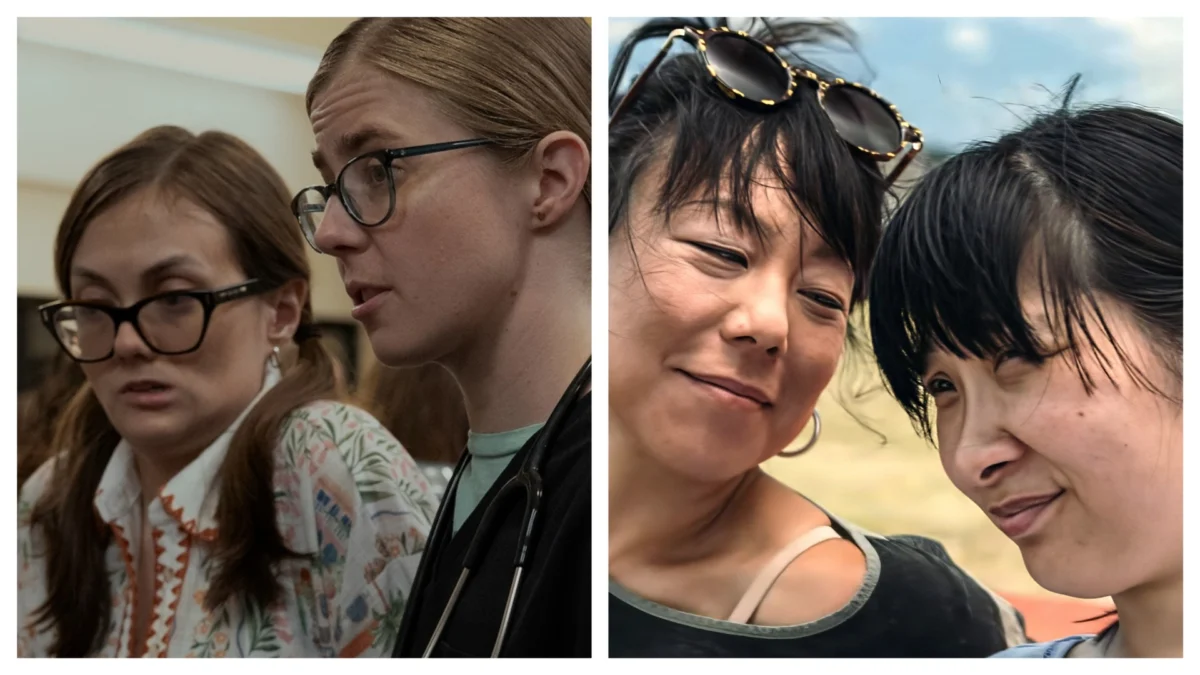
The landscape of entertainment reached a significant milestone this past Saturday as the industry gathered at the historic Barker Hangar in Santa Monica for the inaugural Easterseals Disability Arts & Culture Awards, colloquially known as "The DARCYS." Replacing the long-standing Media Access Awards, this new iteration represents more than just a rebranding; it marks a fundamental shift in how the entertainment industry acknowledges, evaluates, and champions authentic disability representation.
The event, co-produced by Easterseals Southern California and Film Independent, serves as a high-profile platform for the filmmakers, performers, and creators who are actively dismantling stereotypes and rewriting the narrative of what it means to live with a disability in the modern era.
A Legacy Transformed: From Media Access to The DARCYS
To understand the weight of the evening, one must look at the foundation upon which it stands. The ceremony builds upon a legacy that stretches back to 1979, when the original Media Access Awards were established to address the chronic invisibility of people with disabilities on screen. By rebranding as The DARCYS, organizers are signaling a move toward a more culturally integrated and artistically rigorous form of recognition.
The transition reflects an industry that is finally moving away from viewing disability representation as a "charity" or "diversity checklist" item, and toward recognizing it as a vital component of authentic, compelling storytelling.
"As we celebrate the inaugural year of The DARCYS, we are so proud to carry forward a legacy that began in 1979," said Nancy Weintraub, Chief Advancement Officer at Easterseals Southern California. "The DARCYS recognize the authentic voices and talented storytellers who are changing how disability is seen and represented across entertainment and media. Congratulations to this year’s nominees and winners for helping move the industry forward towards greater inclusion, both on screen and behind the scenes."
Chronology of an Unforgettable Night
The atmosphere at The Barker Hangar was electric, blending the prestige of a Hollywood awards show with the impassioned, community-focused energy of an advocacy summit. Hosted by comedian and disability advocate Tina Frim, the evening was marked by a series of emotional highs and industry-defining moments.
The ceremony kicked off with an opening musical performance by renowned artist and disability culture leader Lachi, whose presence underscored the evening’s focus on the intersection of art and identity. As the night progressed, the focus shifted to the core mission: honoring excellence.
Key milestones throughout the evening included:

- The Legacy Recognition: Geri Jewell, a trailblazer in the disability community, was honored with the inaugural DARCYS Legacy Award, a nod to those who paved the way for current creators.
- The Emerging Talent Spotlight: Vincent Rutley was presented with the Christopher Reeve Emerging Talent Award. This specific honor, which includes a $5,000 cash grant from the Christopher Reeve Foundation, is designed to provide tangible support to up-and-coming actors living with paralysis.
- The Big Wins: Throughout the evening, major projects like the HBO Max drama The Pitt and the Sundance breakout Take Me Home secured their places in history as the first-ever recipients of DARCYS in their respective categories.
Supporting Data: Excellence in Representation
The selection process for The DARCYS was designed to ensure rigor and authenticity. Unlike traditional awards bodies that may lack diversity, the committees determining the winners were composed of filmmakers, critics, past Media Access Awards honorees, and representatives from industry guilds. Crucially, a majority of the committee members are individuals with disabilities themselves, ensuring that the work was judged not just on its artistic merit, but on the integrity of its portrayal of the disability experience.
The following projects and individuals stood out in a field of exceptionally strong competition:
Feature Film & Performance
The award for Best Feature went to Horsegirls, directed by Lauren Meyering and produced by a team including Alix Madigan-Yorkin and Michael Sherman. The film’s nuanced portrayal of its characters, brought to life by Lillian Carrier and Matthew Schwab, set a new standard for feature-length storytelling. In the acting categories, Anna Sargent took home the prize for Best Performance in a Feature for her standout work in Take Me Home.
Documentary & Series
In the documentary space, The Haunting of Pennhurst emerged as the winner for Best Documentary, a testament to the power of non-fiction filmmaking in shedding light on history and institutionalization.
The Best Scripted Series category saw a massive win for The Pitt. The show also swept the Best Achievement in Casting Ensemble category, highlighting the power of authentic ensemble casting. The series, which features talents such as Tal Anderson, Jessica "Limer" Flores, Victoria Mack, and Christopher Thornton, has been widely lauded for its immersive and grounded depiction of the medical world. Daniel Monks took home the Best Performance in a Scripted Series for his gripping work in All Her Fault.
Unscripted & Social Media
Recognizing the shifting tides of media consumption, the awards also honored Best Unscripted Series, which went to Renegades, and Best Social Creator, awarded to the influential Cassidy Huff (@CassHuff). These categories acknowledge that the future of disability representation is not just in traditional Hollywood studios, but in the rapid-fire, highly personal realm of digital content creation.
Industry Perspectives and Official Statements
The sentiment among the attendees was clear: The DARCYS are a necessary evolution. The red carpet featured an array of industry heavyweights, including Marlee Matlin, Wendi McLendon-Covey, and Scoot McNairy, all there to support a cause that is increasingly becoming a central pillar of creative excellence.
Shawn Davis, Co-Executive Producer of The DARCYS and the Film Independent Spirit Awards, emphasized the collaborative nature of this initiative. "The DARCYS mark an exciting new chapter in a legacy of recognizing artists advancing disability representation," Davis stated. "We’re proud to partner with Easterseals Southern California to celebrate this year’s winners and nominees, as well as the stories helping broaden perspectives across film, television, and social media."

The inclusion of voices from both the nonprofit sector and the creative guild system suggests a sustainable model for the future. By embedding the awards within the ecosystem of Film Independent, the organizers ensure that the honorees are not just celebrated in a vacuum but are integrated into the broader conversation about the future of independent cinema.
The Broader Implications: Moving the Needle
What do these awards mean for the future of the entertainment industry?
First, it signals an end to the era of "cripface"—the problematic practice of casting non-disabled actors in disabled roles. By creating a dedicated, high-prestige platform for disabled talent to be recognized for their work, The DARCYS are providing a blueprint for casting directors, producers, and studio heads to follow.
Second, the success of shows like The Pitt and All Her Fault suggests that audiences are hungry for stories that don’t treat disability as a tragic trope or an inspirational "overcoming" narrative. Instead, these projects present characters whose disabilities are part of their identity, but not the entirety of their characterization. This is the hallmark of sophisticated, modern storytelling.
Finally, the economic implications cannot be ignored. By providing grants, such as the Christopher Reeve Emerging Talent Award, the organization is actively investing in the career longevity of disabled artists. This is a crucial step in correcting the systemic exclusion that has prevented many talented individuals from entering the industry in the first place due to lack of access, funding, or mentorship.
As the curtains closed on the first-ever DARCYS, the takeaway was clear: the industry is no longer waiting for permission to be inclusive. The creators, directors, and performers celebrated on Saturday have already done the hard work of proving that authentic representation is not only possible but commercially and critically successful. The DARCYS are simply the overdue formal recognition of a creative revolution that has been building for decades, finally taking center stage in the heart of Hollywood.
 Siti Muinah
 Laily UPN
 Azzam Bilal Chamdy
