

CAIRO, Egypt – As the international community grapples with a deepening landscape of geopolitical instability and environmental volatility, the World Health Organization (WHO) has issued an urgent clarion call for the Eastern Mediterranean region. Addressing regional health ministers and senior officials at a pivotal committee meeting in Cairo on October 14, 2026, WHO Director-General Dr. Tedros Adhanom Ghebreyesus outlined a stark dichotomy: while medical progress persists, the region remains the global epicenter of humanitarian suffering.
The Eastern Mediterranean, a vast and diverse region spanning 22 countries and territories, is currently the stage for some of the most harrowing humanitarian crises of the 21st century. With conflict zones in Sudan, Yemen, and the Occupied Palestinian Territory dominating the headlines, the WHO’s message is clear: the status quo is unsustainable, and the international community must pivot from reactive emergency response to proactive, systemic protection.
The Core Mandate: Promoting, Providing, and Protecting Health
Dr. Tedros centered his address on a tripartite strategy: promoting health, providing care, and protecting populations. His remarks emphasized that even in the face of absolute devastation, the duty of governments to provide for their citizens’ well-being must remain paramount.
"Over the past year, Member States have continued to advance the health and wellbeing of their people, often under the most difficult circumstances," Dr. Tedros stated. This acknowledgment serves as a testament to the resilience of health workers and civil servants who operate in environments where infrastructure is frequently targeted and resources are chronically depleted. However, the Director-General warned that individual acts of heroism cannot replace the structural necessity of functional, state-backed healthcare systems.
Chronology of Crisis and Progress: A 2025–2026 Overview
The annual report presented in Cairo provides a granular look at the health trajectory of the region over the last 18 months.
- Early 2025: Initial signs of a funding shortfall for regional humanitarian operations began to manifest, exacerbated by global inflationary pressures and a shift in donor focus toward emerging conflicts in other theaters.
- Mid-2025: Despite fiscal constraints, regional health ministries reported a significant uptick in successful immunization drives, particularly in post-conflict zones, demonstrating the efficacy of localized, WHO-supported supply chains.
- Late 2025: A series of climate-related extreme weather events—ranging from flash floods to prolonged heatwaves—tested the limits of urban health infrastructure in the Middle East, leading to a new policy focus on "climate-resilient hospitals."
- Early 2026: The intensification of conflict in several key territories resulted in a marked increase in attacks on healthcare facilities, leading to a surge in preventable mortality and the displacement of medical professionals.
- October 2026: The regional committee meeting in Cairo convenes with the explicit goal of aligning national budgets with the immediate and long-term health needs of the region’s 117 million people in need.
Supporting Data: The Burden of Disease and Displacement
The statistics underlying the WHO’s appeal are sobering. The Eastern Mediterranean region is currently grappling with a dual burden: the acute trauma of war and the chronic strain of noncommunicable diseases (NCDs).
The NCD Epidemic
While conflict grabs the headlines, cardiovascular diseases, cancer, and diabetes remain the silent killers of the region. These conditions account for approximately two-thirds of all deaths in the Eastern Mediterranean. Every year, over 2.8 million lives are lost to these preventable or manageable diseases. The WHO report notes that the disruption caused by war often prevents patients from accessing life-saving routine treatments, such as insulin for diabetics or chemotherapy for cancer patients, effectively turning manageable chronic conditions into death sentences.
The Humanitarian Footprint
The sheer scale of the displacement crisis is unprecedented. With over 117 million people requiring humanitarian assistance, the region stands as the primary focus for global aid efforts. This population includes millions of internally displaced persons (IDPs) and refugees who are often crammed into overcrowded shelters with limited sanitation, creating the perfect conditions for the rapid spread of infectious diseases.
Official Responses and Strategic Shifts
The WHO’s response, as articulated by Dr. Tedros, involves a fundamental shift in how the organization engages with Member States. The focus is no longer just on aid delivery, but on "systemic fortification."
Investing in Primary Healthcare
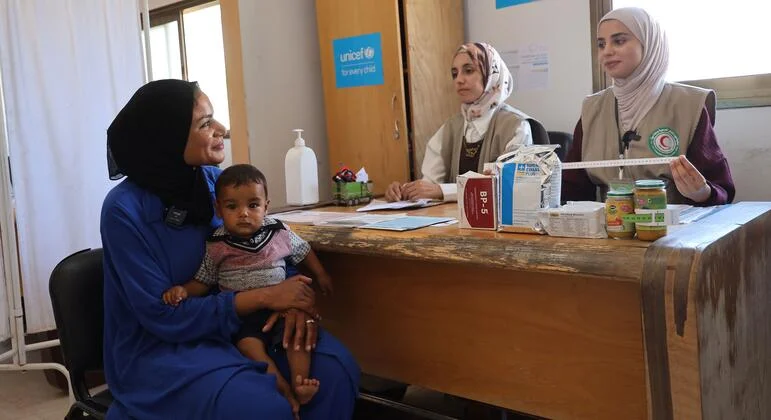
Dr. Tedros urged leaders to prioritize primary healthcare (PHC) as the "frontline of defense." He articulated a vision where every PHC facility serves as a multi-purpose sanctuary: a place for prenatal care, a hub for childhood vaccinations, and a site for the early screening of hypertension and diabetes. "Make every primary healthcare facility a place where a woman can receive quality care during pregnancy," he stated, highlighting that the foundation of a healthy society is built on the health of its mothers and children.
Addressing the "Funding Gap"
A critical point of discussion at the Cairo meeting is the sharp decline in international funding. As global fiscal constraints tighten, governments in the Eastern Mediterranean are being asked to do more with less. Dr. Tedros underscored that "at the very moment when needs are increasing, resources are declining," calling on wealthier nations to avoid "donor fatigue" and recognize that health security is a regional, not just a national, priority.
Implications: The High Cost of Inaction
The failure to address the health challenges in the Eastern Mediterranean will have profound implications for global security and economic stability.
The Erosion of Health Systems
When a health system is allowed to collapse, the consequences are felt for generations. The loss of a generation of health workers—either through displacement or the lack of training opportunities—creates a "brain drain" that can cripple a country’s development for decades. The report warns that the current trend of targeting health facilities not only violates international humanitarian law but also destroys the social fabric required for future reconstruction.
Climate Change as a Threat Multiplier
The report explicitly links health to climate resilience. As the region experiences rising temperatures and water scarcity, the WHO warns that climate-related shocks will increasingly trigger infectious disease outbreaks and food insecurity. The implication is that "preparedness cannot be an afterthought." Without significant investment in surveillance, laboratories, and supply chains, the region will be perpetually stuck in a cycle of responding to the next disaster rather than building a future of health security.
The Human Toll
Ultimately, the statistics represent millions of individual stories of loss. The "appalling number of attacks on healthcare" mentioned by Dr. Tedros is not just a violation of international norms; it is a direct assault on the fundamental human right to health. The implication is that without immediate political intervention to protect health infrastructure, the region will continue to suffer from excess mortality that far exceeds the direct casualties of war.
Conclusion: A Roadmap for the Future
The WHO’s meeting in Cairo is not merely a bureaucratic gathering; it is a test of political will. The path forward, as outlined by the WHO leadership, requires a three-pronged approach:
- Hardening Infrastructure: Protecting health facilities from conflict and equipping them to withstand climate-related shocks.
- Resource Optimization: Focusing on high-impact, low-cost interventions like universal vaccination programs and the management of NCDs at the primary care level.
- Diplomatic Advocacy: Using the health sector as a neutral ground to promote peace, ensuring that medical supply chains and health workers are granted the immunity they deserve under international law.
As the Eastern Mediterranean faces this convergence of crises, the message from the WHO is a blend of alarm and hope. While the challenges are immense, the tools for improvement exist. The question remains whether the global community and regional leaders possess the resolve to prioritize the health of the vulnerable over the political complexities that have, for too long, dictated the region’s fate.
For now, the eyes of the world remain fixed on Cairo, waiting to see if these commitments to health will be translated into the necessary action on the ground. As Dr. Tedros reminded the assembly, "Preparedness saves lives before emergencies begin." In a region where the emergency never seems to end, that preparation is the only path toward a stable, healthy future.
 Layla Zulfa
 rifanmuazin
 Evan Lee Salim
