

Hanoi is a city that defies simple categorization. It is a place where two millennia of history serve as the foundation for a metropolis accelerating toward the future at breakneck speed. To walk its streets is to witness a living palimpsest: French colonial villas with their mustard-yellow facades stand in quiet defiance beside ancient, moss-covered temples; narrow, labyrinthine alleyways of the Old Quarter abruptly give way to grand, wide boulevards designed for a different era; and the humble charm of street-food stalls—where plastic stools and charcoal smoke define the culinary experience—sits in striking juxtaposition to sleek, glass-fronted retailers and high-concept art galleries.
For decades, the global perception of Vietnam’s capital was tethered strictly to its ancient past—the stoic temples, the history of conflict, and the weathered charm of its historic districts. However, a new narrative is being written by the city’s burgeoning hospitality sector. Today’s premier hotels in Hanoi do not merely provide a place to sleep; they are conduits to the city’s soul. They range from iconic, Indochine-era landmarks that have hosted diplomats and writers for a century, to bold, maximalist contemporary expressions of Vietnamese design, to intimate, design-forward boutiques tucked into the city’s most vibrant neighborhoods.
Main Facts: The New Geography of Hanoi’s Stays
The contemporary Hanoi hotel scene has transformed into one of the most sophisticated in Asia. The city’s hospitality landscape is no longer limited to a few colonial-era holdovers. Instead, it has diversified to cater to a spectrum of travelers: the luxury seeker, the cultural enthusiast, and the digital nomad.
- Diverse Portfolio: The city now boasts a high concentration of properties that integrate Michelin-caliber dining, world-class cocktail bars, and spas that utilize indigenous ingredients and traditional healing techniques.
- Location as Identity: Choosing a hotel in Hanoi is an exercise in cultural immersion. Staying in the French Quarter around the Opera House offers a glimpse into the grandeur of the early 20th century, while the Old Quarter provides an unfiltered, high-energy connection to the city’s commercial heart.
- Economic Impact: The growth of boutique properties—offering high-end amenities at accessible price points—has made Hanoi a premier destination for long-term travelers, effectively extending the average visitor’s stay from two days to five or more.
A Chronological Evolution: From Colony to Contemporary Capital
The history of Hanoi’s lodging is a reflection of Vietnam’s own tumultuous and triumphant journey.
1901–1945: The Indochine Era
The opening of the Metropole in 1901 marked the birth of luxury travel in Hanoi. It established the "Indochine" aesthetic—a marriage of French architectural elegance and Vietnamese tropical flair. During this period, hotels were the exclusive domain of colonial officials and international dignitaries.
1945–1990: The Era of Transition
Following independence and through the decades of war and subsequent reconstruction, the city’s accommodation options were limited and state-run. The charm of the French villas remained, but infrastructure for international tourism was largely dormant.
1990–2010: The Rebirth
The Doi Moi economic reforms ignited a tourism boom. The 90s saw the restoration of colonial-era buildings and the emergence of private, family-run boutique hotels that prioritized personalized service—a hallmark of Vietnamese hospitality that persists today.
2010–Present: The Modern Maximalist Renaissance
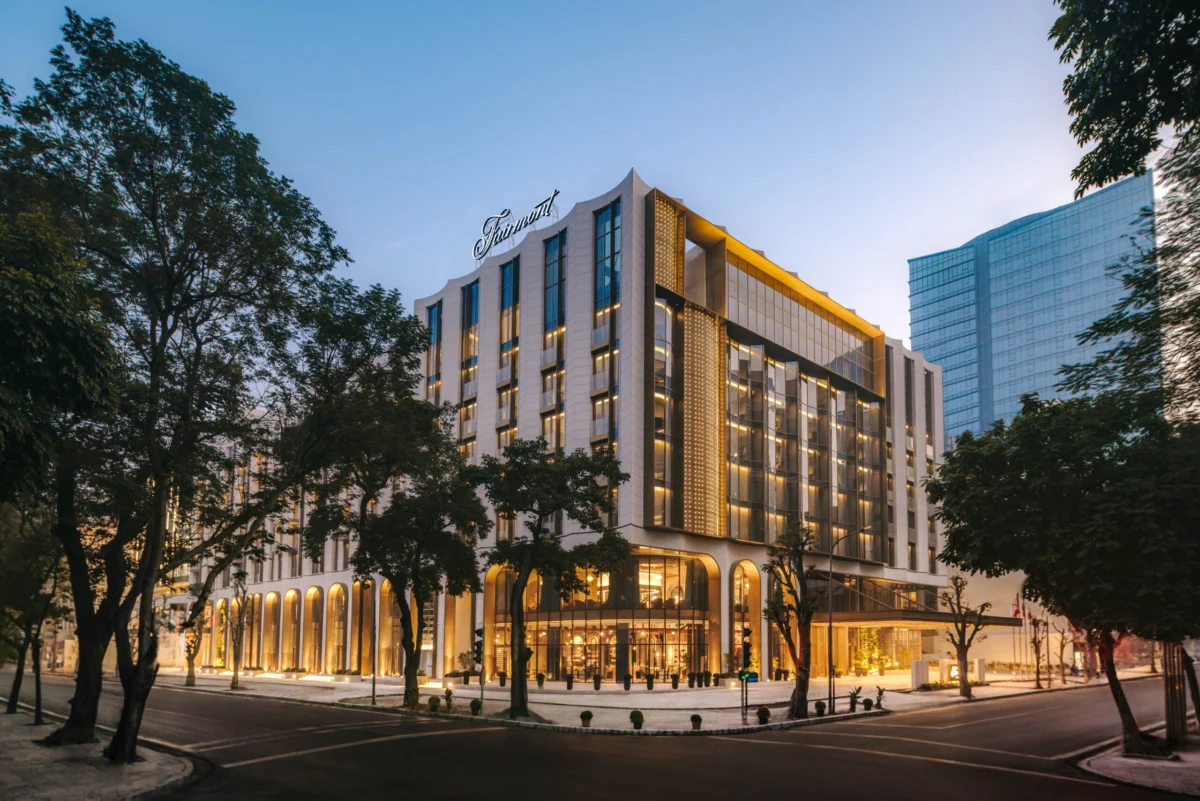
In the last decade, Hanoi has seen an influx of investment into "experience-centric" hotels. Properties like the Fairmont Hanoi represent a shift toward high-concept, contemporary Vietnamese luxury. These hotels are no longer just points of transit but are designed as destinations that celebrate the city’s artistic, culinary, and historical achievements.
Supporting Data: The Traveler’s Perspective
Travel trends in Southeast Asia indicate that Hanoi is currently outpacing many regional capitals in hotel growth. According to tourism data, the "experience economy" is the primary driver for hotel bookings in Northern Vietnam.
- The "Three-Day" Benchmark: While a three-day itinerary is sufficient to cover major landmarks like the Temple of Literature and Hoàn Kiếm Lake, the average length of stay for high-end travelers has increased by 22% since 2022. This is attributed to the "slowing down" phenomenon, where guests prefer to spend time in hotel spas, cocktail bars, and curated culinary workshops.
- The Rise of Boutique Luxury: There is a significant market pivot toward "affordable luxury." Travelers are increasingly opting for smaller, 20-to-40-room properties that offer a higher level of intimacy and design-led interiors over massive, chain-branded monoliths.
Official Perspectives: The Curatorial Approach
The evolution of these hotels is not accidental; it is the result of a deliberate, sophisticated strategy by hoteliers to bridge the gap between ancient tradition and modern expectations. Condé Nast Traveler journalists, who vet these properties, emphasize that the best hotels are those that act as a "cultural embassy."
"When we evaluate a property in Hanoi," one industry expert notes, "we aren’t just looking for high thread-count sheets. We are looking for how the hotel acknowledges the street life outside its door. Does the hotel have a relationship with local artisans? Does the cocktail program use local ingredients like ô mai (salted apricot)? Does the design reflect the specific history of the neighborhood?"
This curatorial approach has forced hotels to rethink their amenities. Sustainability is no longer a marketing buzzword but a requirement; historic buildings are being retrofitted with energy-efficient systems to preserve their architectural integrity while meeting international environmental standards.
Implications for the Future of Hanoi
As Hanoi looks toward 2026 and beyond, the implications of this hospitality boom are profound.
Urban Preservation
The surge in demand for boutique hotels has incentivized the restoration of aging colonial villas that might otherwise have been demolished for high-rise development. This has effectively turned the hospitality sector into an unexpected guardian of the city’s architectural heritage.
Economic Diversification
The hotel boom has catalyzed the growth of ancillary industries: high-end cocktail bars, bespoke tour operators, and artisan craft shops. This creates a more robust economic ecosystem that benefits local entrepreneurs beyond just the hotel owners.
The "Slowing Down" Mandate
Perhaps the most significant implication is the shift in how travelers perceive the city. Hanoi is no longer a "stopover city" on the way to Ha Long Bay or Sapa. It is becoming a destination for "slow travel"—the intentional act of lingering over a glass of egg coffee, navigating the back-alleys of the Old Quarter without a map, and spending quiet afternoons by the lake.
Conclusion: Choosing Your Hanoi
Ultimately, deciding where to stay in Hanoi is a decision about which facet of the city you wish to engage with. If you seek the grandeur of history, the Sofitel Legend Metropole remains the gold standard, offering a "Path of History" tour that is essential for understanding the weight of the past. If you prefer the pulse of the future, the newer, modern-luxury properties like the Fairmont offer a sensory-rich, contemporary look at Vietnamese design.
For those who prefer the quiet, poetic side of the city, boutique gems provide a sanctuary just far enough from the chaos to be restful, but close enough to ensure you never miss the rhythm of the streets. Regardless of your choice, the beauty of Hanoi lies in the fact that its history is never far away. Whether you are drinking coffee in a hundred-year-old courtyard or sipping a craft cocktail on a rooftop terrace overlooking the city’s neon-lit sprawl, you are participating in the ongoing story of a city that has mastered the art of moving forward without ever losing its way.
 Basiran
 Asro
 Nana Muazin
