

For the weary urbanite, the Catskills are more than just a destination; they are an emotional sanctuary. As a lifelong New Yorker, the rhythmic transition from the cacophony of midtown traffic to the meditative silence of a mountain road is a ritual I have performed for decades. Whether it is the frantic energy of a Broadway weekend or the quiet isolation of a Brooklyn winter, the Catskills serve as the necessary exhale for a city that rarely sleeps.
Located just a few hours north of Manhattan, this four-county expanse of southeastern New York—encompassing Sullivan, Ulster, Delaware, and Greene counties—has long been the primary release valve for city dwellers. While the region’s geography is defined by its dramatic peaks and winding valleys, its true character is forged in the unique blend of its historical legacy and a modern, design-forward renaissance.
The Evolution of a Region: A Historical Chronology
The Catskills have served as a crucible for American leisure for centuries, reflecting the shifting sociological trends of the country.
The 19th Century: The Grand Resort Era
In the 1800s, the Catskills became the nation’s premier destination for the Victorian elite. Encouraged by the Hudson River School of painters—who romanticized the region’s dramatic light and rugged topography—the construction of grand hotels began. These massive, multi-story wood structures promised "fresh air" to city dwellers suffering from the stifling soot of the Industrial Revolution. It was during this period that the region established its reputation as a place of restorative healing.
The Mid-20th Century: The Borscht Belt
Perhaps no chapter in Catskills history is more culturally significant than the mid-20th century, when the region became known as the "Borscht Belt." As Jewish travelers faced systemic antisemitism and exclusion from the high-society resorts of the Adirondacks and New England, they built their own. The Catskills transformed into a bustling hub of massive hotel resorts, bungalow colonies, and summer camps. This era fostered a unique brand of American humor, nurturing the careers of legendary comedians and musicians who performed in the grand ballrooms of the Concord and Grossinger’s.
The Modern Renaissance
Following the decline of the grand resort era in the 1970s and 80s, the region experienced a period of stagnation. However, the last two decades have seen a remarkable revitalization. Driven by a new generation of creatives, former weekenders, and entrepreneurs fleeing the hyper-gentrification of Brooklyn, the Catskills have been reimagined. Today, the focus has shifted from gargantuan, all-inclusive resorts to intimate, design-minded hideaways, farm-to-table culinary experiences, and a revitalized appreciation for the region’s original architectural bones.
Supporting Data: Why the Catskills Endure
The enduring appeal of the Catskills is backed by shifting travel patterns and a robust, diversified hospitality market.
- Proximity and Accessibility: With a travel time of roughly two to three hours from New York City, the region satisfies the growing demand for "micro-cations"—trips that do not require extensive travel planning or expensive airfare.
- Seasonal Versatility: Data from regional tourism boards indicates that the Catskills enjoy a nearly 12-month peak season. Winter brings enthusiasts to ski resorts like Hunter and Windham; spring and summer are dominated by hikers and swimmers at natural swimming holes; and autumn remains one of the most significant tourist draws in the Northeast due to the legendary foliage.
- The "Airbnb Effect": The proliferation of short-term rentals has democratized access to the region. Unlike the grand hotels of the past, which required a significant financial commitment, the current market offers a spectrum of lodging—from rustic, off-grid cabins starting at modest price points to high-end, architect-designed estates.
The Architecture of Escape: Finding Your Sanctuary
The modern Catskills experience is defined by where you stay. The current landscape of vacation rentals has become an extension of the region’s aesthetic identity.
The A-Frame Renaissance
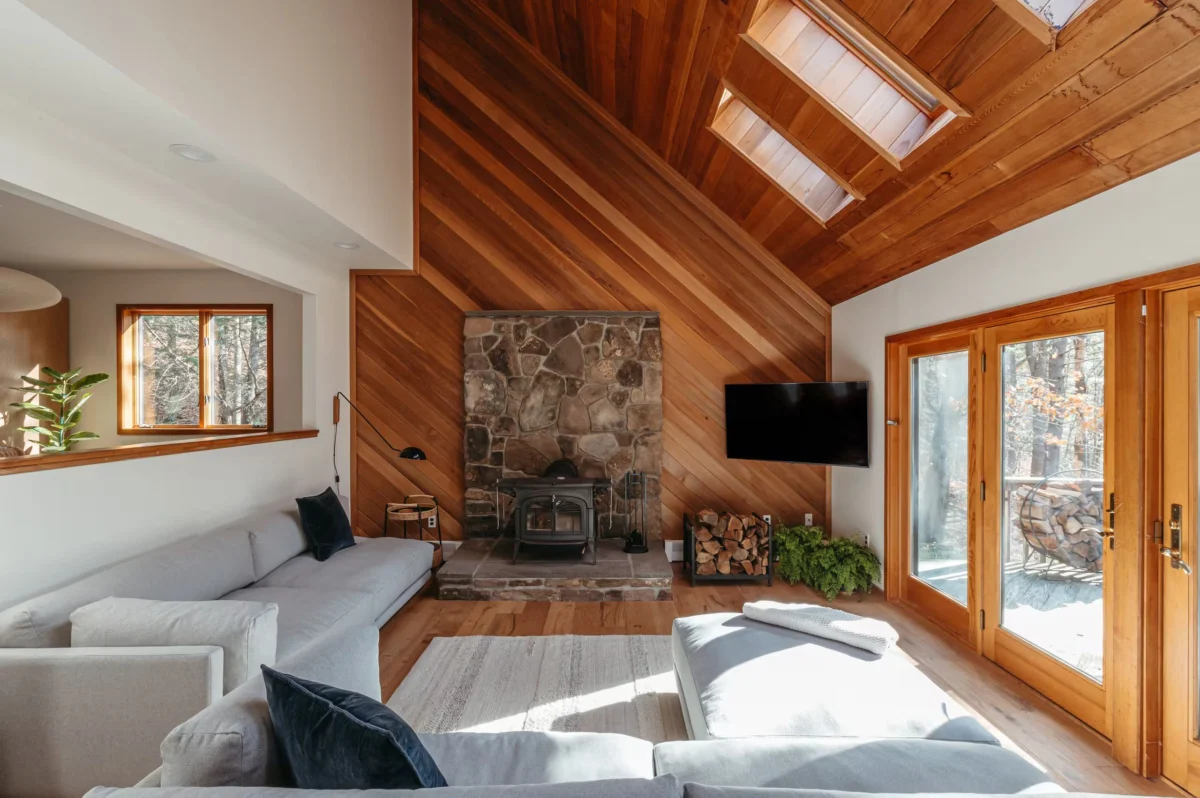
Glass-walled A-frame cabins are perhaps the quintessential Catskills image. These structures, often tucked deep into the forest, maximize the interplay between the interior living space and the surrounding wilderness. They are designed for the "cabin core" aesthetic, featuring wood-burning stoves, floor-to-ceiling windows, and minimalist interiors that prioritize the view of the canopy above.
Renovated Farmhouses and Industrial Cool
Beyond the cabins, there is a burgeoning market for restored 19th-century farmhouses. These properties appeal to families and groups, offering a "homestead" experience with modern amenities. Simultaneously, we are seeing the rise of "industrial chic" rentals—converted barns and old warehouses that offer wide-open floor plans, perfect for hosting large gatherings.
Official Perspectives and Industry Trends
Hospitality experts note that the Catskills are currently undergoing a shift toward "experiential lodging." Travelers are no longer just looking for a place to sleep; they are looking for properties that serve as a trailhead for their weekend activities.
"The modern guest in the Catskills is looking for intentionality," says a local property management consultant. "They want the property to feel like an extension of the town they are visiting. If they are in Woodstock, they want that bohemian, artistic energy. If they are in Phoenicia, they want the rugged, outdoor-adjacent vibe. The most successful hosts are those who curate their home to reflect the local geography."
This sentiment is echoed by local business owners, who emphasize that the influx of remote workers and weekenders has fundamentally altered the local economy. "It’s no longer a seasonal economy," says a restaurant owner in Livingston Manor. "We have a steady stream of guests coming up on Tuesdays and Wednesdays now, which allows us to keep our doors open and our staff employed year-round."
Implications: A Sustainable Future?
As the popularity of the Catskills grows, the region faces the inevitable challenges of success: the tension between gentrification and preservation. The rise in property values and the conversion of long-term housing into short-term rentals are topics of ongoing debate at local town hall meetings across the region.
However, the consensus among residents and visitors alike is that the Catskills possess a resilient spirit. The region’s identity is built on a history of welcoming outsiders—from the early vacationers to the diverse communities of the mid-century to the creative class of today.
For those planning a visit, the current landscape offers an unprecedented level of quality and variety. Whether you are seeking a quiet, wood-burning-stove-warmed weekend in Tannersville or a hike through the high peaks near Phoenicia, the Catskills remain the ultimate, accessible escape.
Final Thoughts for the Aspiring Traveler
When choosing your next upstate adventure, look for properties that lean into the region’s history. A home that preserves original woodwork or offers a nod to the area’s mid-century aesthetic provides a much deeper connection to the land than a generic rental.
The Catskills are a place that demands you slow down. They are a place to put down the phone, cancel your dinner reservations, and engage with the landscape. As a city gal who has spent years curating her own wishlist of these escapes, I can attest: there is no better way to recharge the spirit than by disappearing into these mountains, even if only for a few days.
Disclaimer: All recommended properties mentioned in our curated lists are vetted for Superhost status, high guest ratings, and unique amenities. Always check local guidelines and weather conditions before embarking on your trip to the Catskills.
 Sagoh
 Asro
