

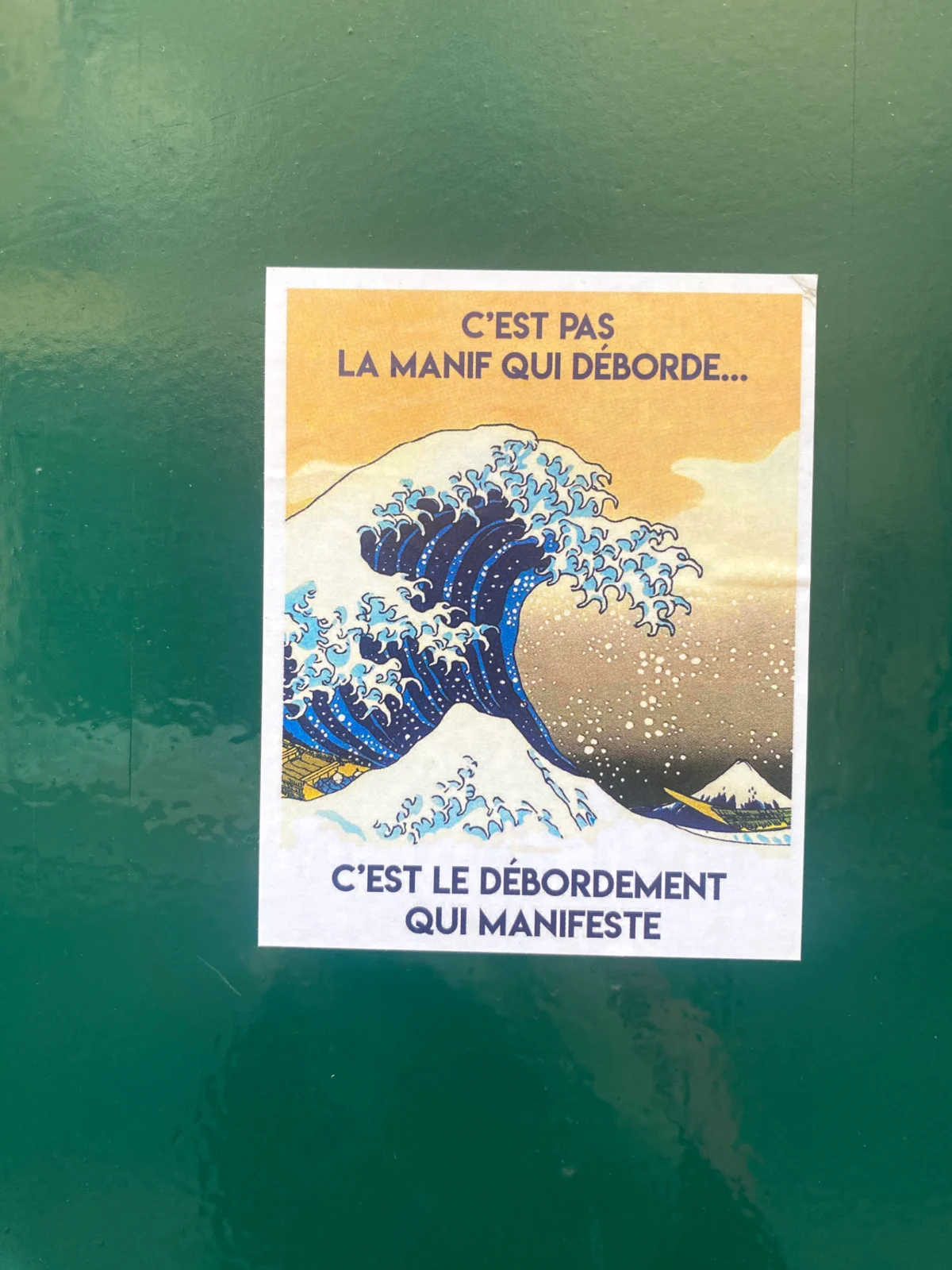
PARIS — For the international art world, October in the French capital is typically an exercise in refined luxury. Collectors, curators, and critics descend upon the city for Paris Art Week, moving in a well-heeled circuit between prestigious institutions, exclusive dinners, and tentpole art fairs like Asia Now and Art Basel Paris.
Yet, the 2026 edition of Paris Art Week will be remembered not for its blockbuster sales or curatorial triumphs, but for an eerie, volatile juxtaposition: the scent of burning plastic lingering in the air, the crackle of tear gas canisters echoing through historic boulevards, and the surreal experience of negotiating multi-million-dollar art acquisitions while a civil uprising unfolds outside the doors.
Main Facts: A City Divided Between the Canvas and the Barricade
The 2026 iteration of Paris Art Week unfolded against the backdrop of widespread socio-economic protests that rapidly escalated across France. While international buyers gathered inside venues like the newly renovated Grand Palais and the historic Chapelle Saint-Louis de la Salpêtrière to trade blue-chip contemporary art, the city outside was gripped by violent clashes between demonstrators, opportunistic looters, and law enforcement.
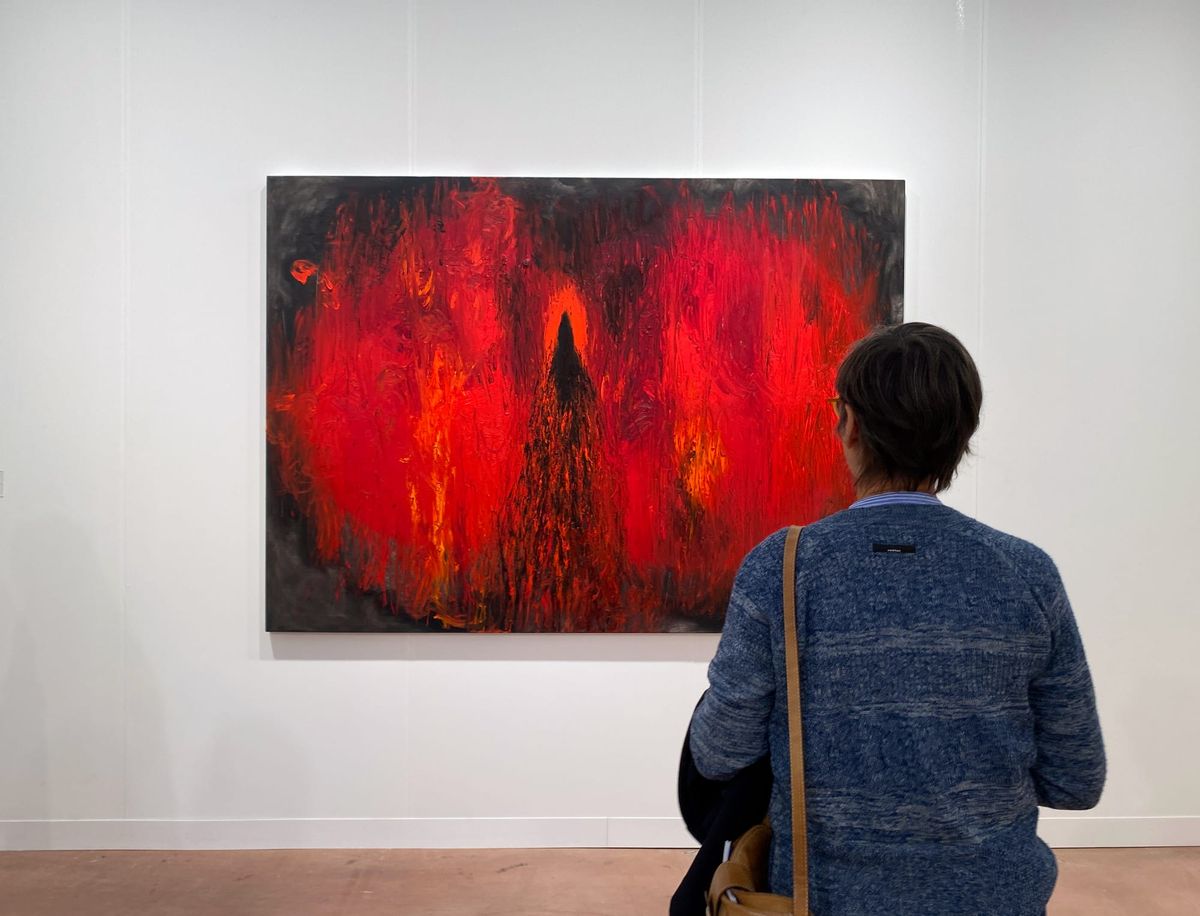
The unrest forced unprecedented security measures, multiple institutional closures, and ultimately, a premature shutdown of Art Basel Paris itself. The event laid bare the profound friction points of contemporary capitalism: the vast chasm between an insulated global elite celebrating high-value commodities and a populace driving an angry, disruptive grassroots uprising against systemic oppression.
Chronology of Events: From the Vernissages to the Early Shutdown
The tension had been building long before the official art week events kicked off. Historically, regular attendees of Paris Art Week have grown accustomed to disruption—navigating transport strikes in 2022 and high terror alerts in 2023. However, the events of October 2026 quickly overshadowed past logistical hurdles.
The Eve of Destruction (Saturday, October 17)
Arriving at the Gare du Nord on Saturday afternoon, visitors were immediately met with the reality of the crisis. Black-clad protesters clashed with police squads near the Marais district, while firefighters scrambled to extinguish scattered street fires. Bystanders and residents reported chaotic scenes along the Boulevard de Sébastopol, where law enforcement utilized heavy-handed crowd-control tactics.

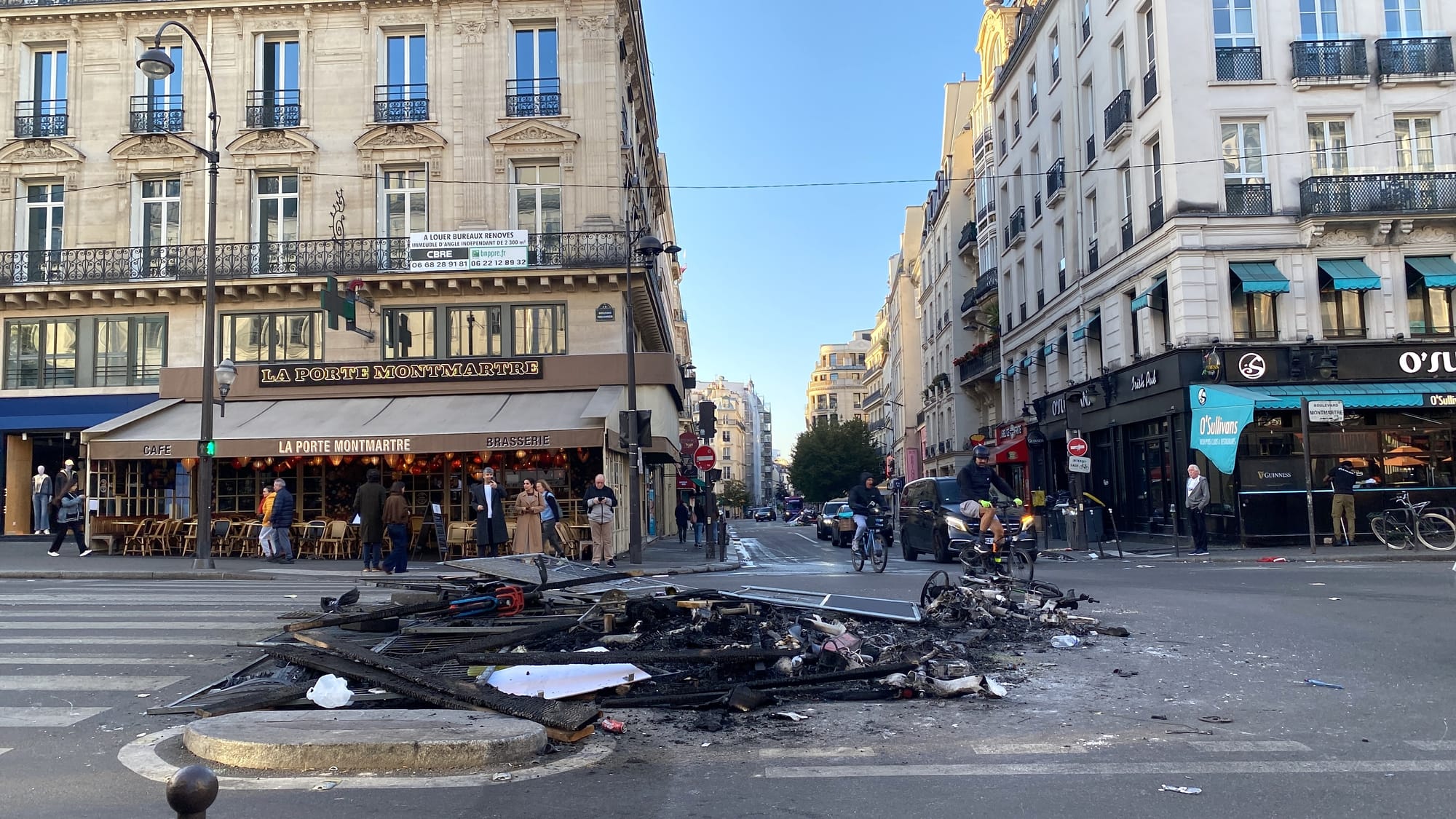
Throughout the city, the aftermath of Saturday night’s riots left visible scars. Smashed storefront glass, burned-out bicycles, and ransacked luxury boutiques, banks, and corporate supermarkets dotted neighborhoods like Montmartre, Bastille, and République.
Institutional Lockdowns and Postponements (Sunday, October 18 – Monday, October 19)
The cultural calendar began to unravel rapidly over the weekend.
- Saturday, 5:00 PM: As galleries were busy installing works for Art Basel Paris, the police prefecture ordered an immediate lockdown of the Grand Palais, trapping installers and organizers inside.
- October 15 – 18: The French Foreign Ministry postponed a high-profile design exhibition titled PASSAGES. Pas sages (a play on "disobedient") at the Quai d’Orsay, deeming it inappropriate for the social climate.
- Sunday: The Jeu de Paume called off the VIP opening of its major Stan Douglas exhibition.
- Monday: Students from the École du Louvre successfully blocked the main entrance of the Louvre museum, forcing a temporary closure. Later that evening, student-led actions forced the École des Beaux-Arts to cancel the opening of a retrospective dedicated to Gina Pane.
Business as Usual Inside the Grand Palais (Tuesday, October 20 – Wednesday, October 21)
By Tuesday afternoon, the ultra-VIP "Avant-Première" preview of Art Basel Paris opened its doors. The Grand Palais was fortified by concrete anti-ram barriers and heavily patrolled by private security and police details. Inside, shielded from the chaos, commercial transactions proceeded briskly. Millions of dollars changed hands as collectors brushed off the surrounding tumult. By Wednesday, municipal cleanup crews had cleared the debris from the immediate vicinity of the venue, scrubbing graffiti and replacing shattered windows, effectively segregating the commercial art enclave from the ongoing unrest in eastern Paris.
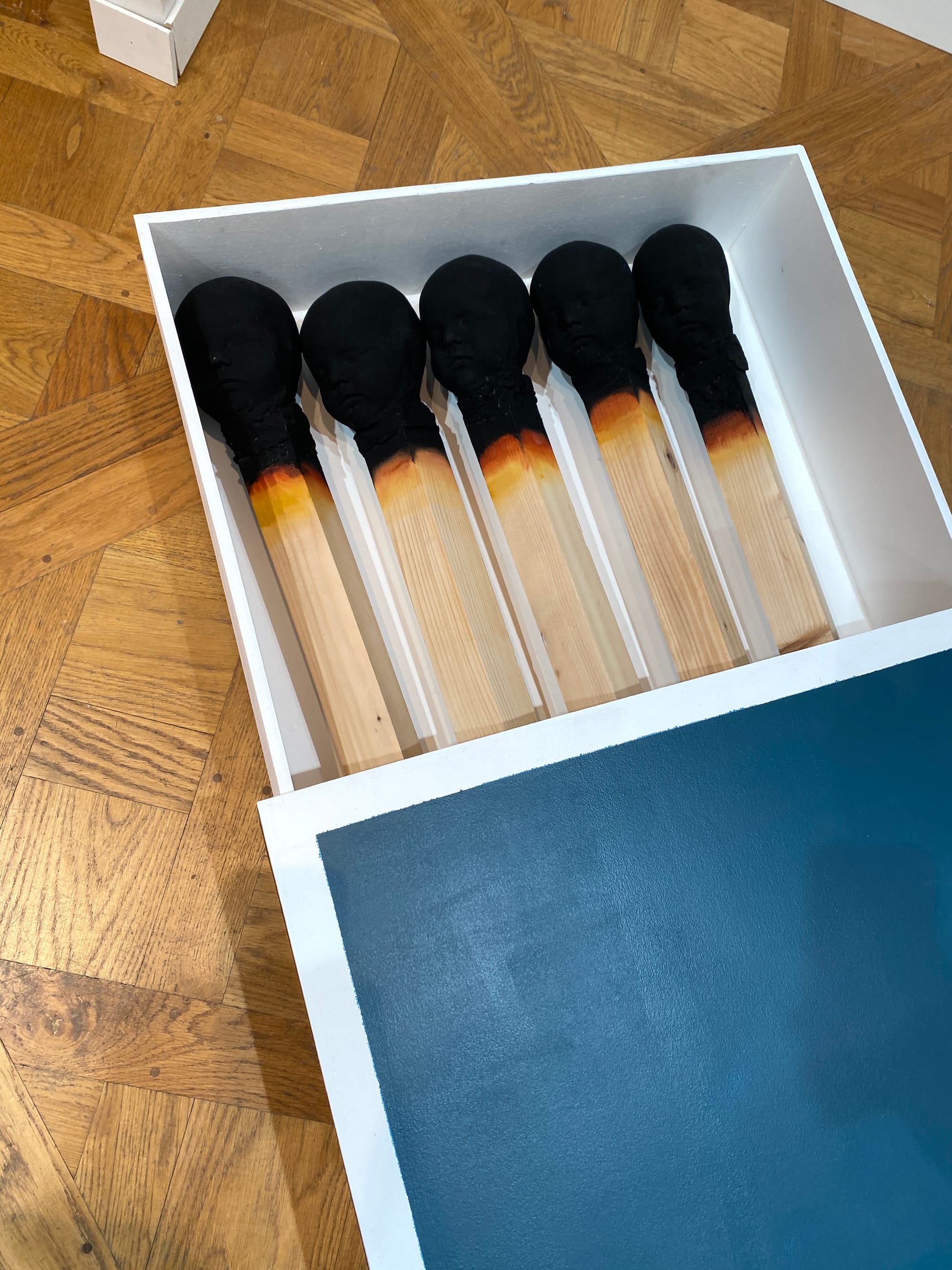
The Breaking Point and Early Closure (Thursday, October 22 – Friday, October 23)
The illusion of business as usual could not be sustained indefinitely. On Thursday afternoon, while visitors toured the Offscreen fair at the Chapelle Saint-Louis de la Salpêtrière—historically a site where Paris confined its mentally ill—an official announcement from Art Basel dropped: the fair would close its doors two days early, on Friday at 7:00 PM, citing mounting security risks ahead of another anticipated weekend of protests.
Supporting Data and Official Responses
The severity of the unrest prompted rare and drastic admissions from French authorities. The Interior Minister openly acknowledged that law enforcement had "lost control" of the streets during the height of the weekend clashes.
In response to the escalating violence, the embassies of the United States, China, and Germany issued formal travel advisories urging their citizens to steer clear of protest epicenters. Furthermore, local authorities imposed an overnight curfew—effective from 11:00 PM to 6:00 AM—across volatile zones including the Place de la République and sections of Les Halles, directly flanking the historically vibrant Marais art district.
Public sentiment toward the destruction was deeply polarized, even among the artistic community. Some high-profile artists chose to pull their work ahead of schedule. Sculptor Alicja Kwade oversaw the early dismantling of her 14-foot public installation, L’élévation des Mondes (2026), on Avenue Winston Churchill. Taking to Instagram, Kwade reflected the frustration of many cultural workers: "Protest is good, but why everything has to be smashed and destroyed is beyond… It certainly doesn’t help the cause."
Implications: The Art World’s Complicity and Conscience
The 2026 Paris Art Week crisis has reignited intense debates regarding the ethical validity of holding luxury art fairs during times of profound societal fracture. For critics and dissident artists, the fair system represents an out-of-touch plutocracy that instrumentalizes human suffering and social critique as mere decoration for the ultra-wealthy.
French-Moroccan artist El Mehdi Largo, who boycotted the week’s events entirely, did not mince words when discussing the spectacle: "I think the art fairs, in this context, are rather grotesque," Largo remarked while overlooking a streetscape scarred by burned debris. "Then again, art fairs are pretty grotesque in any context… For the elites, it could be art, or it could be thoroughbred horses; it won’t make any difference!"
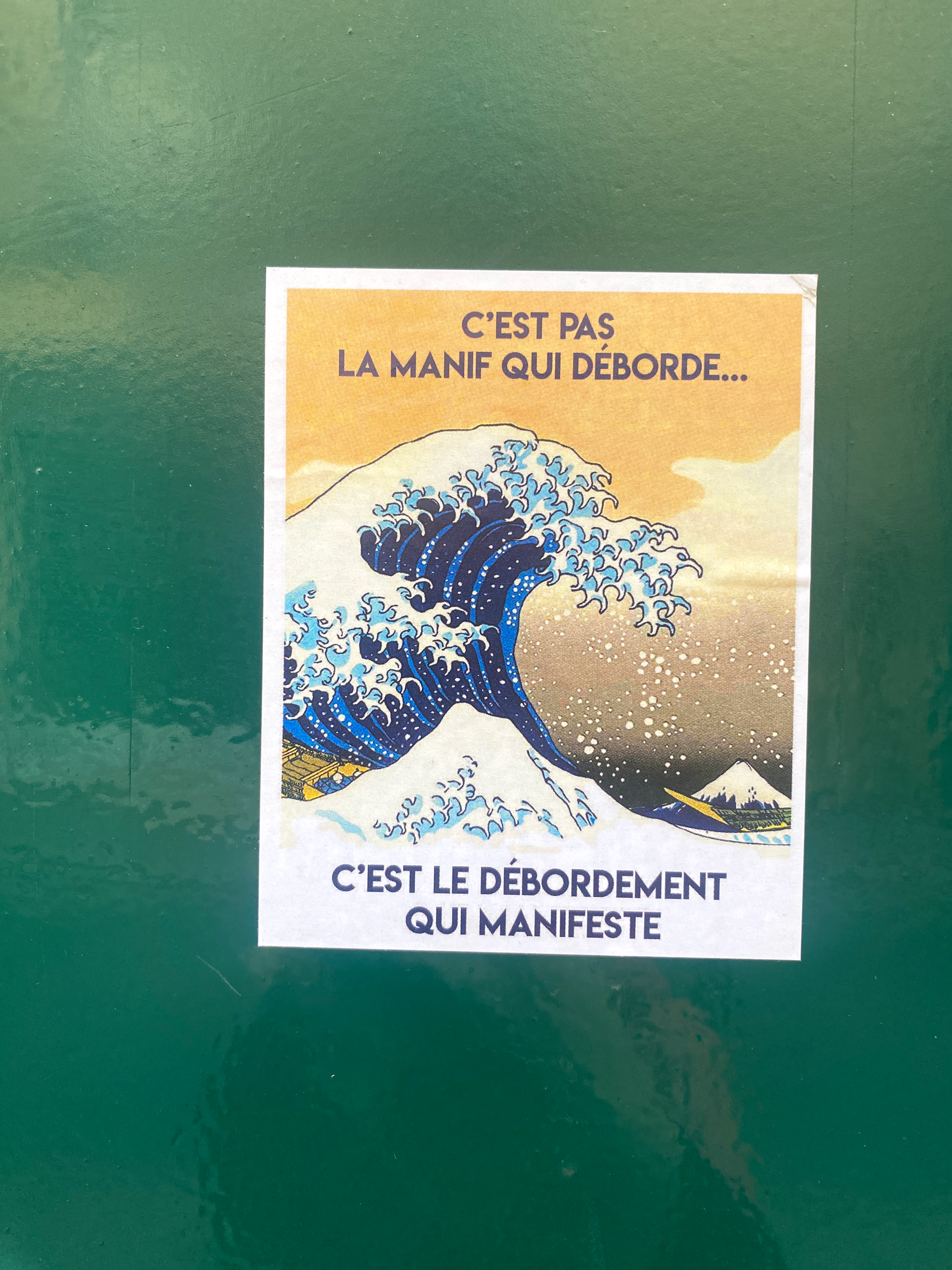
Conversely, international collectors and market operators defended their presence, framing the continuation of commerce as a testament to resilience rather than apathy. Selim Bouafsoun, a collector visiting from Tunisia, noted that he viewed public demonstrations as a fundamental democratic right rather than a deterrent. "We do not get scared by manifestations," Bouafsoun stated from the safety of the Grand Palais preview. "Manifestations are a right, and we respect their rights."
Meanwhile, other artists caught in the crossfire attempted to reconcile the dual impulses of creative expression and social rebellion. Iraqi-Finnish artist Adel Abidin, exhibiting at Offscreen, pointed out the striking parallels between political activism and artistic creation.
"While I condemn the vandalism and the violence, I think it’s inspiring to see that people can protest and have a voice," Abidin said, his words punctuated by the distant wail of police sirens and helicopter blades overhead. "Art, like every other gesture, is part of something bigger. Making art, like protesting, is a way of challenging what’s happening. They’re not really opposites."
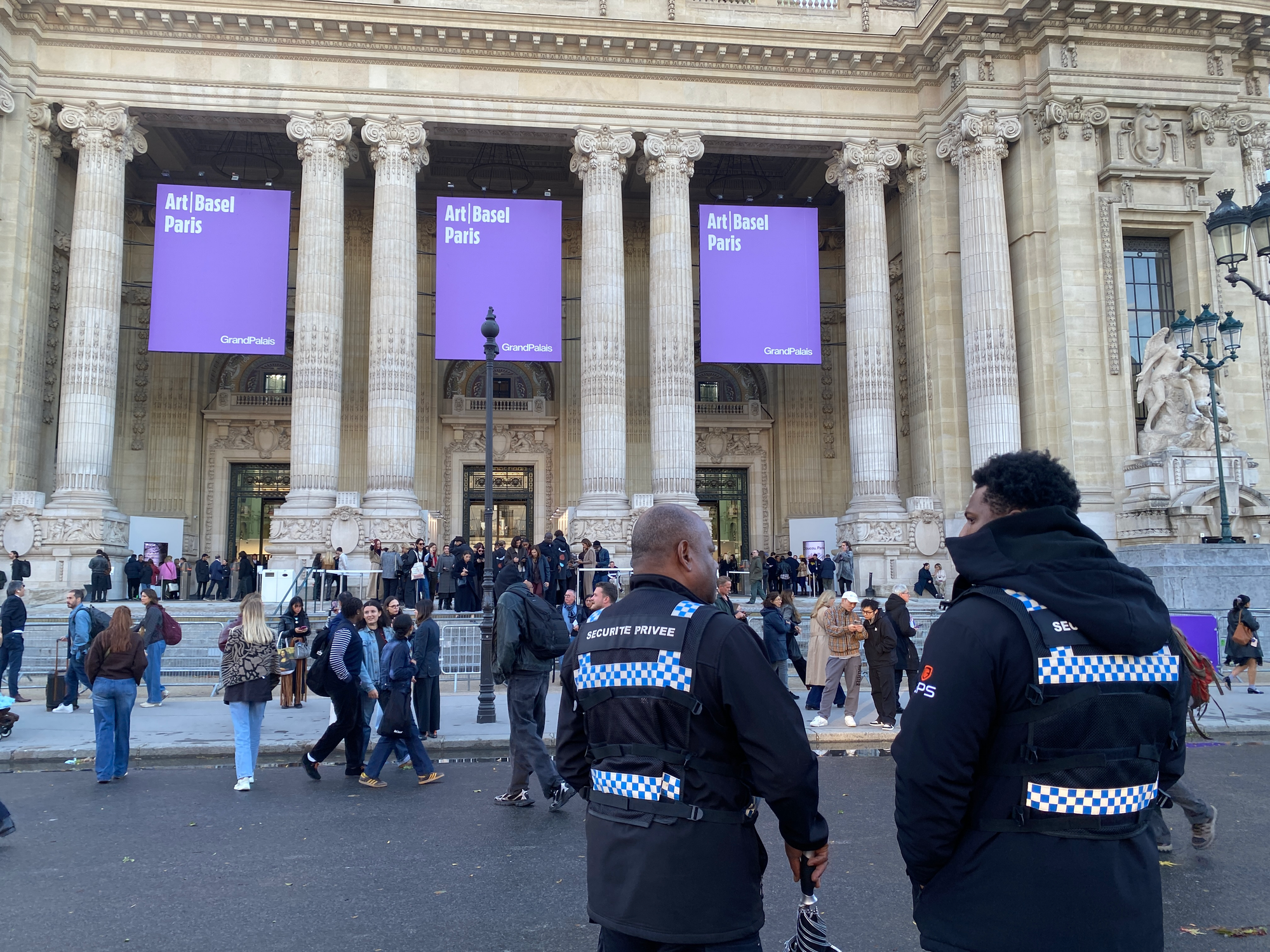
As the dust settles on a truncated Paris Art Week, the lingering question for the global cultural capital is not merely whether the market can bounce back, but whether the art world can continue to insulate its pristine white cubes from the very real, burning world outside its doors.
 Dwi Wanna
 Neng Nana
 Ali Ikhwan
