

For decades, the Nordic region has served as the global north’s beacon for holistic living. Long before the Swedish philosophy of lagom—the pursuit of "just the right amount"—became a household term across the globe, the region was quietly exporting a lifestyle rooted in balance, nature, and egalitarian health. From the restorative heat of Finnish saunas and the communal comfort of Danish hygge to the grit of Finnish sisu and the "Viking wellness" of Iceland’s geothermal pools, the Nordic mindset is not merely a collection of trends; it is a profound, shared ethos of well-being.
As the world grapples with the mounting stresses of modern life, the Nordic approach to wellness has moved from a regional curiosity to a global imperative. Central to this resurgence is an activity that bridges the gap between professional athletic training and meditative nature therapy: Nordic walking.
The Evolution of a Movement: From Ski Tracks to Forest Trails
To understand the current fascination with Nordic walking, one must look back to its origins, which are as practical as the Nordic landscape itself. The practice did not emerge from a luxury wellness studio; it was born out of the necessity of the off-season.
A Chronology of the Nordic Stride
- 1930s: Competitive cross-country skiers, seeking to maintain their conditioning during the snowless summer months, begin incorporating specialized poles into their running regimens. This was the first documented intersection of ski-pole utility and pedestrian fitness.
- 1966: Physical education teacher Leena Jääskeläinen introduces the concept to the general public in Finland, marking the first time the practice moves beyond elite competitive sports and into the realm of community health.
- 1997: The Finnish sporting goods company Exel designs the first specialized "Nordic Walker®" poles, creating a specific tool for the burgeoning public movement.
- 1998: A pivotal year for the sport, as over 500,000 Finns—out of a population of roughly five million—adopt the practice.
- 2000: The International Nordic Walking Federation (INWA) is formally established, providing a governing structure that would eventually see the sport spread to over 40 countries.
The Mechanics of Wellbeing: Why Nordic Walking Works
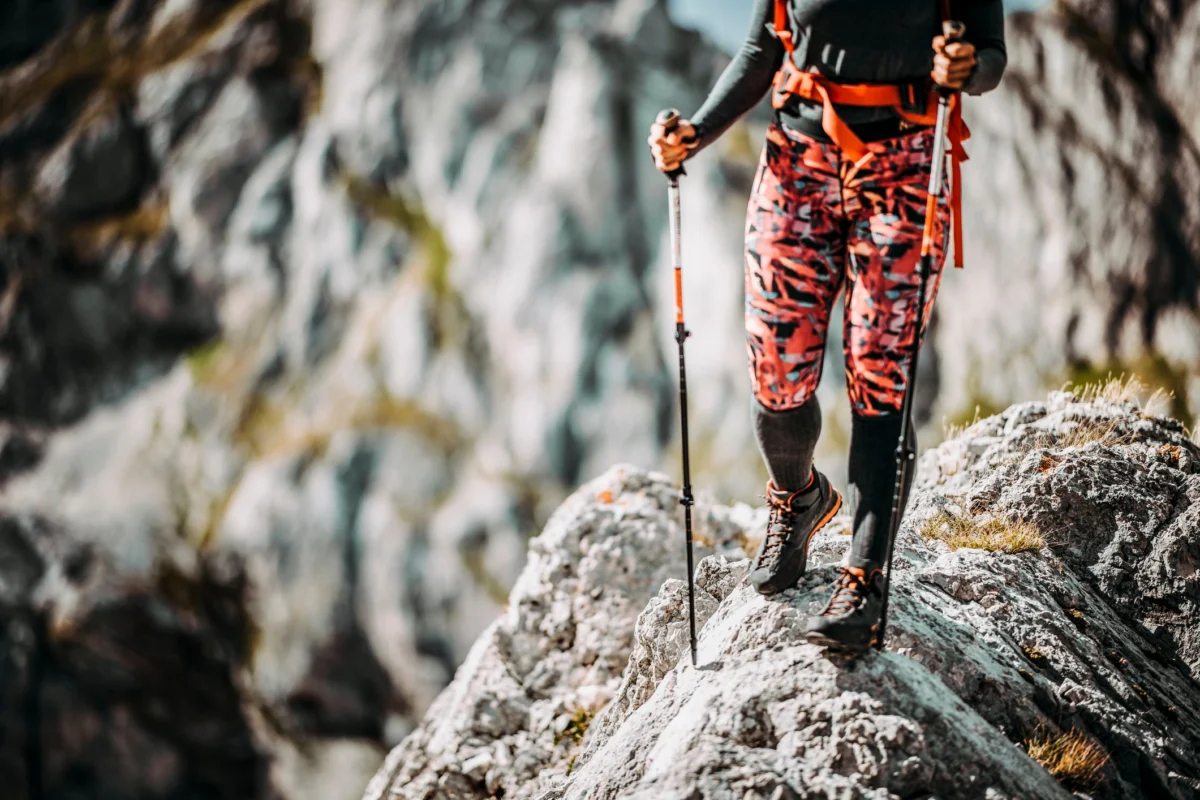
Nordic walking is frequently mistaken for simple hiking with trekking poles, but the distinction is vital. While trekking poles are used primarily for balance on uneven, steep terrain, Nordic walking poles are designed to provide a full-body workout by engaging the upper body in a rhythmic, propulsion-based motion.
According to the INWA, the primary health benefit lies in the engagement of the entire muscular system. By using ergonomically designed poles, walkers can activate their core, shoulders, and arms, significantly increasing the calorie burn compared to regular walking without placing undue stress on the joints.
"It is a fun, social, and efficient form of physical activity," explains Aki Karihtala, President of the INWA. Karihtala, who headed the sports division at Exel during the sport’s initial boom, was instrumental in coining the term "Nordic walking." He notes that the practice is designed for everyone: "Regardless of age, religion, and culture, there are no boundaries. It takes people back to nature."
To ensure accessibility, the INWA developed the "INWA 10 Step Method™," a progressive educational framework designed to teach the technique safely to novices. This emphasis on technique ensures that participants—from professional athletes in their prime to elders looking for low-impact movement—can sustain the activity over a lifetime.

The Cultural Foundations: Nature as a Prescription
The success of Nordic walking as a wellness trend is intrinsically linked to the broader Nordic relationship with the outdoors. In countries like Sweden, the concept of Allemansrätten—the "right of public access"—guarantees every citizen the freedom to roam and connect with nature, regardless of land ownership.
This government-sanctioned access to the wilderness transforms nature from a luxury commodity into a fundamental human right. It fosters a symbiotic relationship with the environment that is rare in more urbanized societies. For the Nordic people, health is not something you go to a gym to find; it is something you inhabit by stepping outside.
The Return to Intentional Living
Finnish trend and branding expert Katja Presnal, a longtime observer of the wellness industry, argues that the global pivot toward Nordic wellness is a reaction against the complexity of modern life. Having spent two decades tracking global trends and reaching millions of readers, Presnal eventually opted for a "slower, more intentional way of life."
She purchased a 100-year-old former dairy in the Finnish countryside, effectively creating her own "365-day retreat." For Presnal, the transition to Nordic walking was not about following a trend, but about reclaiming the richness of her upbringing. "It was about making everyday life a wellness regimen," she notes. "You don’t recognize your Nordic way of living as something special that could become a global trend because it’s just a part of who you are."
Implications for the Global Wellness Industry
The rapid international adoption of Nordic walking signals a shift in the global wellness market. Consumers are moving away from high-intensity, "no pain, no gain" workouts toward sustainable, low-threshold activities that prioritize mental clarity and social connection.
1. The Accessibility Factor
Unlike many modern wellness trends that require expensive memberships, specialized equipment, or high-end retreats, Nordic walking is remarkably democratic. The cost of entry is minimal—a pair of poles and a pair of walking shoes—and the barrier to entry is lowered by the fact that it can be performed anywhere there is a path. This aligns perfectly with the egalitarian values of the Nordic countries.
2. The Social Dimension
As the world battles an epidemic of loneliness, the social nature of Nordic walking offers a solution. Whether it is through local walking clubs or informal groups meeting in public parks, the activity provides a platform for community building. It is a shared ritual that fosters conversation and camaraderie in the open air.

3. Sustainability and Simplicity
The Nordic trend reflects a broader cultural desire to simplify. By returning to the basics—walking, breathing, and moving through the landscape—individuals are finding a way to curb the stress associated with the hyper-connected, digital-first modern life. The focus is no longer on how fast you can run, but on how effectively you can integrate movement into your daily routine.
A Blueprint for the Future
As we look toward the future of health, the Nordic model offers a compelling blueprint. It suggests that the most effective wellness rituals are those that are grounded in the mundane, accessible to all, and deeply connected to the natural world.
For those looking to adopt this practice, the advice from experts is simple: do not wait for a formal event like World Nordic Walking Day. Start by seeking out a local instructor to learn the proper technique, invest in a pair of poles that match your height and gait, and find a path that connects you to the outdoors.
In the end, Nordic walking is more than just a workout. It is an invitation to slow down, to engage with one’s surroundings, and to find, as the Swedish say, the "optimal balance." In a world that is increasingly loud and fragmented, the rhythmic strike of poles against a forest trail might just be the most resonant sound of our time.
By embracing this simple, ancient-yet-modern ritual, we are not just walking; we are returning to a way of living that honors both our physical bodies and our need for connection with the world around us. The "Nordic trend" is, in essence, a reminder of what we have known all along: true wellness is found in the simple act of taking the next step, together.
 Asro
 Evan Lee Salim
 Nana Muazin
