

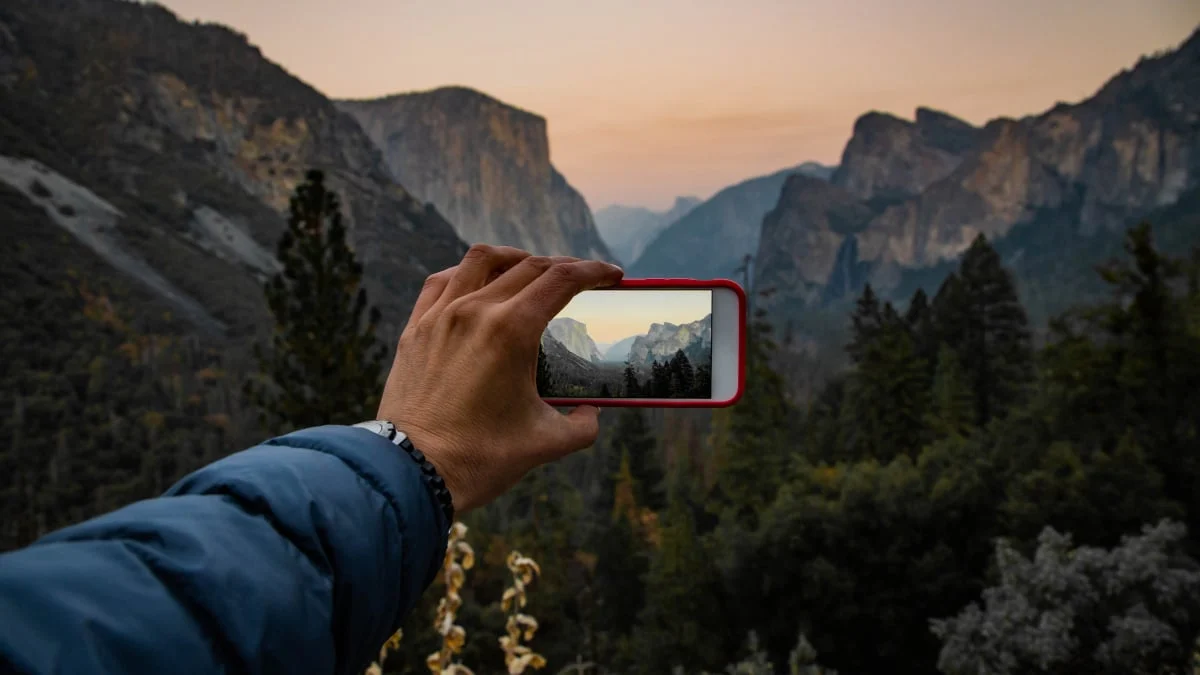
In the digital age, the modern ritual of taking a break often begins innocently enough. You unlock your phone, intending to give your eyes a brief rest from a demanding work spreadsheet or a cluttered room. You open Instagram, TikTok, or X, expecting a moment of mental suspension. Yet, twenty minutes later, you find yourself entrenched in three separate comment-section ideological wars, deeply unsettled by a global crisis you only learned about an hour prior, and wondering with a vague sense of cognitive dissonance why you picked up your device in the first place.
This inescapable descent into negative, anxiety-inducing content has a well-documented name: doomscrolling. It is a psychological trap engineered by infinite-scroll algorithms that monetize human negativity bias, keeping us glued to our screens through sheer distress.
However, a cultural and behavioral antidote is steadily gaining traction across social platforms. It offers a conscious pivot away from digital outrage without requiring users to retreat entirely into offline isolation. It is called bloomscrolling—and it just might change how we consume digital media.
What Is Bloomscrolling? Defining the Antidote to Digital Despair
At its core, bloomscrolling is defined as the intentional, active pursuit of uplifting, calming, inspiring, or educational content instead of passively allowing algorithmic anxiety to dictate your feed. Rather than opening an application and waiting to see what distressing news item or raging debate surfaces next, a bloomscroller opens an app with a predetermined positive destination in mind.
This might look like searching for underwater footage of an Australian coral reef, watching an artisanal pottery-making process from start to finish, tracking the daily updates of a rescue animal, or watching an urban forager identify edible weeds in a city park.
Crucially, bloomscrolling is not synonymous with toxic positivity or willful ignorance. Proponents and mental health professionals emphasize that pivoting toward positive content does not mean pretending global crises do not exist or burying your head in the sand.
"It does not mean pretending that bad things are not happening or completely avoiding the news," explains neuropsychologist Dr. Sanam Hafeez. "It is more about creating a healthier balance so that everything you see online is not making you feel anxious, angry, or overwhelmed."
The Psychology and Science Behind the Scroll
While the term "bloomscrolling" feels distinctly modern, the human psychological response to soothing imagery and positive reinforcement has been studied by researchers for over a decade. Scientists have long sought to understand what viewing uplifting or nature-based imagery actually does to our brains and subsequent cognitive performance.
The Restorative Power of Nature Imagery
In a notable 2021 study published in the peer-reviewed literature, researchers recruited 30 young adults and exposed them to images of natural environments versus built, urban environments for three minutes each. The results were clear: participants reported feeling significantly more comfortable, calm, and relaxed after viewing the nature images compared to the built environments, demonstrating how rapidly visual stimuli can influence autonomic nervous system states.
The "Cute Factor" and Focus
The benefits extend far beyond natural landscapes. A fascinating 2012 study published in PLOS One by Japanese researchers investigated how viewing cute images—specifically young animals—affected subsequent task performance. Across three distinct experiments, participants who viewed images of puppies and kittens showed measurable, greater improvements on tasks requiring high levels of dexterity and focused visual search compared to control groups who viewed adult cats and dogs, or less emotionally engaging imagery.
While looking at a video of a kitten on TikTok may not single-handedly solve a productivity slump, these studies underscore that positive digital media can fundamentally alter our psychological state, lowering stress markers and sharpening cognitive focus rather than merely offering a fleeting smile.
Chronology of a Shift: From Doomscrolling to Intentional Curation
To understand how bloomscrolling emerged as a mainstream concept, it is helpful to trace the evolution of our screen-time habits over the past decade.
- 2016–2019 (The Rise of the Infinite Feed): Social media platforms perfected endless-scroll mechanisms, optimizing algorithms for engagement. Engagement metrics quickly proved that outrage, controversy, and fear were the most reliable drivers of platform retention.
- 2020–2021 (The Era of "Doomscrolling"): Amidst the global pandemic and heightened sociopolitical polarization, "doomscrolling" entered the cultural lexicon. Oxford University Press even named it a runner-up for word of the year in 2020, as millions of people fell into compulsive late-night sessions of reading catastrophic news.
- 2022–2023 (The Wellness Tech Backlash): As burnout rates soared, consumers began pushing back against hyper-connected misery. Movement grew toward "digital minimalism," app timers, and "phone-free bedrooms."
- 2024–Present (The Birth of Bloomscrolling): Recognizing that total abstinence from smartphones is unrealistic for most modern adults, behavioral scientists, digital creators, and wellness experts began championing "intentional curation." Bloomscrolling crystallized as a middle ground: staying connected to the digital world, but radically altering how we interact with it.
Expert Insights and Official Perspectives
Mental health advocates and digital wellness researchers have largely endorsed the philosophy of bloomscrolling, framing it as an essential coping mechanism for the attention economy.
Psychologists note that human brains evolved in small tribes where we only needed to worry about immediate, localized threats. The modern internet floods our primitive nervous systems with global catastrophes simultaneously, triggering chronic fight-or-flight responses. By intentionally introducing awe, humor, and beauty back into our feeds, we give our nervous systems permission to recalibrate.
Furthermore, digital wellness experts emphasize that curation is an active skill. Just as a healthy diet requires grocery shopping with intention rather than grabbing whatever processed snack sits closest to the checkout aisle, a healthy digital diet requires users to aggressively train their algorithms.
Hitting "not interested," blocking toxic accounts, and deliberately seeking out niche creators who focus on education, social good, and environmental progress are treated by modern psychologists as vital acts of digital hygiene.
Practical Guide: How to Bloomscroll Without Losing Hours
Transitioning to bloomscrolling does not require deleting your social media accounts or embarking on a drastic digital detox. Instead, it involves micro-adjustments to your daily digital habits.
1. Identify Your Triggers and Curate Your Feed
Take a hard look at who and what you follow. Mute or unfollow accounts that consistently leave you feeling drained, enraged, or inadequate. Use platform tools like "not interested" or custom feed features to train your algorithm to serve you content that aligns with your peace of mind.
2. Follow Creators Who Inspire
To help jumpstart your bloomscrolling journey, look to content creators who specialize in wholesome, educational, or uplifting material:
- For Nature and Slow Living: Creator Cecilia Blomdahl (@sejsejlija on Instagram/TikTok) offers breathtaking glimpses into life on Svalbard, showcasing Arctic scenery, cozy cabin routines, and her dog, Grim.
- For Urban Foraging and Enthusiasm: Alexis Nikole Nelson (@blackforager) brings infectious, high-energy joy to the identification and cooking of edible plants.
- For Positive Global News: Sam Bentley (@sambentley) counters news anxiety by regularly highlighting global environmental progress, clean-energy innovations, and social good initiatives.
3. Establish Firm Time Boundaries
Even the most wholesome, puppy-filled feed has one major trait in common with doomscrolling: it has no natural ending. Infinite loops are designed to steal your time. Set rigid boundaries. Utilize physical intervention tools like a "Brick" screen-time device, or set native app limits to ensure your uplifting break doesn’t bleed into a two-hour time sink.
4. Translate Digital Inspiration into Physical Reality
Perhaps the most important rule of bloomscrolling is that the screen should ultimately serve as a bridge to the physical world, not a permanent substitute for it. If a video inspires you to paint, pick up a sketchbook. If a cooking tutorial makes your mouth water, step into the kitchen and make the recipe. If a nature documentary sparks your curiosity, step outside.
Ultimately, the most successful bloomscrolling session is the one that gives you a compelling, joyful reason to put your phone down entirely.
 Raul Delapena Setiawan
 Azzam Bilal Chamdy
 Muslim
