

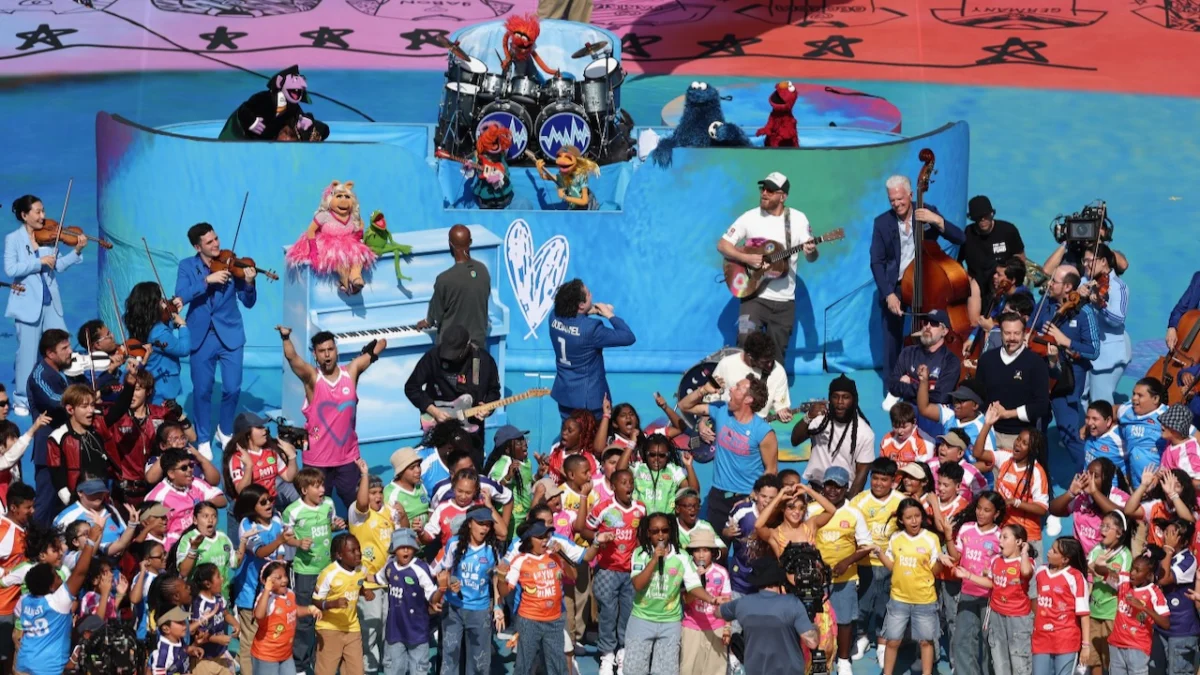
The 2026 FIFA World Cup Final, held at the stadium known to fans as MetLife but branded by FIFA as the "New York/New Jersey Stadium," will be remembered for more than just the crowning of a world champion. In a historic departure from tradition, the tournament featured its first-ever halftime show—a sprawling, surreal, and unabashedly ambitious 11-minute production that attempted to unite the disparate worlds of global pop, classical music, and the Muppets.
Featuring a lineup that included Justin Bieber, Madonna, Shakira, and BTS, the performance was a testament to the sheer scale of the world’s most popular sport. Yet, as the final notes of the ensemble finale faded, the overarching sentiment from critics and fans alike was one of bewilderment. It was a spectacle that prioritized global reach over narrative cohesion, resulting in a production that was as impressive as it was fundamentally disjointed.
The Chronology of a Musical Marathon
For 96 years, the FIFA World Cup had resisted the "Super Bowl-ification" of its halftime break, preferring the traditional 15-minute tactical reset. For the 2026 final, however, FIFA opted to break its own regulatory seal, extending the break to 30 minutes to accommodate a logistical feat of unprecedented proportions.
The show kicked off with a high-energy nightclub aesthetic as Madonna took the stage, weaving together a medley of "Music" and "Danceteria." She was flanked by Brazilian soccer icons Ronaldinho and Ronaldo, grounding the performance in the sport’s heritage. However, the momentum shifted abruptly thereafter.
In a dizzying display of genre-blending, conductor Gustavo Dudamel led a massive orchestral ensemble—including the New York Philharmonic, Venezuela’s Simón Bolívar Symphony Orchestra, and Iranian vocalist Bijan Mortazavi—through a symphonic rendition of "Seven Nation Army." The inclusion of Dr. Teeth and the Electric Mayhem provided a jarring, albeit colorful, transition before the stage was ceded to the global juggernaut that is BTS. Their performance of "Dynamite" brought the crowd to a fever pitch, serving as the show’s undeniable rhythmic peak.
The tone pivoted sharply when Ted Lasso stars Jason Sudeikis and Brendan Hunt appeared to introduce Justin Bieber. Bieber opted for a stark, subdued acoustic performance of "Everything Hallelujah," a choice that effectively brought the stadium’s energy to a grinding halt. The atmosphere was only salvaged by the arrival of Shakira and Burna Boy, who delivered "Dai Dai," the official anthem of the 2026 tournament.
The finale was a kaleidoscopic mess of grand proportions: the PS22 Chorus led an original track titled "We Dance," joined by an ever-expanding roster of guests, including members of Coldplay, Shakira, and the Muppets—Kermit the Frog and Miss Piggy included.
A Production Burdened by Tonal Whiplash
While the ambition of the production was undeniable, the execution revealed the inherent difficulty of compressing such diverse artistry into an 11-minute window. Critics have pointed to the "tonal whiplash" as the primary culprit for the show’s perceived lack of cohesion.
The transition from the high-octane pop of BTS to the acoustic, introspective balladry of Justin Bieber created a structural void that the show never quite recovered from. In contrast to the Super Bowl halftime shows, which are generally built around a singular artistic vision or a curated tribute to a specific era, the 2026 FIFA show felt like a collection of disparate marketing assets forced into a singular timeline.
Despite the criticism, there were "flashes of genuine fun." Shakira’s vibrant presence provided a necessary anchor, and the sheer visual scale of having the New York Philharmonic playing alongside the Muppets provided a moment of pop-culture absurdity that felt appropriately "World Cup."
Supporting Data: The Global Citizen Initiative
Behind the pyrotechnics and the celebrity cameos, the show served a philanthropic purpose. Produced in partnership with Global Citizen, the performance was designed to spotlight the FIFA Global Citizen Education Fund.
This joint initiative carries the ambitious goal of raising $100 million to expand access to education and football development programs for underserved children across the globe. According to reports from the organizers, the campaign has already secured over $50 million. A significant portion of this funding is being driven by a direct revenue-sharing model: $1 from every ticket sold to every match of the 2026 tournament is earmarked for this fund.
The involvement of high-profile artists like BTS and Shakira, who are currently engaged in massive world tours, helped to amplify the reach of this campaign, ensuring that the spectacle—however chaotic—served a measurable humanitarian function.
Official Responses and Behind-the-Scenes Logistics
The logistics of mounting such a show were, by all accounts, a nightmare. Sources indicate that Justin Bieber’s participation was only solidified 11 days before the final. The pop star, who has been in a period of intense creative output—having headlined Coachella 2026 and surprise-released the live album SWAG LIVE FROM COACHELLA (WEEKEND I)—was clearly a "last-minute get" for organizers aiming to ensure the show had sufficient star power to compete with the spectacle of the NFL.
FIFA’s decision to allow a 30-minute halftime break was met with mixed reviews from purists who argue that the integrity of the game relies on the rhythm of the 15-minute intermission. Yet, the governing body appears satisfied with the engagement metrics. The viewership numbers for the 2026 Final set new records, and the halftime show—regardless of its artistic merits—was a social media juggernaut, generating millions of mentions and driving conversation across every major platform.
The Implications: A New Era for the World Cup?
The 2026 FIFA World Cup halftime show sets a challenging precedent. By introducing an American-style entertainment spectacle to the world’s most prestigious soccer match, FIFA has signaled that it is looking to expand its commercial footprint.
However, the "spectacular, chaotic mess" of this year’s performance raises questions about whether this will become a permanent fixture. If FIFA intends to continue this tradition, the organization will likely need to refine its production strategy. The current model—a rapid-fire medley of global stars—favors quantity over quality. To achieve the cultural resonance of the Super Bowl, future iterations will need to find a way to weave these disparate performances into a singular, coherent narrative rather than a series of disconnected music videos performed on a pitch.
Moreover, there is the question of the athletes. Many players have expressed concern over the extended break, noting that cooling down for 30 minutes can negatively impact physical performance in the second half. Whether the potential for increased revenue and global marketing exposure will outweigh these concerns remains to be seen.
Ultimately, the 2026 show was a bold, flawed experiment. It was a mirror of the modern globalized world: loud, messy, star-studded, and deeply earnest in its attempt to marry entertainment with a higher cause. Whether it succeeds as a long-term tradition or remains a one-off curiosity will depend on how the footballing community digests the spectacle in the coming years. For now, the 2026 Final stands as a unique moment in history where the world’s game took a half-hour breather to let the world’s biggest pop stars dance.
 Asro
Asro
 Lina Irawan
 rifanmuazin
