

By Aimee Hart
Published Oct 5, 2026
Main Facts
The landscape of British television has been upended by a series of explosive revelations regarding the modern status of Doctor Who. According to franchise veteran and former showrunner Russell T. Davies, the long-running sci-fi institution did not fall victim to "wokeness," creative exhaustion, or fan backlash—popular talking points often hurled across online forums. Instead, the ultimate demise of the current iteration of Doctor Who was caused by a much more mundane and systemic issue: bureaucratic paralysis and institutional inaction within the BBC.
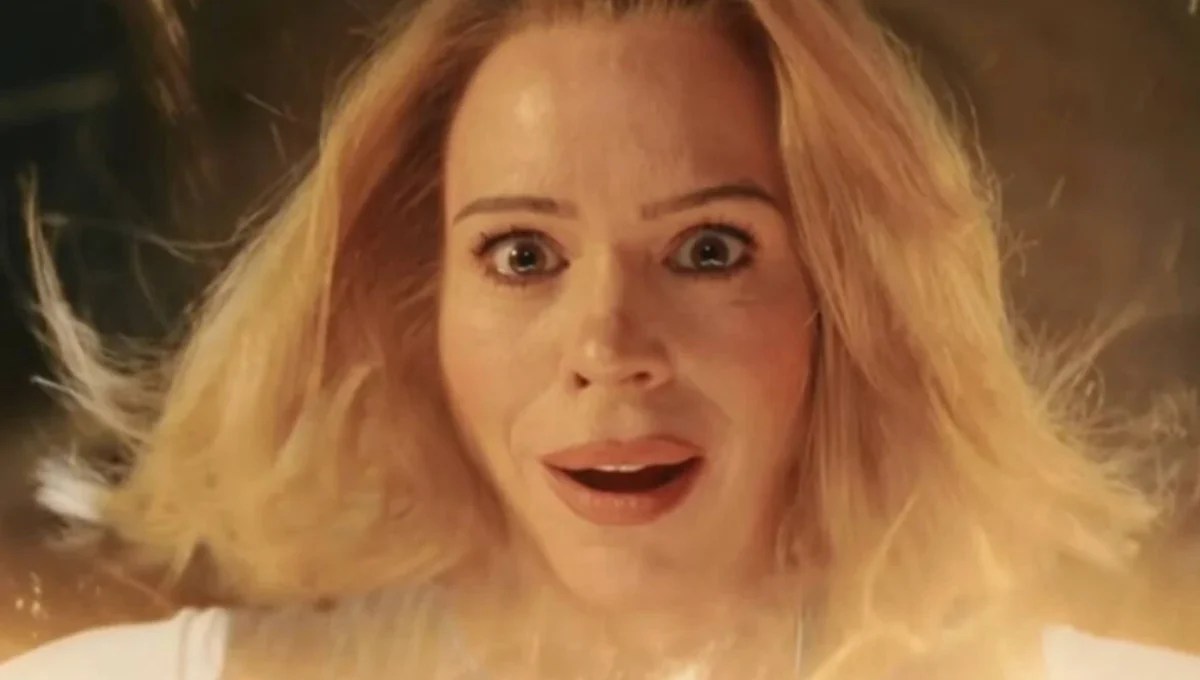
In excerpts from his newly published memoir, The Queerest of Folk, serialized in The Guardian, Davies lays bare the behind-the-scenes turmoil that followed the conclusion of the controversial two-season partnership between the BBC and Disney. The collapse of this global streaming alignment, combined with escalating financial pressures at the public broadcaster and sluggish decision-making during moments of critical crisis, has left the historic franchise facing an uncertain future. Most shockingly, Davies reveals how he orchestrated a desperate, eleventh-hour creative gamble to save the show—including having the Fifteenth Doctor (Ncuti Gatwa) regenerate into original revival companion Rose Tyler, played by Billie Piper—only for the intervention to be undermined by ongoing institutional delays.
Chronology: The Rise, Fall, and Limbo of the Disney Era
To understand how Doctor Who arrived at its current state of limbo—now forced into a competitive tender process—it is necessary to examine the timeline of events that unspooled behind closed doors following the 2005 revival and the subsequent multi-million-dollar international co-production deal.
The Disney Partnership and Early Friction
When the BBC announced its high-profile partnership with Disney+ to co-produce Doctor Who starting with Ncuti Gatwa’s tenure as the Fifteenth Doctor, fans anticipated a golden age of expansive budgets, global distribution, and cinematic production values. However, industry insiders and critics quickly noted that the cultural marriage was awkward at best. The tone required for a globally marketable, Disney-backed family adventure series frequently clashed with the eccentric, distinctly British sensibilities that had defined the science-fiction staple for over six decades.

Despite creative efforts to appeal to international audiences, the streaming numbers and commercial returns failed to hit the necessary metrics to justify a long-term renewal. After two seasons, the partnership dissolved, leaving the production apparatus of Doctor Who stranded without its primary financial safety net.
The Limbo and the Piper Gamble
With Disney out of the picture, the production team found themselves trapped in administrative purgatory. The BBC, hamstrung by internal restructuring and mounting fiscal strain, struggled to define a clear path forward for its most valuable intellectual property.
During the production of the second-season finale, Davies and his creative team filmed an ending in which Gatwa’s Fifteenth Doctor regenerated into an open-ended, ambiguous future. Fearing that an unconfirmed regeneration would signal to the audience that Doctor Who was being quietly put out to pasture for good, Davies pivoted aggressively. He convened an emergency Zoom meeting with top BBC executives to pitch a dramatic course correction: the Fifteenth Doctor would instead regenerate into Billie Piper, reprising her iconic role as Rose Tyler.
Piper agreed to the return, and the scene was adjusted. As Davies writes in his memoir, the stunt succeeded in grabbing headlines and temporarily forcing the television industry to pay attention to the show once more, though it immediately sparked fierce debate among the fanbase regarding continuity and nostalgia-baiting.
The Final Breakdown
Despite the shockwave generated by Piper’s return, the administrative machinery of the BBC could not capitalize on the momentum. A proposed Christmas special featuring the Daleks invading a quaint English village won praise from executives, but execution stalled. Piper took on other commitments (such as Netflix’s Wednesday), Davies turned his focus to his new television project Tip Toe, and the BBC’s financial reserves plummeted to their lowest level in a decade. Realizing that further expenditure on a dying model was futile, Davies pulled the plug, paving the way for the series to enter competitive tender.

Supporting Data: Institutional Strain and the BBC’s Financial Crisis
Davies’ memoir offers a rare, unvarnished look at the realities of producing television inside a "vast institution" like the BBC. He points directly to the hostile media landscape in the United Kingdom, characterized by relentless pressure from conservative press barons and right-wing media outlets poised to weaponize every creative or financial misstep made by the public broadcaster.
Compounding this external pressure was internal upheaval. The departure of key executives—most notably Chief Content Officer Charlotte Moore, whom Davies describes as one of Doctor Who’s "greatest champions"—left the production without a powerful ally in the upper echelons of corporate management.
At the same time, the broader economic health of the BBC deteriorated rapidly. Publicly available financial reports from late 2026 highlight that the corporation’s cash reserves dropped to their lowest point in ten years, severely limiting its ability to fund high-cost prestige dramas independently without external co-financiers like Disney. Without a streaming giant to shoulder production costs, and with the licence fee model under constant political scrutiny, the BBC was financially unequipped to sustain Doctor Who at the scale Davies required.
Official Responses and Industry Reactions
Neither the BBC nor Disney has issued a formal point-by-point rebuttal to the specific claims made in The Queerest of Folk, though historical statements from network representatives have consistently emphasized the broadcaster’s ongoing commitment to the future of the franchise.
Industry analysts, however, have been quick to weigh in on the implications of Davies’ disclosures. Many television critics have noted that the reliance on legacy characters—such as the attempted resurrection of the RTD-era mythos via Billie Piper—reveals a creative exhaustion within contemporary television production. Rather than trusting new storytelling frameworks, the franchise repeatedly looks backward to capture fading lightning in a bottle.
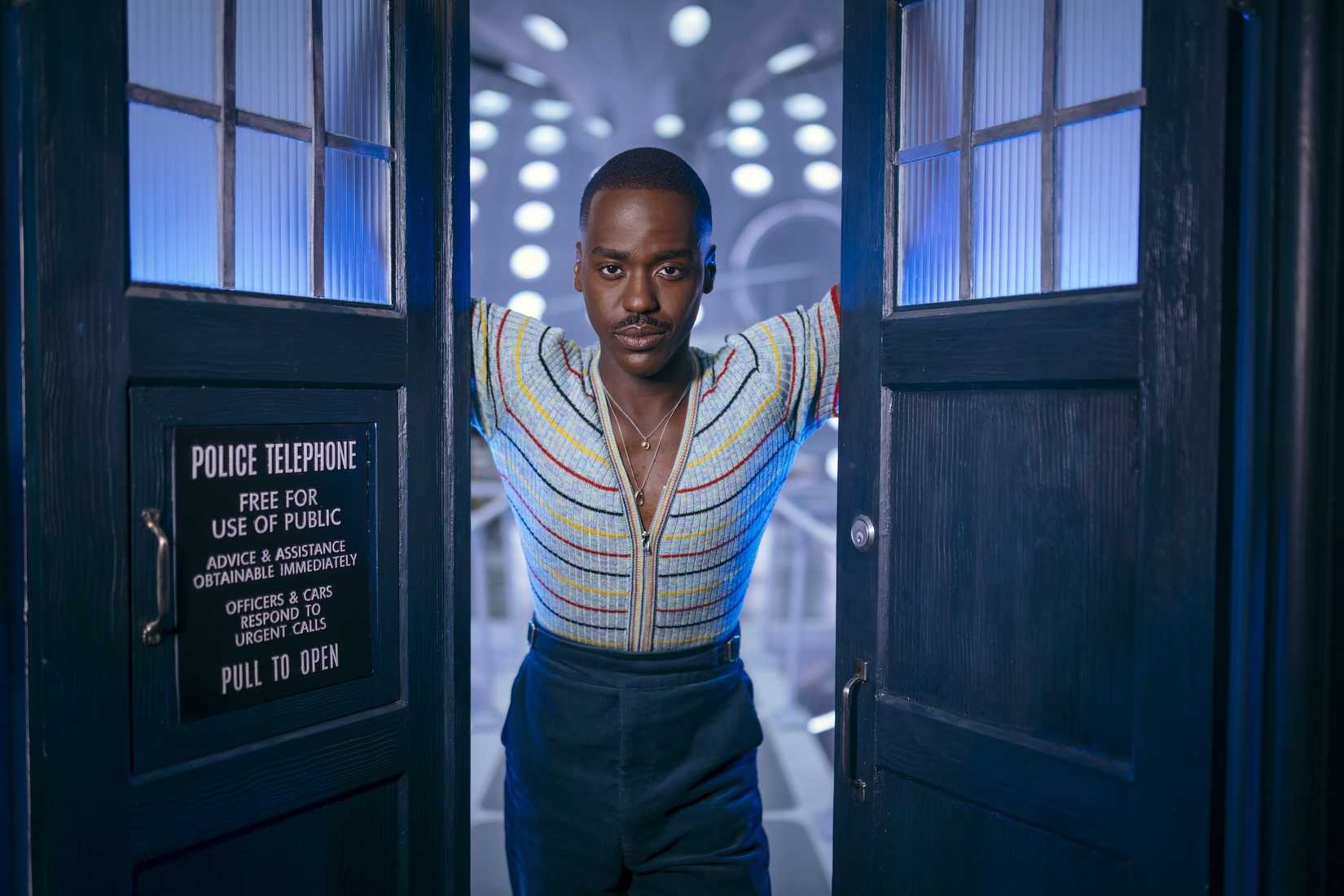
Meanwhile, the announcement that Doctor Who is heading to competitive tender has sent ripples through the British television sector. Production companies across the UK are currently positioning themselves to pitch for the rights to shepherd the Time Lord into a post-Davies, post-Disney landscape.
Implications: A "Clean, Bold, and Bright" Future—or More of the Same?
As Doctor Who prepares to transition to a brand-new production team following the competitive tender process, the overarching question remains: Can the franchise truly reinvent itself, or is it perpetually bound to the ghosts of its past?
Davies adopts an optimistic tone in his memoir regarding the handover, arguing that letting go of the current administrative structure "sets the show free" and allows a new generation of creators to build something "clean and bold and bright."
However, industry observers remain skeptical. By leaving incoming showrunners with the narrative grenade of Billie Piper’s return—a massive, continuity-heavy plot thread that demands immediate resolution—Davies has arguably ensured that the next era of the show cannot start with a blank slate.
For the dedicated global fandom, known colloquially as Whovians, the coming months will require a recalibration of expectations. With the BBC’s financial troubles showing no signs of abating and the traditional television landscape shifting beneath their feet, the future of the TARDIS will depend less on nostalgic cameos and more on structural fiscal stability. Whether the next iteration of the Doctor can successfully navigate the bureaucratic vortex that sank the last one is a mystery even the Time Lords may struggle to solve.
 Asep Darmawan
 Pevita Pearce
 Raul Delapena Setiawan
