

By Tech Insights Bureau
July 1, 2026
As Apple navigates a period of significant transition—both in its executive leadership and its global supply chain operations—the company is reportedly gearing up for a major hardware refresh in the first half of 2027. According to recent reports, the Cupertino tech giant is preparing a multi-pronged assault on the high-performance computing market, centered on four new iterations of the iPad Pro and a strategic expansion of the MacBook Pro lineup.
Central to these developments is the debut of the M7 processor, a chip that represents the next leap in Apple’s custom silicon architecture. As the company faces increasing pressure from both macroeconomic headwinds and the evolving needs of its professional user base, this upcoming cycle is shaping up to be one of the most critical in the company’s recent history.
The Core Hardware Refresh: Power and Versatility
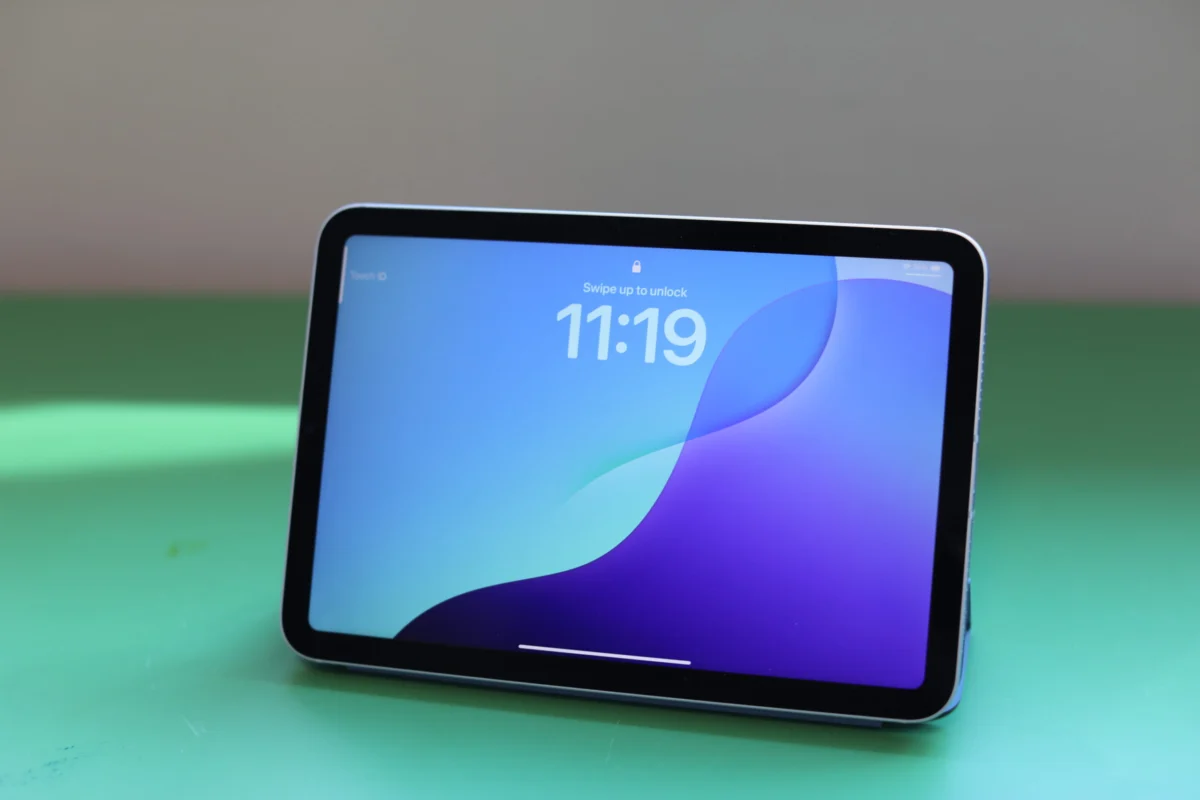
At the heart of Apple’s 2027 strategy is a significant update to its flagship tablet line. Sources familiar with the company’s internal roadmap indicate that four distinct models of the iPad Pro are currently in development. Following the release of the M5-powered iPad Pro in October 2025, these upcoming tablets are expected to leverage the raw processing power of the yet-to-be-announced M7 chip.
The "K104" Initiative: A New MacBook Pro Tier
Perhaps the most intriguing development is the project internally designated as "K104." This initiative focuses on a new "entry-level" MacBook Pro. While the term "entry-level" has historically been associated with the MacBook Air or the specialized MacBook Neo, the K104 is intended to be a full-fledged professional machine.
This suggests that Apple is attempting to bridge the widening price gap between its consumer-grade laptops and its high-end workstation machines. By introducing a more accessible Pro model, Apple likely aims to capture a segment of the market that has been priced out by recent inflationary adjustments and the rising costs of semiconductor components.
Chronology: A History of Recent Hardware Cycles
To understand the gravity of the 2027 roadmap, one must look at the cadence of Apple’s recent releases. The last two years have been defined by rapid, yet sometimes controversial, product cycles.
- October 2025: Apple launches the M5-equipped iPad Pro, establishing a high-performance baseline for its tablet division.
- March 2026: A dual-launch event introduces a refreshed high-end MacBook Pro line and the experimental "MacBook Neo." The Neo, notably, runs on the A18 chip—an architectural departure that prioritized efficiency and repairability over the sheer power of the M-series.
- June 2026: Reports surface regarding significant price hikes across the MacBook and iPad lines. The 1TB MacBook Pro, for example, saw its price surge from $1,699 to $1,999, citing volatility in memory costs and supply chain constraints.
- July 2026: Current reporting confirms the development of the M7-powered iPad Pro and the "K104" entry-level MacBook Pro, setting the stage for a H1 2027 launch.
This timeline highlights a pivot from the experimental nature of the MacBook Neo back toward a consolidation of the "Pro" brand. The company appears to be betting that performance-hungry users are willing to invest in new hardware, provided that hardware can justify its cost through significant architectural upgrades.
Supporting Data: The Cost of Innovation
The context surrounding these upcoming releases is heavily influenced by the economic realities of 2026. Apple’s supply chain, long considered the gold standard for efficiency, has been strained by a convergence of factors.
Pricing and Supply Chain Volatility
The recent decision to increase the price of the 1TB MacBook Pro by nearly 18% is indicative of a broader industry trend. Increased costs for high-bandwidth memory (HBM) and specialized semiconductor materials have forced Apple to adjust its pricing strategy.

For the average consumer, this has created a "Pro-tier gap." With the MacBook Neo occupying the lower-end price point and the current MacBook Pro models drifting toward the $2,000 threshold, the "entry-level" Pro segment has been left under-served. The K104 model is effectively a correction, designed to fill the vacuum left by the increasing cost of flagship components.
The M7 Paradigm Shift
The M7 processor is expected to be more than a simple iterative upgrade. Given the trajectory of Apple’s silicon—moving from the M1 through M5—the M7 is projected to integrate enhanced neural processing units (NPUs) tailored for the next generation of generative AI models. As Apple continues to integrate its intelligence features across iPadOS and macOS, the M7 will likely be the hardware foundation that distinguishes "Pro" capabilities from standard consumer tasks.
Official Responses and Corporate Stance
As is characteristic of the company, Apple has maintained a policy of silence regarding unreleased products. When approached for comment regarding the K104 project or the specifications of the upcoming iPad Pro models, Apple representatives did not provide an immediate response.
However, public comments from CEO Tim Cook have previously alluded to the pressures currently facing the company. In recent earnings calls, Cook has pointed to "extraordinary supply chain challenges" as the primary driver for recent price adjustments. His remarks suggest that Apple is not intentionally seeking to raise prices, but rather that it is attempting to protect margins in an environment where the cost of raw inputs for advanced silicon has skyrocketed.
Implications: The Post-Cook Era and Beyond
The 2027 roadmap serves as a preview of the company’s direction as it slowly approaches a post-Tim Cook era. Strategic focus is being placed on product lines that offer high margins and high user loyalty, such as the iPad Pro and the MacBook Pro.
1. Market Diversification
By expanding the MacBook Pro lineup, Apple is signaling that it no longer views the "Pro" moniker as a monolithic entity. There is a "Pro-consumer" (those who need high performance but not workstation-level extremes) and a "Pro-professional" (creatives and engineers). The K104 will likely target the former, potentially stealing market share from high-end Windows laptops that have dominated the mid-range professional market.
2. The Foldable Factor
While the focus remains on tablets and laptops, the background noise regarding a foldable iPhone cannot be ignored. The development of new silicon like the M7 and the potential refinement of display technologies for the iPad Pro are almost certainly feeding into the R&D for a foldable device. If the 2027 hardware refresh is successful, it will provide the financial and technological runway needed to launch a foldable iPhone—a product that could redefine Apple’s hardware identity for the next decade.
3. Consumer Sentiment
The success of these products will ultimately depend on whether Apple can convince the market that the price hikes of 2026 were an anomaly rather than the new status quo. If the M7-powered iPad Pro and the K104 MacBook Pro can offer a distinct value proposition—perhaps through better repairability or substantially improved battery efficiency—the company may regain the goodwill lost during the recent price hikes.
Conclusion
As we look toward the first half of 2027, the tech industry remains focused on Cupertino. Apple is playing a high-stakes game of balancing technological advancement with the harsh realities of global supply chains. Whether the M7 chip and the "K104" laptop can reinvigorate the creative professional market will depend on the execution of these plans. For now, the hardware roadmap suggests that Apple is not slowing down; instead, it is refining its focus to ensure that its most premium products remain the gold standard in an increasingly expensive world.
 Asep Darmawan
 Ali Ikhwan
