


Main Facts
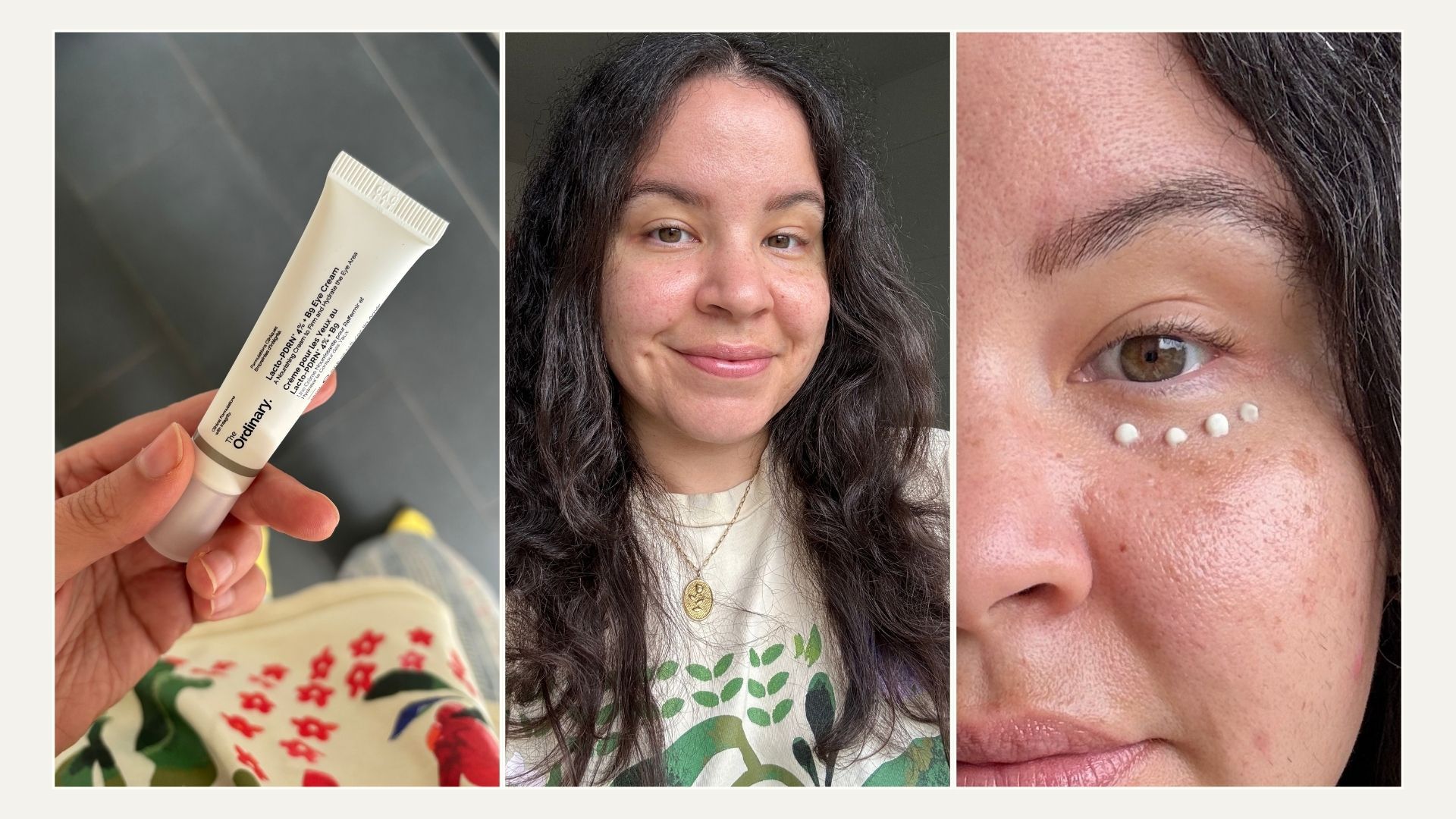
In the fast-paced world of beauty journalism, skin-care routines are often exhaustive, multi-step regimens involving everything from heavy-hitting active serums to targeted blemish treatments. Yet, even among professionals, certain steps frequently fall by the wayside. For beauty editor Mica Ricketts, eye cream has historically been a sporadic addition rather than a non-negotiable staple. However, the viral ascent of a new, budget-friendly product—The Ordinary Lacto-PDRN 4% + B9 Eye Cream, priced at an accessible £8.70—has prompted a reevaluation of this skipped step.
Formulated with advanced biotech ingredients designed to target texture, firmness, and the early signs of aging rather than just post-late-night puffiness, this budget-conscious cream has sparked widespread discussion across social media platforms. Combining a vegan PDRN alternative with folic acid (Vitamin B9) and modern film-forming technology, the product promises immediate visual smoothing and long-term structural support. For consumers navigating the subtle shift from treating fatigue in their twenties to managing thinning skin and fine lines in their late thirties, this formulation offers a compelling, low-risk entry point into the buzzy PDRN skin-care category.
Chronology
The Evolution of Eye Care Needs Across Decades
The relationship individuals have with eye care naturally shifts as they age, a trajectory clearly mapped out through personal testing and journalistic observation:
- The Twenties (Late Nights and Hangovers): Skincare concerns during this decade primarily revolve around acute sleep deprivation. The objective is instant mitigation: cooling, metal-tipped eye creams kept in refrigerators to combat fluid retention and de-puff eyes following late nights and early morning commutes.
- The Early Thirties (Parenthood and Exhaustion): The onset of parenthood introduces a relentless cycle of chronic fatigue. The search shifts toward brightening formulas designed to counteract a perpetually exhausted appearance and restore a semblance of radiance to the periorbital region.
- The Late Thirties (The Shift to Texture and Aging): By age 37, priorities pivot away from temporary fixes for party fatigue toward the structural changes in the skin. Fine lines begin to multiply, while the skin around the eyes thins, losing its natural plumpness and developing a crepey texture that easily catches concealer and setting powders.
The Testing Period: A Month-Long Trial
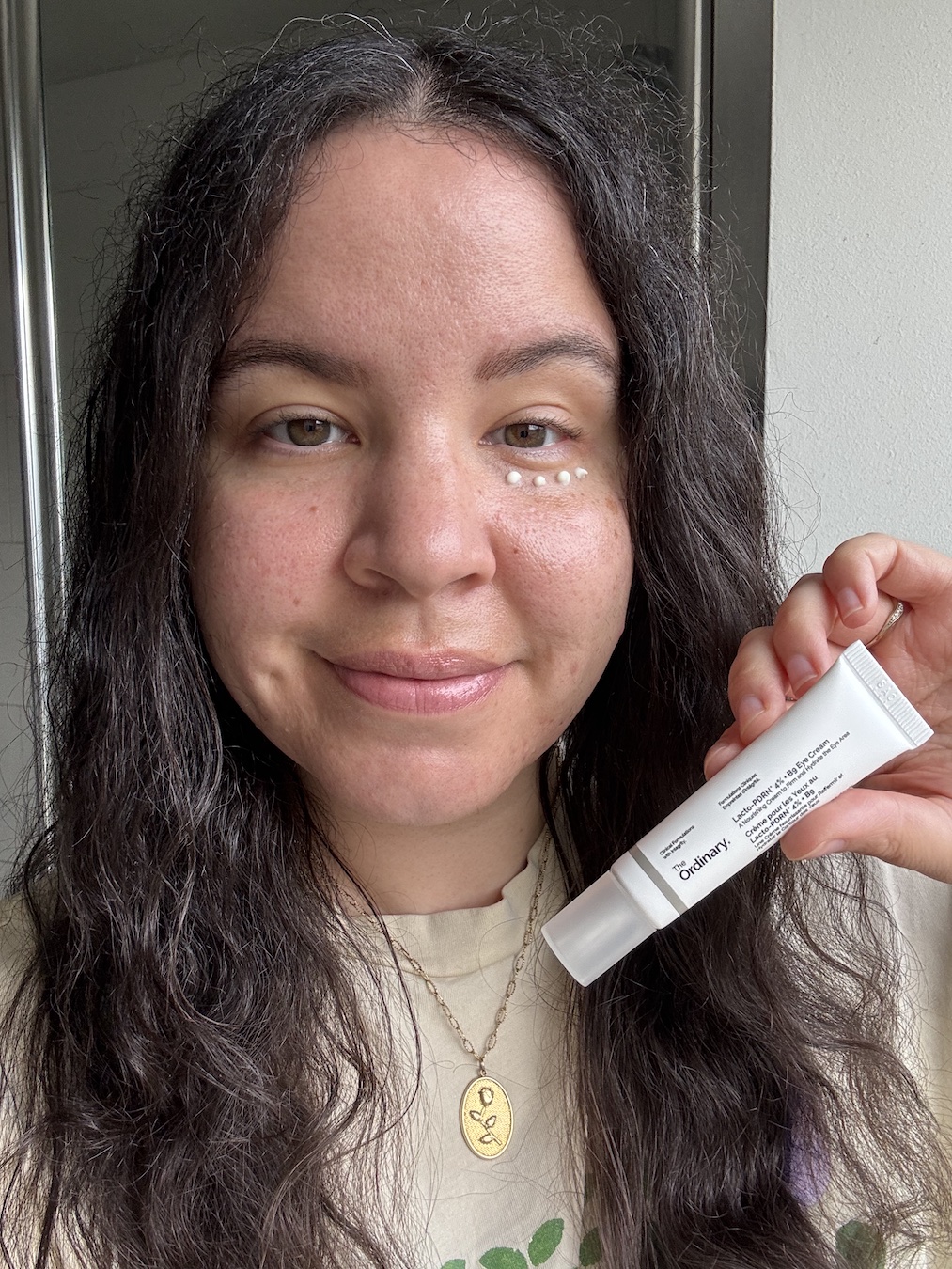
To accurately assess The Ordinary’s latest release, Ricketts committed to a rigorous testing schedule spanning approximately one month. Applied morning and evening—following cleansing and prior to heavier moisturizers—the product was tested for its immediate sensory impact, layerability under daily makeup, and longer-term textural benefits.
While evening application occasionally slipped from the routine due to ingrained habits, the morning application quickly cemented itself as an essential priming step. After two weeks of consistent use, the under-eye area exhibited enhanced softness and sustained hydration, shifting the reviewer’s perception of eye creams from an optional luxury to a functional daily necessity.
Supporting Data and Ingredient Breakdown
Understanding the efficacy of The Ordinary Lacto-PDRN 4% + B9 Eye Cream requires an examination of its core components and market positioning:
- Price Point: At £8.70, the product undercuts traditional luxury eye treatments significantly, offering an economical gateway to advanced cosmetic technologies.
- Key Active Ingredients:
- Lacto-PDRN (4%): A biotech-derived, vegan alternative to salmon-derived Polydeoxyribonucleotide (PDRN). It is engineered to support the skin’s natural repair mechanisms and enhance elasticity and firmness over extended periods.
- Folic Acid (Vitamin B9): Included to fortify the skin’s moisture barrier, support overall hydration, and refine the delicate skin texture around the eyes.
- Film-Forming Technology: A specialized cosmetic polymer network that creates an immediate mechanical smoothing and tightening effect upon application.
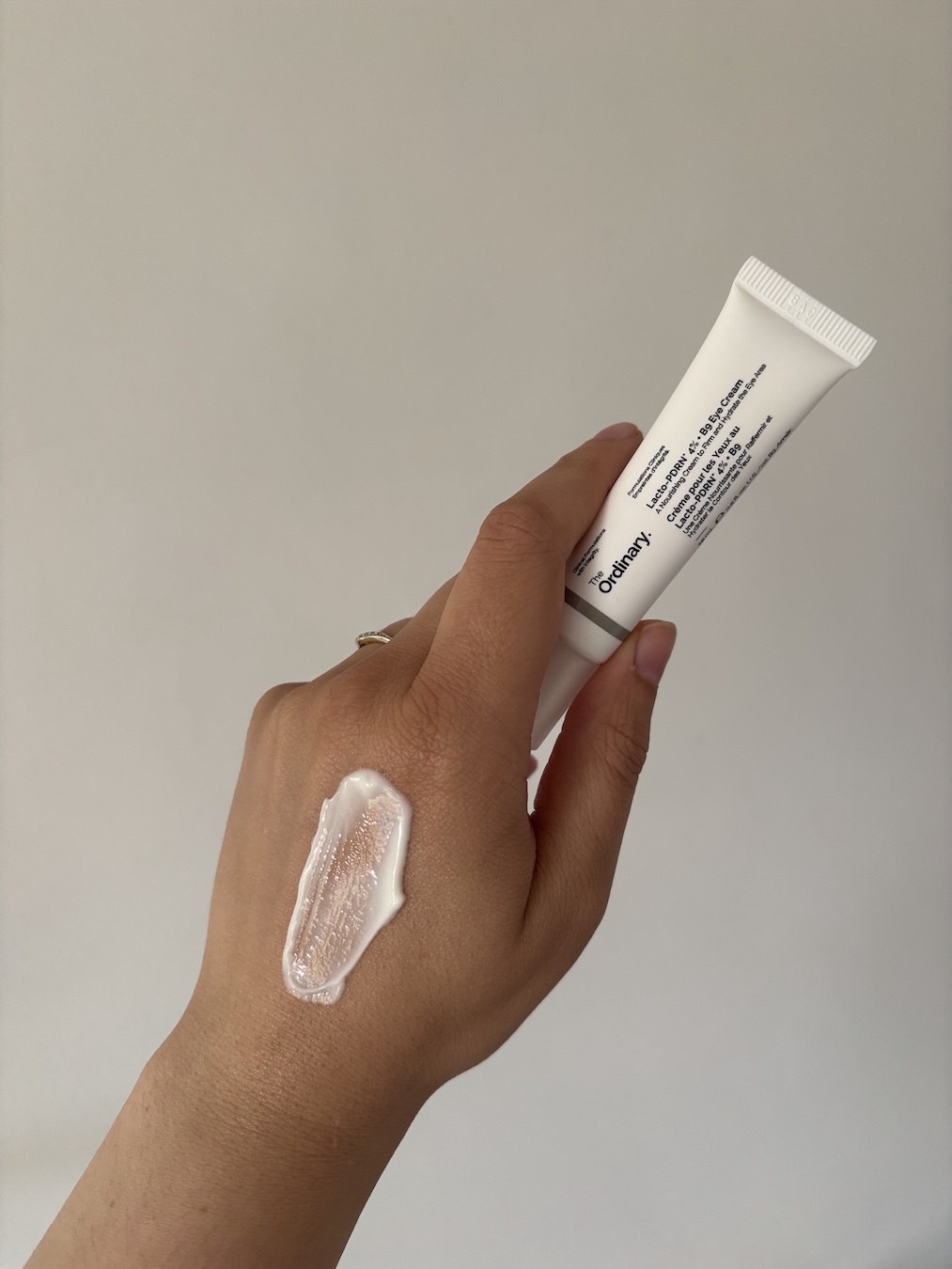
- Texture and Tolerance: Formulated as a lightweight gel-cream, it avoids the heavy, lipid-rich profiles that often trigger milia (tiny white cysts) beneath the eye. Clinical self-assessments note high compatibility with sensitive eyes, causing no stinging, watering, or irritation during extended wear.
- Makeup Compatibility: Designed explicitly to resist pilling, the formula integrates smoothly beneath liquid concealers and loose setting powders.
Official Responses and Industry Context
The launch of The Ordinary Lacto-PDRN 4% + B9 Eye Cream arrives at a time when consumer interest in PDRN (Polydeoxyribonucleotide)—a regenerative compound historically popularized in South Korean dermatology clinics via injectable skin boosters—is at an all-time high.
Brand Philosophy and Formulation Strategy
The Ordinary, a brand under the Deciem umbrella renowned for ingredient transparency and scientific pragmatism, approached this formulation by addressing the demand for accessible regenerative care. By utilizing a biotech-derived, vegan source of PDRN rather than traditional marine extractions, the brand aligns with modern ethical consumer preferences while lowering production costs—savings that are directly passed to the consumer via the sub-£10 price tag.
Expert and Consumer Reception
Dermatological and beauty industry insiders have increasingly noted a market shift toward preventative, barrier-supporting eye care. Unlike older formulations that relied purely on optical diffusers or heavy silicones to mask imperfections, modern science leans toward bio-active peptides and cellular repair analogs. Social media reception has largely mirrored these findings, with users praising the immediate tightening effect of the film-forming agents, though skin-care experts consistently remind consumers that true collagen remodeling and structural firming require sustained, long-term use alongside sun protection.
Implications
For the Consumer: Affordable Access to Advanced Science
The commercial success and viral reception of products like The Ordinary’s Lacto-PDRN Eye Cream democratize access to advanced dermatological concepts. Historically, treatments utilizing PDRN technology were confined to clinical procedures or high-end luxury lines. By packaging these innovations into an £8.70 over-the-counter topical treatment, brands are lowering the barrier to entry, allowing everyday consumers to experiment with peptide and nucleotide-based skincare without financial strain.

For the Beauty Industry: The Death of the "One-Size-Fits-All" Eye Cream
This product highlights a broader evolution in consumer demands. The days of a generic eye cream simply promising to "wake up tired eyes" are giving way to targeted solutions addressing specific biological milestones—such as thinning lipid barriers, micro-crepiness, and loss of structural elasticity in middle age. Brands are increasingly forced to formulate lightweight, multi-tasking hybrids that double as cosmetic primers while delivering active skin-care benefits.
Personal Habits vs. Product Efficacy
Ultimately, the journey from a skincare skeptic to a committed daily user underscores a fundamental truth of modern beauty maintenance: products succeed when they offer immediate, tangible utility. For busy professionals and parents who view multi-step routines as chores, a product that bridges the gap between active treatment and seamless cosmetic priming proves that even the most stubborn skincare habits can be rewritten—provided the formulation justifies the extra minute in front of the mirror.
 Raul Delapena Setiawan
 Nana Muazin
 Laily UPN
