

Main Facts
As the autumn leaves begin to fall and wardrobes transition from breezy summer fabrics to heavy, textured layers, the fashion world anticipates a predictable rotation of seasonal staples. Traditionally, autumn heralds the resurgence of plaid, houndstooth, and—most reliably—leopard print. However, the current fashion cycle has thrown a curveball into the mix. Moving past traditional feline motifs, deer print—often referred to as doe-inspired or fawn print—has unexpectedly emerged as the definitive pattern of the season.
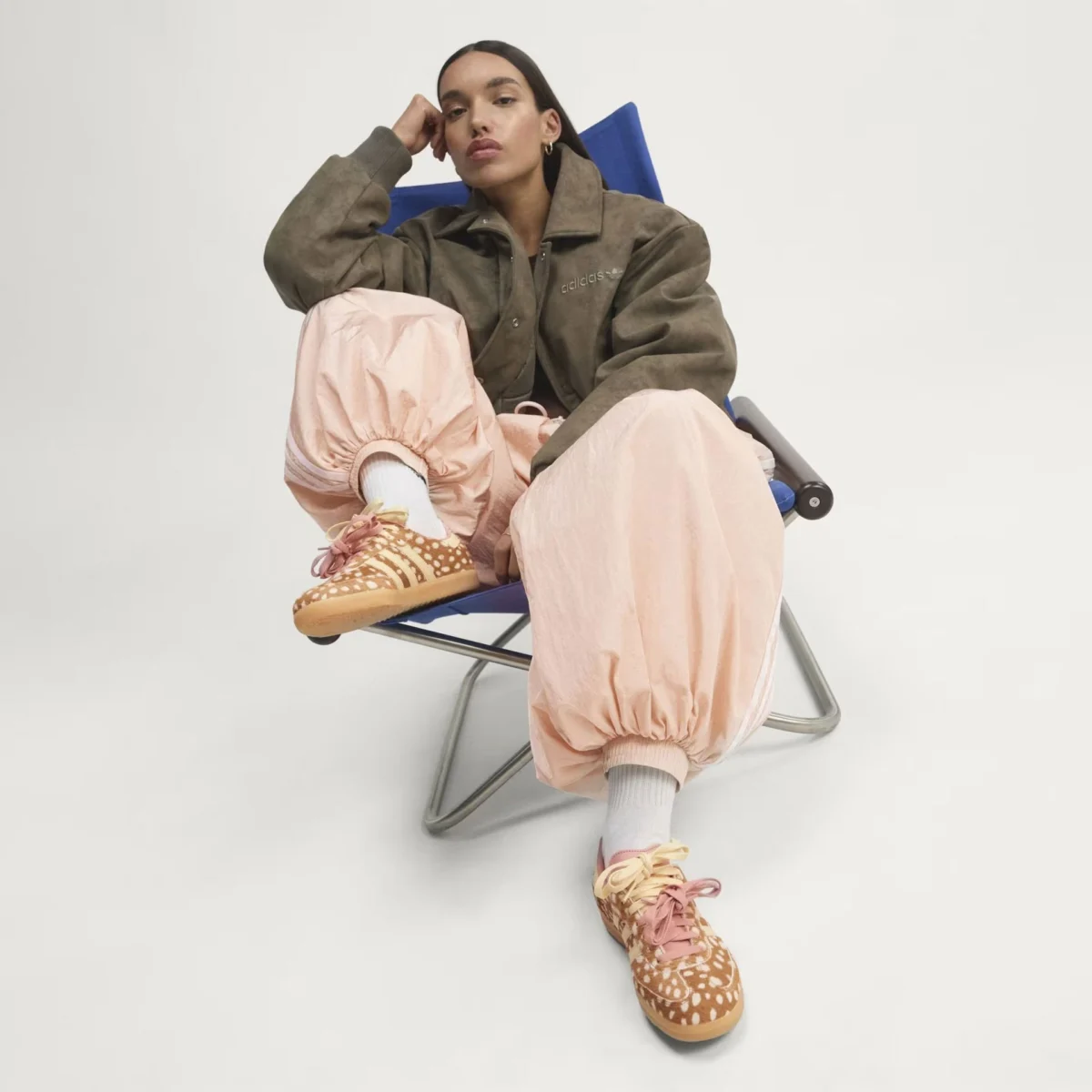
What began as a quiet, subterranean micro-trend characterized by subtle accessories and niche boutique items has rapidly snowballed into a major, mainstream sartorial moment. Major sportswear and lifestyle giants are taking notice, most notably Adidas, which has thrown its formidable weight behind the trend. By applying the fawn-inspired motif to some of its most iconic and beloved silhouettes, Adidas has cemented deer print from a fleeting internet curiosity into a certified retail powerhouse.
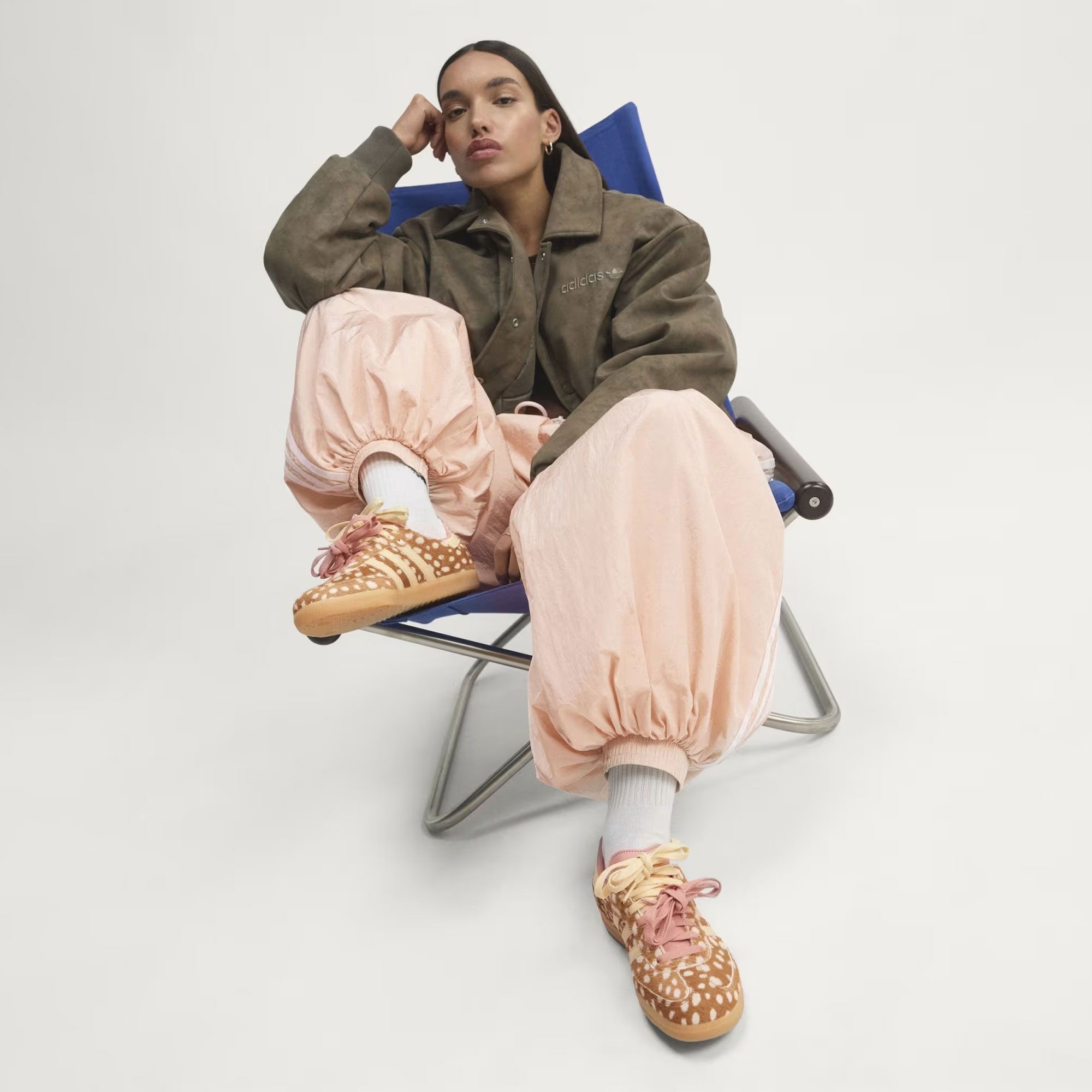
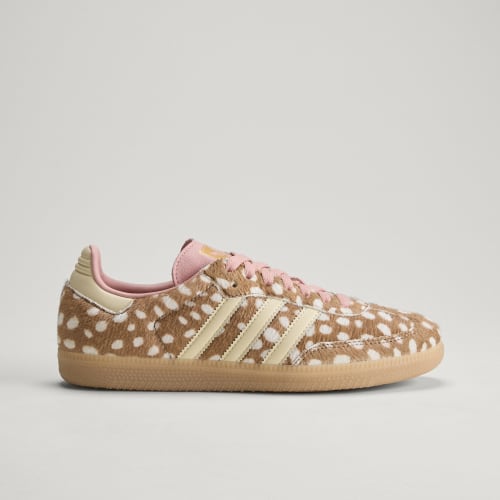
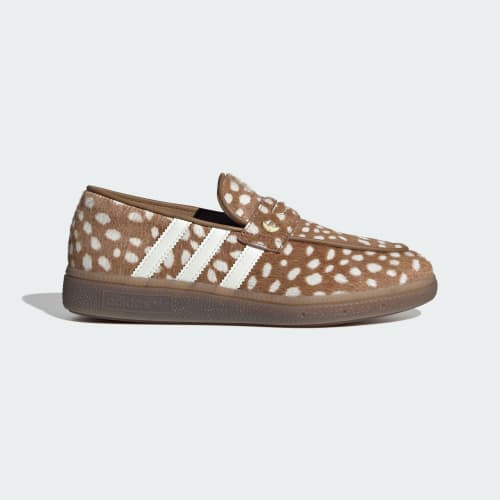
The German athletic apparel titan has introduced deer print across several of its marquee footwear lines. Shoppers and sneakerheads alike can now find the distinct, spotted pattern on classic designs like the Samba OG, the sophisticated Handball Spezial Loafer, the sleek Tokyo MJ, and the rugged yet modern Barreda Lo. This unexpected crossover between heritage sportswear and woodland-inspired aesthetics marks a fascinating shift in how street style interprets traditional animal prints.
Chronology of a Micro-Trend
To understand how deer print leaped from the margins of alternative fashion into the mainstream footwear spotlight, it is helpful to trace its rapid timeline over the past several months:
- Late Spring / Early Summer: Early whispers of unconventional animal prints began appearing on mood boards and independent design labels. While cow print enjoyed a brief revival the year prior, style tastemakers began experimenting with finer, more delicate spotted patterns reminiscent of newborn fawns.
- Mid-Summer: The trend first surfaced in the accessories market. Independent designers launched small batches of deer-print handbags, belts, and bucket hats. These items initially circulated among niche fashion circles on platforms like TikTok and Instagram, where content creators praised the print as a softer, more whimsical alternative to aggressive leopard or tiger stripes.
- Late August: As brands finalized their fall footwear drops, early industry insiders caught wind that major athletic labels were quietly developing textured iterations of the print. The texture—often mimicking the soft, plush feel of a deer’s coat—was recognized as an ideal tactile element for cooler weather.
- Early Fall: The official tipping point arrived when global powerhouse Adidas released its official lineup featuring doe-inspired variations. By integrating the print into cultural mainstays like the Samba OG and the Handball Spezial Loafer, Adidas validated the trend, transforming it virtually overnight from a quirky underground aesthetic into a globally desired commercial product.
Supporting Data and Market Dynamics
The sudden pivot toward deer print is backed by notable shifts in consumer behavior and sneaker market economics:
- The Samba Dominance: Adidas’s Samba silhouette has been a dominant force in sneaker culture for multiple seasons. By refreshing the classic leather-and-suede formula with textured animal prints, Adidas successfully revitalized interest in an already ubiquitous shoe, driving scarcity and high sell-through rates.
- Diversification of Animal Prints: Market research indicates that consumer fatigue has begun to set in regarding traditional leopard and cheetah prints, which have saturated fast-fashion markets for decades. Deer print offers a fresh visual vocabulary—utilizing warmer brown hues, stark white speckling, and softer tonal contrasts that align seamlessly with traditional autumn color palettes (such as rust, olive, camel, and chocolate brown).
- Textile Innovation: Unlike flat printed textiles, the new wave of deer-print footwear often incorporates tactile elements like calf hair or synthetic pony-hair finishes. This adds a multi-sensory dimension to footwear, which fashion analysts note is a growing priority for Gen Z and millennial shoppers seeking premium-feeling items at accessible price points.
- The Rise of Hybrid Footwear: The inclusion of styles like the Handball Spezial Loafer highlights another major retail trend: the blurring of lines between athletic heritage and formal/casual footwear. Merging a traditional dress-shoe hybrid silhouette with an edgy, woodland-inspired print caters directly to trend-conscious consumers looking to make a statement.
Industry and Consumer Responses
The fashion community’s reaction to the deer-print phenomenon has been overwhelmingly enthusiastic, though marked by gentle amusement at how quickly a niche concept captured the mainstream imagination.
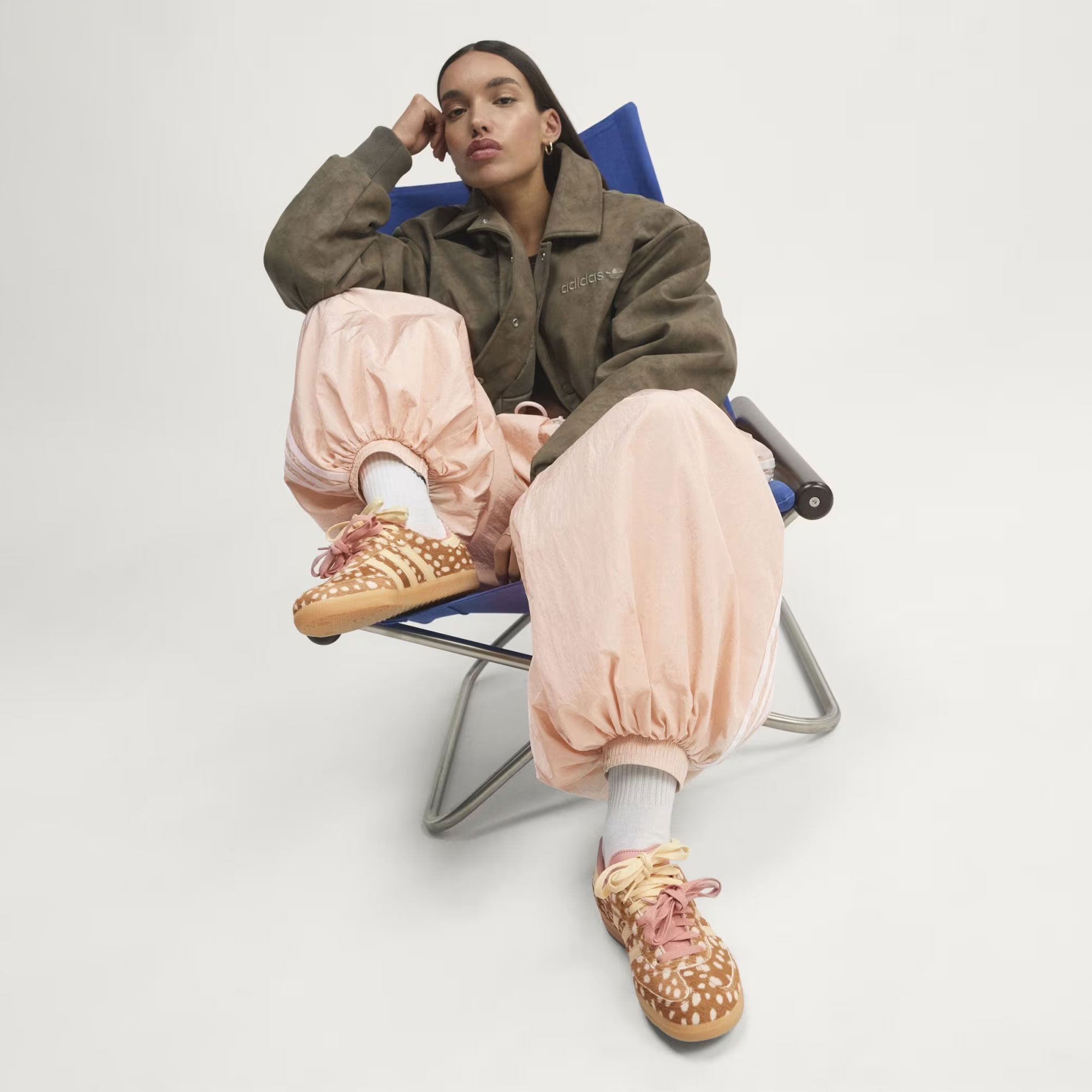
Fashion editors and street-style commentators have praised the print for its unexpected versatility. While leopard print often carries a loud, maximalist energy, deer print—with its softer, scattered white spots against a warm brown backdrop—acts as a surprisingly neutral element. It pairs effortlessly with monochrome outfits, denim, and oversized wool outerwear.
Consumers on social media have responded with a surge of styling videos, showcasing how to incorporate the bold footwear into everyday wardrobes. The Adidas Samba OG in deer print, in particular, has become a prized subject for unboxing videos and "how to style" reels.
Retail insiders note that the willingness of a conservative sportswear giant like Adidas to lean into such a playful, unorthodox motif signals a broader industry appetite for risk-taking. Rather than relying solely on safe colorways (such as classic black-and-white or navy), brands are discovering that unexpected, quirky textures generate the kind of viral digital engagement that translates directly into immediate online sales.
Implications for the Future of Fall Fashion
The rapid ascent of deer print—catalyzed by heavyweights like Adidas—carries several broader implications for the future of seasonal retail and footwear design:
1. The Death of Predictable Seasonality
For decades, fall fashion operated on a rigid, predictable script: dark flannels, leather boots, and standard feline prints. The success of deer print proves that modern consumers crave novelty and surprise, even within traditional seasonal frameworks. Brands that can successfully subvert expectations are reaping the rewards of high consumer engagement and swift inventory turnover.
2. The Evolution of "Pony Hair" and Textures
The manufacturing techniques utilized to create these textured deer-print shoes—primarily synthetic and genuine calf-hair finishes—will likely influence upcoming collections across categories. Expect to see this tactile approach expand beyond sneakers into winter boots, outerwear lapels, and structural handbags.
3. The Continued Reign of Retro Silhouettes
Adidas’s strategy relies heavily on updating archival silhouettes (Samba, Spezial, Tokyo). The fusion of vintage athletic architecture with avant-garde prints demonstrates that consumers love heritage designs precisely because they serve as blank canvases for modern, experimental updates. As long as brands continue to find fresh ways to reinterpret these legacy models, the retro sneaker boom shows no signs of slowing down.
Conclusion
As autumn deepens, it is clear that deer print has officially claimed its crown as the season’s most unexpected and delightful fashion statement. Thanks to forward-thinking rollouts from brands like Adidas—featuring standout iterations of the Samba OG, Handball Spezial Loafer, Tokyo MJ, and Barreda Lo—the trend has secured its place in contemporary street style. Whether worn as a subtle nod or a bold focal point, this fawn-inspired motif has proven that sometimes the best fashion moments are the ones you never saw coming.
 Raul Delapena Setiawan
 Nana Muazin
 Laily UPN
