

For decades, the cocktail world has been held captive by a singular, monolithic interpretation of the coconut. If you scan the menu of a modern tiki bar or a beachside resort, the word "coconut" is almost always a shorthand for opulence. It signals the arrival of something thick, sweet, and aggressively creamy—the Piña Colada, the Painkiller, or the decadent Coconut Cream Pie martini. These drinks are undoubtedly delicious, serving as the sugary, caloric anchors of tropical mixology. Yet, they represent only one half of the coconut’s potential.
There is a second, often overlooked side to the fruit: the coconut water itself. Light, delicate, inherently nutty, and possessing a subtle, life-affirming sweetness, coconut water is nature’s most efficient hydration engine. It is packed with electrolytes and possesses a crispness that its milky, fatty counterpart lacks. And yet, for the better part of a century, the cocktail industry has struggled to find a place for it. This is where the Coco de Agua comes in—a forgotten classic that offers a sophisticated, market-defining alternative to the dessert-like concoctions that have long dominated the category.
The Liquid Riddle: Why Coconut Water Resists the Shaker
The absence of coconut water in the pantheon of classic cocktails is not a matter of neglect, but a matter of technical difficulty. Coconut water is, by nature, "quiet." It lacks the aggressive, oily mouthfeel of coconut cream, which can easily mask the imperfections of a low-grade spirit. Coconut water, conversely, is insistent. It demands a delicate balance that few bartenders have mastered.
As an ingredient, it functions much like green grapes: it exists in a frustrating netherworld. It is insufficiently neutral to act as a blank canvas, yet it lacks the bold, punchy profile required to anchor a drink. If you mix it with the wrong base, it flattens out, becoming dull and uninviting. This is why many "local solutions"—such as the simple practice of pouring rum directly into a hacked-open coconut—are popular but technically flawed. While they provide an enjoyable experience, they rarely qualify as a "cocktail" in the structural sense. They are merely an assembly of ingredients rather than a harmonious composition.
However, there is an answer to this liquid riddle. It is a drink so simple that it has been staring us in the face for over 70 years: the Coco de Agua.
Chronology: From the Ports of Brazil to the Written Page
The origins of the Coco de Agua are inextricably linked to the mid-century wanderlust of Charles H. Baker Jr. In 1939, Baker published The Gentleman’s Companion, a travelogue and cocktail manual that became a cornerstone of cocktail literature. Baker, arguably possessing the finest job of the 20th century, spent his life traveling the globe, documenting the world’s most exquisite libations.
In 1951, he followed his success with a sequel, The South American Gentleman’s Companion. While the first book traversed the entire globe, the second focused exclusively on the Spanish-speaking world. Baker aimed to compile a "personally tested regiment of lively Latin liquid masterpieces." Among these was the Coco de Agua, a drink he encountered in Belém, Brazil, situated on the Marajó Bay.

Baker recognized that the drink was a revelation in its simplicity. While the world was busy perfecting the heavy, cream-laden drinks that would eventually define the mid-century "tiki craze," Baker was documenting a leaner, more precise approach. The Coco de Agua was, in essence, a masterclass in regional adaptation. It took the structural DNA of a Tom Collins or a Mojito and swapped out the heavy syrups or mint for the refreshing, mineral-forward profile of fresh coconut water.
Supporting Data: The Anatomy of a Perfect Build
To understand why the Coco de Agua works when so many other coconut-water-based attempts fail, one must analyze the chemistry of its construction. The drink relies on a delicate trifecta: white rum, lime, and coconut water, bound together by a touch of sugar and a splash of soda.
The Role of the Spirit
The choice of spirit is the most critical variable. Neutrality is the primary objective, but it cannot be absolute. Many amateur mixologists have attempted to use vodka, only to find the result disastrous. Without the light, tropical esters found in a high-quality white rum, coconut water turns flat and lifeless. It loses its "nutty" character and instead adopts a flavor profile that detractors often describe as "water that has been in someone else’s mouth."
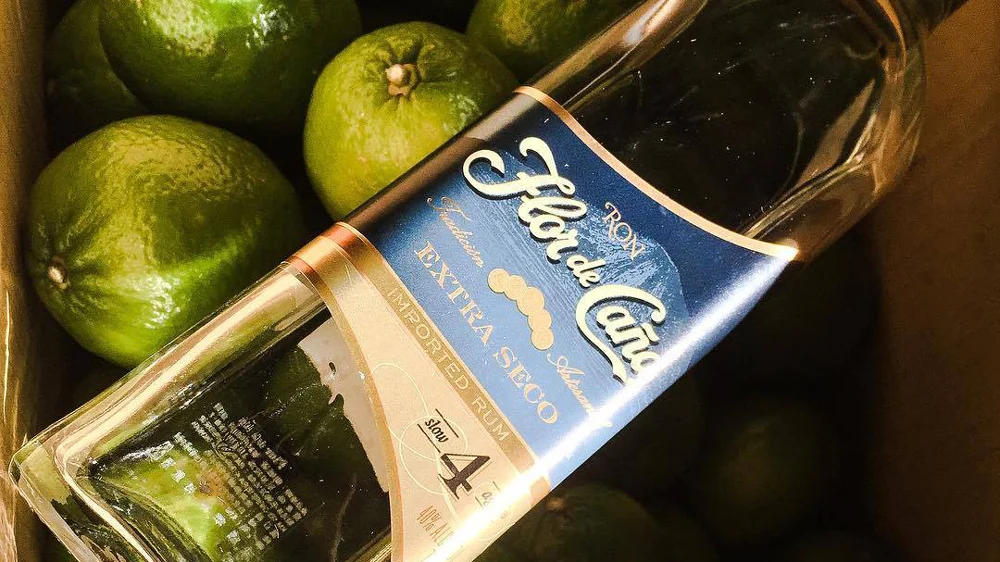
For the best results, one should look to traditional Spanish-style white rums—brands such as Flor de Caña, Ron Matusalem, or Don Q. These spirits are often aged and then charcoal-filtered, providing a clean, translucent appearance while retaining the structural integrity necessary to stand up to the coconut water.
The Balance of Ratios
A common pitfall in modern renditions of this recipe is the volume of alcohol. Many sources suggest a 2-ounce pour of rum. However, this often overwhelms the delicate 0.5-ounce lime and simple syrup components, effectively burying the coconut water. A slightly lower-proof build—respecting the drink’s intended function as a midday refresher—allows the coconut water to shine as the primary protagonist rather than a background note.
Implications for the Modern Menu
The Coco de Agua represents a significant opportunity for contemporary bars. As consumers shift away from high-sugar, high-calorie cocktails, the "clean" drink movement has gained momentum. The Coco de Agua fits this paradigm perfectly. It offers the same tropical allure as a Piña Colada but in a "white linen suit" format—fitted, clean, and dignified.
It is a drink that demands high-quality ingredients, specifically fresh, cold-pressed coconut water. Using a brand like Harmless Harvest or—if available—water sourced directly from a young coconut, is non-negotiable. When these variables are controlled, the result is a cocktail that is devastatingly refreshing and arguably more "authentic" to the tropical climate than its creamy counterparts.

The Recipe: Executing the Masterpiece
To replicate the Coco de Agua as intended by Baker, one must adhere to the simplicity of the build.
Ingredients:
- 1.5 oz. Light White Rum (Spanish-style, charcoal-filtered)
- 2 oz. High-quality coconut water (chilled)
- 0.5 oz. Freshly squeezed lime juice
- 0.5 oz. Simple syrup (equal parts sugar and water)
- Splash of soda water (optional)
- Garnish: Lime wheel or fresh mint sprig
Preparation:
- Combine the rum, coconut water, lime juice, and simple syrup in a cocktail shaker.
- Add ice and shake vigorously for six to eight seconds. The goal is to chill and dilute without aerating to the point of foaminess.
- Strain into a tall Collins glass filled with fresh, clear ice.
- Top with a splash of soda water to provide a slight effervescent lift to the palate.
- Stir gently to integrate.
- Garnish with a lime wheel. While mint is a traditional addition, many find it distracts from the pure, nutty profile of the coconut.
Conclusion: The Elegance of Simplicity
Charles H. Baker Jr. once noted that the drink was "possible to all readers who live in southern Florida, or any tropical region where you find coconuts." It was designed to be elemental. Great ideas, in both architecture and mixology, are rarely the most complicated ones. They are the ones that understand the natural tension of their ingredients and find a way to resolve it.
The Coco de Agua is a reminder that in a world obsessed with "more"—more cream, more garnish, more sugar—there is profound power in "less." By stripping away the heaviness of the modern coconut cocktail, we aren’t just revealing a new drink; we are rediscovering a classic that respects the delicate, life-giving essence of the fruit itself. It is, quite simply, the other side of the coconut, and it is time we gave it the attention it deserves.
 Ali Ikhwan
 Laily UPN
 Raul Delapena Setiawan
