

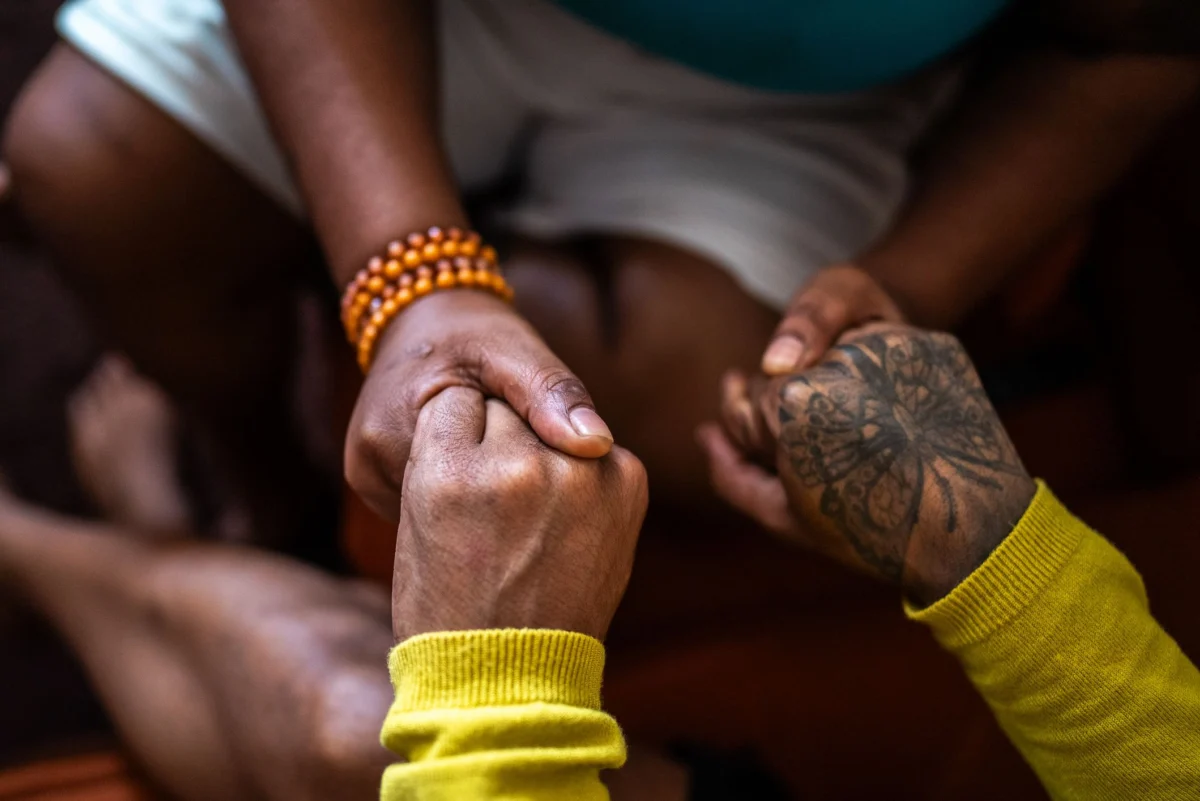
Main Facts: The Reality of Breast Cancer in the Black Community
When statistics regarding Black women’s breast health are presented, they rarely convey a narrative of hope. According to the National Breast Cancer Foundation, Black women are diagnosed with breast cancer at a younger median age—60 years old, compared to 62 for white women—and face a staggering 38% higher likelihood of dying from the disease. Across every known stage of breast cancer, Black women experience the lowest survival rates. Furthermore, approximately one in five Black women diagnosed with breast cancer are afflicted with triple-negative breast cancer (TNBC), an aggressive and hard-to-treat form of the disease that disproportionately impacts this demographic more than any other racial or ethnic group.
However, clinical numbers and epidemiological datasets fail to capture the profound human reality of the diagnosis: the 3 a.m. phone calls, the impromptu head-shaving parties, the rigorous therapy sessions that crack open hidden emotional reserves, and the anchoring moment a mother or grandmother gazes into the eyes of her descendants and chooses to fight. Black women have consistently existed as far more than mere statistics, a truth vividly demonstrated by how they confront, survive, and ultimately rebuild their lives following a breast cancer diagnosis.
The experiences of thirteen Black women stand as a testament to this refusal to be reduced to data points. Comprising professionals, mothers, creators, and community leaders, their encounters with breast cancer have catalyzed both devastating challenges and profound personal transformations. By charting their own pathways through rigorous medical treatments and beyond, they have constructed a legacy of community, purpose, and survival that serves as an enduring blueprint for those who follow.

Supporting Data: Understanding Disparities in Oncology
The systemic disparities embedded within American healthcare heavily influence the trajectory of breast cancer outcomes for women of color. Medical literature underscores several critical factors:
- Age of Onset: Black women are diagnosed earlier on average, often before routine mammography guidelines traditionally recommend widespread screening.
- Aggressiveness of Disease: The high prevalence of triple-negative breast cancer means that standard hormone-blocking therapies are frequently ineffective, necessitating more intense and complex chemotherapy regimens.
- Diagnostic Delays: As evidenced by numerous patient accounts, systemic biases often lead physicians to dismiss early symptoms in younger Black women—frequently misattributing lumps to dense breast tissue, cysts, or postpartum milk ducts.
- Mortality Disparities: Socioeconomic barriers, lack of access to specialized comprehensive cancer centers, and historical mistrust of medical institutions compound the 38% mortality disparity.
Chronology: Thirteen Stories of Advocacy and Endurance
1. Monique Bass: "I put my boxing gloves on and fought with everything I had."
Diagnosed at age 47 after discovering a growing lump—despite three previous benign biopsies over three years—Monique Bass faced stage 1 invasive ductal carcinoma during the height of the COVID-19 pandemic and a simultaneous divorce. Undergoing aggressive chemotherapy and radiation, Bass channeled her faith and subsequently founded What’s Behind the Bra?, a New Jersey nonprofit offering comfort care packages and a weekly support podcast.
2. Jaqueline Beale: "I surrounded myself with love and laughter."
With a strong family history of cancer, Jaqueline Beale discovered a stage 1 lump at age 40 during a self-exam. Facing blunt medical notifications delivered by clinicians hailing cabs in New York, Beale utilized humor, levity, and the support of her family to navigate the grueling physical toll of chemotherapy.

3. Annita White: "What once felt like the end became the beginning of something greater."
Balancing life as a single mother, higher education administrator, and PhD student, Annita White delayed her mammogram by five months before receiving a stage-altering diagnosis. Following total breast and hair loss, White leaned into her spiritual faith. Three years post-treatment, she is cancer-free, holds her PhD, and serves as an advocate within the African American Breast Cancer Alliance survivor network.
4. Marylande Regis: "The clouds are moving. The sun has decided to show itself."
At age 36, newly relocated registered nurse and mother Marylande Regis found a lump shortly after weaning her infant. Initially dismissed as a clogged milk duct due to her age, Regis insisted on further evaluation, revealing stage 2B, BRCA1-positive breast cancer. Enduring a bilateral mastectomy, chemotherapy, radiation, and a hysterectomy alongside her husband Kory, Regis ultimately reclaimed her life to care for her children.
5. Judy Billingsley: "Sickness had never been my world."
A lifelong athlete who walked miles daily and maintained rigorous physical health, 75-year-old Judy Fambrough-Billingsley initially ignored early lumps. Drawing on her history as a Civil Rights activist and participant in the NAACP Youth Council, Fambrough-Billingsley approached her diagnosis with the same unyielding spirit she applied to systemic injustice.
.jpg)
6. Taylor Johnson: "I was so used to always being the strong one."
Denied a routine mammogram at age 30 due to her age, content creator Taylor Johnson advocated for a biopsy, leading to a stage 2 triple-negative breast cancer diagnosis. Managing chemotherapy while remaining emotionally steady for her young daughter, Johnson redefined strength to encompass both physical endurance and mental resilience.
7. Jessica Ncube: "I wanted to feel supported through it, not just survive it."
Discovered via routine mammogram, licensed clinical social worker Jessica Ncube underwent a lumpectomy followed by a preventative double mastectomy. Moving past the cultural expectation of perpetual strength among Black women, Ncube learned to balance resilience with vulnerability, framing softness and rest as vital components of healing.
8. Ameiko Newman: "Cancer doesn’t define you. You define you."
Hospitalized unexpectedly for abdominal pain, 40-year-old Ameiko Newman received a sudden breast cancer diagnosis. While undergoing weekly chemo and immunotherapy, Newman pivoted her career to design specialized, stylish chemo scarves for Black women through her business, turning her survival into an engine for community advocacy.

9. Charlotte Connor: "I shifted to being overly optimistic."
Diagnosed with stage 2A ductal carcinoma at age 30 after a rapidly growing lump was initially dismissed, Charlotte Connor consciously chose radical optimism. Shielding her young daughter from despair, Connor framed her treatment period around future goals, using humor and a close-knit support circle to weather chemotherapy.
10. Donna Culmer: "We have been through challenges our whole lives. This is just one more."
Serving in the U.S. Navy in 1999, Donna Culmer was diagnosed with stage 1 breast cancer following imaging that uncovered a non-palpable spot. Relying on a robust network of family and her church community during months of debilitating chemotherapy, Culmer reflects decades later on the historical resilience required of Black women navigating complex medical crises.
11. Patricia Fox: "Therapy fortified me to get through cancer."
At age 26, Patricia Fox was initially told that a sudden breast lump was likely a harmless cyst due to her age and dense breast tissue. Insisting on a biopsy revealed estrogen receptor-positive stage 2A breast cancer. Utilizing professional psychotherapy to process her trauma, Fox has since dedicated herself to dismantling the cultural taboos surrounding mental health care in the Black community.

12. Annette Colden: "I turned to prayer to remain calm."
Prompted by the passing of her sister—who fought cervical and breast cancers—Annette Colden persisted through conflicting medical advice until a stage 0 diagnosis was confirmed at age 42. Centering her journey around spiritual faith, Colden established herself as a peer mentor, offering round-the-clock support and practical assistance to newly diagnosed patients at Roswell Park Comprehensive Cancer Center.
13. Ricki Fairley: "I quit my life and started a new one as an advocate."
Diagnosed with aggressive stage 3A triple-negative breast cancer while traveling for work at age 55, Ricki Fairley radically restructured her life—quitting her job, divorcing, and selling her home to prioritize her peace. After beating a subsequent metastatic recurrence, Fairley co-founded The Black Breast Cancer Alliance (TOUCH), dedicating her life to systemic advocacy and reducing mortality rates nationwide.
Official Responses and Medical Perspectives
In the wake of persistent demographic disparities, oncology experts, advocacy groups, and institutional leaders are shifting clinical guidelines and outreach methodologies. Medical boards are increasingly revising screening age recommendations downward for women with dense breast tissue or family histories of malignancy.

Furthermore, institutions like the Black Breast Cancer Alliance and regional hospital networks are emphasizing culturally competent care. Official medical consensus now highlights the critical need for:
- Patient Self-Advocacy: Encouraging patients to seek second opinions when initial screenings or dismissive practitioner assessments contradict their physical intuition.
- Integrated Mental Health Support: Acknowledging that emotional resilience must be paired with clinical psychotherapy to mitigate trauma and combat treatment burnout.
- Targeted Research Investment: Directing clinical trials specifically toward aggressive variants like triple-negative breast cancer to expand targeted therapeutics for women of color.
Implications: The Blueprint for Future Generations
The collective experiences of these thirteen women offer profound implications for the future of oncology, patient advocacy, and community health. By transforming personal trauma into institutional change, they have established a blueprint for survival that transcends clinical metrics.
Their stories underscore a vital cultural and medical evolution: that the fight against breast cancer in the Black community requires dismantling systemic dismissals, prioritizing mental health and emotional softness, and refusing to let institutional datasets dictate individual futures. Through non-negotiable self-advocacy, community-building, and mutual support networks, these women have ensured that those who follow them will not navigate the journey in silence.
 Asep Darmawan
 Nana Wu
