

By [Journalist Name]
Published: Special Travel & Lifestyle Report
Main Facts: The Rise of the "We-Moon"
For decades, the travel industry has aggressively catered to a specific narrative: romantic getaways for couples, honeymoons for the newlywed, and babymoons for expectant parents. But what happens to the milestones of single life? While society showers engagements, weddings, and baby arrivals with destination celebrations, single women are routinely left to travel merely as attendees, cheering on milestones that do not fit their own personal timelines.
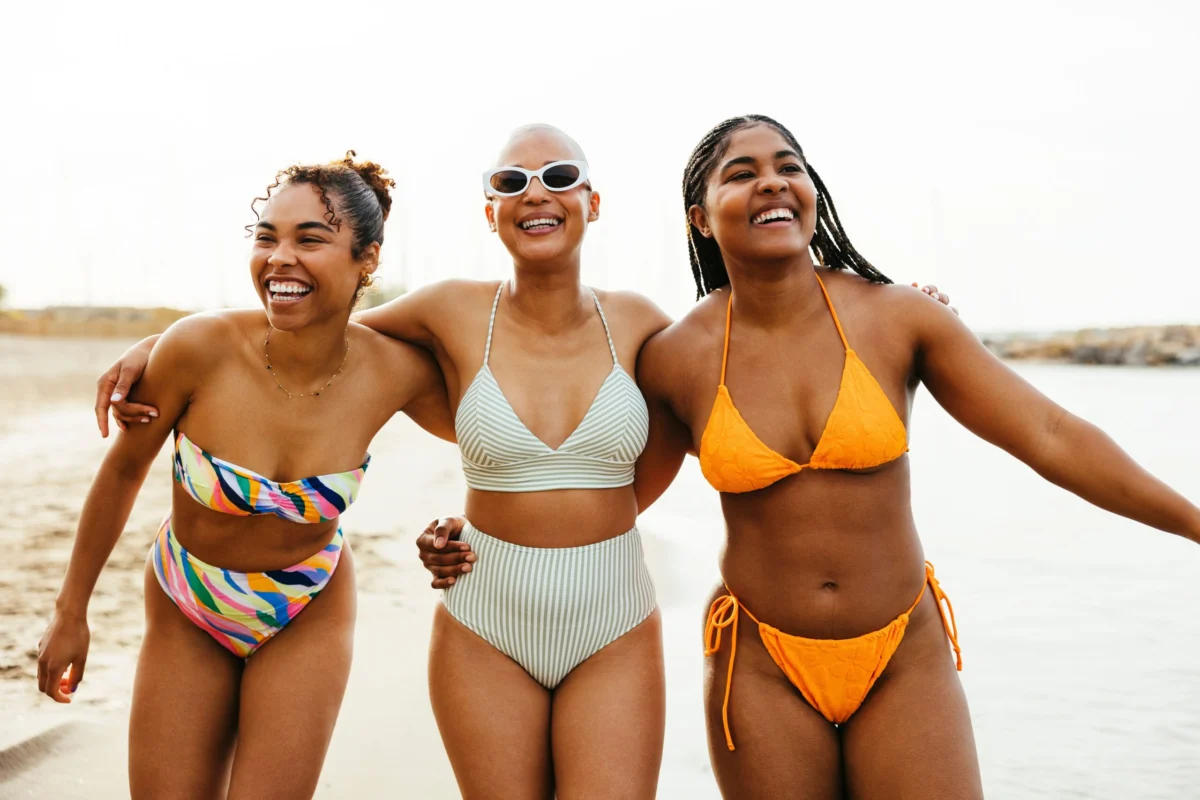
Enter the "we-moon"—a newly coined travel trend that shifts the spotlight away from romantic partnerships and onto the individual achievements of single women. Whether celebrating a major career milestone, a promotion, a master’s degree, or, in the case of this author, the publication of a debut book, a we-moon is a dedicated destination celebration shared among close friends.
Recently experiencing this firsthand during a luxury getaway at the Four Seasons Resort and Residences Anguilla alongside two close girlfriends, the concept represents a fundamental cultural shift. It is a declaration that the desire for adventure, luxury, and community companionship does not need to be placed on reserve until one finds a lifelong romantic partner. Instead, single women are reclaiming the freedom to celebrate their own life chapters with the people who matter most.
Chronology: From Concept to Caribbean Reality
The genesis of a we-moon begins long before packing a suitcase; it starts with a mindset shift that challenges traditional societal timelines.
Phase One: Permission and Planning
The traditional vacation pipeline dictates that you wait for a partner to book bucket-list destinations. A we-moon disrupts this chronology by requiring the individual to take the initiative—making the phone call to close friends and extending an invitation to celebrate an independent achievement. For this particular trip, the catalyst was a book deal. The planning phase involved aligning schedules, setting realistic financial expectations, and choosing a destination that offered both high-end luxury and psychological privacy.
Phase Two: Arrival and Immersion in Anguilla
The journey kicked off on a high-speed boat cutting through turquoise Caribbean waters toward Anguilla. Zipping past the sun-drenched islands, a quick attempt at a selfie revealed a humorous reality: the viewfinder was overwhelmingly populated by embracing honeymooners. The author and her two friends formed their own autonomous "throuple" of single girlfriends—a self-sustaining celebration unit navigating a resort landscape otherwise dominated by romantic couples.

Phase Three: Structuring the Itinerary
To ensure the trip maintained its celebratory yet restorative nature, the group mapped out a balanced schedule using the Four Seasons villa concierge. Rather than locking everyone into a rigid, jam-packed itinerary that leads to vacation burnout, the days were intentionally fluid. Mornings featured solitary quiet time on private balconies, followed by optional group or individual activities—such as private poolside yoga, a villa margarita-making class, and an island-wide Jeep excursion—culminating in deeply reflective evening rituals under the Caribbean stars.
Supporting Data & Insights: The Psychology of Group Travel
To understand how to pull off a flawless destination celebration without succumbing to interpersonal friction, travel experts and psychologists emphasize the importance of intentional design. Dr. Joy Harden Bradford, a licensed psychologist and author of Sisterhood Heals, offers critical insights into the mechanics of group travel dynamics.
According to Dr. Bradford, the pressure people place on vacations can inadvertently trigger stress. "Because I think for a lot of us, there’s so much going on in our regular life that there’s a lot of expectations for what a vacation should be," she explains. "‘It’s the one time I get to get away,’ and so people really put a lot on it."
To mitigate this, data and travel psychology point to three foundational pillars for successful group milestone trips:
- Spatial Autonomy (Separate Rooms): Unlike a romantic honeymoon where togetherness is the absolute goal, a successful we-moon requires a delicate equilibrium between communal bonding and independent solitude. Securing accommodations like the Four Seasons Villa and Residence Rentals—which offer the privacy of a personal home paired with luxury hotel amenities—allows early risers to read quietly on their balconies while night owls sleep in and order room service. Dr. Bradford notes, "I think having a place where everybody can retreat and have alone time is really good if that is something that the group can do. So private sleeping quarters are important."
- Financial Transparency: Assumptions about vacation spending styles can sink a trip before it begins. Disparities regarding whether to stay at a five-star luxury resort or a modest budget hotel must be cleared up well in advance.
- Structured Vulnerability: Friendships deepen through shared vulnerability, but noisy restaurants and hectic sightseeing schedules rarely provide the right environment for deep emotional processing. Intentional downtime—such as a late-night soak in a private villa jacuzzi watching the sunset—creates a safe psychological container to unpack career anxieties, work woes, and dating frustrations.
Official Responses & Expert Perspectives
The hospitality sector is slowly beginning to recognize the economic and cultural power of solo travelers and friend groups prioritizing self-celebration. Luxury properties are increasingly adapting their concierge services to accommodate multi-adult villa rentals that cater not just to families or corporate retreats, but to peer groups seeking personalized, milestone-driven itineraries.
Dr. Bradford emphasizes that friendship longevity requires active cultivation, particularly as women navigate demanding careers and separate personal lives. "If these are people that you’re actually hoping to grow closer to, then it is important to continue to go deeper with those relationships," Dr. Bradford states. "And that really requires a lot of vulnerability, which is really hard for people. Girls trips really provide a great opportunity and a great backdrop because you are away from your regular routine to maybe get into some of those things that you don’t have time to talk about later."
Furthermore, experts in cognitive health highlight the psychological benefits of integrating new, shared experiences into adult travel. Whether it is mastering the correct measurements for a lime juice, orange liqueur, and tequila blend during a villa margarita-making class, learning pickleball, or taking up a new wellness practice, stepping outside routine comfort zones stimulates neuroplasticity while generating shared laughter and bonding.

Implications: Changing How Society Measures Milestones
The popularization of the we-moon carries broad cultural implications for the travel industry, modern friendship dynamics, and the societal definition of success.
1. Reshaping the Travel Industry Marketing Playbook
For decades, travel marketing has relied heavily on the couple-centric narrative. The rise of the we-moon signals a lucrative market segment: financially independent single women with disposable income who are willing to invest heavily in luxury experiences, high-end accommodations, and wellness retreats to celebrate themselves. Resorts that adapt by offering customizable villa packages, flexible activity itineraries, and spaces designed for communal yet autonomous living will capture a rapidly expanding demographic.
2. Deconstructing the "Timeline" Pressure
Society has long maintained a rigid checklist for adulthood: graduate, marry, buy a house, have children. Single women who achieve professional and personal milestones outside of this traditional sequence often find their successes minimized or overlooked in favor of marital or parental achievements. The we-moon acts as a counter-cultural reclamation. By treating a book deal, a promotion, or a personal reinvention with the same gravity, luxury, and fanfare traditionally reserved for a honeymoon, women are rewriting the rules of celebration.
3. Elevating Platonic Relationships
In an era marked by rising rates of loneliness and social isolation, the cultural emphasis is frequently placed on finding a romantic soulmate. The we-moon repositions friendship as a primary source of deep emotional support, joy, and adventure. By investing time, money, and vulnerability into platonic relationships, women are building resilient support networks that validate their worth independent of relationship status.
Ultimately, whether you are gazing out from a speedboat in Anguilla surrounded by honeymooners or clinking margarita glasses with your closest confidantes on a villa patio, the message of the we-moon is clear: you do not need to wait for permission—or a partner—to celebrate the milestones of your life.
 Asep Darmawan
 Nana Wu
