

For decades, the global culinary narrative surrounding Chicago was anchored in a triad of iconic, blue-collar staples: the gooey, heavy-hitting deep-dish pizza, the seven-ingredient Chicago-style hot dog—strictly sans-ketchup—and the savory, jus-soaked Italian beef sandwich. While these dishes remain essential to the city’s identity, characterizing Chicago’s dining scene solely through these lenses is akin to judging a library by its cover.
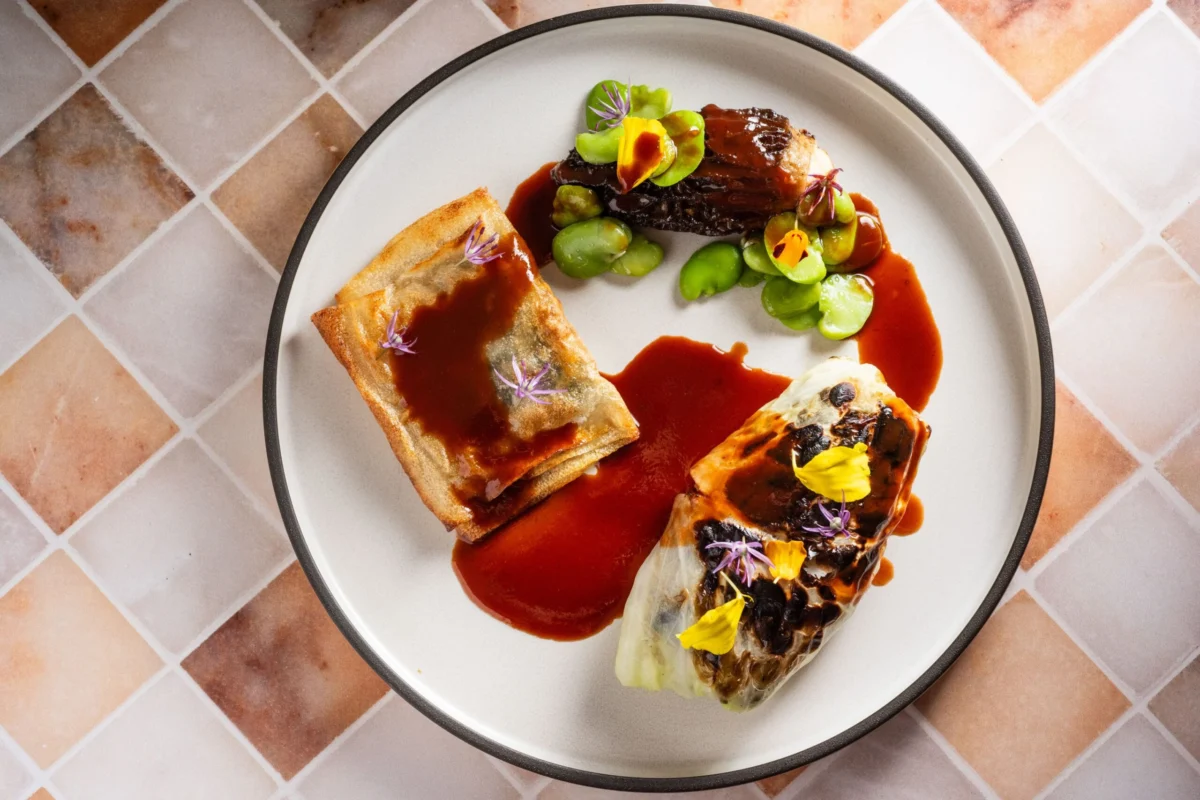
Today, Chicago stands as a global gastronomic epicenter, where the boundaries of culinary tradition are being pushed by a diverse tapestry of neighborhoods, immigrant influences, and a fierce commitment to seasonal, Midwestern sourcing. From the hushed, minimalist elegance of chef’s counters to the boisterous, aromatic kitchens of Uptown, Chicago’s food scene is as varied as the city’s own architecture.
Main Facts: A City Defined by Accolades and Authenticity
The city’s transformation from a regional powerhouse to a world-class culinary destination is underscored by cold, hard data. Chicago is currently home to dozens of Michelin-recognized establishments, ranging from three-star temples of haute cuisine to Michelin-bib gourmand spots that define affordable excellence.
Furthermore, the city serves as the permanent home for the prestigious James Beard Awards—often referred to as the "Oscars of the food world." With more than 50 past James Beard Award honorees currently operating in the city, the density of talent in Chicago is arguably unrivaled outside of New York City. Complementing this is the Jean Banchet Awards, which celebrate the specific, high-octane excellence of the local hospitality industry.
However, when you ask the industry professionals behind these accolades what drives the city’s success, they rarely point to the awards themselves. Instead, they credit a "triumvirate of sustainability": the proximity to the rich agricultural bounty of the Midwest, a uniquely curious and demanding local diner base, and a rare, tight-knit community of hospitality workers who prioritize collaboration over competition.
Chronology: The Evolution of the Chicago Table
To understand the current state of Chicago dining, one must trace the timeline of its development:
- The Foundational Era (Late 19th – Mid 20th Century): The rise of the Union Stock Yards established Chicago as the "Hog Butcher for the World." This era cemented the city’s reputation for meat-centric, working-class sustenance—the era of the hot dog and the Italian beef.
- The Fine Dining Explosion (1980s – 2000s): Influenced by pioneers like Charlie Trotter, Chicago began to see a shift toward elevated, ingredient-driven fine dining. This period saw the city transition from a "steak and potatoes" town to a sophisticated destination for modernist cuisine.
- The Global Connectivity Phase (2010s – Present): With O’Hare International Airport cementing its status as one of the world’s busiest transit hubs, Chicago’s chefs gained unprecedented access to global trends, ingredients, and talent. This era birthed a new wave of fusion—Ethiopian influences in Uptown, modern Southern fare on the South Side, and high-concept French bistros in Lincoln Park—all existing in a harmonious ecosystem.
Supporting Data: The Logistics of Taste
What powers this engine? Geography and infrastructure. Chicago’s geographic position in the heart of the American breadbasket allows for a supply chain that is significantly shorter than that of coastal cities. Chefs here operate with an intimacy toward their farmers that is rarely seen elsewhere.
Furthermore, the "O’Hare Effect" cannot be overstated. The ability for chefs to travel, source, and import ideas directly from international markets keeps the city’s culinary pulse synchronized with London, Tokyo, and Mexico City. Recent industry reports indicate that Chicago’s restaurant sector has seen a 12% increase in new, independent concept openings in the last 24 months, despite broader national economic headwinds. This suggests a resilience born from a loyal, locally-focused customer base that views dining out not as a luxury, but as a neighborhood necessity.
Official Responses and Industry Sentiment
We spoke with several industry leaders regarding the "Chicago Secret"—the sense of community that persists even as the city grows more competitive.
"The solidarity here is palpable," says a lead consultant for the Jean Banchet Awards committee. "In other major markets, there is often a sense of ‘us versus them.’ In Chicago, you see chefs from Michelin-starred kitchens collaborating with line cooks from local neighborhood spots on community food drives and sustainability initiatives. It is a shared ecosystem where the success of one restaurant elevates the reputation of the city as a whole."
Local farm-to-table advocates emphasize that the "Midwestern seasons" are not a limitation, but a creative constraint. The challenge of creating high-end, diverse menus during the harsh Chicago winters forces chefs to innovate with pickling, fermenting, and root-vegetable mastery, leading to flavors that are uniquely rooted in the local terroir.
Implications: The Future of Dining in the Windy City
What does this mean for the future of Chicago as a travel destination? The implications are clear: Chicago is no longer a "stopover" city. It is a primary destination for the culinary traveler.
The editorial team at Condé Nast Traveler, which conducts rigorous, independent evaluations of the city’s offerings, notes that the current landscape is moving away from the "pomp and circumstance" of the early 2000s. Today, the most lauded spots are those that balance high-end technical prowess with inclusivity and sustainability. Diners are increasingly voting with their wallets, favoring restaurants that demonstrate ethical sourcing and fair labor practices.
As the industry continues to evolve, the challenge for Chicago will be maintaining this community-first ethos in the face of rising operational costs. However, if history is any indicator, the city’s ability to adapt—from the stockyards to the star-rated kitchen—remains its greatest asset.
How We Curate the Chicago List
The curation of the city’s "Best Of" is a methodical process. Every restaurant highlighted by our contributors is vetted through an independent review process. Our editors weigh:
- Technical Execution: Does the food represent the best of its category?
- Sustainability: Does the restaurant demonstrate a commitment to local sourcing and waste reduction?
- Inclusivity: Is the atmosphere welcoming to a broad spectrum of the local community?
- Service: Does the front-of-house reflect the legendary, unpretentious hospitality for which Chicago is famous?
As the culinary landscape shifts, so does our list. We prioritize restaurants that do not just follow trends but set them. Whether you are seeking a bowl of authentic injera in an Uptown bistro or a multi-course tasting menu that rivals the best in Europe, Chicago’s current iteration is a testament to the fact that when you combine a strong, supportive community with a wealth of local ingredients and a dash of Midwestern grit, the result is nothing short of world-class.
The next time you find yourself in the Windy City, look beyond the deep-dish. The real story of Chicago’s food scene is being written in the kitchens where the chefs, farmers, and diners meet—a rare bond that continues to fuel one of the most vibrant culinary conversations in the world today.
 Asro
Asro
 Siti Muinah
