

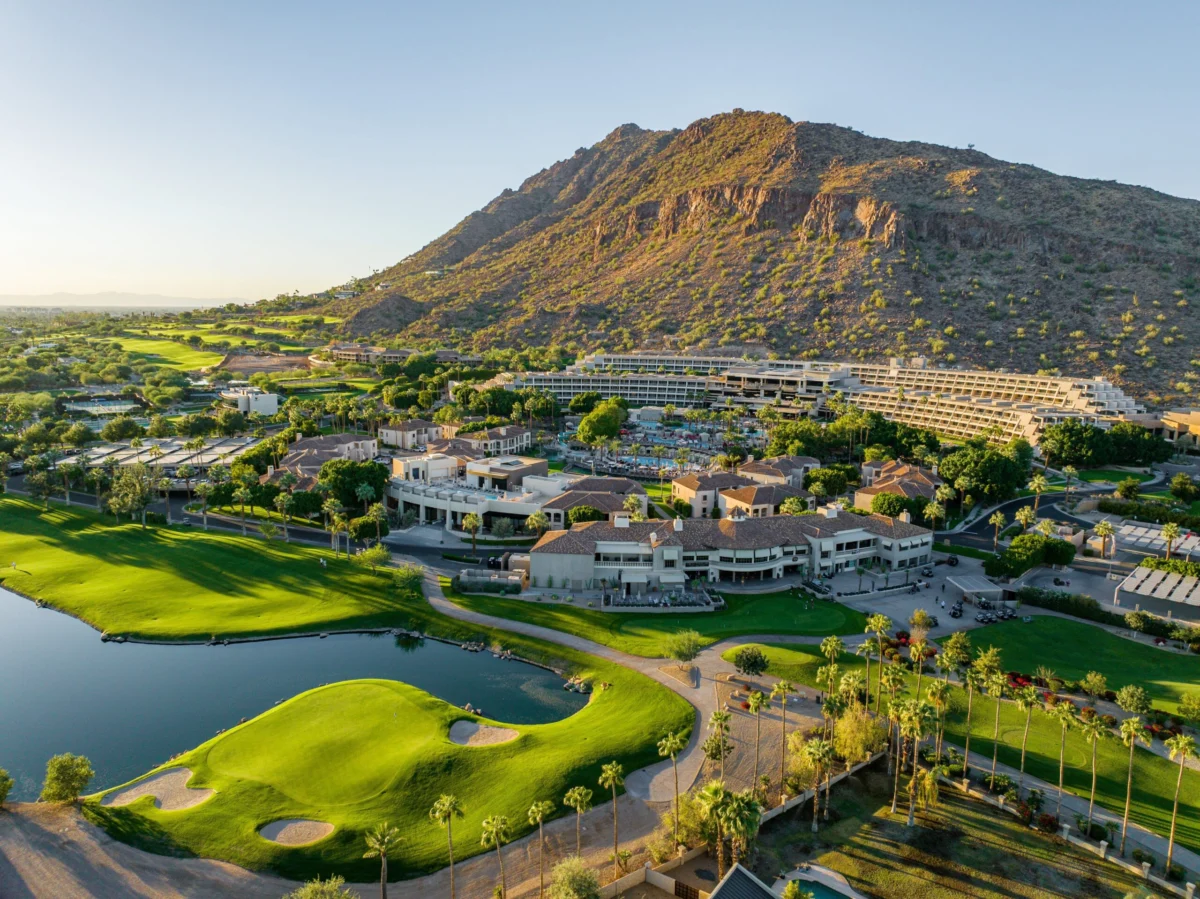
For the dedicated golfer, a course is more than just a collection of eighteen holes; it is a pilgrimage site. Whether it is the wind-whipped dunes of St. Andrews in Scotland or the iconic, cliff-side drama of Pebble Beach in California, the lore surrounding the world’s greatest golf destinations is woven into the very fabric of the sport. Yet, as the industry evolves, the definition of a "world-class" golf destination is shifting. It is no longer enough to offer a championship-level layout. Today, the modern golfer—and their travel companions—demand an immersive luxury experience that transcends the scorecard.
The Evolution of the Golfing Pilgrimage
My introduction to the obsessive nature of golf travel began behind the counter of an indoor simulator. Night after night, league players would trade anecdotes about their "bucket-list" tee times. These conversations were rarely just about the game; they were about the experience of place. A trip to Scotland wasn’t just about the links; it was about the scotch, the history, and the coastal air. A trip to California wasn’t just about the challenge of the greens; it was about the proximity to the Pacific and the architectural pedigree of the resort.
This realization was crystallized during a recent sojourn to the Four Seasons Resort and Residences Puerto Rico. While navigating the back nine at the Bahía Beach Golf Club—a masterclass in design by the legendary Robert Trent Jones Jr.—I found myself momentarily distracted not by a bunker, but by the horizon. To my left, the lush, verdant canopy of the El Yunque National Rainforest; to my right, the rhythmic, turquoise pulse of the Atlantic Ocean. It was an eco-paradise that challenged the notion that a great golf course must exist in isolation.
The Anatomy of a Great Golf Resort
What separates a merely "good" golf resort from one that earns a permanent spot in a traveler’s memory? Through years of research, countless interviews with PGA professionals, and conversations with well-traveled amateurs, a clear hierarchy of criteria has emerged.
1. The Championship Layout
At the core, the course must possess architectural integrity. Whether it is the strategic risk-reward geometry of a modern designer or the timeless, natural contours of a classic links, the golf course serves as the anchor. It must be maintained to pristine standards, offering both a fair test for the scratch golfer and an enjoyable experience for the high-handicapper.
2. The "Nongolfer" Factor
Perhaps the most significant shift in luxury travel is the prioritization of the non-golfing partner or family member. A great golf hotel must function as a comprehensive destination. This includes world-class spas that offer more than just a massage menu, culinary programs that rival standalone fine-dining institutions, and leisure activities—from private beach access to nature excursions—that ensure those who don’t pick up a club never feel like an afterthought.
3. Service as a Strategy
In the realm of high-end hospitality, service is the ultimate differentiator. This encompasses everything from the seamless transport of golf clubs to the availability of personalized caddie services and the integration of technology—such as high-tech GPS-enabled carts or advanced ball-tracking systems—that enhance the experience without intruding upon the sanctity of the game.
Chronology of a Luxury Golf Getaway
To understand why these destinations succeed, one must look at the arc of a typical three-day stay at a premier property like Bahía Beach.
- Day One: The Arrival. The guest is greeted not by a standard check-in, but by an experience that anticipates their needs. Clubs are whisked away to the clubhouse, and the itinerary is curated, balancing the desired tee times with afternoon spa appointments or sunset dining reservations.
- Day Two: The Challenge. The morning is dedicated to the fairway. The early hours are prioritized for the round, allowing the golfer to play in the cooler, quieter parts of the day. Post-round, the focus shifts to recovery—perhaps a hydrotherapy circuit at the spa or a light lunch overlooking the course.
- Day Three: The Immersion. The final day is reserved for the destination’s unique assets. At a resort like the Four Seasons Puerto Rico, this might involve a guided trek through the nearby rainforest or a water sports excursion. The evening concludes with a dinner that celebrates local provenance, cementing the connection between the resort and its host culture.
Supporting Data: The Economic and Social Impact
The global golf tourism market is currently undergoing a massive resurgence. According to recent industry reports, golf travel is no longer a niche pursuit but a cornerstone of the luxury hospitality sector.
- Revenue Generation: Resorts that successfully integrate golf with high-end wellness and dining see a 30% higher return on guest retention compared to standalone golf courses.
- Environmental Stewardship: Modern golf resorts are increasingly scrutinized for their ecological footprint. The shift toward eco-certified courses—like Bahía Beach, which holds Audubon International certification—has become a mandatory benchmark for luxury travelers who prioritize sustainability.
- Demographic Shifts: The average age of the luxury golf traveler is dropping. Younger, affluent travelers are increasingly looking for "Instagrammable" moments that pair sport with social media-ready environments, forcing resorts to invest heavily in aesthetic architecture and curated landscapes.
Official Perspectives: The Architect’s View
In interviews with leading architects, the consensus is clear: the integration of nature is the future of the sport. Robert Trent Jones Jr. has long championed the idea that a golf course should "sing with the land." When asked about the design of Bahía Beach, developers noted that the goal was to minimize the "human footprint" while maximizing the guest’s engagement with the surrounding biosphere.
"The best golf courses feel as if they were discovered, not constructed," notes one design consultant. "When you stand on the 18th green, you shouldn’t just be thinking about your putting stroke. You should be thinking about the beauty of the ecosystem you’ve just traversed."
Implications for the Future of the Sport
The implications for the hospitality industry are profound. We are moving away from the "boys’ trip" model of the 1990s—which prioritized beer, bunkers, and little else—toward a holistic travel experience.
Implications for Resorts:
Hotels that fail to diversify their offerings will find themselves losing market share. The modern luxury traveler is "experience-driven." If a resort cannot provide a compelling reason for a non-golfer to visit, the golfer will simply choose a different location.
Implications for the Golfer:
For the player, this means higher costs but vastly improved standards. The days of "playing through" a poorly managed course are being replaced by white-glove service. This elevation of standards ensures that even when the game is poor, the memories remain excellent.
Implications for Sustainability:
Perhaps the most positive outcome of this trend is the focus on land management. As resorts compete for the title of "best golf hotel," they are investing in reforestation, water conservation, and renewable energy. The golf course is becoming a guardian of the landscape rather than an invader of it.
Conclusion: Finding the Balance
The intersection of sport and luxury is a delicate one. As the industry continues to refine its offerings, the winners will be those that manage to balance the technical rigor of a championship golf course with the refined, restorative elements of a top-tier resort.
Whether you are a scratch golfer looking to test your mettle against a world-class design or someone simply looking to unwind against a backdrop of breathtaking scenery, the modern golf hotel offers a unique vantage point. It is a place where the focus of the game meets the freedom of a vacation. As I reflected on the back nine in Puerto Rico, it became clear: the best part of the round wasn’t the birdie on the 14th hole—it was the realization that the world beyond the fairway was just as spectacular as the game itself.
In the years to come, we can expect this trend to accelerate. The golf resort of the future will be less of a clubhouse and more of a sanctuary—a place where the sport provides the rhythm, but the resort provides the soul. For the traveler, this represents a golden age of golf tourism, where every trip is an opportunity to explore, play, and disconnect in equal measure.
 Sagoh
Sagoh
 Asro
Asro
