

By Giovanni Colantonio
Published October 3, 2026, 2:00 PM EDT
Main Facts
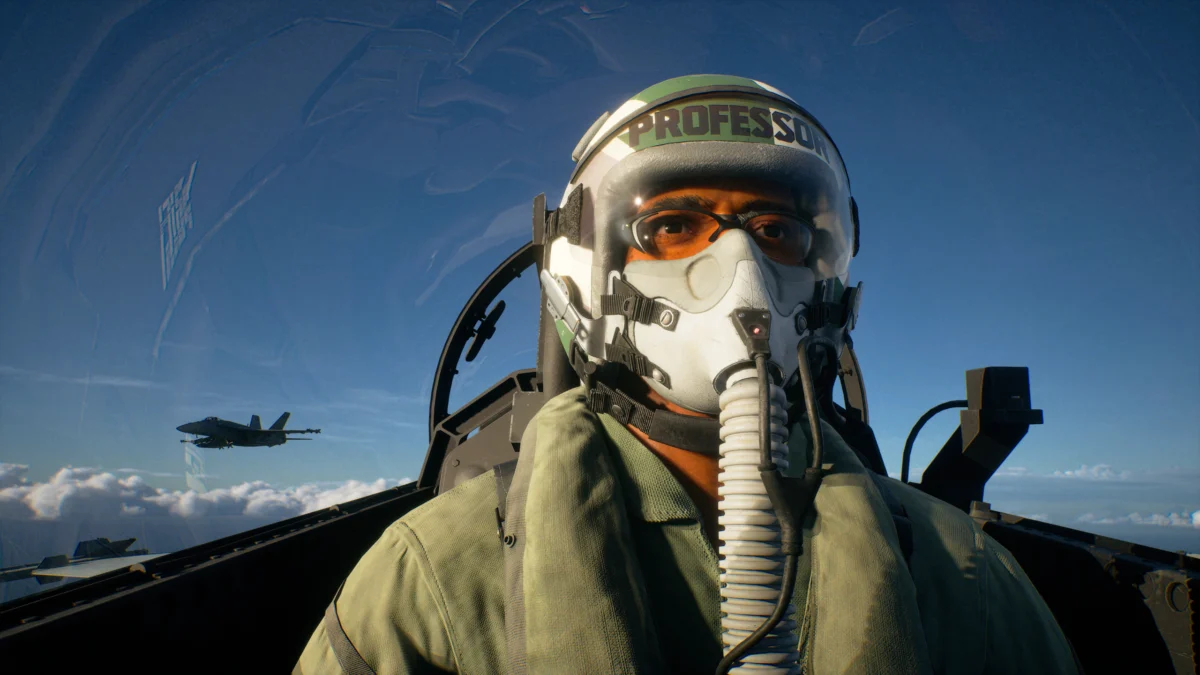
Ace Combat 8: Wings of Theve, developed by Bandai Namco Aces and published by Bandai Namco Entertainment, stands as one of the standout video game releases of 2026. Beyond its critical acclaim for airtight aerial controls, diverse and thrilling combat missions, and cutting-edge visual fidelity that pushes the current console generation to its absolute limits, the game has captured the industry’s attention for a different reason: its monumental, genre-defying soundtrack.
Spearheaded by veteran composer Keiki Kobayashi alongside co-composers Ryo Watanabe and Mitsuhiro Kitadani, the audio design of Ace Combat 8 transcends typical video game scoring. Critics and long-time enthusiasts alike are arguing that the game features not only the best video game soundtrack of 2026, but potentially one of the greatest musical scores in the history of interactive media. Blending colossal orchestral arrangements, deeply integrated character motifs, and surprising diegetic classic rock tracks—most notably from the in-universe fictional band "Purple Magic"—the soundscape of Ace Combat 8 sets a new gold standard for emotional storytelling in video games.
Chronology: The Evolution of Ace Combat’s Audio Legacy
To fully understand the triumph of Ace Combat 8, one must trace the historical trajectory of the franchise’s sound design:
- The Early Era (Late 1990s): The Ace Combat franchise established early on that flight action required more than generic background noise. While early titles relied on synthesized rock and rudimentary techno loops to mimic the adrenaline of dogfighting, they laid the groundwork for dramatic, high-stakes framing.
- The Kobayashi Revolution (Ace Combat 04 to Ace Combat 6): Renowned composer Keiki Kobayashi joined the franchise, permanently altering its identity. By introducing soaring orchestral arrangements, Latin chants, and deeply emotional choral movements, Kobayashi turned aerial dogfights into sweeping, operatic conflicts. Tracks like "Megalith" and "Zero" became legendary among gaming enthusiasts.
- The Long Silence and Return (Ace Combat 7 to 8): Following the release of Ace Combat 7: Skies Unknown, the series entered a multi-year development cycle. During this period, Bandai Namco Aces quietly re-engineered the audio engine, preparing for a grand return.
- October 2026 (The Launch of Wings of Theve): Ace Combat 8 hits store shelves and digital storefronts, accompanied by an unprecedented critical consensus surrounding its music. The release is punctuated by the drop of key tracks like the main theme "Everflow" and the climactic boss theme "Hortus Regis Alti."
Supporting Data & Compositional Breakdown
The sheer scale of the Ace Combat 8 audio production is evident in its technical execution and structural design. The soundtrack is split into several distinct stylistic pillars that elevate the gameplay experience:
1. Grand Orchestral and Choral Arrangements
The word "epic" is frequently overused in gaming discourse, but Ace Combat 8 justifies the descriptor through sheer scale. The compositions feature impossibly large choirs and emotive string sections. Tracks like the main theme, "Everflow" (a sprawling six-minute overture), are engineered to evoke physical reactions, utilizing bombastic brass and rapid percussion that match the high-G maneuvers players execute on screen. Comparisons have rightly been drawn to blockbuster cinematic scores, most notably the legendary work found in the Metal Gear Solid series.
2. Sophisticated Musical Motifs
One of the soundtrack’s most brilliant narrative tricks is its application of recurring leitmotifs. Throughout the campaign, the player faces off against the Sotoan air force’s elite rival squad, the Lux Lunae. Before visual confirmation or radar lock-on, players are tipped off to their presence by a distinct vocal chant—a rhythmic battle cry that initially feels simple, almost pop-like in its repetition.
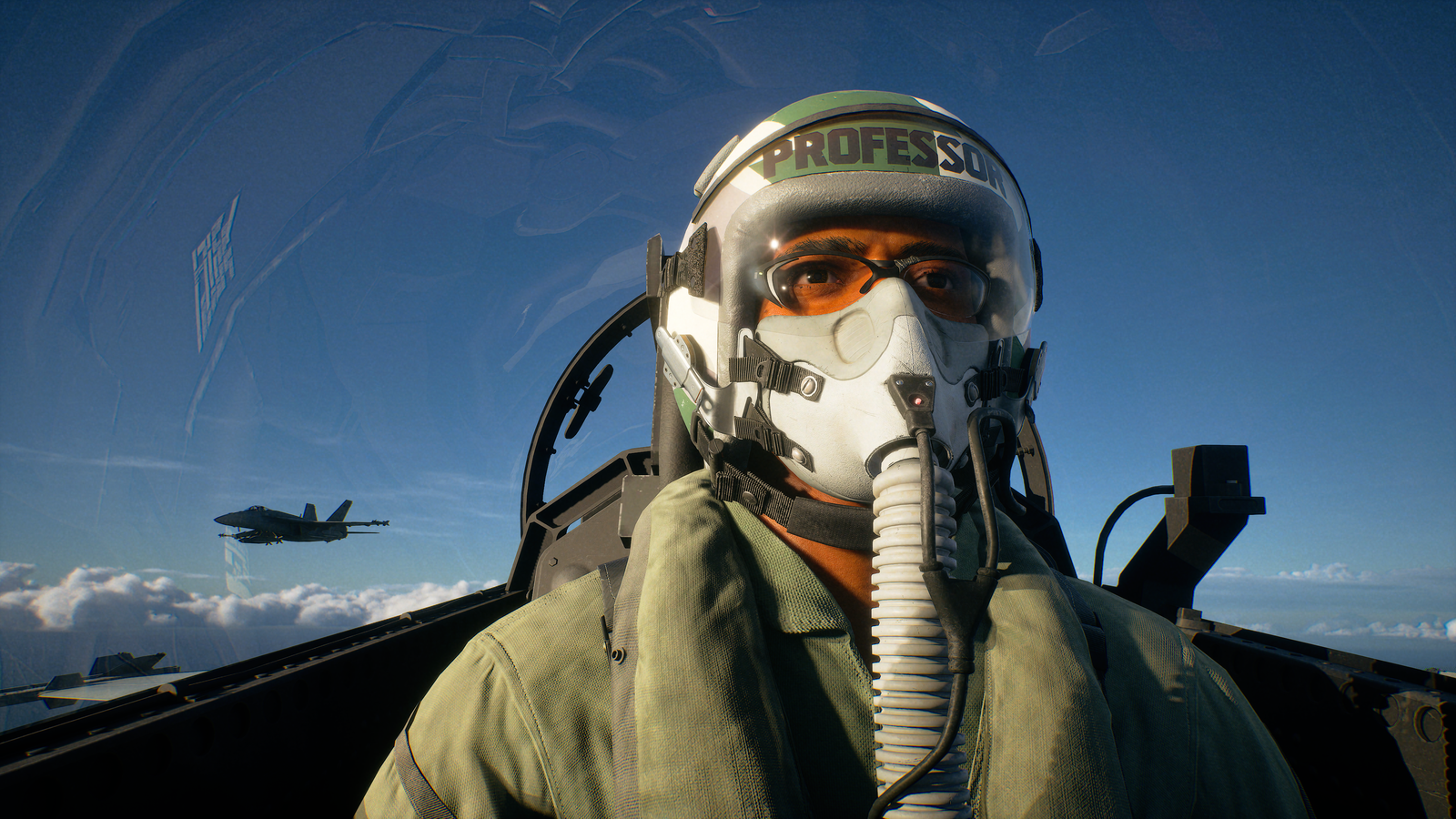
However, the composition team cleverly weaves this vocal melody into the broader orchestral pieces over the course of the campaign. This narrative-musical evolution culminates in "Hortus Regis Alti," a tour-de-force track that synthesizes the enemy’s motif into the final, triumphant movements of the game.
3. The "Purple Magic" Phenomenon
Perhaps the most surprising and beloved element of the Ace Combat 8 soundtrack is its inclusion of diegetic rock and roll. Within the game’s narrative, the player’s squadron are obsessed with a fictional in-universe butt-rock band called Purple Magic. During specific high-adrenaline campaign missions, characters can be heard pumping up their morale by blasting tracks like "Time Are Changing."
Rather than treating these tracks as isolated easter eggs, the sound team executes a masterful audio sleight-of-hand. They blend the gritty, high-energy guitar riffs of Purple Magic with the sweeping orchestral arrangements of the original score. The result mimics the effect of a modern blockbuster movie trailer that seamlessly fuses a licensed pop song with an original cinematic score—a hybrid style rarely pulled off this effectively in an interactive medium.
Official Responses and Industry Reception
The audio direction of Ace Combat 8 has drawn widespread praise from both within the games industry and external music critics:
- Bandai Namco Aces Development Team: In early interviews surrounding the game’s release, lead audio directors emphasized that the goal for Wings of Theve was to make players feel the psychological weight of the Sotoa-Usea War, rather than just enjoying the spectacle of flight. By grounding the bombastic orchestral scores with human vocal chants and gritty rock music, the team aimed to bridge the gap between high-concept war opera and grounded, relatable camaraderie among squadmates.
- Critical Consensus: Reviewers across major gaming publications have singled out the audio department as the game’s crowning achievement. Even for gamers who may feel intimidated by the high-velocity, disorienting barrel rolls of modern flight combat, critics universally recommend streaming the standalone soundtrack on platforms like YouTube to appreciate the emotional arc conveyed purely through sound.
Implications: What Ace Combat 8 Means for the Future of Video Game Audio
The runaway success of the Ace Combat 8 soundscape carries several major implications for the future of game development:
- Elevating Genre-Specific Scores: For years, flight simulator and vehicular combat games have struggled to maintain broad cultural relevance outside of niche enthusiast communities. By infusing Ace Combat 8 with universally appealing, emotionally resonant, and hybrid musical styling, Bandai Namco has proven that genre games can achieve mainstream crossover appeal through exceptional audio presentation.
- Diegetic-Non-Diegetic Blending: The seamless fusion of the fictional band Purple Magic’s rock anthems with Keiki Kobayashi’s sweeping orchestral cues provides a masterclass in modern sound design. Future developers looking to incorporate licensed or in-universe music without breaking immersion will likely look to Ace Combat 8 as the definitive blueprint.
- The Enduring Value of Character Motifs: In an era where many AAA games rely on ambient, atmospheric soundscapes that fade into the background, Wings of Theve proves that bold, unforgettable character and faction motifs—such as the Lux Lunae chant—still hold immense power in cementing a game’s legacy in the cultural zeitgeist.
Ultimately, Ace Combat 8: Wings of Theve demonstrates that when top-tier compositional talent meets visionary game design, the resulting audio experience can soar far beyond the confines of the screen, leaving a permanent mark on the history of video game music.
 Reynand Wu
 Jia Lissa
 Layla Zulfa
