

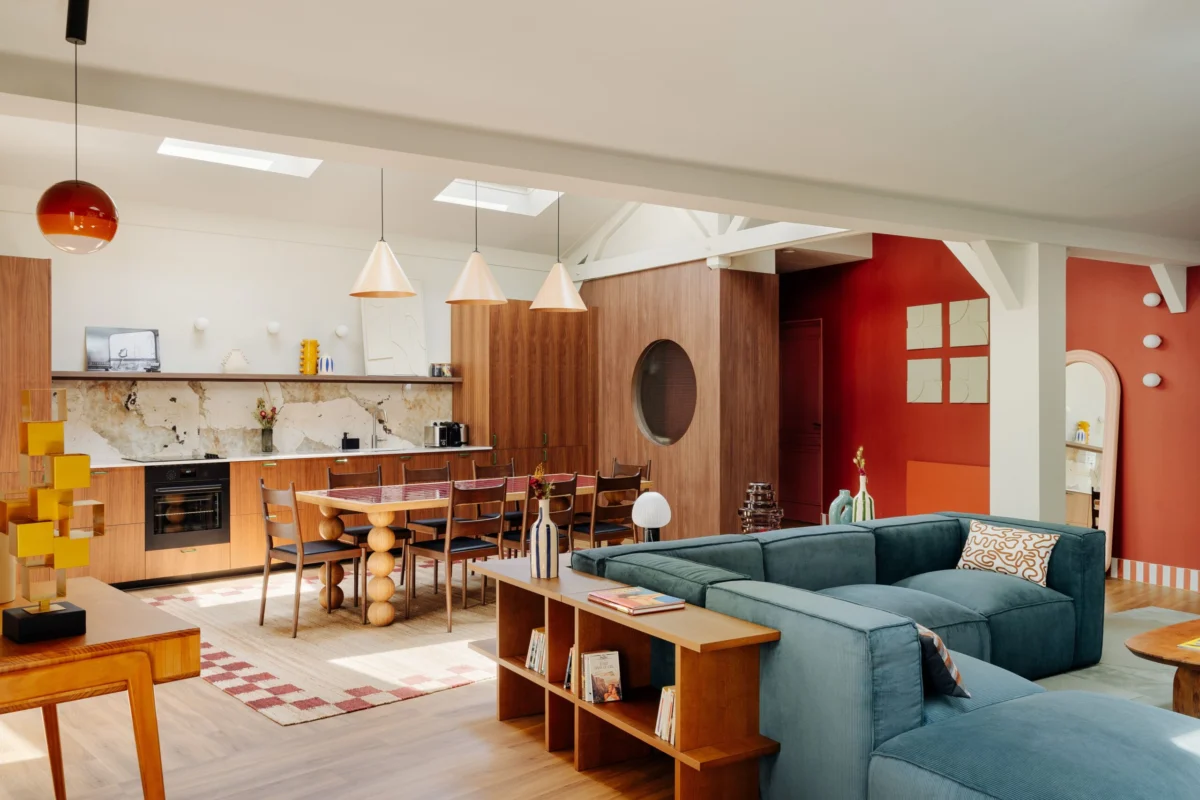
Paris—the City of Light, the cradle of artistic revolution, and a perennial magnet for dreamers—remains an unrivaled destination for global travelers. From the soaring silhouette of the Iron Lady to the quiet, cobblestoned charm of the Marais, the French capital offers an inexhaustible supply of culture, gastronomy, and design. However, for families, the logistical challenge of navigating Paris often hinges on one critical decision: where to lay your head.
While the city boasts some of the world’s most iconic palace hotels, the modern family traveler is increasingly gravitating toward a more immersive experience. Renting an Airbnb in Paris is no longer just a budget-conscious alternative; it has evolved into a strategic lifestyle choice for those seeking to blend luxury, space, and the authentic rhythm of local Parisian life.
The Shift in Luxury Travel: Why Families Are Choosing Apartments
In recent years, the hospitality landscape in Paris has shifted. For multigenerational families, the constraints of traditional hotel suites—often limited by occupancy caps and the lack of communal living space—can turn a vacation into a high-stress endurance test.
The appeal of a high-end, family-friendly Parisian apartment lies in its versatility. It provides a sanctuary for the inevitable realities of traveling with children: the toddler mid-day meltdown, the need for quiet downtime for a cynical teenager, and the desire for parents to enjoy a glass of Bordeaux after the children have been tucked into bed. By opting for a private rental, families gain a "home base" that accommodates the spectrum of ages, interests, and energy levels that define a group trip.
The Anatomy of the Perfect Parisian Family Rental
When vetting a rental property for a family trip, the criteria must go beyond aesthetics. Our curation process for the city’s top stays relies on a strict set of metrics: Superhost status, consistent "Guest Favorite" ratings, proximity to essential transit and grocery hubs, and an amenity list that caters to all ages.
Key Factors for Selection:
- Space and Layout: The inclusion of distinct living areas is non-negotiable. For a family to coexist happily for a week or more, there must be a separation between sleeping quarters and communal zones.
- The "Local" Factor: We prioritize properties situated in neighborhoods that offer a taste of real life—neighborhoods where the boulangerie is on the corner and the local park is a hub for community activity.
- Child-Friendly Infrastructure: From the presence of high chairs and pack-and-plays to the safety of balconies and staircases, the physical safety of the property is a primary consideration.
- Teen-Friendly Connectivity: In an era where digital engagement is constant, high-speed Wi-Fi and proximity to trendy districts like Le Marais or the Latin Quarter are essential for keeping older children engaged.
Chronology of a Parisian Family Stay: Living Like a Local
To understand the value of an apartment rental, one must look at the flow of a typical day in a family-run Parisian home.
08:00 – The Morning Ritual: Instead of navigating a crowded hotel breakfast buffet, the family gathers in their own kitchen. Fresh baguettes, sourced from the local bakery downstairs, and café au lait are enjoyed at a wooden table that feels lived-in and authentic.
11:00 – The Cultural Excursion: After an easy start, the family heads out. With their home base serving as a storage point for gear, they are free to roam the city unencumbered. Whether it’s a visit to the Louvre or a scavenger hunt in the Tuileries, the ability to return "home" for a nap or a mid-day refresh makes the excursion infinitely more manageable.
15:00 – The Mid-Day Pivot: This is the hour where the apartment truly earns its keep. While the younger children take a nap in a quiet bedroom, the parents can retreat to a sun-drenched living room with a book purchased from Shakespeare and Company. The teenagers, meanwhile, might be catching up on their own schedules or exploring a local boutique.
19:00 – The Evening Wind-Down: Rather than forcing the entire family into a formal restaurant at 8:00 PM, the family can host a casual dinner with market-fresh ingredients or enjoy a quiet night in. For families with young children, this flexibility is the difference between a successful vacation and a burnout.
Supporting Data: The Rise of the "Living" Vacation
Data from recent travel industry reports indicates a 35% increase in demand for "residential-style" accommodations among families traveling to Western Europe since 2021. This trend is driven by two primary factors: the desire for enhanced hygiene and privacy in a post-pandemic world, and a cultural shift toward "slow travel."
Families are spending an average of 6.5 days in Paris—longer than the historical average of 3-4 days. This extended duration necessitates a space that feels like a residence rather than a room. Furthermore, properties offering "experiential amenities"—such as private courtyards, ping-pong tables, or well-curated libraries—consistently see a 40% higher booking rate than standard units, confirming that families are willing to pay a premium for environments that facilitate bonding.
Official Responses and Regulatory Context
It is important to note the regulatory landscape in Paris regarding short-term rentals. The City of Paris has implemented stringent rules to protect local housing stock. As a traveler, it is your responsibility to ensure that the listing you select is legally registered.
The Paris City Hall (Mairie de Paris) requires that any apartment rented out as a short-term vacation property must have a registration number. Reputable platforms like Airbnb have automated systems to ensure these numbers are displayed on listings. By choosing to book only properties that are fully compliant, families are not only securing a safer and more reliable stay but are also supporting a sustainable tourism ecosystem that respects the city’s residential integrity.
Implications for Future Travel
The move toward family-oriented rentals suggests that the future of travel in Paris is becoming more personalized. The "one-size-fits-all" hotel model is being challenged by a desire for domesticity while abroad.
Long-term Benefits for Families:
- Cultural Literacy: Living in a residential building forces interaction with local neighbors, providing a more nuanced understanding of French etiquette and daily life than a hotel concierge ever could.
- Budget Optimization: While high-end apartments are a luxury expense, the ability to cook even half of your meals at home significantly lowers the daily overhead compared to dining out in tourist-heavy districts.
- Holistic Wellbeing: Reducing the stress of managing children in confined spaces leads to a more relaxed, present, and enjoyable experience for the adults.
Conclusion: Crafting Your Parisian Narrative
Paris is a city that rewards those who linger. By choosing an apartment that caters to the specific needs of your family, you are doing more than just booking a place to sleep; you are curating the backdrop for your family’s memories. Whether it is the quiet, sun-dappled terrace overlooking a courtyard, the proximity to a local playground, or the luxury of a full kitchen, the right Airbnb serves as the foundation for a seamless, sophisticated, and deeply personal Parisian adventure.
As you plan your next voyage to the City of Light, look for the spaces that offer more than just a view—look for the ones that offer a life. In doing so, you will find that Paris is not just a destination to be visited, but a home to be lived in.
Note: This guide is intended to assist families in navigating the complexities of booking. Always verify property details and local municipal registration status before finalizing your travel arrangements.
 rifanmuazin
 Lina Irawan
 Suro Senen
