

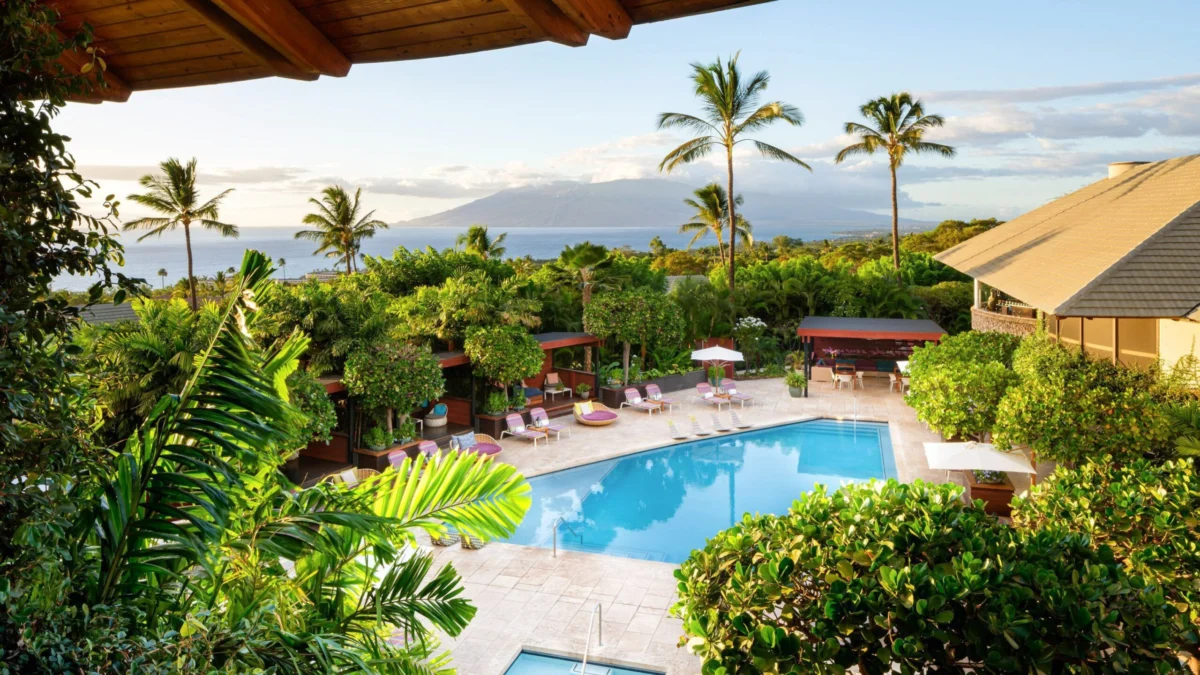
Maui, the "Valley Isle," occupies a singular place in the traveler’s imagination. With its dramatic volcanic topography, emerald-green valleys, and a coastline that transitions from the golden sands of Wailea to the rugged, surf-pounded cliffs of the North Shore, it is a destination that draws over two million visitors annually. Yet, for the discerning traveler—the one who seeks the hushed intimacy of a private cottage or the curated charm of a hillside bed and breakfast—the island’s hospitality landscape can feel dominated by monolithic resorts and anonymous short-term rentals.
For those of us who have lived in the Hawaiian Islands for decades, the search for "the hidden gem" is a perennial pursuit. Having called Honolulu home for over 20 years, I have made it a personal mission to venture across the channel to Maui, intentionally checking into properties that offer more than just a room with a view. The goal is to find hospitality that mirrors the spirit of the island: authentic, grounded, and deeply welcoming.
The Evolution of Maui’s Hospitality Landscape
Main Facts and Market Dynamics
For decades, Maui’s tourism infrastructure was defined by the "Mega-Resort" model. Following the development boom of the 1970s and 80s, large-scale properties in Kaʻanapali and Wailea became the standard-bearers for Hawaiian luxury. These resorts offer undeniable convenience, sprawling swimming pools, and centralized concierge services. However, they often lack the distinct, localized flavor that modern travelers increasingly demand.
Conversely, the rise of short-term rental platforms has introduced a high volume of inventory, but often at the expense of professional hospitality standards. The "middle ground"—boutique hotels, historic inns, and eco-conscious retreats—remains the rarest category on the island. Finding these properties requires local knowledge, as they are often tucked away in residential neighborhoods, high-altitude slopes, or quiet coastal pockets far from the tourist throngs.
A Chronology of Change
The shift in travel preferences has been palpable over the last decade. Post-2020, there has been a marked pivot toward "slow travel." Visitors are less interested in checking off a list of tourist attractions and more interested in the experience of the place. This has forced a reckoning among property developers. We are seeing a slow but steady emergence of properties that emphasize:
- Cultural Integration: Engaging with local practitioners, such as lei makers and historians.
- Environmental Stewardship: Implementing water conservation and reef-safe practices that go beyond mere marketing.
- Architectural Sensitivity: Buildings that reflect, rather than overshadow, the natural environment of the island.
Supporting Data: Navigating the Island’s Regions
Understanding where to stay on Maui is as much about understanding the micro-climates and cultural nuances of each district as it is about budget.
West Maui: The Hub of Coastal Adventure
Encompassing Kaʻanapali, Lahaina, and Kapalua, this region remains the most popular for first-time visitors. It is a land of white-sand beaches, world-class golf, and high-end dining. However, the density here can be overwhelming. The key is to look for the boutique properties nestled along the Kapalua coast that offer direct access to protected marine sanctuaries.
Wailea and Kihei: The Sun-Drenched South
Wailea is synonymous with luxury. It is the polished, manicured face of Maui. Minutes away, Kihei offers a more accessible, laid-back atmosphere. For the traveler seeking a balance between convenience and cost, the transition zone between these two areas offers some of the most charming, low-rise apartment-style boutique hotels on the island.
The North Shore: The Surfer’s Sanctuary
The North Shore is the beating heart of Maui’s surf culture. It is raw, windswept, and authentic. Accommodations here are rarely "resorts" in the traditional sense; they are often converted plantation-style homes or guesthouses. This is the base camp for those embarking on the Road to Hana or seeking a glimpse into the life of the local waterman.
Upcountry: The Paniolo Spirit
For those who want to see the "other" Maui, head to the slopes of Haleakala. In towns like Makawao and Kula, the temperature drops, the mist rolls in, and the pace of life shifts to match the rural, agricultural rhythm. This is the home of the paniolo (Hawaiian cowboy) culture, where agro-tourism thrives and visitors can stay on working farms or quiet, mountain-view lodges.
The Essential Toolkit for the Maui Traveler
Timing Your Arrival
Timing is everything in Hawaii. To avoid the peak crowds and the premium pricing, the window between August and October is the "sweet spot." The summer vacationers have departed, and the winter rains have yet to arrive. May is a secondary, equally excellent window, offering mild weather before the humidity of high summer sets in.
If your motivation is nature-focused, specifically whale watching, the calendar is dictated by the North Pacific Humpbacks. While sightings occur between November and May, the peak of the season—when the waters are most alive with activity—is typically January through March.
Logistical Realities: Getting Around
The infrastructure of Maui is designed for the private vehicle. Public transportation is limited and, while improving, does not serve the remote trails, beaches, and Upcountry farms that define the "authentic" experience. A rental car is, for most, a necessity.
- Rideshare Warning: While Uber and Lyft are available in the resort corridors, they are notoriously unreliable in the more remote or rural parts of the island. Relying on them for an excursion to Hana or a sunrise trip to the summit of Haleakala is ill-advised.
- Guided Tours: For those who prefer not to drive, booking a tour with a locally owned operator—such as those focusing on cultural education—is a superior way to travel. It removes the stress of navigation and provides a layer of historical context that a rental car simply cannot provide.
Beyond the Hotel Walls: Curated Experiences
The best hotels on Maui are those that act as a gateway to the island’s culture.
- Haleakala: Whether you are biking, hiking, or stargazing, the summit is a spiritual center. Using a professional service like Maui Stargazing ensures that you are not just looking at the sky, but learning about the Polynesian navigators who used these same stars to traverse the Pacific.
- Agricultural Tourism: The Maui Gold pineapple tour is more than a snack—it is a lesson in the island’s agricultural history.
- The Arts: Do not skip the opportunity to visit Haku Maui in Makawao. Participating in a wili (winding) lei workshop is a profound way to engage with the botanical heritage of Hawaii. It is a reminder that the true luxury of Maui is not the thread count of the sheets, but the connection to the land and the people.
Implications for Future Tourism
The "best" hotels are defined by more than just aesthetics. As the travel industry shifts toward a more sustainable future, Condé Nast Traveler editors have refined the criteria for what makes a property worthy of a recommendation.
Sustainability is no longer a "green checkmark"—it is a foundational requirement. We evaluate how a property manages its waste, how it supports the local economy, and, crucially, whether it employs and empowers native Hawaiian staff in leadership roles. When a property treats the land with respect, it creates a trickle-down effect that improves the experience for the guest.
The future of Maui hospitality lies in the hands of those who recognize that the island’s beauty is a finite resource. As visitors, our responsibility is to choose accommodations that align with this ethos. Whether you select a beachfront cottage in the North or a quiet lodge in the Upcountry, the goal remains the same: to leave the island as vibrant as you found it, while taking with you a deeper, more nuanced understanding of this incredible, sacred place.
 Asro
Asro
