

By Digital Culture Staff
Published: October 8, 2026
For an entire generation of American anime enthusiasts, diving into a new series once felt like participating in a secret society. Discovering the medium meant staying up past midnight to catch Toonami’s late-night programming blocks on Cartoon Network, scouring shady internet forums for low-resolution, fan-subtitled episodes, or trading heavy VHS tapes at local comic book conventions.
Today, that landscape has fundamentally transformed. An introduction to Japanese animation no longer requires a deliberate search; it often happens passively. A viewer might stumble upon a meticulously curated 30-second TikTok edit, watch an Olympic figure skater reference a beloved protagonist on live television, or hear a chart-topping musical artist drop bars inspired by Jujutsu Kaisen.
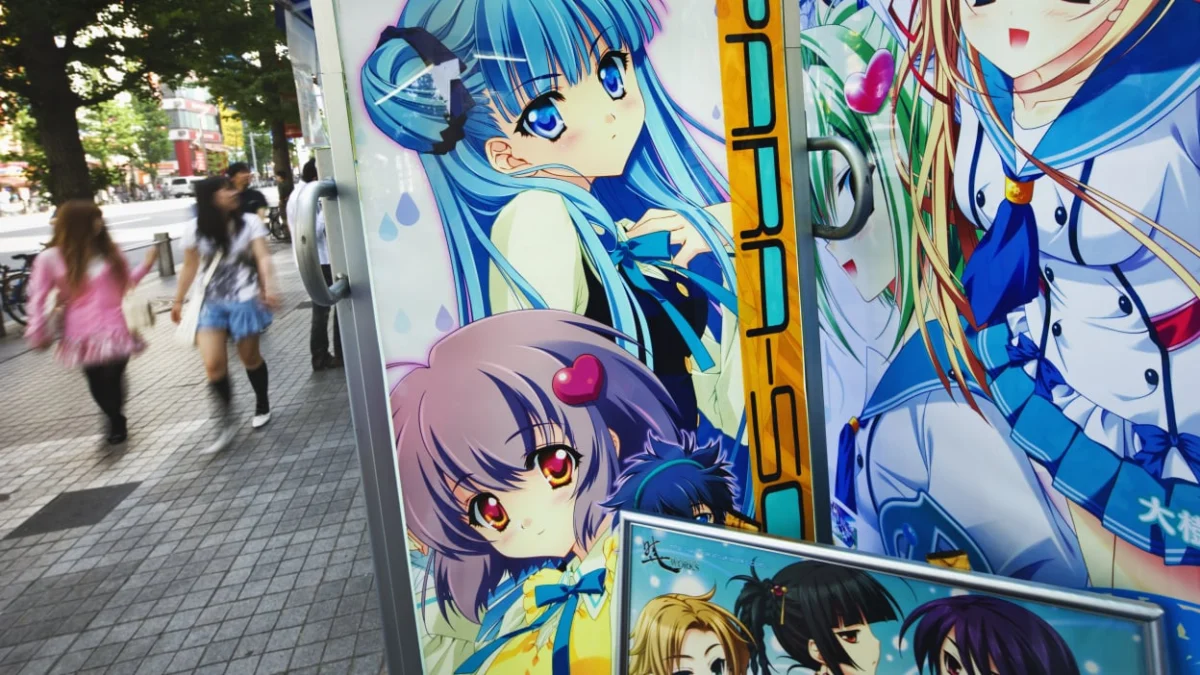
Anime is no longer tucked away in niche corners of the internet or specialty brick-and-mortar hobby shops. It has broken through the physical and cultural barriers of the past, evolving into an inescapable pillar of global pop culture.
This seismic shift was at the heart of a high-profile panel titled "The Influencers Shaping Anime Fandom," held at Crunchyroll’s Anime Future Forum in New York City. Bringing together hip-hop icon Big Sean, Olympic figure skater Amber Glenn, and viral content creator Jordan Howlett, the discussion mapped out how the internet—and social media algorithms in particular—has torn down the walls between traditional fandoms and the mainstream public.
Main Facts: The Intersection of Tech, Culture, and Animation
The evolution of anime fandom in the West is a story of technological democratization. What began as a localized subculture in the mid-20th century has exploded into a multi-billion-dollar global juggernaut, accelerated by the pivot to digital streaming, social media algorithms, and public figures who wear their fandom proudly on their sleeves.
- Mainstream Visibility: High-profile athletes, musicians, and actors regularly integrate anime references into their professional lives—from Olympic sprinters striking Dragon Ball Z poses to Hollywood directors modeling blockbuster action sequences after classic shonen tropes.
- The Power of the Algorithm: Platforms like TikTok, YouTube Shorts, and Instagram Reels have changed the discovery pipeline. Fans no longer need to seek out anime; bite-sized edits, emotional character arcs, and high-stakes fight sequences find them.
- Corporate Scale: Streaming giants like Crunchyroll boast staggering metrics, reporting over 21 million paid subscribers globally as of March 2026, alongside massive theatrical box-office successes like Demon Slayer: Kimetsu no Yaiba – Infinity Castle, which raked in nearly $794 million worldwide.
Chronology: From VHS Tapes to TikTok Feeds
To understand how modern anime culture operates, it is necessary to trace its trajectory from an underground obsession to a dominant digital force.

1. The Pioneer Era (1960s–1990s)
Anime’s foothold in the United States began modestly with the 1963 broadcast of Astro Boy. For decades, growth was slow, driven primarily by dedicated fan communities trading bootleg VHS tapes and organizing early conventions. The late 1990s marked the first major wave of mainstream exposure, as titles like Pokémon, Sailor Moon, and Dragon Ball Z captured the imaginations of American children, culminating in the cultural phenomenon of Cartoon Network’s Toonami block.
2. The Digital Migration (2000s–2010s)
As broadband internet expanded, anime fandom moved from physical media to peer-to-peer sharing and unauthorized streaming sites. Concurrently, specialized legal streaming services emerged, slowly centralizing the fragmented market and making simulcasts—episodes broadcast in Japan with English subtitles hours later—the industry standard.
3. The Social Media Revolution (2020s–Present)
Today, streaming platforms make anime easy to watch, but social media makes it impossible to ignore. Short-form video platforms, algorithmic content curation, and influencer culture have created a frictionless discovery pipeline. Fans no longer need to hunt down recommendations; they are baptized into fandoms via viral edits, cosplay trends, and cross-industry pop-culture crossovers.
Supporting Data: By the Numbers
The anecdotal evidence of anime’s dominance is heavily backed by hard market research and platform metrics:
- Audience Demographics: According to data from Hub Entertainment Research, 39 percent of 16- to 24-year-olds regularly watch anime, significantly outpacing the general population average of 21 percent.
- Global Reach: Crunchyroll crossed a major milestone in March 2026, reporting over 21 million active paid subscribers worldwide.
- Viral Footprint: On TikTok alone, nearly 178 million videos carry the #anime hashtag, while decentralized text-based platforms like Threads host dedicated anime communities numbering over 531,000 members.
- Peer Advocacy: A 2026 Global State of Anime Fandom study conducted by National Research Group revealed that 77 percent of surveyed anime viewers have actively recommended the medium to someone who had never watched it before. Furthermore, two-thirds of international respondents reported watching more anime than they did three years prior.
- Live Events: Physical gatherings continue to break attendance records. Anime NYC reported a massive 172,000 visits across its four-day event in 2026, up from 148,000 the previous year.
Official Responses and Perspectives
At the Anime Future Forum, the panel of cross-industry stars offered deep insights into how their personal relationships with anime shaped their careers and how they view the current cultural landscape.
For rapper Big Sean, whose fandom predates modern social media entirely, anime was a lifeline growing up in Detroit. "I’m a Toonami kid," Sean told the audience, citing foundational series like Dragon Ball Z, Cowboy Bebop, Gundam Wing, and YuYu Hakusho. He emphasized that the underlying themes of those shows—overcoming impossible odds and pushing past adversity—directly informed his music career. He even recalled the surreal moment when Sean Schemmel, the English voice of Goku, visited his home studio.
Content creator Jordan Howlett described a very modern point of entry. Drawn in by viral clips and fan edits on social media, Howlett found himself hooked on Solo Leveling. Reflecting on his childhood struggles with bullying, Howlett noted how series like Naruto gave him a sense of belonging. "When I was introduced to Naruto for the first time, the story inspired me… I felt so connected to these characters," he shared.

For Olympic figure skater Amber Glenn, anime edits serve as emotional blueprints. "There are edits of anime that make me feel more than like an entire movie could," she noted. Glenn has consistently brought her passion into her athletic career, translating her love for characters like Maki Zenin from Jujutsu Kaisen onto the ice, and pointing to productions like One Piece on Ice as proof of the deep synergy between sports and animation.
Implications: Identity, Mainstream Integration, and Community
The mainstreaming of anime carries profound implications for digital culture, entertainment, and personal identity.
1. Fandom as Identity
Historically, consuming niche media came with social anxieties. Today, social media platforms have fostered environments where expressing love for anime—through cosplay, makeup artistry, fan art, or critical discussions—is celebrated. Being an anime fan is no longer viewed as a quirky sub-identity; it has folded seamlessly into modern pop-culture literacy.
Celebrities and athletes openly broadcasting their favorite series have accelerated this normalization. From NBA star Jalen Brunson debating power-scaling arguments on TikTok to tennis icon Naomi Osaka stepping onto the U.S. Open court in magical-girl aesthetics, public figures have proven that loving anime does not conflict with mainstream success—it enhances it.
2. The Persistence of Gatekeeping
Despite the medium’s massive growth, cultural friction remains. The panel and industry analysts acknowledge that as anime attracts broader audiences, remnants of toxic gatekeeping persist within certain online forums. High-profile figures, including Megan Thee Stallion, have publicly addressed sexist gatekeeping within the community. However, the sheer volume of alternative, inclusive spaces created by social media ensures that newcomers can easily find welcoming pockets of community.
3. Hollywood and Beyond
The aesthetic and narrative grammar of anime is actively reshaping traditional media. Filmmakers like Michael B. Jordan explicitly draw from Naruto and Hajime no Ippo to choreograph cinematic fight sequences, injecting the hyper-stylized emotional intensity of anime into live-action cinema.
Ultimately, the transformation of anime fandom proves a vital truth about the modern internet: technology did not invent human passion, but it removed the friction of sharing it. As Jordan Howlett advised the audience, the key is simply refusing to hide what you love. In an era shaped by algorithms and global communities, that shared passion is no longer hidden in the shadows—it is defining the cultural mainstream.
 Nana
 Muslim
