

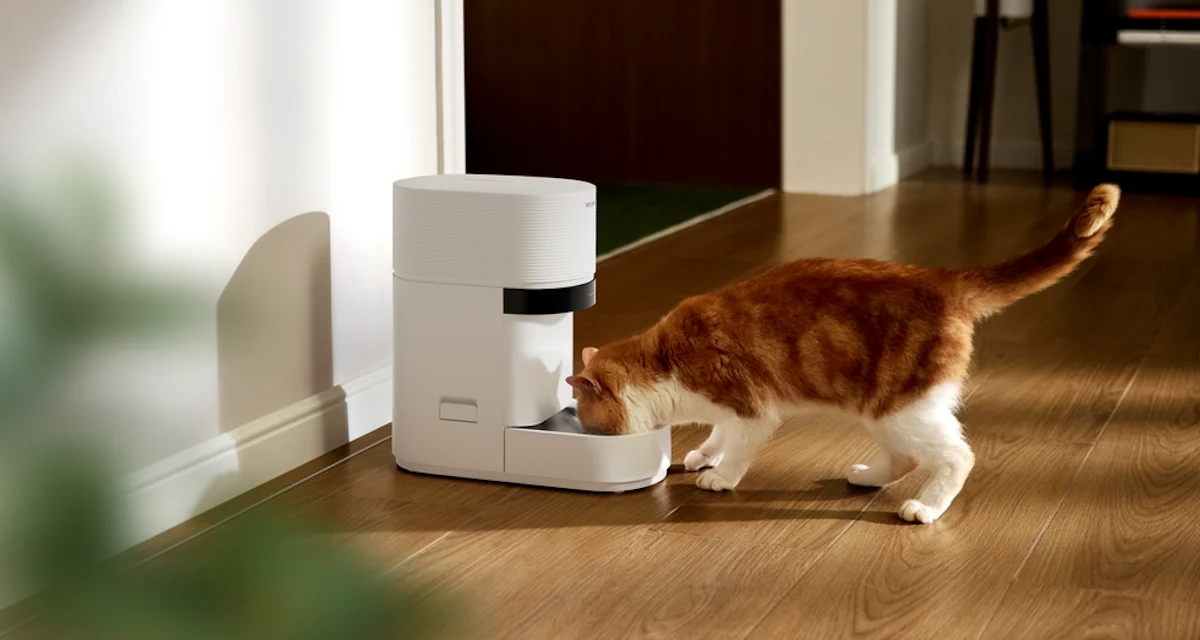
The modern pet technology landscape has undergone a dramatic transformation. What began as a simple convenience—automated plastic boxes designed to drop dry kibble into a metal bowl at preset times—has evolved into a sophisticated sector driven by artificial intelligence, computer vision, precision hardware, and cloud analytics. Today’s pet parents no longer just want to automate feeding schedules; they want profound insights into their companions’ nutritional intake, metabolic health, and daily behavior.
In this crowded and increasingly competitive ecosystem, Petlibro has consistently stood out. Having previously explored the brand’s innovative refrigerated wet food dispenser, the spotlight now turns to their latest dry food ecosystem: the Granary 2 series. Designed to bridge the gap between basic automated feeding and clinical-grade health monitoring, the Granary 2 lineup redefines what an intelligent pet feeder can achieve.
Main Facts: The Granary 2 Ecosystem at a Glance
The Petlibro Granary 2 series is structured around four distinct models, catering to a wide spectrum of household needs, pet counts, and budgets. Ranging from $129.99 to $249.99, the lineup introduces significant hardware upgrades—most notably an integrated digital scale and AI-powered multi-pet facial recognition.
Model Breakdown and Pricing
- Granary 2 ($129.99): The entry-level foundation of the series. It features app-controlled feeding, precise portion dispensing, and basic intake tracking powered by the new integrated scale.
- Granary 2 Vision ($189.99): Tested extensively for this review, this model introduces a 1080p AI-powered camera capable of recognizing up to 10 distinct pets, tracking individual eating habits, and providing remote video monitoring.
- Vision Duo ($199.99): Engineered specifically for multi-pet households, this version features two separate dispensing chutes and individual bowls, ensuring that competing pets receive exact, customized portions without food-stealing.
- Granary 2 X ($249.99): The flagship offering. Leveraging advanced AI recognition, it is tailored for pets with specialized dietary needs, chronic medical conditions, or strict weight-management regimens requiring individualized medical portioning.
Core Technological Advancements
Unlike legacy automated feeders that operate purely on a timer—releasing a set volume of food regardless of whether the previous meal was consumed—the Granary 2 series measures food in the tray. By calculating the delta between dispensed food and remaining leftovers, the system accurately logs actual consumption volume, feeding duration, eating speed, and frequency.
Chronology: The Evolution of Pet Feeding Technology
To understand the significance of the Granary 2 series, it is helpful to trace the rapid timeline of automated pet care innovations over the past decade:

- The Mechanical Era (Pre-2015): Simple gravity-fed plastic hoppers and spring-loaded analog dial timers dominated the market. These devices suffered from frequent food jams, stale kibble exposed to air, and zero data tracking.
- The Digital Scheduling Era (2015–2020): The introduction of Wi-Fi connectivity allowed manufacturers to create smartphone apps. Pet owners could program exact clock times for portions, though feeders remained blind to whether the pet actually ate the food.
- The Health-Tracking & AI Revolution (2020–Present): Companies began integrating computer vision, weight sensors, and veterinary telemetry. Pet tech shifted from a convenience tool into a proactive health-monitoring asset, capable of detecting early signs of feline lower urinary tract disease, diabetes, or geriatric cognitive decline via subtle changes in eating behavior.
Supporting Data & Hardware Performance: Testing the Granary 2 Vision
Putting the Granary 2 Vision through its paces reveals an impressively polished piece of hardware. Unboxing the unit showcases a clean, minimalist aesthetic designed to blend into modern home decor while remaining resilient against determined paws.
The Scale Advantage
The integration of a built-in scale is arguably the most impactful upgrade in this generation of pet tech. Traditional automated feeders tell you that three portions dropped at 6:00 PM. The Granary 2 Vision tells you that your cat approached the bowl at 6:15 PM, consumed 85% of the kibble over the course of four minutes, ate at a slower-than-average speed, and left the remainder.
Over weeks of testing, the companion app aggregates this telemetry into daily, weekly, monthly, and yearly trends. For veterinarians managing obese cats or monitoring senior pets experiencing sudden appetite suppression, exporting these logs provides invaluable diagnostic data.
Dual Feeding Modes
- Smart Refill Mode: Rather than dumping a massive pile of food twice a day—which encourages binge eating and subsequent vomiting—this mode dispenses smaller, fresh micro-portions throughout the day. It halts automatically once the user-defined daily maximum calorie/weight limit is reached. It is an ideal feature for natural grazers.
- Scheduled Mode: Offers traditional, rigid portion control for strict meal-time routines. A manual feed button is also easily accessible on the unit for impromptu treats.
AI Recognition and Multi-Cat Households
In households with multiple cats, managing distinct diets is notoriously difficult. The Granary 2 Vision’s onboard AI camera successfully identifies individual cats by their facial structures and markings. When a specific cat approaches, the system logs the session to their personal profile. (Note: For absolute physical separation in aggressive multi-pet environments, the Vision Duo or Granary 2 X provide better physical barriers).
The 1080p camera also features crystal-clear night vision and full duplex two-way audio. Pet parents can check in on their animals after dark, speak to them remotely, or play a pre-recorded voice message calling them to dinner.

Reliability and Safety
Peace of mind while traveling is a primary selling point for smart feeders. The Granary 2 sends instant push notifications to the companion app for common failure points: low battery warnings, low food hopper levels, and—crucially—kibble jams. Additionally, a built-in rechargeable backup battery ensures that scheduled meals are never missed during unexpected residential power outages.
Official Responses and Ecosystem Costs: The Subscription Model Debate
While the hardware engineering of the Granary 2 series is exceptionally strong, consumers must weigh the ongoing software and cloud costs associated with Petlibro’s ecosystem.
Industry analysts and consumer advocates frequently debate the monetization models of modern smart home devices. Petlibro structures its advanced software offerings behind tiered subscriptions:
- Petlibro Care (Starting at $59.99/year): Unlocks advanced health analytics, deep trend reporting, and specialized behavioral monitoring features.
- Video Cloud Plan ($119.99/year): Required for cloud video recording, historical playback, and extended clip storage on camera-equipped models.
While the base hardware functions reliably without a subscription, utilizing the device to its absolute technological potential requires factoring in these recurring annual software fees.
In response to consumer feedback regarding subscription fatigue, Petlibro representatives emphasize that cloud storage infrastructure, continuous AI model training for facial recognition, and data encryption incur ongoing server costs. However, budget-conscious consumers seeking scale-based portion control without the high subscription overhead often look toward alternative entries, such as the $79.99 Pawsync smart feeder, which utilizes a built-in scale for accurate portions without forcing expansive cloud ecosystems.

Implications: The Future of Preventive Veterinary Care
The release of the Petlibro Granary 2 series signals a broader shift in how humans manage domestic animal health. We are moving away from reactive veterinary medicine—where owners only notice illness after symptoms become severe—toward a proactive, data-driven paradigm.
Subtle shifts in eating behavior are often the very first clinical indicators of feline or canine illness. A cat suffering from dental pain, kidney disease, hyperthyroidism, or stress will frequently alter its eating speed, frequency, or total daily intake long before exhibiting lethargy or weight loss. By capturing this high-resolution behavioral data daily, tools like the Granary 2 act as an early-warning telemetry system inside the home.
As artificial intelligence models continue to mature and hardware costs decline, smart feeding ecosystems will likely integrate deeper biometric markers, such as automated stool analysis via litter boxes and integrated hydration tracking via smart water fountains. For now, the Petlibro Granary 2 series stands as a formidable benchmark in the pet tech market, successfully marrying high-end surveillance, precise hardware weighing, and thoughtful software design into a comprehensive daily health assistant for our pets.
 Asep Darmawan
 Siti Muinah
 Ali Ikhwan
