

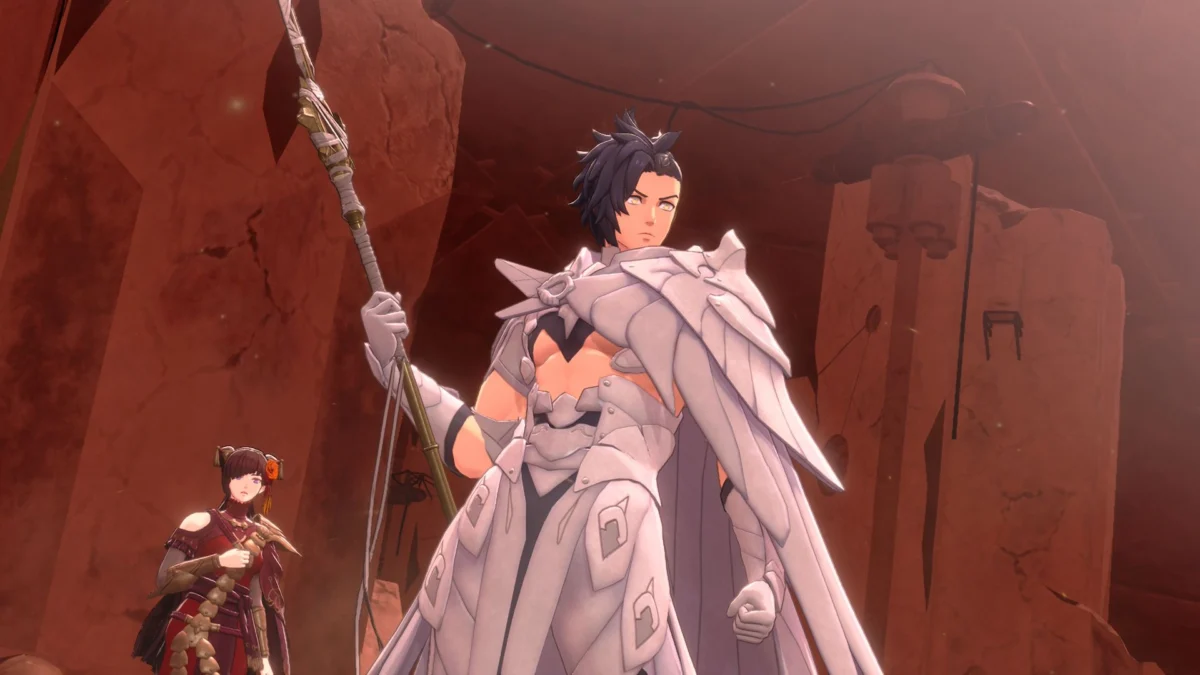
For over three decades, Intelligent Systems and Nintendo’s Fire Emblem franchise has occupied a hallowed space in the tactical role-playing game (TRPG) landscape. From its humble origins on the Famicom in 1990 to its explosive global renaissance with Fire Emblem: Awakening in 2012, the series has continuously wrestled with a singular identity crisis: how to evolve alongside contemporary gaming trends without alienating the purists who fell in love with its ruthless permadeath, grid-based strategy, and intimate character dynamics.
With the release of Fire Emblem: Fortune’s Weave, developer Intelligent Systems appears to have finally cracked the code. Melding the sophisticated personal skill trees of recent entries like Fire Emblem Engage with the rich, branching social networks of Fire Emblem: Three Houses, Fortune’s Weave manages to pay profound homage to the series’ roots while cementing a confident, forward-looking vision for the future of the franchise.
Main Facts: The Anatomy of a Modern Classic
At its core, Fire Emblem: Fortune’s Weave is designed as an evolutionary milestone. Rather than relying on empty nostalgia, the game systematically reviews mechanics introduced across the franchise’s 30-year history, refining them into a cohesive, streamlined experience.
Key structural changes and standout features define the Fortune’s Weave experience:
- Streamlined Support Systems: Moving away from the sprawling, often overextended romance and support trees seen in Fates and Three Houses, Fortune’s Weave adopts a localized, intimate approach reminiscent of the Game Boy Advance (GBA) era. Characters have fewer, more meaningful conversation partners tied strictly to narrative relevance, familial ties, or genuine character rivalry.
- Revamped Underworld Lore: The narrative integration of undead hordes and underworld lords breaks away from generic fantasy tropes. Drawing clear inspiration from 2004’s The Sacred Stones, the game weaves necromancy directly into a sweeping, multi-generational family drama tied to the ancient lore of Sothis.
- Tactical Fog of War: The return of restricted vision maps brings back genuine psychological tension, forcing players to reckon with aggressive, highly specialized enemy AI that actively hunts vulnerable unit types.
- Strategic Arsenal Evolution: The removal of traditional weapon durability and the classic weapon triangle is balanced by weapon-inherent traits—such as axes carrying high-damage, low-accuracy profiles—fostering greater character and tactical versatility.
Chronology of Evolution: From the GBA Era to Fortune’s Weave
To fully appreciate what Fortune’s Weave achieves, one must look at the pendulum swings that have characterized Fire Emblem’s design philosophy over the last twenty years.

The Golden Age of Simplicity (Early 2000s)
During the GBA era—spanned by titles like The Blazing Blade and The Sacred Stones—character interactions were sparse yet impactful. Outlier characters (such as Legault or Farina) captured fans’ imaginations not through exhaustive lore dumps or encyclopedic support trees, but through distinct design, limited dialogue, and mysterious backgrounds. Maps featuring Fog of War, such as The Blazing Blade’s infamous "Battle before Dawn," relied on psychological pressure and map layout rather than superficial gimmicks to generate challenge.
The Modern Bloat (2012–2019)
Following Awakening’s massive commercial success, Intelligent Systems pivoted heavily into broad social simulation. While games like Fire Emblem Fates and Fire Emblem: Three Houses introduced incredible depth, romance systems, and multi-path narratives, they also suffered from narrative bloat. To accommodate the demand for complete player freedom, many support conversations began to feel formulaic, overcompensating for the starkly limited character interaction models found in titles like 2006’s Radiant Dawn.
The Synthesis (Fortune’s Weave, 2026)
Fortune’s Weave represents the synthesis of these distinct eras. Intelligent Systems has looked back at the pacing of the early 2000s while retaining the quality-of-life advancements and mechanical variety introduced on the Nintendo Switch. Characters like Nuzzuo—who features a single, deeply resonant support conversation with just one person—prove that narrative economy can yield far superior emotional payoffs than exhaustive, multi-partner romance matrices.
Supporting Data: Examining the Mechanics
The triumph of Fortune’s Weave is not merely artistic; it is fundamentally mechanical. By analyzing how Intelligent Systems handles traditional pain points, we see a masterclass in game design balancing accessibility with hardcore strategy.
The Return of Dangerous Fog of War
In Three Houses and Engage, restricted-vision maps often felt like aesthetic set-dressing rather than legitimate tactical hazards. Fortune’s Weave restores the dread of the unknown. Enemy units exhibit a ruthless behavioral intelligence, actively scouting out unit weaknesses and swarming unprotected flanks.

However, rather than leaving players completely stranded, the game introduces a sophisticated counterplay loop:
- The Blessing Mechanic: Players can deploy a specialized blessing to temporarily lift vision restrictions.
- The Confusion Debuff: Newly discovered enemies suffer from a "confusion" status for a single turn, stripping away their ability to counterattack.
- Synergy Accessories: Players can equip specific items that grant aggressive stat buffs when engaging confused enemies, transforming a defensive scouting phase into a devastating offensive blitz.
Modernizing the Arsenal
Purists often decry the removal of weapon durability and the traditional weapon triangle as "dumbing down" the experience. Fortune’s Weave, however, demonstrates that removing these systems can actually expand tactical depth.
By tying properties directly to weapon classes—such as heavy axes guaranteeing high damage at the expense of accuracy, or light swords favoring fluid follow-up strikes—the game shifts the strategic burden. Players no longer rely on rote combinations of cookie-cutter Swordmasters, Paladins, and Armor Knights. Instead, they must evaluate individual character skills, unique weapon traits, and supporting formations, resulting in an unprecedented degree of squad-building freedom.
Official Responses and Creative Direction
While specific executive interviews regarding Fortune’s Weave continue to roll out as the title launches worldwide, lead developers have consistently emphasized a renewed commitment to "narrative pacing" and "respect for player time."
Early pre-release developer logs noted that the team intentionally sought to step away from the overwhelming scope creep of previous entries. By trimming the excess fat from the support conversation databases and tightening map design parameters around specific strategic challenges, Intelligent Systems aimed to craft an experience that feels handcrafted rather than procedurally bloated.
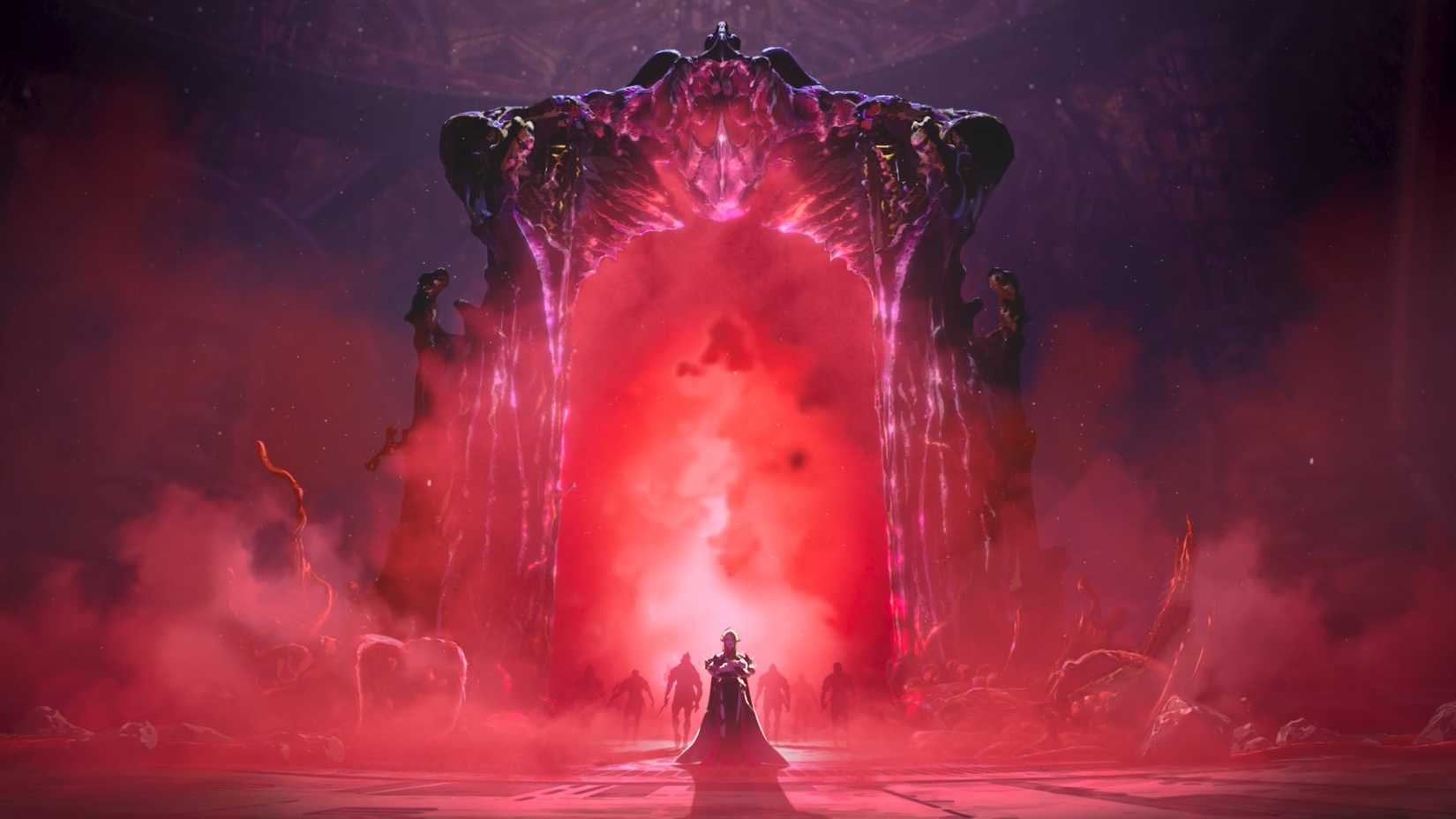
The underworld narrative arc, in particular, received special attention during production. By anchoring supernatural threats into an emotionally resonant family tragedy spanning centuries, the writing team addressed long-standing fan critiques that undead factions in past titles—barring The Sacred Stones—often felt lifeless, anonymous, and disconnected from the political stakes of the main campaign.
Implications for the Future of Tactical RPGs
The successful execution of Fire Emblem: Fortune’s Weave sends a powerful signal to the broader video game industry, particularly within the TRPG genre.
- Reconciling Nostalgia with Modernity: For years, developers remaking or continuing legacy franchises have struggled to find the middle ground between honoring old-school difficulty and appealing to modern accessibility standards. Fortune’s Weave proves that modernization does not require sacrificing tactical rigor; rather, it requires intelligent system pruning.
- Quality Over Quantity in Narrative Design: The industry trend toward sprawling, hundreds-of-hours role-playing experiences often results in diluted character writing. By proving that concise, highly focused character interactions carry significantly more emotional and narrative weight, Fortune’s Weave may encourage other developers to rethink how they handle companion writing and social progression loops.
- The Longevity of Nintendo’s Strategy Flagship: As Nintendo hardware continues to evolve, Fire Emblem has firmly secured its place alongside pillars like The Legend of Zelda and Super Mario. Fortune’s Weave demonstrates that Intelligent Systems is not resting on its laurels, ensuring the franchise remains a creative powerhouse for decades to come.
Ultimately, Fire Emblem: Fortune’s Weave is more than just another entry in a long-running franchise. It is a triumphant blueprint for how a storied developer can look backward with reverence, look forward with ambition, and finally bring thirty years of tactical design into harmonious equilibrium.
 Basiran
 Nana Muazin
 Layla Zulfa
