

17 June 2026 | Health News
In the eastern reaches of the Democratic Republic of the Congo (DRC), a high-stakes battle against the rare and lethal Bundibugyo species of the Ebola virus has entered a critical phase. As international health agencies scramble to bolster medical infrastructure, the World Health Organization (WHO) has unveiled its first-ever comprehensive clinical management guidelines for filovirus diseases. However, as the medical response scales up, the humanitarian effort is increasingly shadowed by a profound crisis of confidence among local populations and the persistent, destabilizing effects of regional insecurity.
The Core Challenge: A Multi-Front Battle
The current outbreak of the Bundibugyo virus in the DRC’s Ituri province presents a unique set of challenges that distinguish it from previous health emergencies. Unlike the more common Zaire ebolavirus, the Bundibugyo strain is historically less understood in terms of clinical outcomes, and, crucially, there are currently no approved vaccines or therapeutics specifically licensed to neutralize it.
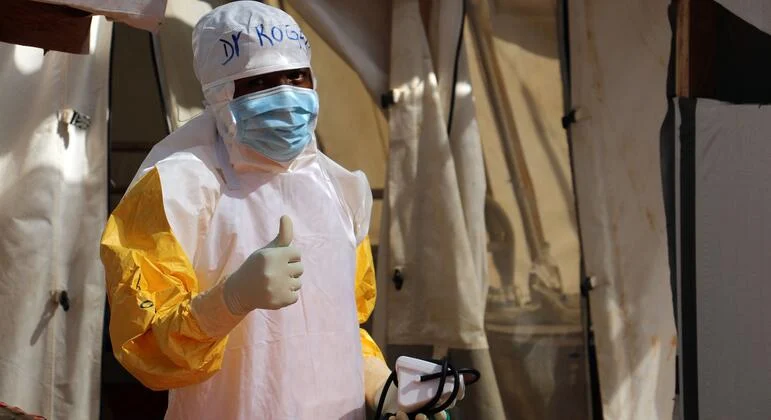
To combat the spread, the WHO has significantly expanded isolation capacity in the region. Recent upgrades include the construction of specialized individual isolation rooms designed to adhere to the most stringent international infection prevention and control standards. To address the fundamental logistical hurdles in the region, a new 10,000-litre water storage and purification system has been installed, ensuring that treatment facilities can maintain the high standards of sanitation necessary to prevent secondary transmissions.
Chronology: A Snapshot of the Escalation
- Early June 2026: Initial clusters of the Bundibugyo virus are identified in remote areas of Ituri province, triggering an immediate alert from local health authorities.
- 10 June 2026: The WHO deploys an emergency team to assess the structural needs of local clinics and coordinate cross-border surveillance.
- 15 June 2026: Construction of high-standard isolation wards is completed, and medical supplies are airlifted into the epicentre.
- 16 June 2026: WHO Director-General Dr. Tedros Adhanom Ghebreyesus convenes a high-level virtual summit with African heads of state to address the regional response.
- 17 June 2026: The WHO officially publishes its landmark clinical management guidelines for all filovirus diseases, aimed at standardizing care where vaccines remain unavailable.
The Human Factor: Addressing Community Mistrust
Perhaps the most significant impediment to ending the outbreak is not biological, but sociological. During his recent visit to the Ituri province, Dr. Tedros emphasized that "community mistrust" remains the primary barrier to effective containment.
In many affected communities, there is a pervasive and deeply rooted belief that international interventions are motivated by self-interest—specifically, the desire to prevent the spread of the virus to Western nations—rather than a genuine concern for the lives of the Congolese people.
"These communities feel—perhaps rightly—that the outside world only wants to protect itself from Ebola and doesn’t truly care about them," Dr. Tedros remarked during his address to African leaders. This disconnect between health authorities and the local population has historically led to the hiding of patients, resistance to safe burial practices, and the rejection of clinical support, all of which fuel the chain of transmission.
Supporting Data: The Impact of Regional Insecurity
The effectiveness of the medical response is inextricably linked to the stability of the region. Eastern DRC has long been a theater of armed conflict, displacement, and economic instability.
Key Factors Hindering Response:
- Population Mobility: Ongoing conflict has led to large-scale displacement, making contact tracing—a cornerstone of Ebola containment—exceptionally difficult.
- Infrastructural Gaps: The lack of reliable electricity, clean water, and transport networks necessitates a heavy reliance on expensive, temporary, and external logistics.
- Travel Restrictions: Dr. Tedros explicitly criticized the implementation of broad travel bans by neighboring countries, labeling them an "unnecessary overreaction" that disrupts supply chains and discourages the flow of aid, ultimately doing "more harm than good."
Official Responses and Strategic Shifts
The WHO’s strategy is currently undergoing a paradigm shift. Recognizing that a vertical approach (focusing only on Ebola) is insufficient, the organization is pivoting toward a more holistic model.
"If we protect these communities from Ebola, but not from malaria or unsafe childbirth, or measles or malnutrition, or from a conflict that is not of their making, we have not really helped," Dr. Tedros stated. This admission reflects a growing consensus among global health leaders that trust is built through the provision of comprehensive, year-round healthcare, not just during periods of acute crisis.
The New Clinical Guidelines
In a move to empower local clinicians, the WHO has released 16 evidence-based recommendations for the management of filovirus diseases (Ebola and Marburg). These guidelines serve as a practical blueprint for healthcare workers in resource-poor settings. Key focus areas include:
- Early Supportive Care: Aggressive rehydration and electrolyte management, which can drastically improve survival rates.
- Laboratory Monitoring: Providing clinicians with the tools to track blood chemistry in real-time.
- Infection Control: Standardizing the use of PPE and waste disposal to protect staff.
- Survivor Support: Developing structured long-term follow-up care to address the physiological and psychological sequelae of the virus.
Implications: The Long-Term Outlook
The Bundibugyo outbreak serves as a stark reminder of the global vulnerability to viral hemorrhagic fevers. While the medical community awaits the commencement of clinical trials for experimental treatments in the coming weeks, the broader question remains: how to prevent the "18th and 19th" outbreaks.
The implications for international health policy are twofold. First, there is an urgent need for the decentralization of health research. For too long, the development of vaccines and therapeutics for diseases that disproportionately affect Africa has been sidelined until a crisis forces a rapid, and often reactive, response. Second, the "person-focused" approach advocated by the WHO suggests that the future of pandemic prevention lies in the strengthening of primary health systems.
When a community has access to a functional, respectful, and consistent health system, they are far more likely to engage with authorities during an emergency. The success of the response in the DRC will depend on whether the international community can shift its focus from temporary containment to the sustained support of the local population’s holistic well-being.
As the situation evolves, the global health community remains in a state of vigilant observation. The current outbreak is not merely a test of medical logistics, but a litmus test for the integrity of global health governance. By prioritizing dignity, community engagement, and long-term investment, the WHO hopes to turn the tide against the Bundibugyo virus and provide a framework for future health emergencies.
For those on the ground in Ituri, the hope is that the promise of "science leveraged for the people" will soon translate into tangible results that save lives and restore the broken trust between the global health apparatus and the communities it serves.
 Lina Hope
 Asro
Asro
 Layla Zulfa
