

Main Facts: The Illusion of "Routine" Surgery
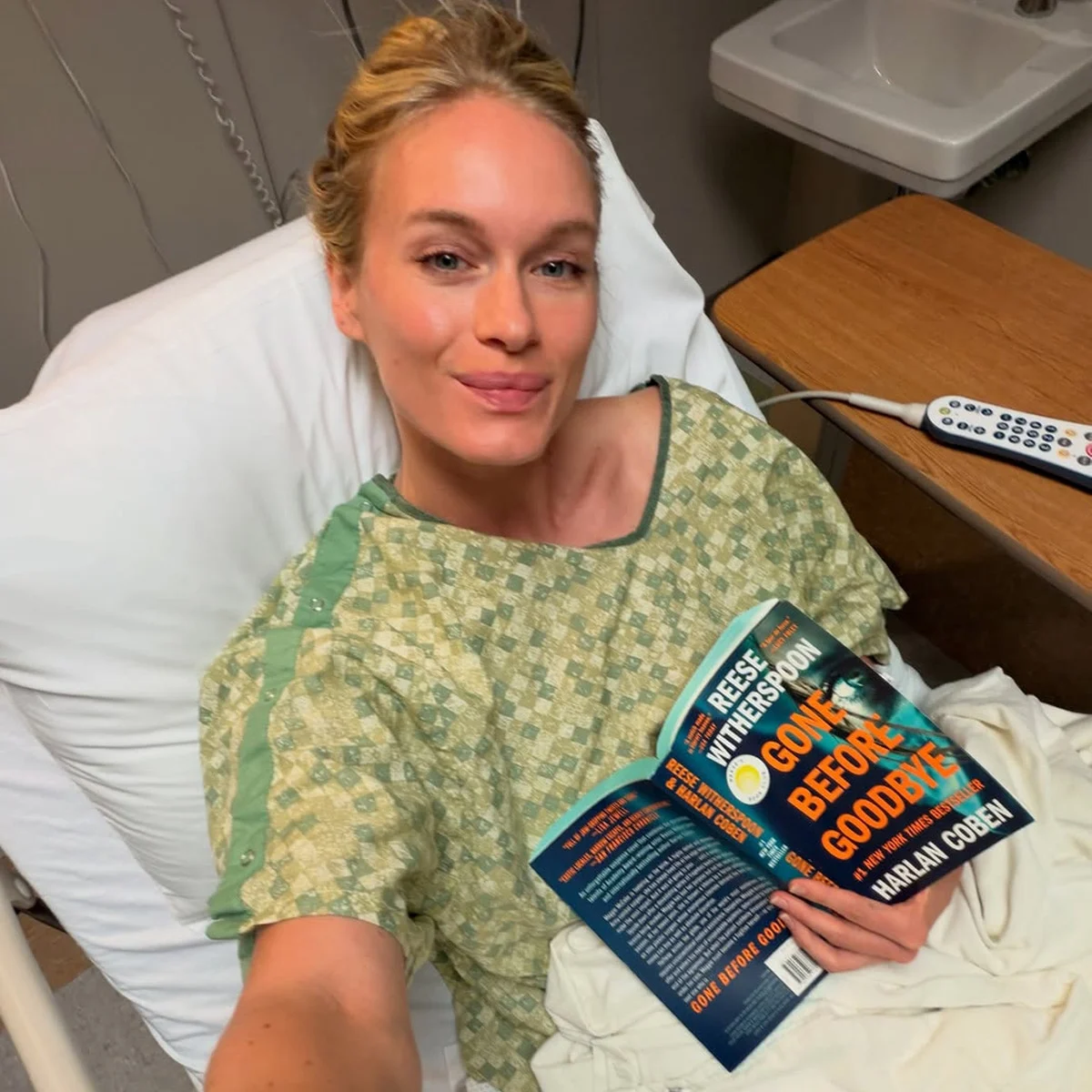
In July, actress Leven Rambin, widely recognized for her roles in The Hunger Games and Fire Country, revealed that a routine surgical procedure for endometriosis escalated into a catastrophic, life-threatening medical emergency. Rambin had checked into a hospital for a routine laparoscopic procedure—commonly considered a minimally invasive standard of care—to address suspected endometriosis and uterine polyps. However, an intraoperative complication occurred when the operating surgeon accidentally lacerated Rambin’s aorta, the body’s main circulatory artery.
The accidental puncture of the aorta during laparoscopic entry is one of the most feared complications in abdominal surgery. It requires immediate, highly coordinated emergency intervention to prevent fatal hemorrhaging. For Rambin, this meant waking up from anesthesia to a crowded room of specialists who had performed emergency vascular repair and administered life-saving blood transfusions.
While the emergency surgery successfully saved her life and ultimately confirmed a diagnosis of stage 1 endometriosis and polyps, the physical and professional fallout was immediate. Rambin was forced to withdraw from an upcoming Netflix production scheduled to begin filming just two weeks later.
Rambin’s survival and subsequent decision to document her recovery on social media highlight a broader, highly significant cultural shift. Increasingly, public figures are leveraging their platforms to dismantle the sanitizing veneer of celebrity life, offering raw, detailed accounts of severe physical trauma, chronic illnesses, and medical errors. Her experience joins a growing catalog of high-profile medical crises that underscore the inherent risks of medical procedures and the critical importance of patient self-advocacy.
Chronology: From Diagnosis to Confrontation and Recovery
The trajectory of Rambin’s medical crisis unfolded rapidly over several days in July, documented in real-time through her social media channels.
The Pre-Operative Expectation
Prior to the surgery, Rambin’s medical team characterized the planned endometriosis laparoscopy as a standard, low-risk procedure. Confident in a quick recovery, Rambin anticipated being on the set of a new Netflix project within two weeks.
The Intraoperative Crisis
During the initial phase of the laparoscopy, the surgeon’s instruments accidentally nicked the abdominal aorta. This major vascular injury triggered an immediate, life-threatening drop in blood pressure and massive internal bleeding. The surgical team immediately pivoted from a routine gynecological excision to an open emergency vascular repair, requiring a blood transfusion and the mobilization of multiple trauma surgeons.
The Post-Operative Realization (July 10)
Upon regaining consciousness, Rambin was met by a large medical team who informed her that they had narrowly saved her life. On July 10, Rambin posted her first update on TikTok, sharing footage from her hospital bed. Heavily medicated and joined by her mother, who flew in to assist with her bedside care, Rambin confirmed the severity of the complication and the cancellation of her upcoming acting roles.
The Confrontation
While still processing the effects of anesthesia, Rambin confronted her primary surgeon regarding the mistake. In a follow-up video, she recalled asking point-blank, "Is this your fault?" The surgeon acknowledged the error, replying, "Yes, it’s my fault… I’m human." Reflecting on the exchange, Rambin expressed a complex mix of anger and pragmatic acceptance, labeling the event a "one-in-a-million freak accident" while acknowledging the inherent risks of surgery.
Early Mobilization and Long-Term Outlook (July 12)
By July 12, Rambin’s recovery protocol transitioned to early mobilization—a critical step in preventing post-operative blood clots and promoting tissue healing. She shared video footage of herself walking down a hospital corridor in a gown, admitting that while she was determined to remain resilient, the psychological gravity of her near-death experience was beginning to set in. Despite the trauma, Rambin, who married Dawson Smith in July 2023, emphasized her determination to fully recover, heal her body, and pursue her plans to start a family.
Supporting Data: The Broader Landscape of Celebrity Health Disclosures
Rambin’s harrowing experience is part of a documented rise in public figures sharing detailed accounts of severe, sudden, or chronic medical emergencies. These disclosures serve as crucial case studies in patient survival, medical anomalies, and systemic healthcare issues.
+---------------------------------------------------------------------------------------+
|                              NOTABLE CELEBRITY HEALTH SCARES                          |
+----------------------------+-----------------------------+----------------------------+
| FIGURE                     | DIAGNOSIS / EMERGENCY       | KEY OUTCOME / RECOVERY     |
+----------------------------+-----------------------------+----------------------------+
| Leven Rambin               | Aortic laceration during    | Emergency vascular repair; |
|                            | endometriosis laparoscopy   | stage 1 endo diagnosed     |
+----------------------------+-----------------------------+----------------------------+
| Emilia Clarke              | Subarachnoid hemorrhage &   | Two brain surgeries;       |
|                            | ruptured brain aneurysms    | founded brain injury charity|
+----------------------------+-----------------------------+----------------------------+
| Jamie Foxx                 | Brain bleed leading to      | Hospitalization, rehab,    |
|                            | a stroke                    | and learning to walk again |
+----------------------------+-----------------------------+----------------------------+
| Hailey Bieber              | TIA (stroke-like symptoms)  | Heart procedure to close   |
|                            | caused by a PFO heart hole  | patent foramen ovale (PFO) |
+----------------------------+-----------------------------+----------------------------+
| Amy Schumer                | Cushing Syndrome            | Diagnosed after public     |
|                            | (steroid injection-induced) | commentary on facial puffiness|
+----------------------------+-----------------------------+----------------------------+
| Lupita Nyong'o             | Uterine fibroids            | Ten years of silent pain   |
|                            |                             | before surgical excision   |
+----------------------------+-----------------------------+----------------------------+
Neurological and Vascular Crises
- Emilia Clarke: The Game of Thrones star suffered two life-threatening brain aneurysms (subarachnoid hemorrhages) in 2011 and 2013. Her recovery required multiple surgeries, including an invasive craniotomy after a failed initial procedure, leaving her to battle temporary aphasia before returning to set.
- Jamie Foxx: In April 2023, Foxx suffered a severe brain bleed that culminated in a stroke. He was initially unresponsive for 20 days and underwent extensive physical rehabilitation in Chicago to regain his motor skills and the ability to walk.
- Hailey Bieber: In March 2022, the model experienced stroke-like symptoms, including facial drooping and speech loss, caused by a Transient Ischemic Attack (TIA). Doctors discovered a patent foramen ovale (PFO)—a small hole in her heart—which had allowed a blood clot to escape to her brain. She subsequently underwent a successful surgical PFO closure.
- Cori Broadus: The daughter of Snoop Dogg suffered a severe stroke in January 2024 at just 24 years old. Complicated by her ongoing battle with lupus, the emergency led to temporary kidney failure before her condition stabilized.
Reproductive Health and Silent Suffering
- Lupita Nyong’o: The Oscar-winning actress suffered for over a decade from uterine fibroids—non-cancerous growths that cause extreme pelvic pain and heavy bleeding—before speaking publicly about her diagnosis to challenge the societal expectation that women must endure menstrual pain in silence.
- Brianna "Chickenfry" LaPaglia: The podcaster underwent emergency surgery in May 2026 after an ovarian cyst twisted her internal organs (ovarian torsion), causing severe internal bleeding and leaving half a liter of blood in her pelvic cavity.
Acute Physical Trauma and Systemic Conditions
- Justin Bieber: In 2022, Bieber was diagnosed with Ramsay Hunt syndrome, a neurological disorder caused by a shingles outbreak that paralyzed half of his face, making eating difficult and forcing the cancellation of his world tour.
- Amy Schumer: After facing intense internet scrutiny over her "puffy" face during a 2025 press tour, Schumer discovered she had Cushing syndrome, a hormonal disorder triggered by localized steroid injections she had received to treat surgical scars.
- Christy Carlson Romano: During a clay pigeon shooting excursion in February 2025, Romano was struck in the face by stray shrapnel. A fragment remains permanently lodged behind her right eye, as surgical removal was deemed too high-risk.
Official Responses, Medical Accountability, and Patient Advocacy
The interaction between Rambin and her surgeon highlights critical aspects of medical ethics, surgical risk disclosure, and professional accountability.
Laparoscopic access injuries to major retroperitoneal vessels, such as the aorta, occur in approximately 0.05% to 0.1% of all laparoscopic procedures. While statistically rare, they carry a mortality rate estimated between 9% and 15% if not recognized and repaired immediately. The surgeon’s candid admission—"Yes, it’s my fault… I’m human"—reflects a complex reality in modern medicine: the vulnerability to human error even during standardized procedures.
In recent years, medical boards and bioethicists have increasingly championed "disclosure and apology" programs. Historically, hospital legal teams advised physicians to avoid admitting fault to minimize malpractice liability. However, modern research indicates that transparent, empathetic disclosure of medical errors often reduces litigation rates and helps patients process medical trauma.
Rambin’s public handling of the error reflects this shift. While acknowledging her anger, she framed the event as an inherent risk of surgery, demonstrating how clear communication from a medical provider can foster understanding rather than immediate adversarial litigation.
Implications: Breaking the Silence and Demystifying Women’s Health
The public disclosures of Leven Rambin, Lupita Nyong’o, Shailene Woodley, and Amy Schumer highlight systemic issues within the healthcare system, particularly regarding women’s health.
The Diagnostic Delay in Women’s Health
Endometriosis, which affects approximately 10% of women globally, takes an average of seven to ten years to diagnose. Patients are frequently dismissed by primary care physicians, with their chronic pain attributed to normal menstrual cycles. Consequently, many women must advocate aggressively for years before receiving diagnostic surgeries like laparoscopies. When these "routine" surgeries carry severe risks, it underscores the double jeopardy patients face: enduring years of debilitating pain only to risk their lives in search of a diagnosis.
Dismantling the "Perfect" Image
For public figures, revealing physical vulnerability is a powerful tool for public health education. Shailene Woodley’s decade-long battle with a debilitating, unnamed systemic illness in her early 20s—which caused hearing loss, severe gastrointestinal pain, and subsequent body dysmorphia—emphasizes the psychological toll of chronic illness. By sharing these struggles, celebrities normalize the emotional and mental hurdles of recovery.
Ultimately, these stories shift the cultural paradigm of health. By documenting the realities of surgical complications, chronic pain, and recovery, public figures help demystify the patient experience. This transparency encourages individuals to question their medical providers, seek second opinions, and refuse to suffer in silence.
 Sagoh
Sagoh
 Siti Muinah
 Nana
Nana
