

For 34-year-old Caroline, taking the popular weight-loss drug Wegovy was never supposed to be an underground operation—at least, not initially. When she first secured a prescription, she openly shared the journey with her boyfriend, her mother, and her close friends. Over the course of six months, she watched her weight drop from 130 pounds to what she considers her "healthy original weight" of 100 pounds.
Even still, her loved ones grew increasingly uneasy about the extent of her physical transformation, urging her not to shed another ounce.
"I had tried every way under the sun to lose weight," Caroline tells SELF. Standing five feet four inches tall, she was never clinically obese, and she strongly suspected her primary care physician would reject a prescription request. Frustrated and exhausted from the relentless cycle of dieting, she took matters into her own hands.
Caroline turned to the internet, tracking down a remote doctor who prescribed the medication over the phone without verifying her actual weight. Within weeks of starting Wegovy, she noticed the pounds melting off at an alarming speed. When she decided to stop taking the drug after half a year, the biological reality of GLP-1 medications set in immediately: she regained 10 pounds in a single month.
"I realized, I can’t stop," Caroline says.
Today, Caroline is back on Wegovy at a maintenance-level dosage, but with one major twist—she is keeping it entirely a secret from her boyfriend and family. Because she lives alone, concealing the refrigerated medication is relatively manageable, though logistics become stressful when traveling. Whether slipping the pen into a hotel mini-fridge or burying it deep behind groceries during visits to her prospective in-laws, Caroline admits the subterfuge is exhausting.
"So imagine, I’m hiding stuff in my parents-in-law’s fridge, hoping they won’t see them," she says. "It’s super awkward."
Caroline’s story is far from an isolated incident. Across online support communities, telehealth platforms, and doctor’s offices, a hidden subculture of GLP-1 users is going to extraordinary lengths to keep their prescriptions under wraps.
Main Facts: The Underground World of GLP-1 Secrecy
The widespread adoption of GLP-1 receptor agonists—such as Wegovy, Ozempic, and Mounjaro—has transformed modern medicine, offering unprecedented efficacy for weight management. However, this pharmaceutical revolution has birthed a parallel cultural phenomenon: widespread secrecy.
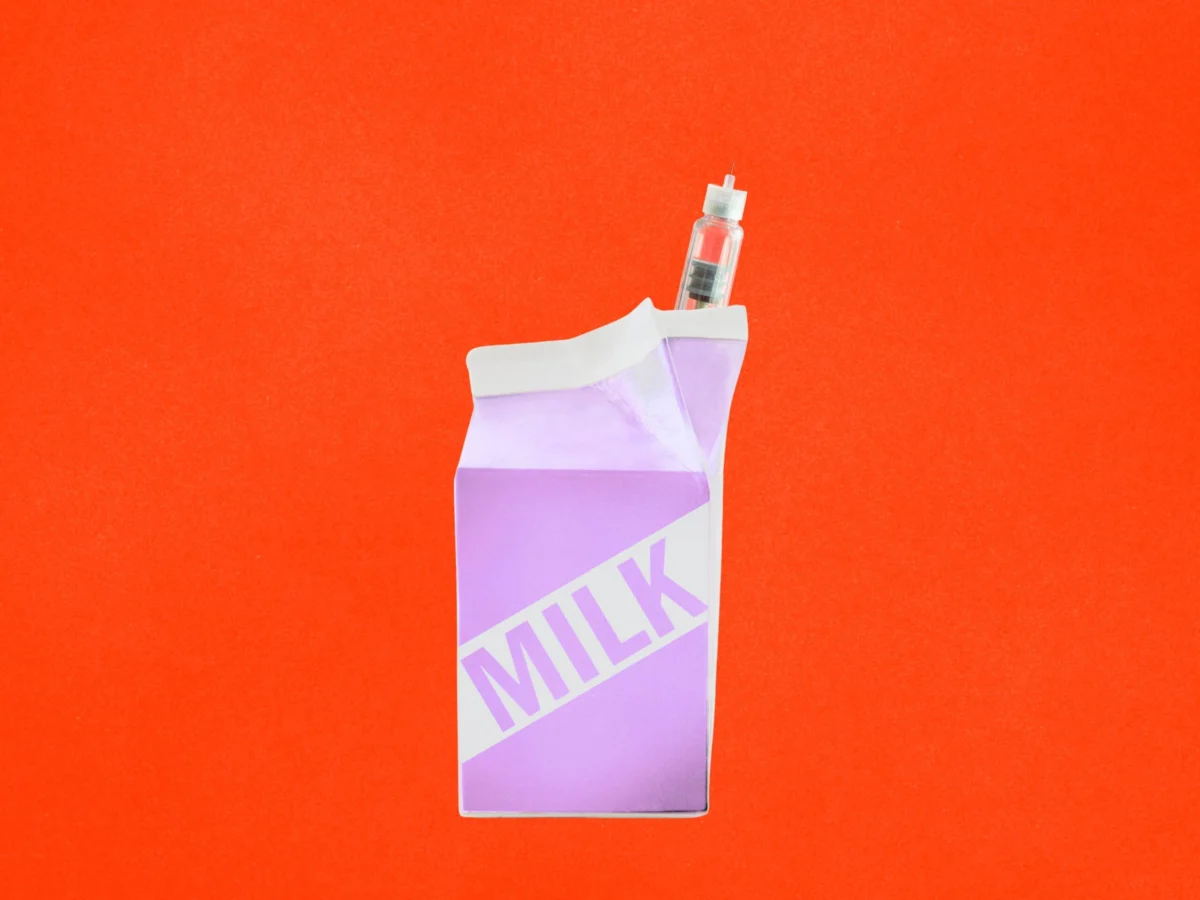
Users like Caroline are navigating a social minefield marked by intense weight stigma, medical judgment, and shifting relationship dynamics. To protect their privacy, individuals are utilizing elaborate concealment tactics, transforming everyday household packaging into camouflage for temperature-sensitive medication pens that require refrigeration.
Medical professionals acknowledge that while telemedicine has successfully democratized access to these drugs and bypassed traditional clinical bias, it has also inadvertently created a siloed healthcare experience where patients navigate powerful medications entirely isolated from their core support systems and primary care teams.
Chronology of the Trend: From Open Experimentation to Digital Subterfuge
To understand how privacy became paramount for GLP-1 users, it helps to examine how the narrative around these drugs has evolved:
- The Initial Wave of Openness: When GLP-1 medications first gained mainstream traction, early adopters frequently shared their success stories publicly, mirroring the transparency of traditional diet and fitness transformations.
- The Backlash and Stigma: As media coverage expanded to highlight potential side effects, shortages, cosmetic misuse ("Ozempic face"), and astronomical costs, public perception shifted. Conversations around weight-loss drugs quickly became polarized and fraught with moral judgment.
- The Rise of Telehealth Convenience: The expansion of direct-to-consumer digital health platforms made acquiring prescriptions seamless, fast, and entirely divorced from a patient’s existing primary care network.
- The Pivot to Covert Use: Fearing lectures, relationship friction, or professional judgment, users began developing sophisticated hiding strategies. Online forums soon flooded with crowdsourced tips for concealing medication pens from partners, family members, and roommates.
Supporting Data: Where the Meds Go (And How Users Hide Them)
The extent of this concealment is vividly documented in online spaces. On a recent thread in the r/GLP1microdosing subreddit, women openly traded creative, highly specific tips and tricks for camouflaging their medication pens inside shared refrigerators.
Popular hiding spots cataloged by users include:
- Tomato paste boxes
- Pretend food containers from children’s play kitchens
- Opaque feta cheese containers
- Empty butter stick boxes
- Anchovy paste boxes
- Empty bottles of women’s probiotics and specialty supplements
- Plastic takeout containers
- Metal water bottles
- Boxes of wine
- Baking soda boxes tucked into the very back of refrigerator shelves
"It’s a real thing," says Kia Mitchell, MD, a family and obesity medicine specialist in Jacksonville, Florida. Dr. Mitchell has treated numerous patients who go to great lengths to hide their treatments from their partners. The primary motivation she hears? Patients simply want to avoid unsolicited debates at home and retain autonomy over their health choices.
Official Responses: Medical and Telehealth Perspectives
Medical professionals view this trend with a mixture of empathy and clinical concern.
"There’s this loss of control with the gaining of the weight, but being able to control the narrative around weight loss has been empowering and exciting," Dr. Mitchell explains. "Because now they can reveal it on their own terms. That’s where the control comes back."
However, Dr. Mitchell warns that secrecy carries emotional and physical risks. Stress hormones naturally spike when individuals carry secrets or fear discovery, which can counteract wellness goals. Furthermore, hiding medication from a partner can complicate medical realities—such as the elevated risk of unexpected pregnancy while taking GLP-1s, a phenomenon Dr. Mitchell frequently encounters in her practice.
Telehealth providers defend their digital-first models while acknowledging the underlying social pressures. Craig Primack, MD, the head of weight loss at Hers, notes that the company’s prescribing physicians explicitly encourage patients to consult their primary care doctors about their care plans. While direct-proactive counseling may be limited, Dr. Primack points out that their digital applications incorporate psychological resources addressing stress, sleep management, and emotional health.
Dr. Primack is intimately familiar with why patients conceal their regimens. Beyond standard weight stigma, relationship dynamics often shift when a partner undergoes a rapid physical transformation. "Your weight and persona set up a dynamic in your couple," Dr. Primack notes. "When you start changing that, sometimes spouses get very jealous—‘Oh my god, you’re becoming potentially more attractive.’ Not that weight is directly linked to that, but that’s what I hear them say."
Implications: Navigating Psychological Stigma and Future Healthcare
The normalization of covert GLP-1 use points to deeper systemic issues within modern healthcare, relationships, and societal body image standards.
For patients like Caroline, the inability to speak candidly forces them into awkward compromises. Caroline admits to bypassing her primary doctor entirely, experiencing acute anxiety about how Wegovy might interact with her prescriptions for Accutane and Ritalin. Lacking a trusted medical confidant within her physical healthcare network, she admits to relying on artificial intelligence tools like ChatGPT to sanity-check her dosages—a practice she readily concedes is suboptimal.
Moreover, the psychological toll of indefinite medication use weighed against societal expectations creates profound internal conflict. "It’s very stressful," Caroline reflects. "The fact that not only can I not talk about it, but I’m also unable to get off of it. I don’t love the idea of taking medicine like that forever, but I’m kind of stuck with it." She questions whether her relentless pursuit of a specific physical standard stems from genuine health needs or internalized harsh criticism.
How to Bridge the Gap: Expert Advice on Having the Conversation
For those struggling to reconcile their medical choices with their personal lives, mental health professionals suggest that open communication—while daunting—remains the ultimate goal.
Rachel Goldman, PhD, a clinical assistant professor in the department of psychiatry at NYU Grossman School of Medicine specializing in weight management and disordered eating, advises patients to start by examining their own motivations.
"Think about their why," Dr. Goldman recommends. "What led them to this decision? What does this treatment mean for their health and wellbeing?" Grounding oneself in personal clarity makes external communication feel far less defensive.
Dr. Goldman offers several tactical steps for approaching a partner:
- Use "I" Statements: Frame the conversation around personal experience, health needs, and individual agency rather than debating the broader cultural merits of GLP-1s.
- Anticipate Reactions: Map out potential responses ahead of time and clarify what you need from your partner—whether it is active support, understanding, or simply respectful space to make health decisions without judgment.
- Allow for Processing Time: Understand that a partner’s initial, knee-jerk reaction may not reflect their permanent stance. Overcoming ingrained societal biases takes time.
Ultimately, experts emphasize that while digital privacy and clever refrigerator camouflage can offer short-term psychological shields, the overarching objective is fostering environments of genuine honesty and mutual support.
Until then, however, many users will likely continue finding creative new ways to protect their privacy—proving that sometimes, a box of anchovy paste serves as much more than a pantry staple.
 Asep Darmawan
 Nana Wu
