

The ink has barely dried on the Met Gala’s red carpet chronicles, and the fashion industry is already turning its collective gaze toward the season’s most unexpected alliance. John Galliano—the visionary couturier whose name is synonymous with avant-garde theatricality, historical pastiche, and his tenure at the helm of Maison Margiela—has officially joined forces with Spanish high-street behemoth Zara.
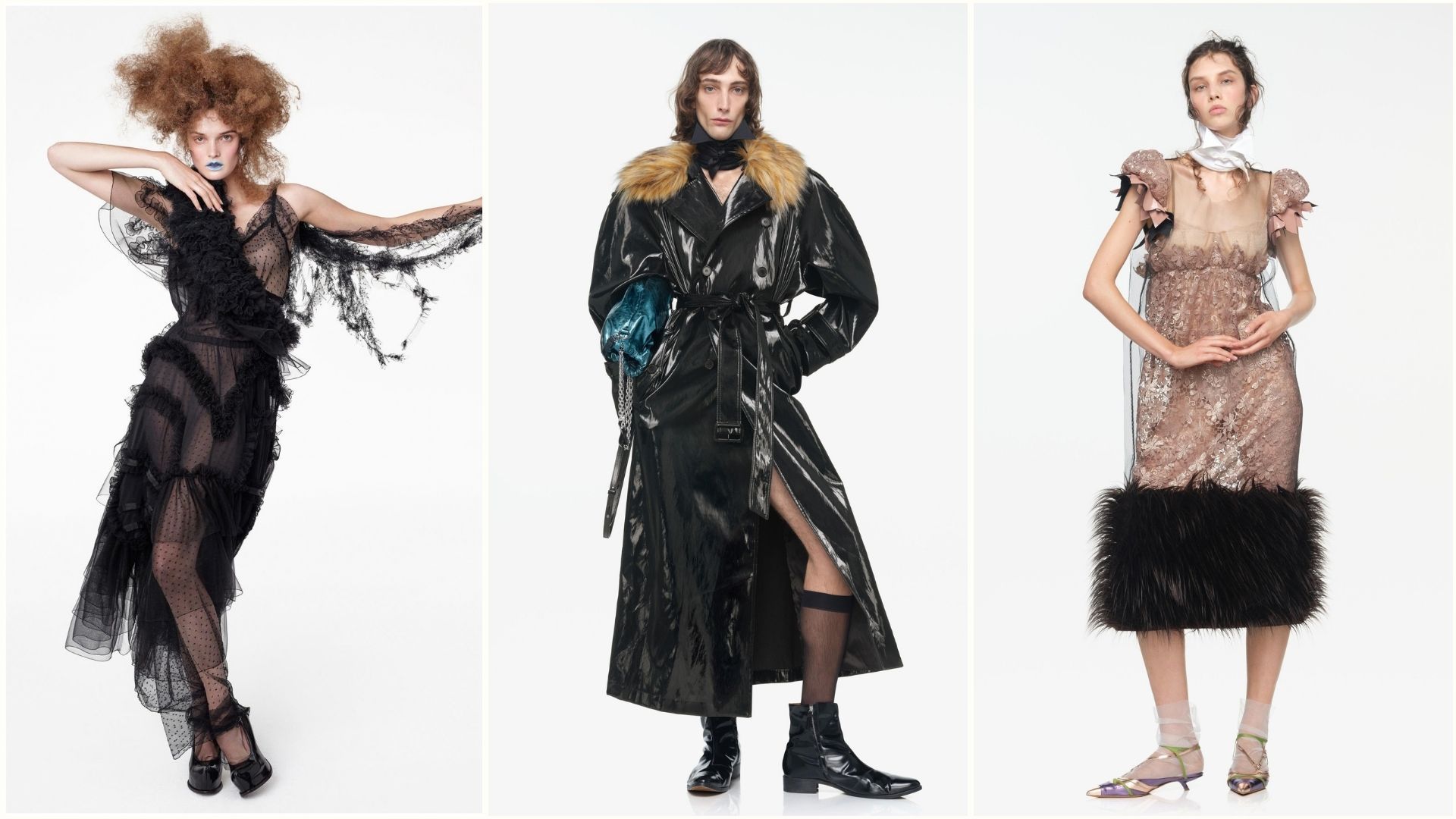
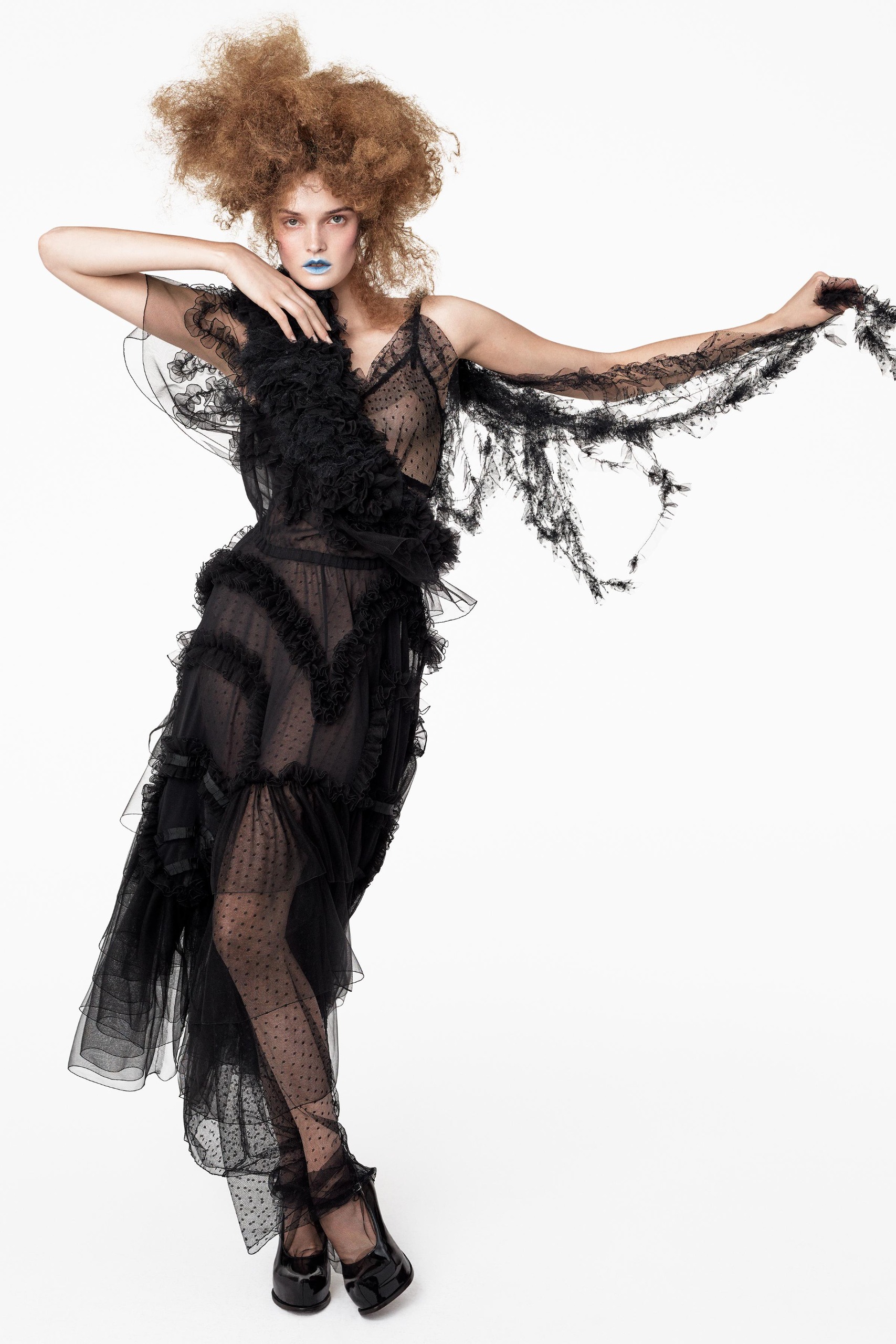
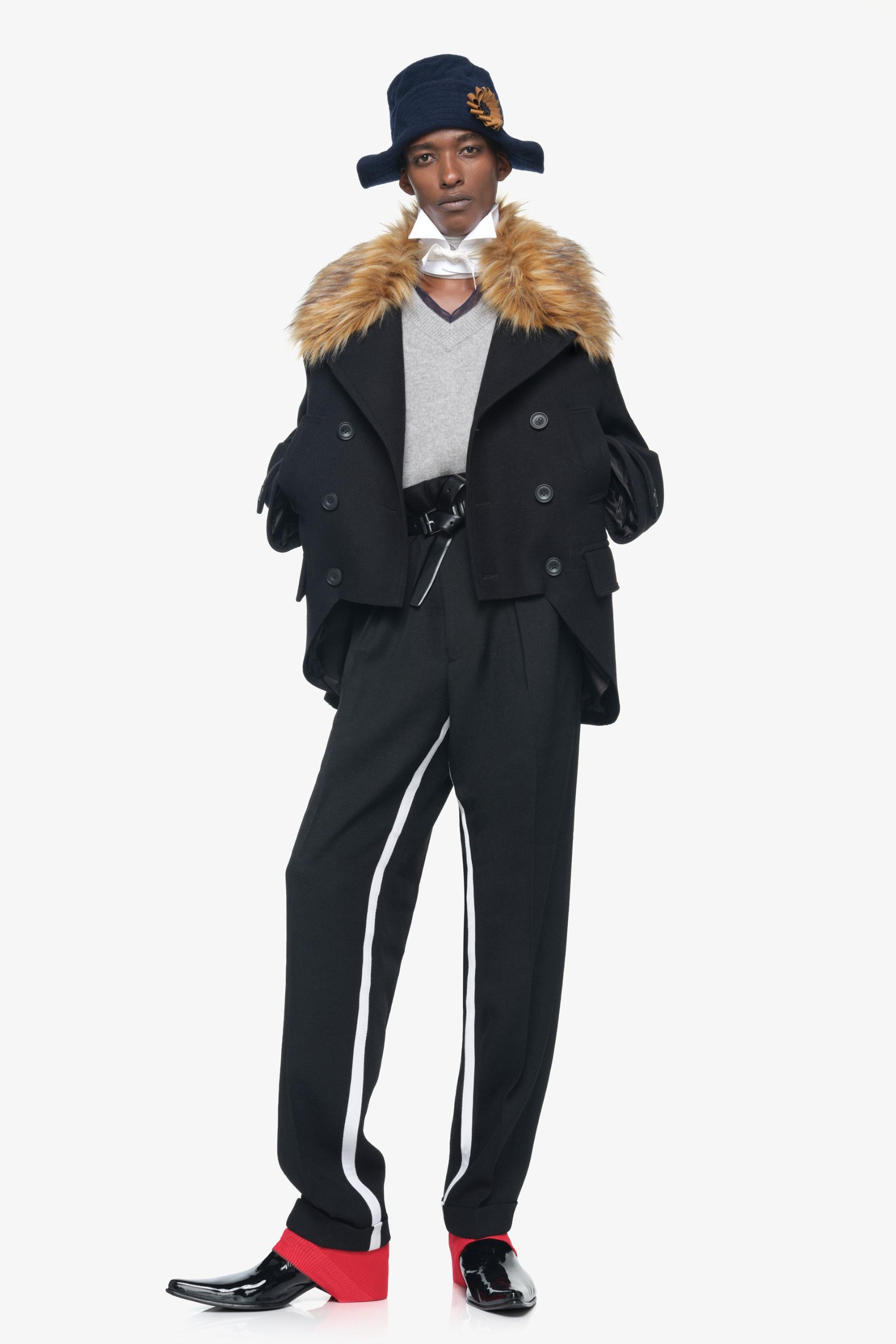
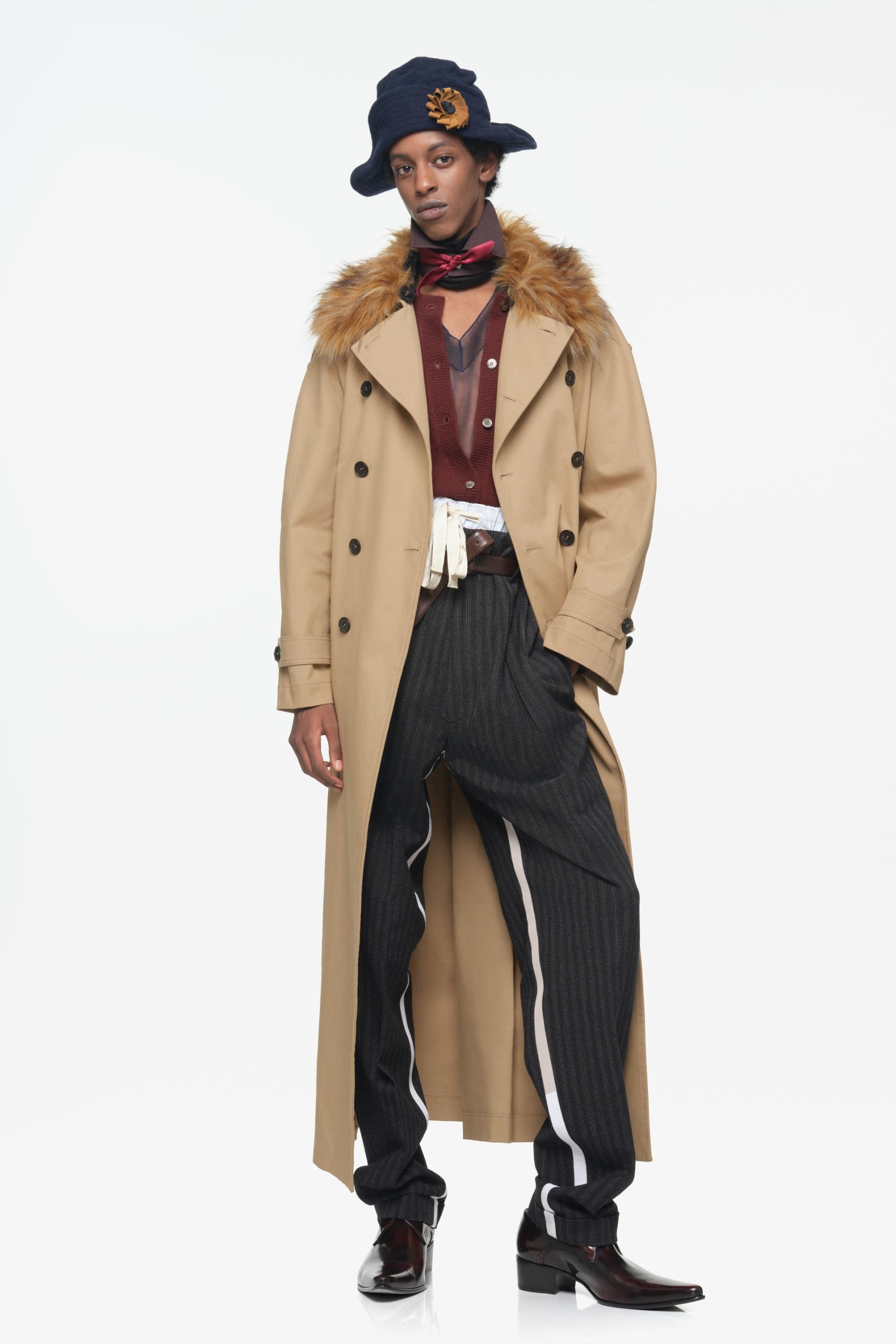
Titled Reform, the highly anticipated limited-edition collection has finally landed, transforming Zara’s reliable offering of everyday wardrobe staples into something nearly unrecognizable. Archival silhouettes have been pulled apart, exaggerated, and stripped of their original forms, only to be reconstructed in a manner that bears the unmistakable fingerprint of a master tailor.
For fashion enthusiasts who have long adored Galliano’s theatrical runway presentations but found themselves priced out of haute couture, this collaboration represents a seismic shift: high-fashion disruption delivered straight to the global high street.
Main Facts: The Anatomy of Reform
At its core, the John Galliano x Zara collaboration is a masterclass in deconstruction. Comprising a genderless array of ready-to-wear pieces, the collection defies practically every expectation of what mass-market everyday clothing should be.
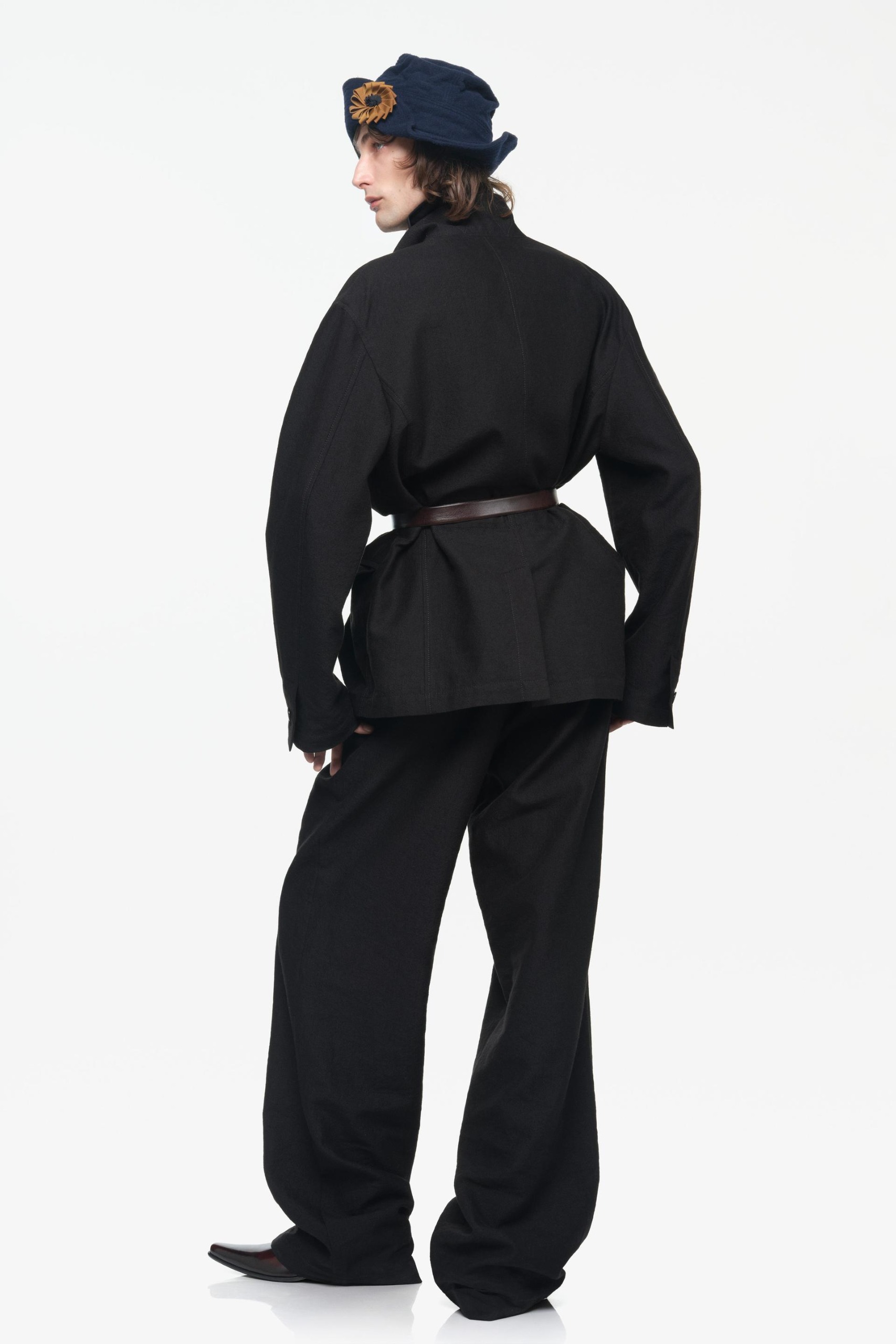
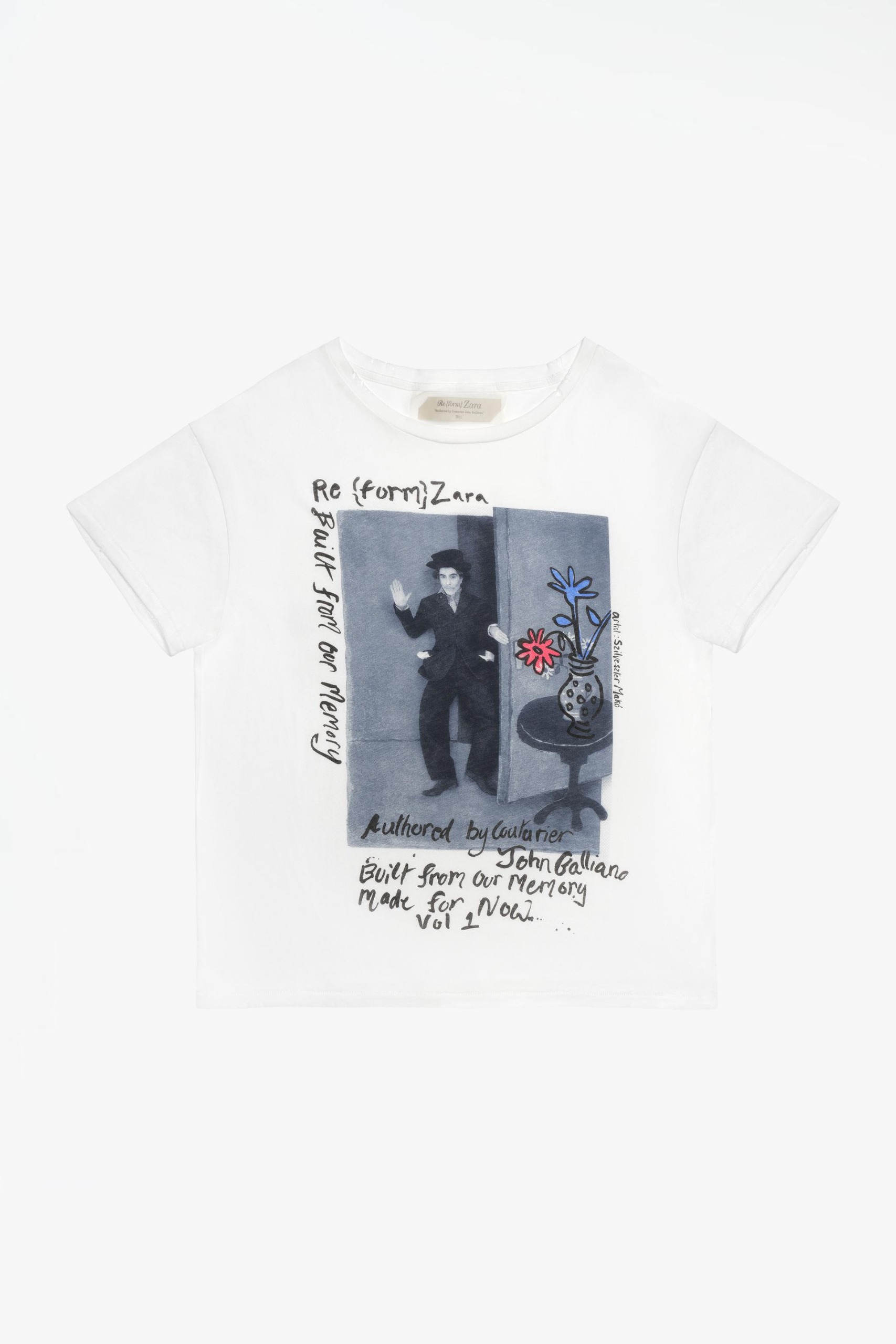
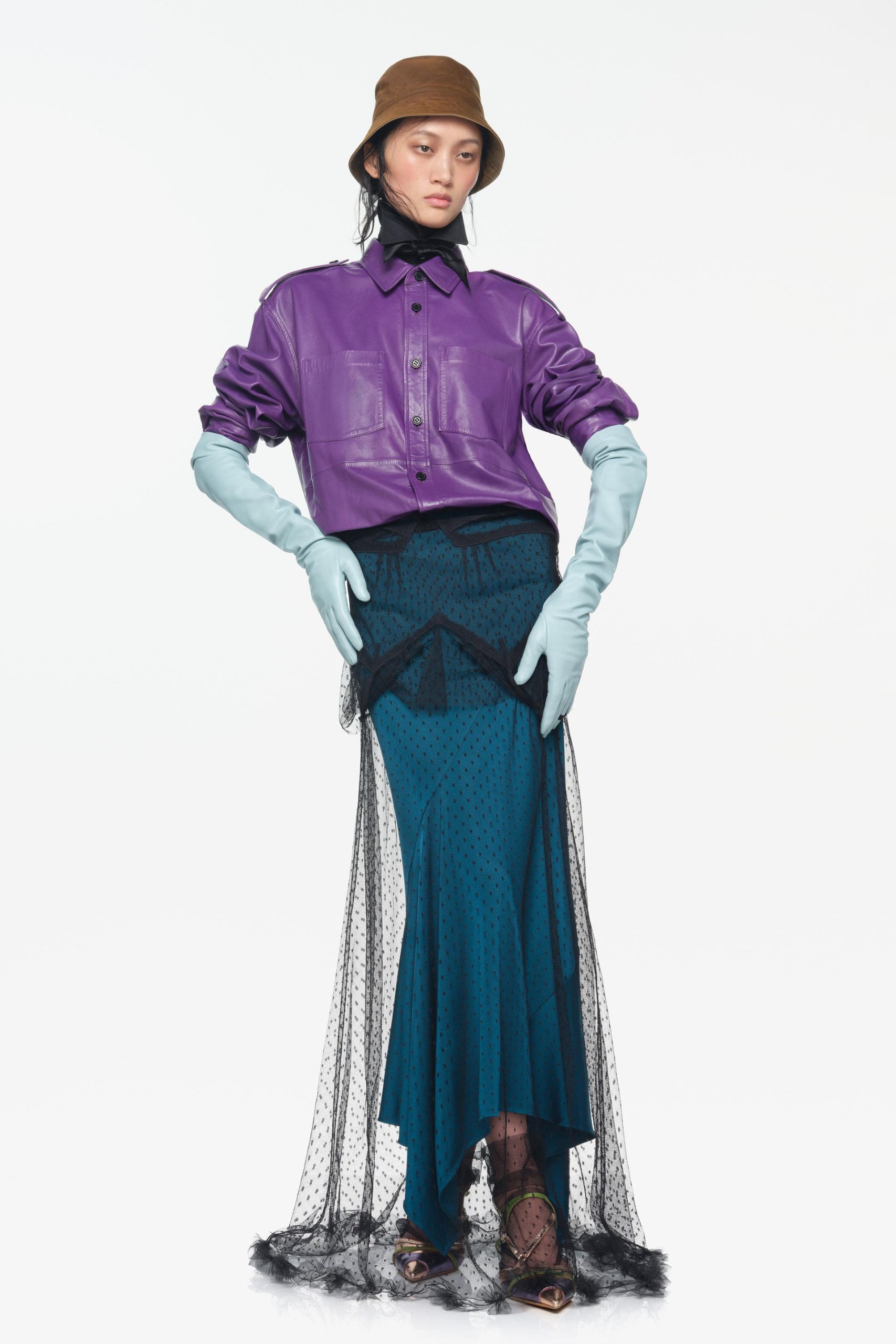
- The Design Philosophy: Shirts are no longer simply shirts; dresses twist, drape, and cascade around the body with organic fluidity; and traditional tailoring takes on entirely new, exaggerated proportions.
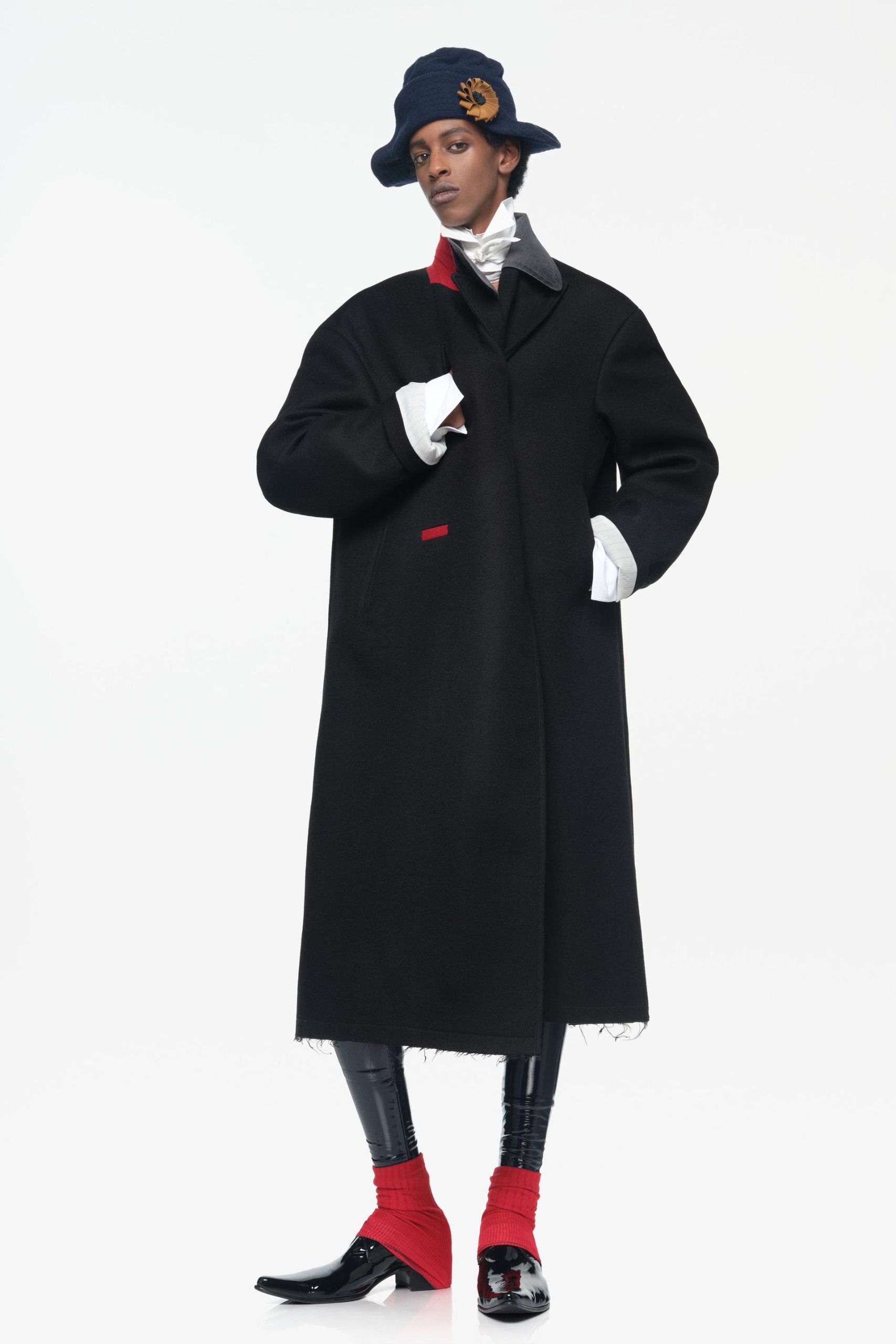
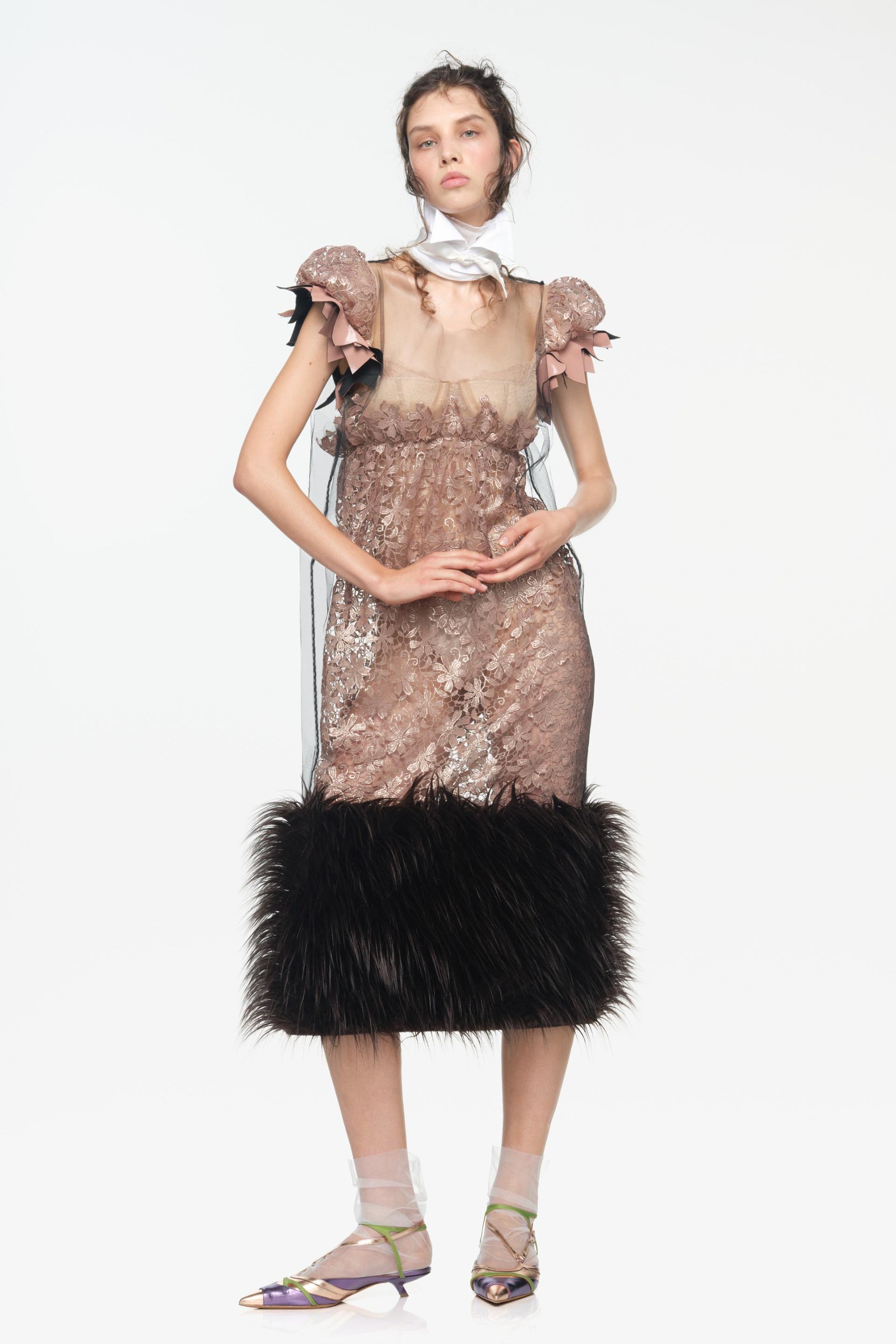
- The Aesthetic: Galliano’s signature hallmarks are present in every seam. There is an intoxicating blend of romance, theatrics, and deliberate imperfection—exposed construction lines, asymmetric cuts, and an overriding sense that each garment has been artfully tampered with rather than simply manufactured.
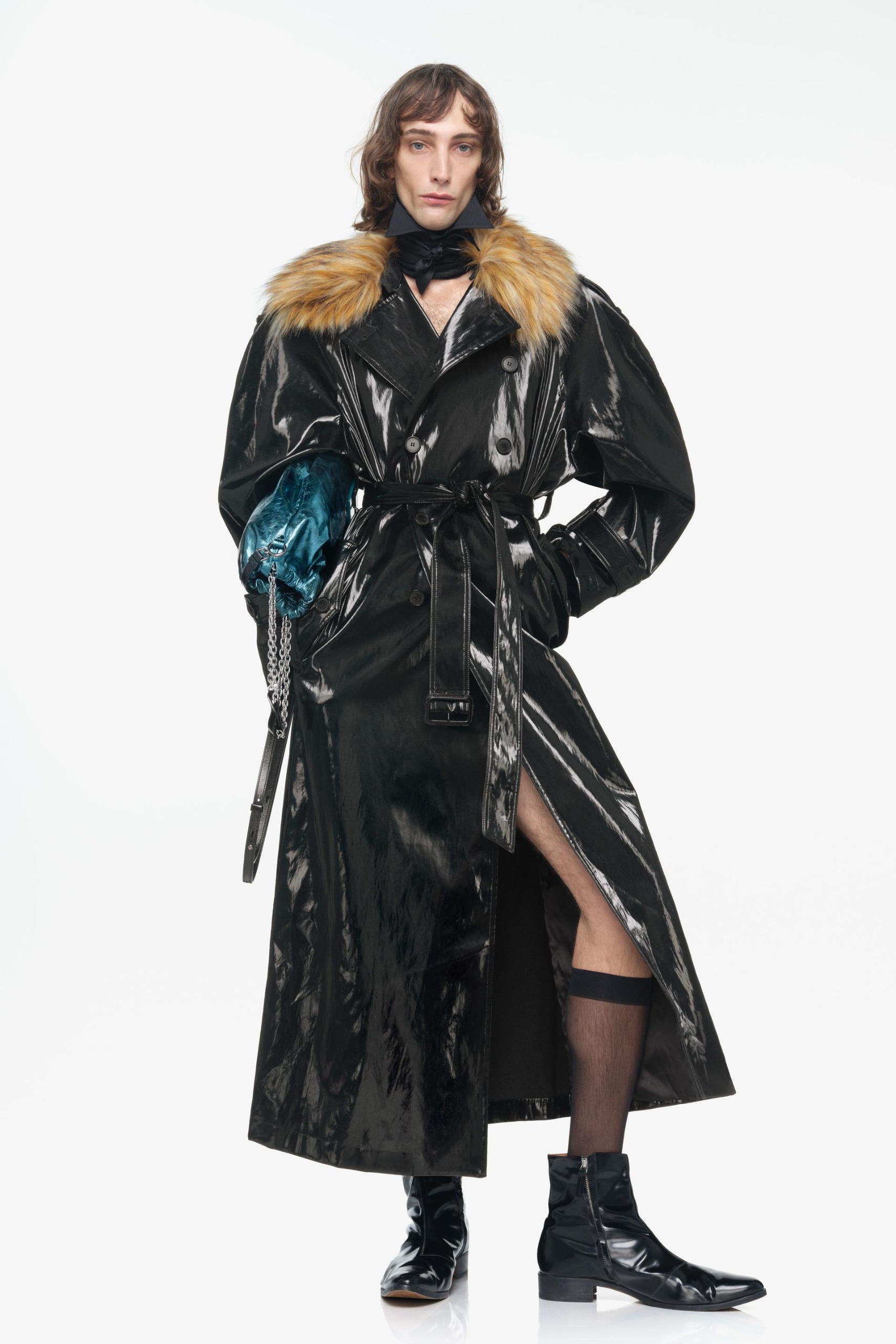
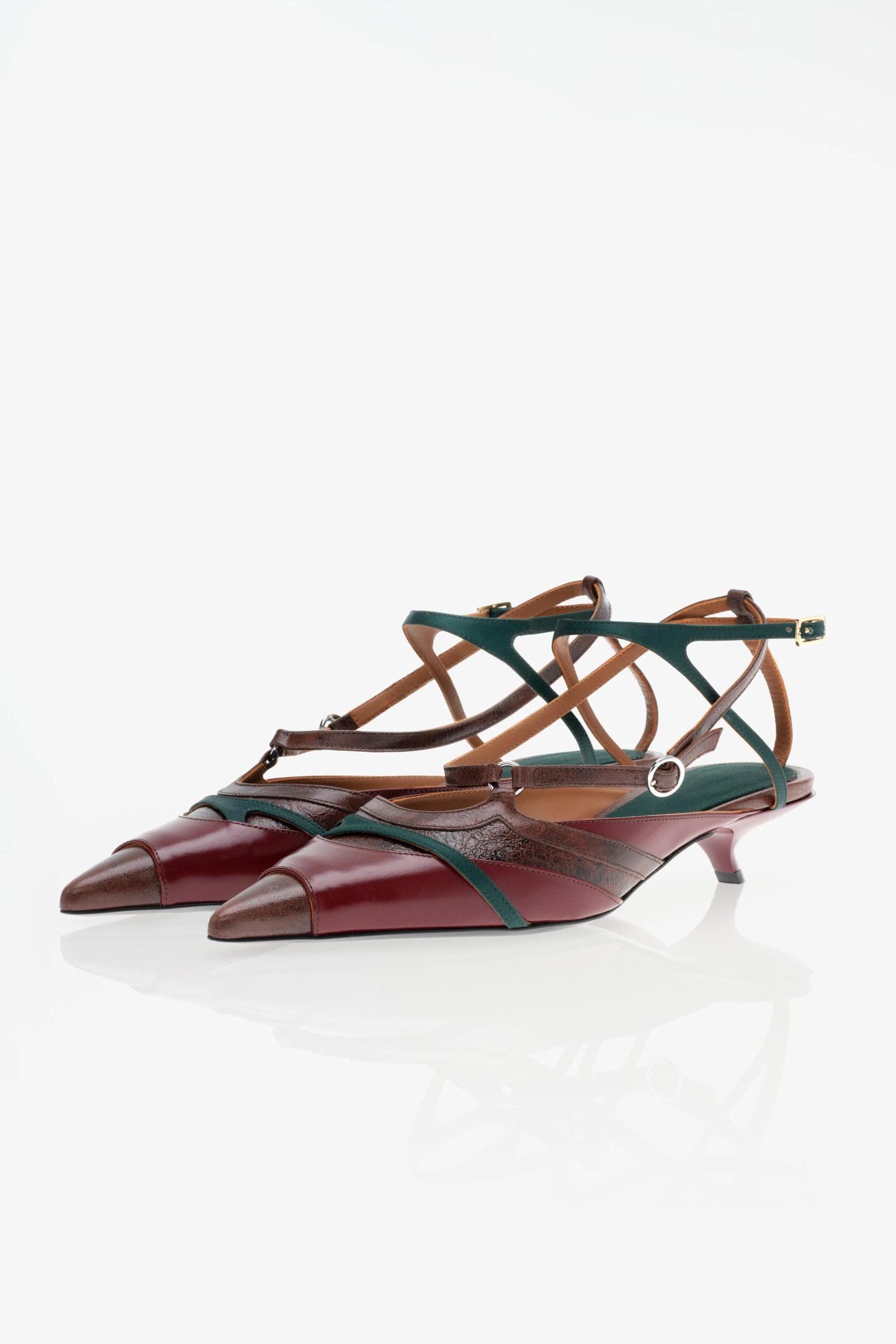
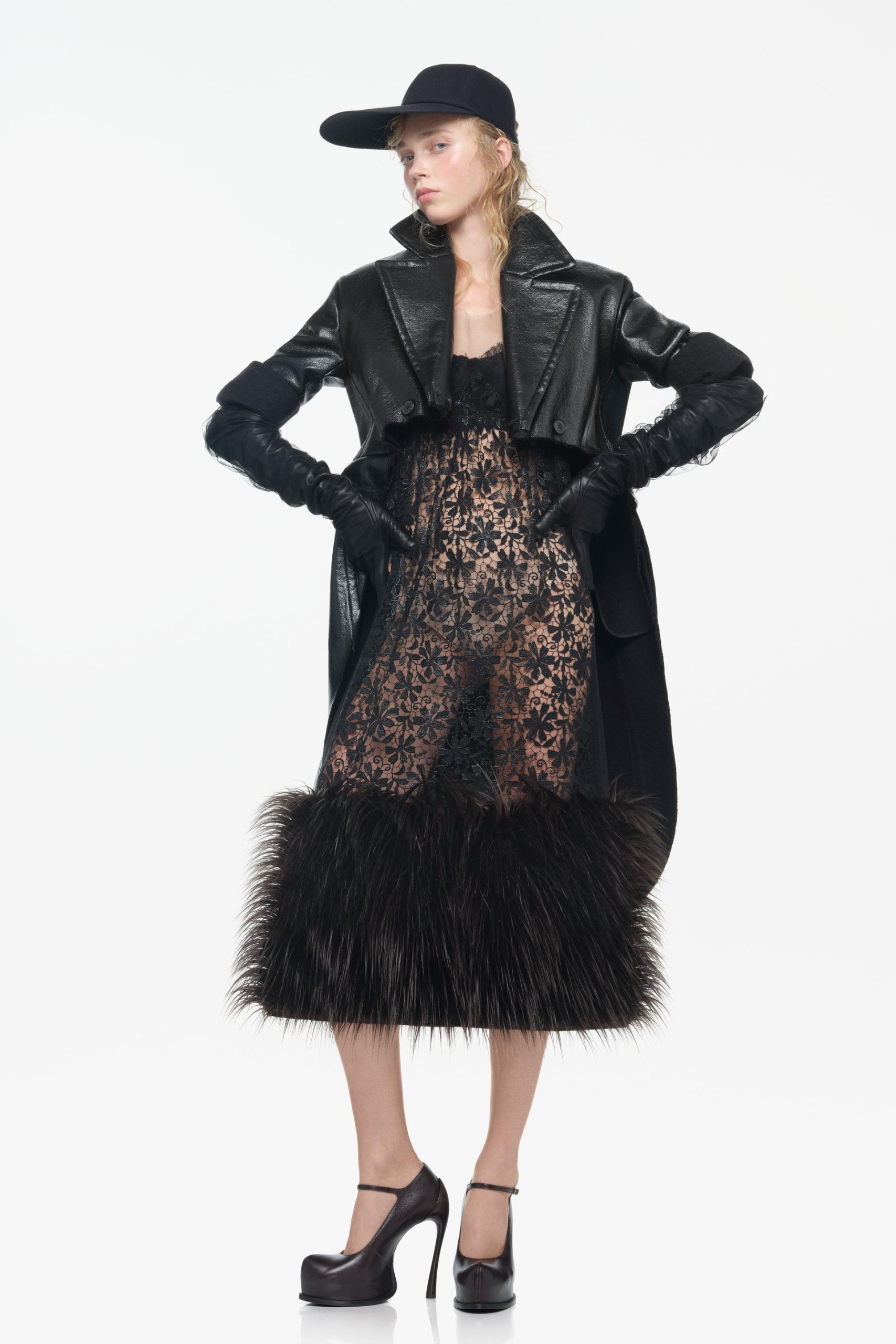
- The Product Range: Spanning across outerwear, tailoring, fluid evening wear, and elevated basics, the collection bridges the gap between museum-worthy art objects and wearable streetwear.
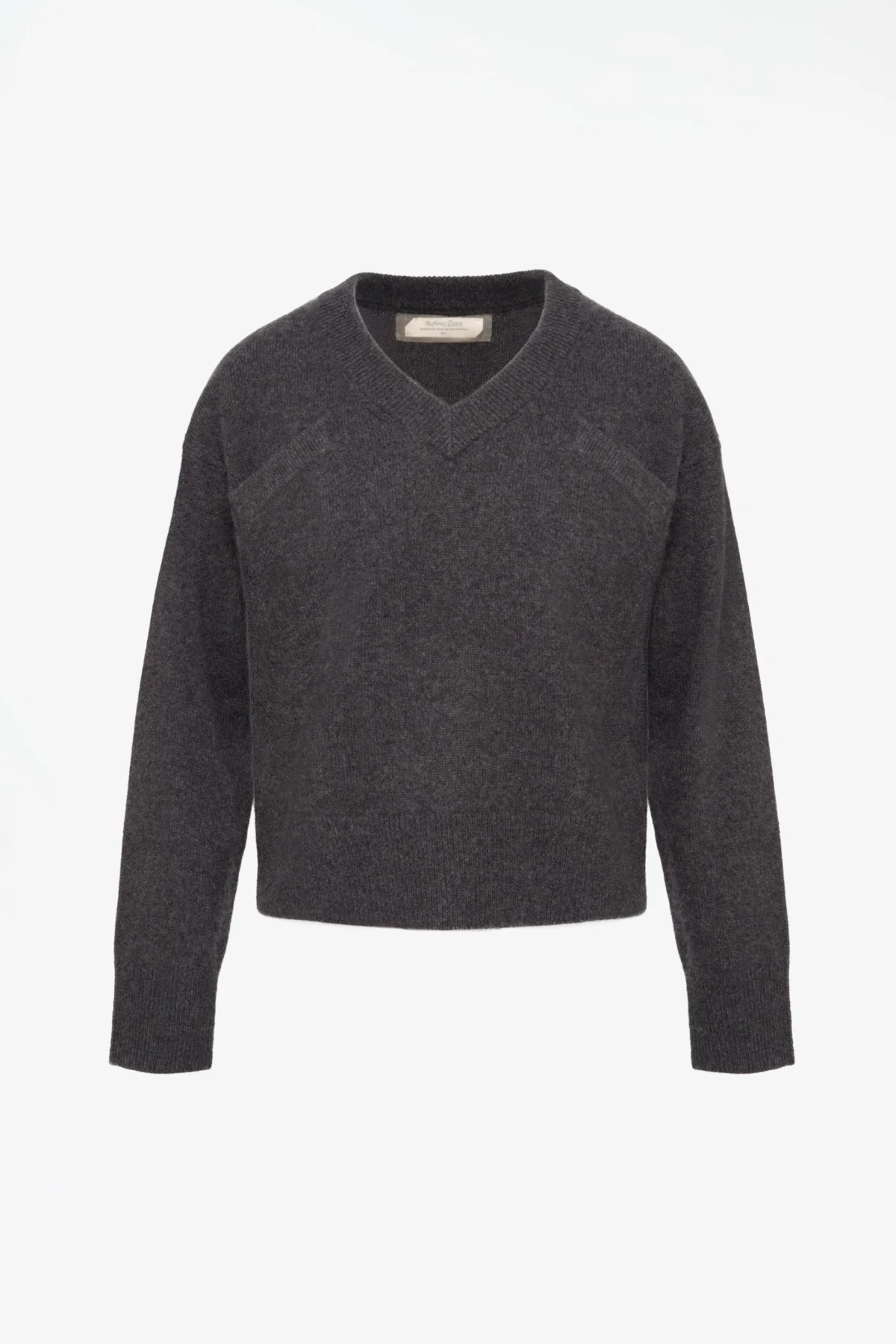
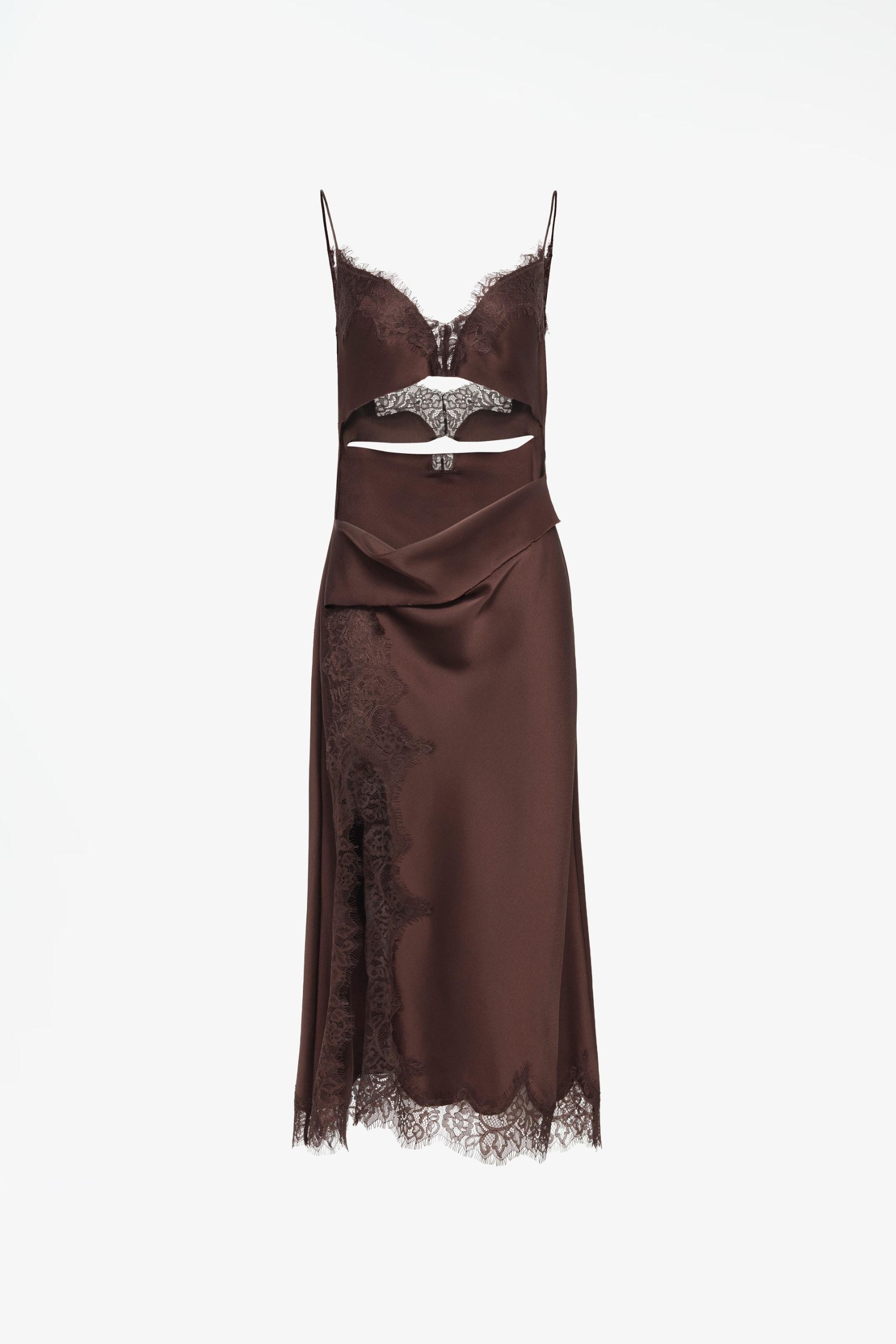
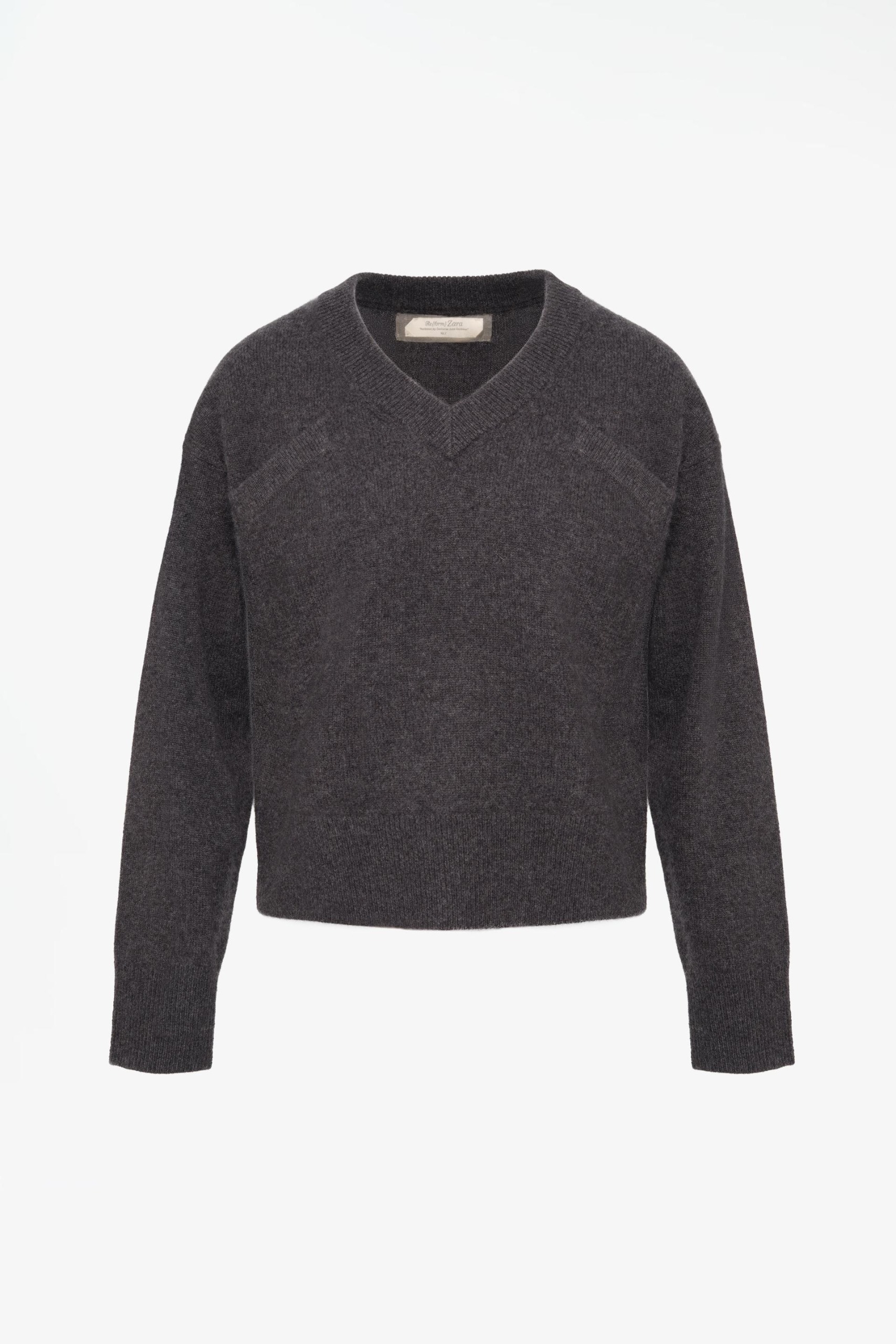
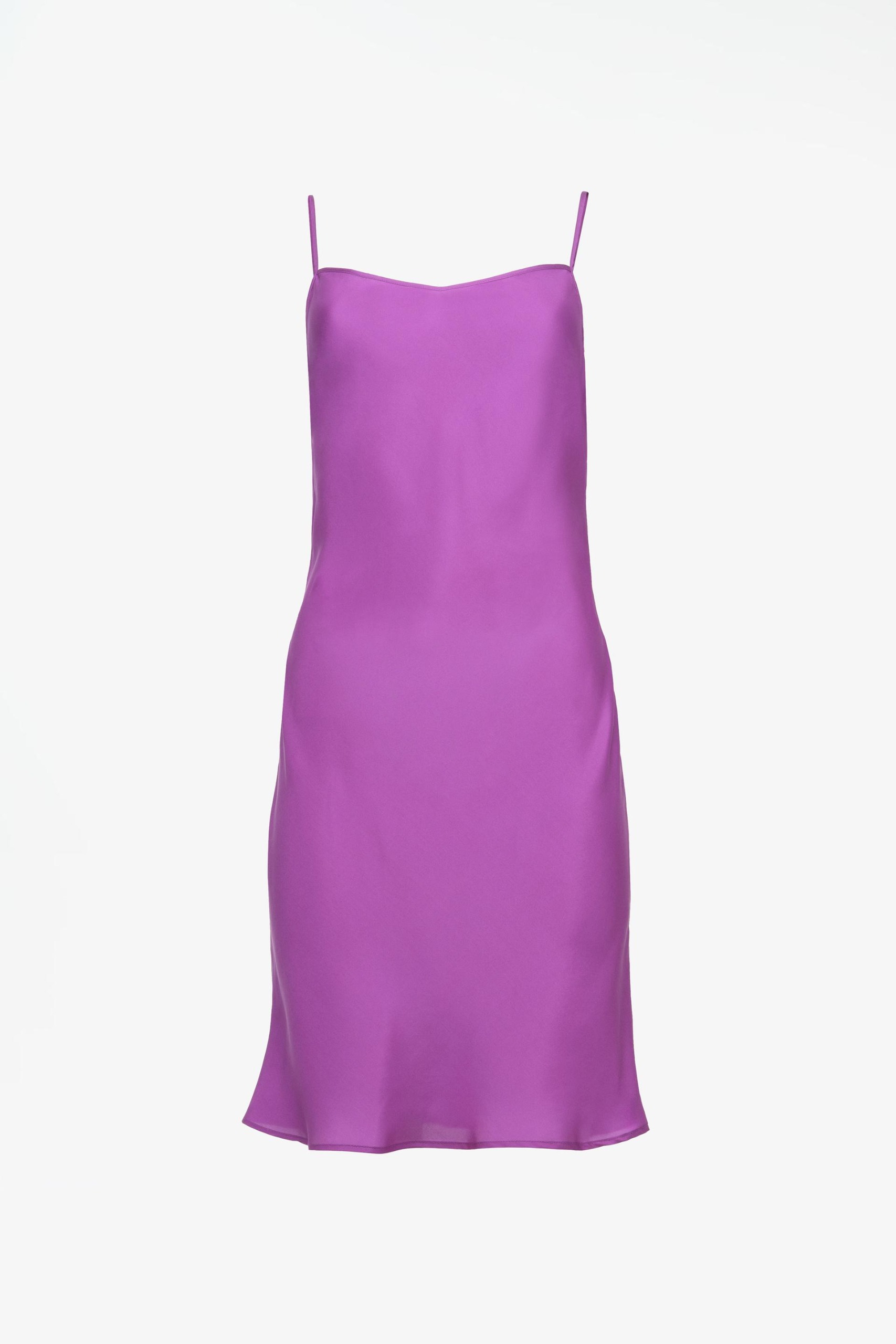
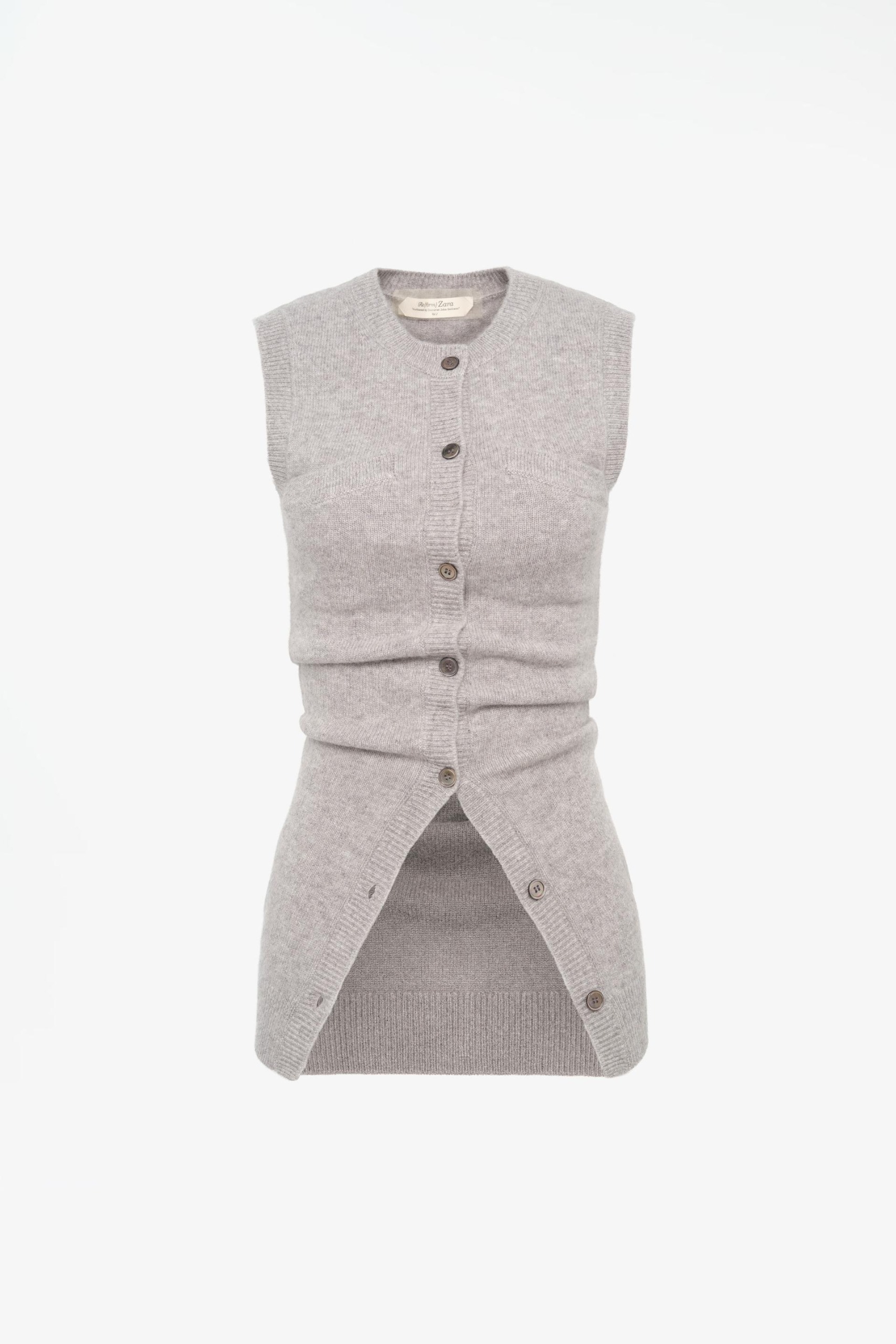
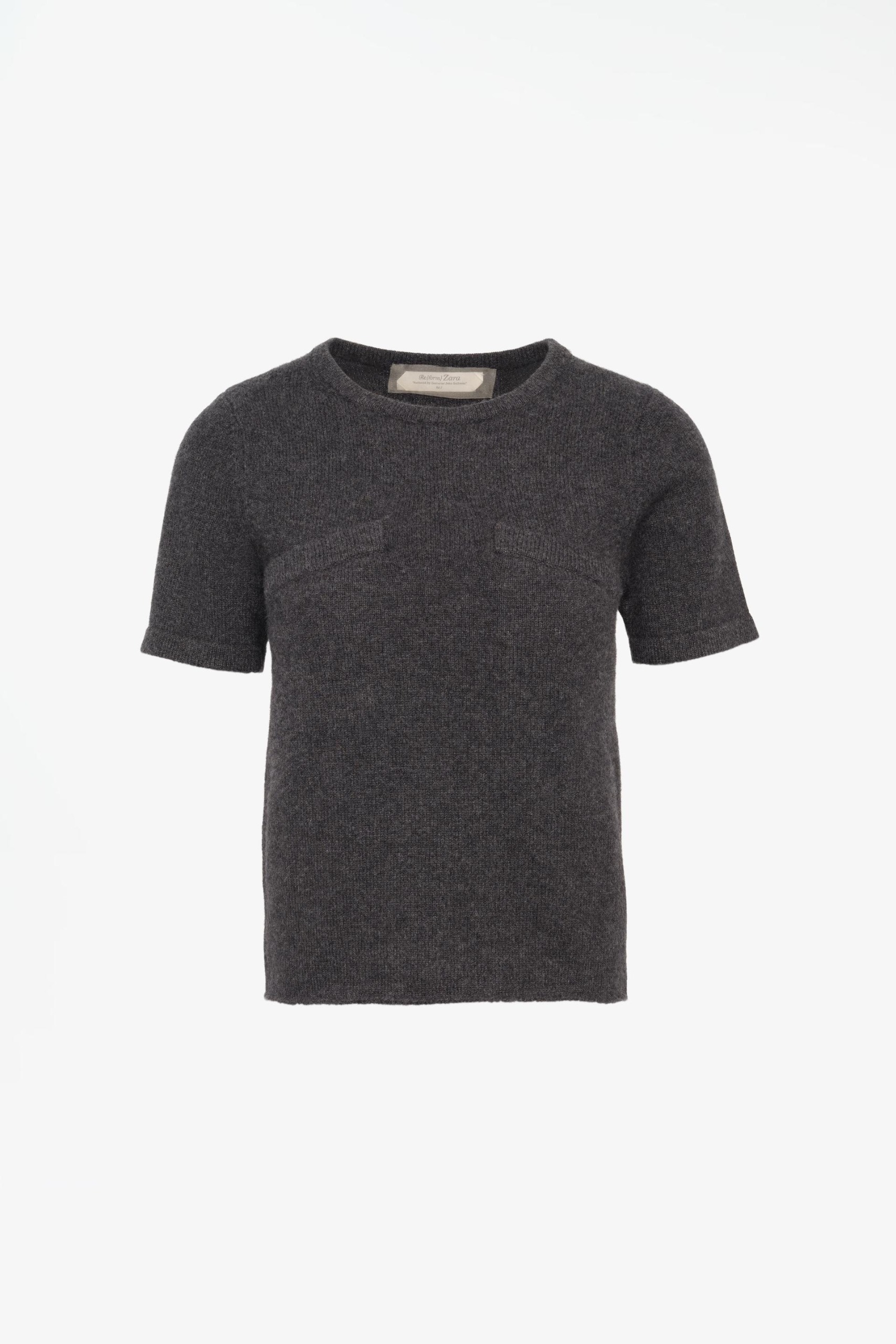
- The Accessibility Factor: While the dramatic trench coats and lace-cut-out midi dresses steal the visual spotlight, the collection also features a surprisingly robust capsule of pure-cashmere V-neck jumpers, knitted waistcoats, graphic tees, and silk camisoles.
Chronology: From Concept to Global Drop
The journey of Reform from a whispered industry rumor to a global retail phenomenon reflects the modern cadence of high-low fashion partnerships.
Phase One: The Rumor Mill (Late 2024–Early 2025)
Speculation began circulating within trade publications when insiders spotted cross-pollination between Zara’s design laboratories and creative consultants associated with Galliano’s inner circle. Given Galliano’s storied history of pushing boundaries at Dior, Givenchy, and Maison Margiela, the prospect of him lending his creative genius to a fast-fashion retailer felt like an improbable paradox—and precisely the kind of subversion the designer loves.
Phaseinitializer Two: The Official Tease (Spring 2025)
Zara officially confirmed the collaboration in the weeks leading up to the Met Gala. The fashion house strategically utilized the momentum of the gala season to build global anticipation, teasing shadowy silhouettes, sculptural outerwear, and distorted tailoring through cryptic digital campaigns.
Phase Three: The Global Launch (Current)
The collection has officially dropped online and in select flagship stores globally. True to the nature of previous high-profile Zara designer collaborations (such as past partnerships with Narciso Rodriguez and Stefano Pilati), the pieces are strictly limited-edition. Initial metrics from retail trackers indicate that hero pieces—particularly the asymmetric coats and lace-paneled dresses—are experiencing unprecedented sell-out speeds.
Supporting Data & Market Analysis: The Economics of High-Low Collaborations
To understand the weight of the Galliano x Zara partnership, one must examine the broader economic and cultural shifts occurring within the global apparel market.
The Democratization of Avant-Garde Design
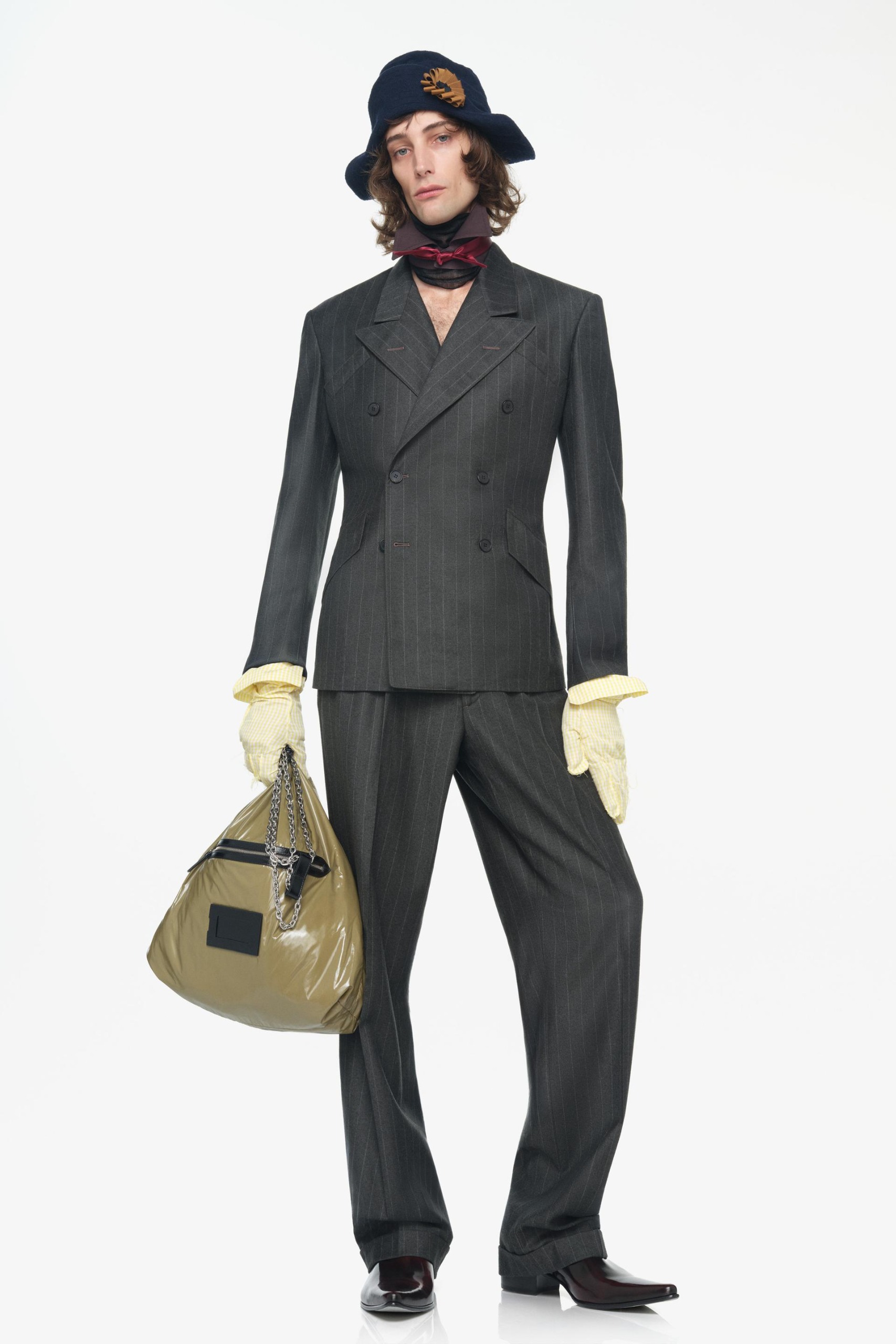
Historically, avant-garde deconstructionism—pioneered by the Antwerp Six, Japanese masters like Rei Kawakubo, and Galliano himself—has been locked behind the paywalls of luxury fashion houses, where garments routinely command thousands of dollars. Reform disrupts this economic stratification. By utilizing Zara’s vast global supply chain and manufacturing efficiencies, pieces constructed from 100% wool, premium silk, and pure cashmere are made accessible at a fraction of traditional designer price points.
Consumer Appetite for "Incomplete" Luxury
Market data from consumer research firms indicates a growing consumer fatigue with mass-produced, hyper-minimalist basics. Shoppers are increasingly seeking narrative-driven fashion—garments that tell a story, feature unique textures, or possess visible signs of artisanal craftsmanship. Galliano’s focus on exposed construction, raw edges, and asymmetrical draping directly feeds this cultural craving for authenticity and artistic rebellion in everyday dressing.
Sustainability Through Limited Drops
While fast fashion is frequently scrutinized for overproduction, limited-edition capsule collections operate under a different economic model. By capping production volumes and focusing on higher-grade materials (such as the collection’s 100% cashmere knits and durable wool pinstripes), Zara and Galliano have engineered a model that prioritizes perceived collectibility over endless inventory accumulation.
Official Responses and Industry Reception
The industry’s reaction to Reform has been overwhelmingly polarized yet universally captivated, a testament to Galliano’s enduring power to provoke conversation.
The Designer’s Vision
While Galliano himself has largely let the clothes speak for themselves through sparse, conceptual campaign imagery, sources close to the design team note that the project was approached as an experiment in mass-market subversion. The goal was not to water down his signature aesthetic for the masses, but rather to compress his complex tailoring vocabulary into a format that could be interpreted by everyday consumers.
Fashion Critics and Stylists Weigh In
Major style publications and digital fashion commentators have praised the collection for its uncompromising fidelity to Galliano’s design codes.
- "Shirts are no longer simply shirts," noted one prominent fashion editor, highlighting how the designer forces wearers to rethink their relationship with standard silhouettes.
- Stylists have particularly lauded the collection’s genderless framing, pointing out that relaxed-fit pleated trousers, oversized contrast coats, and pinstriped wool suits translate fluidly across diverse wardrobes.
Implications: What Reform Means for the Future of Retail
The success of the John Galliano x Zara collaboration marks a watershed moment that will likely shape retail strategies for the remainder of the decade.
1. The Elevation of the High Street
For years, high-street retailers relied on safe, trend-replicating designs to drive volume. Collaborations with true haute couture masterminds elevate the cultural capital of brands like Zara, repositioning them from mere trend-followers to legitimate cultural innovators. When a designer of Galliano’s caliber chooses to partner with a high-street giant, it validates the technical capabilities and global reach of mass-market manufacturing.
2. Redefining Accessibility in Luxury
As luxury houses continue to raise prices to unprecedented levels, alienating traditional aspirational consumers, high-street collaborations serve as a vital bridge. They maintain brand desire for the luxury designer while offering everyday consumers a tangible piece of fashion history.
3. The Enduring Appeal of the Unconventional
Perhaps the most significant takeaway from Reform is proof that consumers are hungry for risk. In a market saturated by algorithms predicting safe, wearable trends, Galliano’s triumph proves that asymmetry, theatricality, and a little bit of beautiful "imperfection" still hold the ultimate allure.
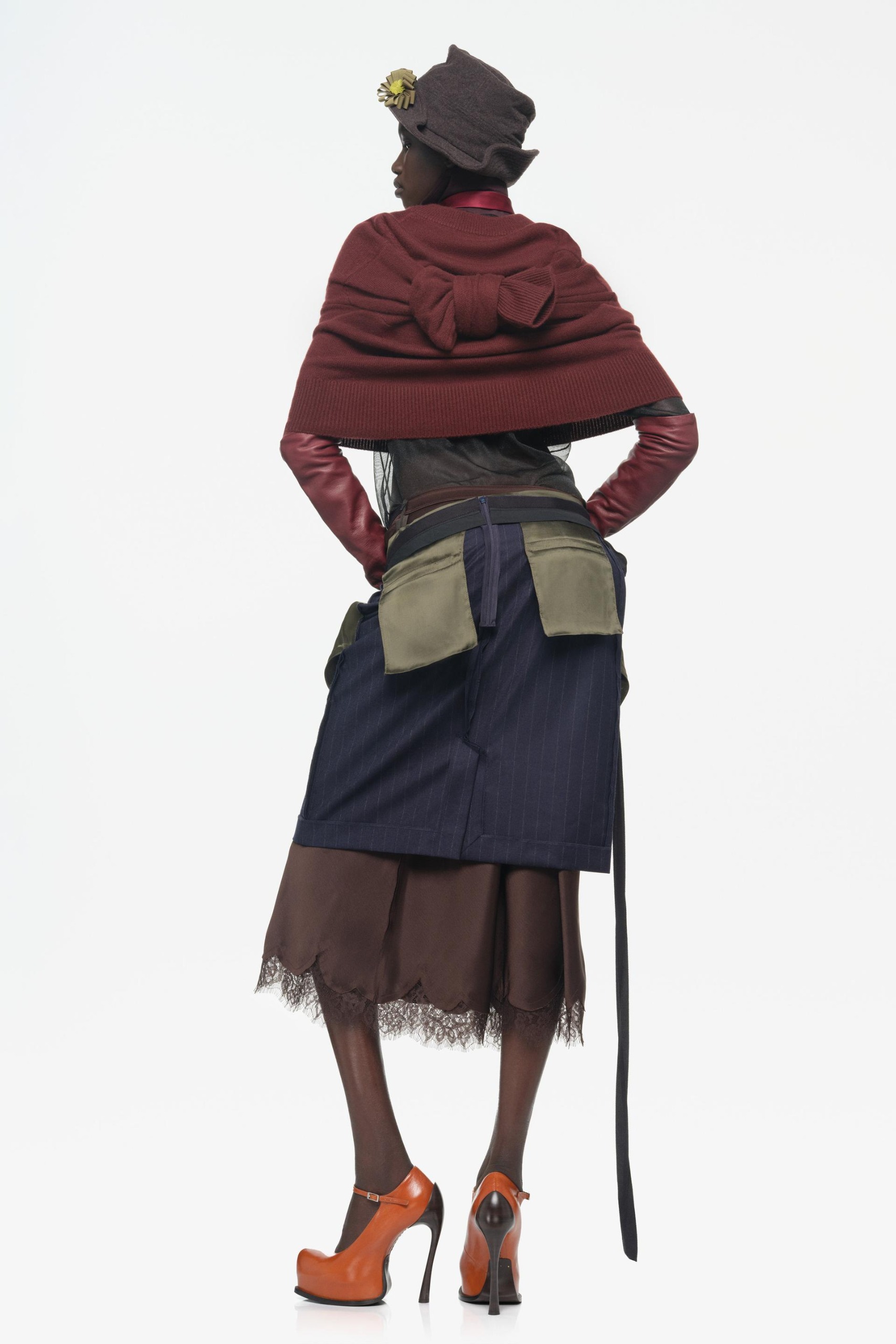
As the pieces from the collection continue to vanish from digital carts and store rails, one thing is certain: the ripple effects of Galliano’s deconstructive touch will be felt on the streets—and on future runways—for seasons to come.
 Raul Delapena Setiawan
 Nana Muazin
 Laily UPN
