

The high-octane spectacle of America’s Got Talent returned to our screens this week, bringing with it the relentless tension and awe-inspiring talent that has defined the franchise for over two decades. As Season 21 shifts into high gear, the stakes have never been higher. With the introduction of the new “Judges’ Callbacks” round—a safety net for acts that impress the panel but fall short of a unanimous Golden Buzzer—the pressure on the audition stage is palpable.
Following a riveting premiere that saw Lai Noelle, Acro Crew, and Luke Taleno secure their golden tickets to the live shows, the second night of auditions sought to see if Sofia Vergara and Mel B. would finally join the ranks of those bestowing the prestigious honor. What followed was a rollercoaster of eccentric magic, death-defying aerial feats, and the occasional—and inevitable—swing and a miss.
The State of the Competition: A New Era of Judging
The mechanics of Season 21 have fundamentally changed the viewing experience. With each judge and host Terry Crews now wielding two Golden Buzzers, the path to the live shows is both more exclusive and more competitive. The 10 acts that receive this honor bypass the grueling scrutiny of the middle rounds entirely, heading straight to the high-pressure environment of the live stage.
For those who fail to secure that golden confetti but still manage to earn “yes” votes from at least three of the four judges, the new Judges’ Callbacks round offers a second lease on life. This deliberation phase promises to be one of the most intense segments of the season, forcing the judges to weigh raw potential against polished showmanship. As we saw in Episode 2, the judges are no longer just looking for a “yes”; they are looking for a spark that can sustain a performance in front of a national audience.
Episode 2: A Chronology of Talent and Turmoil
The June 9th broadcast featured 12 distinct acts, each attempting to capture the hearts of the judges and the American public. The evening served as a masterclass in the diversity of the AGT stage, oscillating between professional-grade brilliance and baffling amateurism.
The Struggles: When Ambition Outpaces Execution
Not every act that steps onto the AGT stage finds success. The evening began with a stark reminder that preparation is everything. Kevin Quantum, a science experimenter from Scotland, found himself on the receiving end of four buzzers. While the judges acknowledged the difficulty of his craft, his inability to pace his act led to a swift exit. Simon Cowell, never one to mince words, noted that while the premise was strong, the lack of conciseness rendered it a failure.
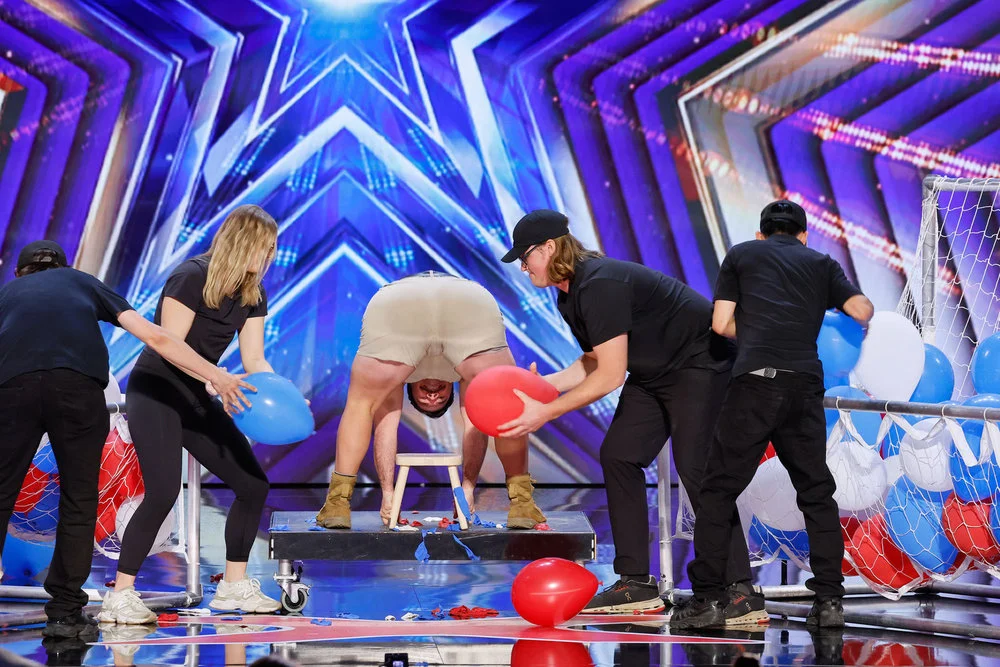
Similarly, Frankie Lapenna attempted to impress with a balloon-popping routine that left the panel bewildered. The judges’ confusion underscored a recurring theme of the night: AGT is not just about doing something “different”; it is about delivering a narrative and a performance that holds the audience’s attention.

The evening also featured the quirky and slightly unnerving Brad and Tracy, who brought shock-based tricks to the stage. While their act horrified the live audience—leading to a "no" from Mel B.—the other judges were captivated by the contrast between their “normal” demeanor and their “crazy” performance. Their advancement proves that in the world of AGT, being polarizing is often a viable strategy for survival.
The Breakthroughs: Music and Magic
The musical talent this season continues to impress. Nyjah Music & Zyah Rhythm, a duo from O’ahu, Hawaii, delivered a vocal performance that earned high praise. Howie Mandel went as far as comparing them to AGT breakout star Grace VanderWaal, citing their unique vocal quality and harmony as the keys to their future success.
However, the night’s most emotional peak came from Lara D. The Australian singer’s performance was so captivating that it forced a rapid-fire decision from the judges. As Howie Mandel began to express his desire to support the act, Sofia Vergara beat him to the punch, slamming her Golden Buzzer. It was a moment of pure, unadulterated joy that solidified Lara D as a frontrunner in the competition.
Magic also had a standout moment with the South Korean act Hundred Fingers. Their display of skill was so profound that it earned a rare second Golden Buzzer of the night from Howie Mandel. Mandel, usually the most pragmatic of the judges, was visibly moved, suggesting that the act was of such high caliber that they were already prepared for a Las Vegas residency.
Supporting Data: The Talent Breakdown
The variety of the 12 acts showcased on June 9th provides a snapshot of the current landscape of the competition:
- Singing/Musical Acts: 4
- Magic/Illusion: 2
- Dance/Aerial: 2
- Novelty/Miscellaneous: 4
The high success rate for the aerial and musical acts suggests that the judges are prioritizing "spectacle" and "vocal purity" over novelty stunts. Acts like Holland and Sienna, the aerial duo from Las Vegas, were praised for their resilience and effortless grace, even after a costume malfunction mid-performance. This "show must go on" mentality is precisely what the judges are looking for as they curate the live show roster.
Official Responses and Behind-the-Scenes Insights
The judges’ commentary throughout the night provided a clear window into their evolving criteria. Sofia Vergara, who has historically been the most supportive of the panel, showed a keen eye for "star quality," particularly with Lara D. Meanwhile, Simon Cowell’s feedback has become increasingly focused on "future-proofing"—asking contestants, "What will you do next time?"

This line of questioning was particularly evident with Geno Ploeger, a magician whose enthusiasm and speed earned him unanimous "yes" votes. While the judges loved his current act, they were already challenging him to move beyond his influences and define his own signature style. It is this push for artistic evolution that makes the early rounds of AGT so critical; the judges aren’t just selecting a winner, they are molding a performer.
The Implications: What Lies Ahead
As the audition rounds continue, the implications of the Judges’ Callbacks become clearer. With only a limited number of spots available for the live shows, the bar has been raised significantly. The acts that failed to impress—such as Kevin Quantum or the opera-singing dog act, Julia and Charlie—serve as a warning: the AGT stage is unforgiving of those who cannot bridge the gap between a hobby and a professional performance.
The success of Cesar Dias, the Portuguese singer who closed the night, serves as a final lesson. His blend of singing, physical comedy, and genuine charisma proved that the perfect way to end an episode is to leave the audience and the judges smiling. As the show moves toward its next phase, the question remains: who among the remaining contestants will be able to maintain this level of excellence?
The season is still young, and with more Golden Buzzers yet to be awarded, the landscape is likely to shift dramatically. For now, the message from the judges is clear: don’t just show us what you can do—show us why you belong on the world’s biggest stage.
Stay tuned to Gold Derby for ongoing coverage of America’s Got Talent Season 21, including exclusive interviews, recap analysis, and our predictions for which acts will survive the upcoming Judges’ Callbacks.
 Ammar Sabilarrohman
 Iffa Jayyana
