

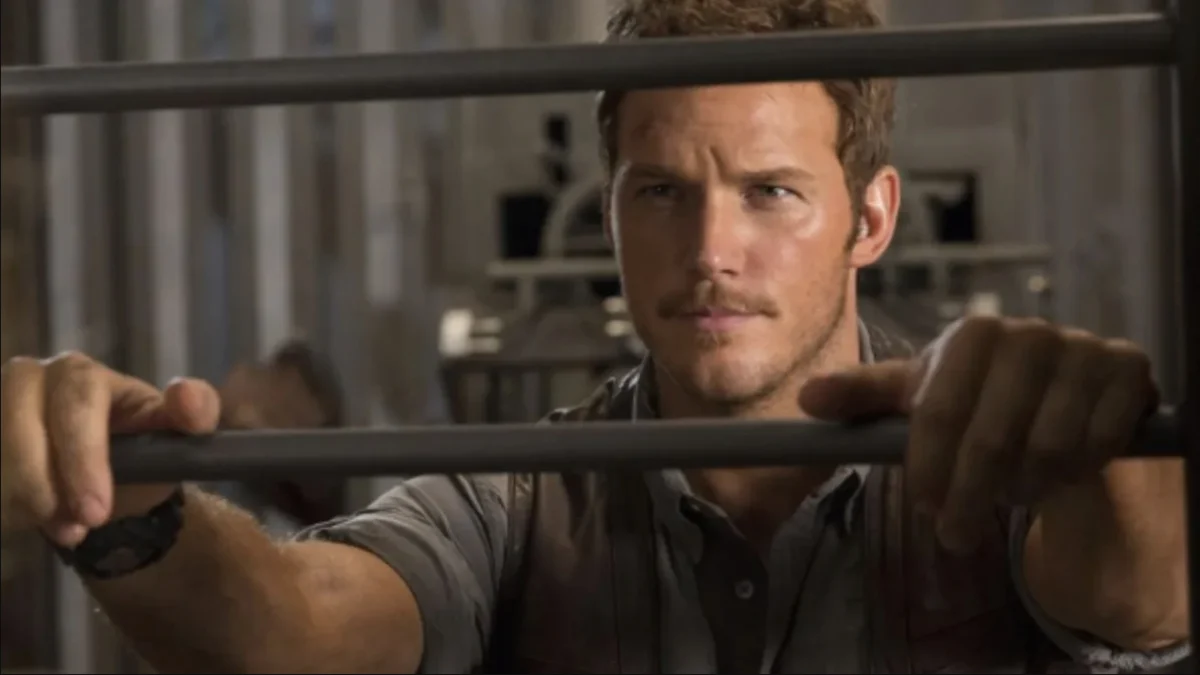
In an unprecedented convergence of Hollywood star power, historical scholarship, and federal diplomacy, actor Chris Pratt is set to headline a new comedy series centered on American history. While celebrity-led educational content is common in the digital age, this specific venture is distinguished by its unconventional pedigree: it is officially sanctioned and funded by the United States government. As part of the lead-up to the America 250 celebrations—the semiquincentennial marking the signing of the Declaration of Independence—the project aims to blend irreverent humor with constitutional education, all while navigating the complexities of public diplomacy.
The Premise: "Faster Class" and the Satire of Enthusiasm
Currently operating under the working title "Faster Class"—a clear, self-aware nod to the high-brow "MasterClass" series—the project is designed as a collection of short-form comedy episodes. According to initial reports from Variety, the show’s comedic engine is built upon a simple but effective premise: Pratt, known for his high-energy screen presence in blockbusters like Guardians of the Galaxy and the Super Mario franchise, portrays a character deeply enthusiastic about American history, yet remarkably ill-informed.
The humor is derived from the collision between Pratt’s unbridled, often misguided passion for historical narratives and the cold, hard reality of the facts. To keep the project from veering into historical revisionism or pure misinformation, the producers have enlisted the services of Pulitzer Prize-winning presidential historian Doris Kearns Goodwin. Goodwin, who serves as both an executive producer and an on-screen editorial advisor, will act as the "straight man" to Pratt’s character, providing the necessary factual scaffolding to keep the lessons on track.
The series, which will utilize a mix of live-action segments and animation, intends to dedicate each episode to a specific constitutional value, anchored by a historical figure or a pivotal event in the American timeline. By combining the production sensibilities of Emmy-winning Veep and White House Plumbers writer/producer Alex Gregory with the scholarly rigor of Goodwin, the studio behind the project, ATTN:, aims to create content that is as intellectually sound as it is entertaining.
Chronology of a Unique Collaboration
The journey toward this project began as the U.S. government looked for innovative ways to commemorate the 250th anniversary of the nation’s founding. The initiative, while centered on domestic celebrations, also bears a strong mandate for international outreach.
- Early 2025: Discussions regarding the role of media in the America 250 celebrations intensified within the State Department. The goal was to identify a platform that could reach younger, digitally native audiences both at home and abroad.
- Late 2025: Chris Pratt’s public alignment with current political figures—specifically his high-profile support for Robert F. Kennedy Jr.—brought him into the orbit of administration discussions regarding public outreach and cultural messaging.
- Mid-2026: The partnership between ATTN:, Pratt, and the State Department was solidified. News of the project broke in June 2026, revealing the unusual funding structure and the involvement of Doris Kearns Goodwin.
- Current Status: The production is currently in the development and scripting phase, with an official title and release schedule expected in the coming months as the lead-up to the 2026/2027 anniversary events gains momentum.
Federal Funding and the Mechanics of Public Diplomacy
Perhaps the most scrutinized aspect of the project is its source of financing. The series is funded by the U.S. State Department’s Office of Public Diplomacy and the Bureau of Educational and Cultural Affairs.
For the average taxpayer, this raises questions about why the federal government is funding a comedy series starring a Hollywood A-lister. According to an official announcement, the funding is categorized under "public diplomacy," which is explicitly intended to "inform and engage foreign publics about America through international media engagement, educational and cultural exchange programs, digital communications, and outreach conducted through U.S. embassies and consulates worldwide."
In an era where "soft power" is increasingly wielded through digital content, the State Department is pivoting away from traditional brochures and lecture-based diplomacy. By leveraging a recognizable face like Pratt, the government hopes to create "sticky" content that can be distributed via social media platforms, bypassing the barriers that often prevent dry, state-sponsored educational materials from finding an audience. The intention is to export a version of American history that feels accessible, self-deprecating, and modern.
The Intersection of Celebrity and Policy
The choice of Chris Pratt as the face of this initiative has fueled significant discourse. Pratt has maintained a unique position in Hollywood, often distancing himself from the industry’s typical political leanings. His vocal support for Robert F. Kennedy Jr. in 2025—describing the official as "funny" and "wonderful"—signaled a willingness to engage with the current administration on a personal level.
Critics of the project argue that employing a celebrity with specific, well-publicized political leanings to teach "constitutional values" risks politicizing what should be neutral historical education. Conversely, supporters argue that the very nature of the project—a comedy—acknowledges that the actor is not meant to be a historical authority. The inclusion of Doris Kearns Goodwin is widely seen as a strategic move to insulate the project from accusations of partisan bias.
Implications for Future Government-Media Partnerships
This project serves as a test case for how the federal government interacts with the entertainment industry. If "Faster Class" succeeds in reaching a wide audience without generating a massive PR backlash, it could set a precedent for future "government-funded creative content."
However, the implications are vast:
- The Blurring of Lines: As the government moves closer to professional entertainment studios, the line between state propaganda (even when benign) and artistic expression becomes harder to define.
- Audience Trust: Will international audiences view a comedy series starring a Hollywood star as a genuine educational tool, or as an extension of U.S. marketing efforts?
- The Cost of "Cool": By hiring top-tier talent, the government is committing to a higher price tag for public outreach. The efficiency of this expenditure will likely be a point of debate in upcoming congressional oversight hearings.
Conclusion: A New Frontier for History
As the U.S. approaches the 250th anniversary of its independence, the methods by which it chooses to tell its own story are evolving. The collaboration between Chris Pratt, a team of high-level comedy writers, and a premier historian like Doris Kearns Goodwin represents a bold, if unconventional, experiment.
Whether the result is a bridge to a better understanding of American constitutional values or a polarizing example of government-funded entertainment remains to be seen. What is clear, however, is that the traditional, dusty approach to historical education is being sidelined in favor of something far louder, faster, and more quintessentially Hollywood. As production continues, all eyes will be on whether the humor lands, or if the history gets lost in the punchlines. For now, the world waits to see how a "badly informed" Chris Pratt will attempt to explain the nuances of the American experiment to the rest of the globe.
 Asro
Asro
 Lina Irawan
 rifanmuazin
