

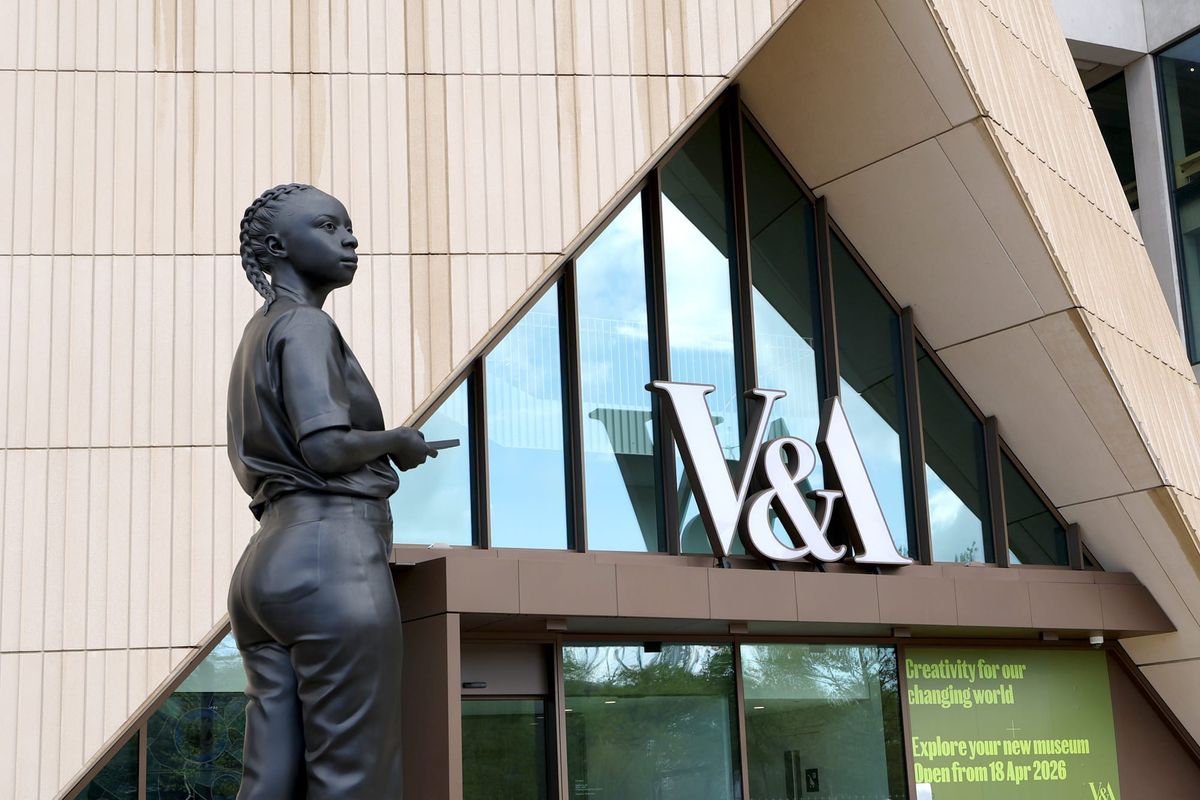
The Victoria and Albert (V&A) Museum, a world-renowned bastion of art, design, and performance in London, is currently navigating a significant institutional crisis. In January, Yuko Kikuchi, the museum’s head of academic programs, resigned from her position, citing an untenable environment characterized by "racist and culturally insensitive" behaviors. Her departure has peeled back the curtain on deep-seated grievances regarding the museum’s internal culture, its approach to colonial history, and its resistance to diversifying its educational curricula.
The revelations, contained within a letter Kikuchi addressed to V&A Director Tristram Hunt and the institution’s research committee trustees, describe a workplace where a person of color in a senior role felt marginalized from the moment of her appointment in 2023. Her testimony—corroborated by student testimonials and the signatures of a dozen concerned academics—has ignited a broader conversation about whether the V&A is truly committed to the decolonization it claims to pursue.
A Chronology of Discontent
The friction Kikuchi experienced at the V&A did not occur in a vacuum; it was the culmination of repeated administrative pushback against efforts to modernize and broaden the museum’s pedagogical reach.
The Appointment and Initial Friction
Kikuchi, a Tokyo-born scholar who has lived and worked in the United Kingdom for over three decades, arrived at the V&A with an impressive pedigree. As the founder of a dedicated research hub for transnational arts and an established educator in the history of craft and design, she was brought in to elevate the museum’s academic offerings. However, according to her correspondence, the "welcoming" atmosphere expected of a global cultural institution was absent from her first day on the job.
The Curricular Standoff
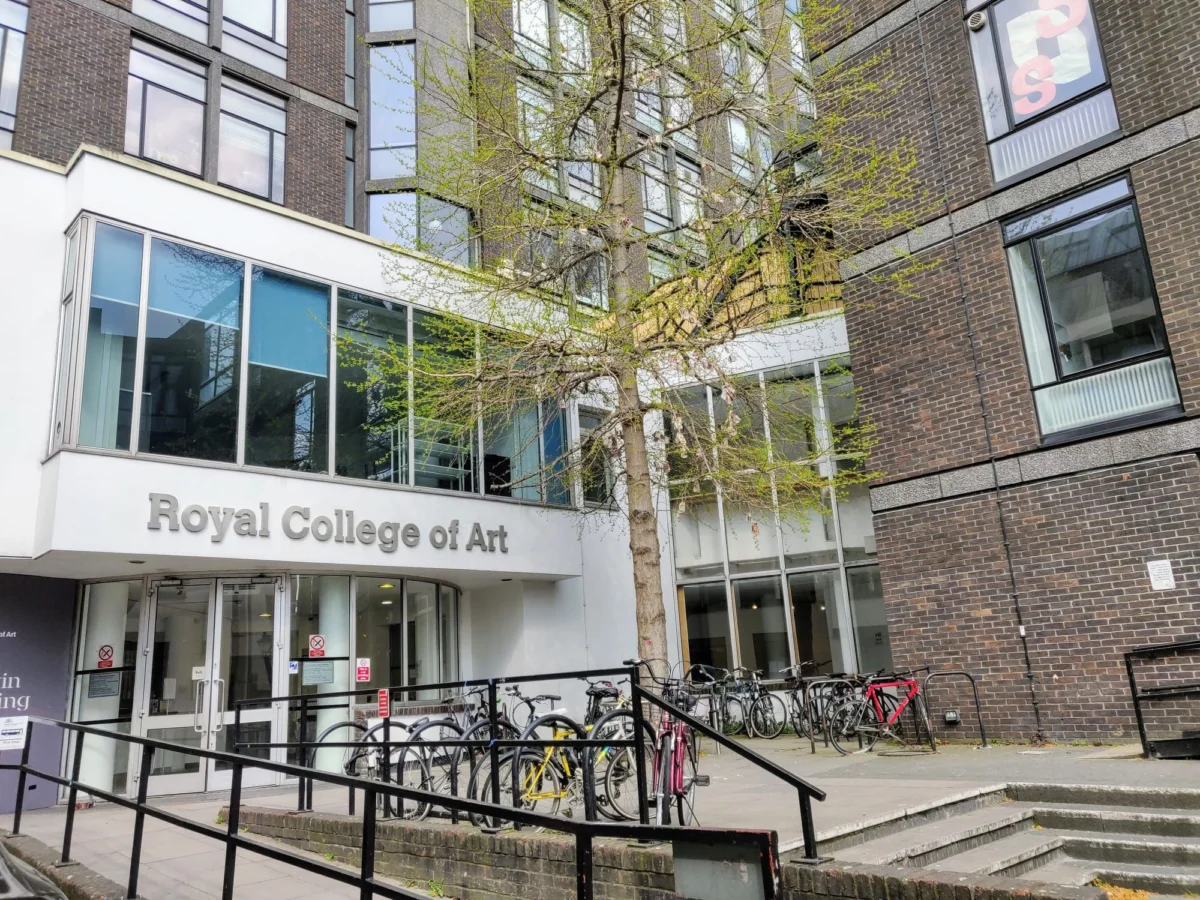
The most significant professional conflict arose during the development of the museum’s MA program, which is run in partnership with the Royal College of Art (RCA). In 2024, Kikuchi proposed integrating material focused on decolonization into the core curriculum. Her proposal was met with direct resistance from colleagues who argued that such topics should be relegated to the second term, prioritizing a "Eurocentric curriculum" for the first.
This request for "toning down" sensitive topics extended to language itself. Kikuchi reported that a senior colleague explicitly instructed her to refrain from using terminology such as "decolonial" or "post-colonial" in professional settings, effectively stifling the very discourse necessary to analyze the museum’s own extensive, colonial-era holdings.
The Breaking Point
The accumulation of microaggressions, the isolation of being the sole person of color in senior leadership, and the persistent resistance to her academic vision eventually took a toll on Kikuchi’s health. By January, she concluded that she could no longer remain at the institution. In her resignation letter, she detailed the physical and psychological toll of the work environment, noting that she had experienced sleep disturbances and depressive symptoms—a far cry from the enthusiasm she felt when she first accepted the role.
Supporting Data: A Pattern of Institutional Failure
Kikuchi’s complaints are not isolated incidents; they align with a growing body of evidence suggesting that the V&A struggles with systemic cultural blind spots.
Student Testimonials and Academic Support
The appendix to Kikuchi’s letter contains harrowing accounts from students who have felt similarly alienated by the museum’s educational approach. One student detailed a course module on 18th-century Jamaica that completely bypassed the experiences of enslaved people, focusing exclusively on the perspectives of the white population. Another student described a lecturer who abruptly terminated a discussion regarding the potential repatriation of Maqdala objects.
The Maqdala Legacy and Repatriation
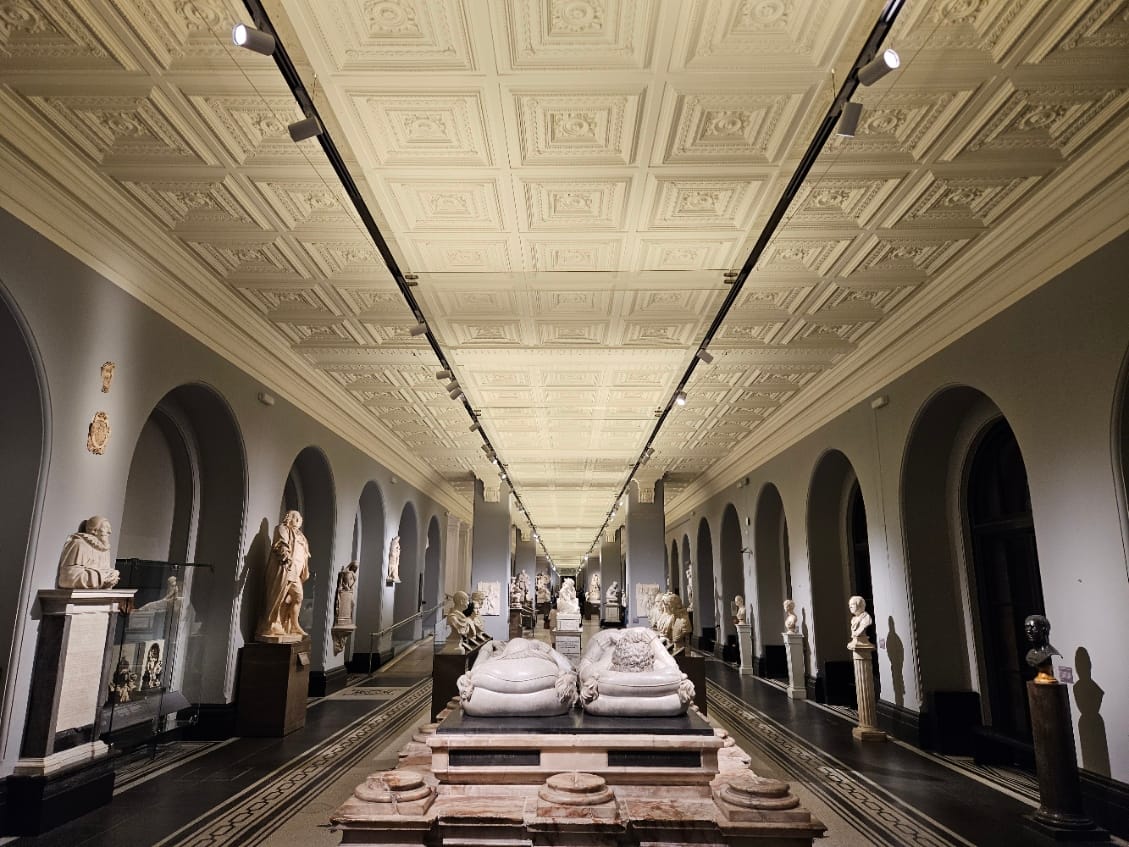
The V&A holds a collection of treasures looted by the British army during the 1868 expedition to Abyssinia (modern-day Ethiopia). These items, which include a golden crown and various liturgical vessels, remain a flashpoint in the global debate over museum ethics. Despite formal requests for full restitution from the Ethiopian government, Director Tristram Hunt has consistently maintained a policy of long-term loans rather than permanent repatriation, a stance that continues to draw criticism from historians and activists alike.

Previous Controversies
The museum’s reputation has been further strained by other high-profile incidents. In 2023, the V&A faced significant backlash after removing LGBTQ+ merchandise from its gift shop, a move that prompted meetings with advocacy groups—none of which resulted in the reinstatement of the items. Additionally, a year ago, a group of Year 10 students from Bristol reported that they were followed and searched by museum staff during a field trip. The incident was so severe that the school cut the trip short and initiated a petition for an apology, underscoring a perception that the museum’s security and staff culture may be informed by racial profiling.
Official Responses and Institutional Positioning
In response to the mounting pressure, the V&A and the Royal College of Art issued a joint statement to Hyperallergic. The statement serves as a defense of the institutions’ values while acknowledging the gravity of the allegations.
"We stand firmly against unlawful discrimination in all its forms, and take any incidents of discrimination or reporting of unsafe learning environments extremely seriously," the statement read. Regarding the MA program, the institutions emphasized their intent to "support a global and inclusive curriculum" through deeper student engagement.
Crucially, the museum reiterated its commitment to "actively interrogating its colonial heritage." However, for critics and former staff, this language rings hollow if the internal staff tasked with conducting that interrogation are silenced or marginalized. The museum has pointed to the implementation of inclusivity training and the creation of an Equality, Diversity, and Inclusion (EDI) forum as evidence of progress. Yet, with 65% of the staff identifying as White—according to the 2025–2026 annual report—many argue that training alone is insufficient to dismantle systemic barriers.
Implications: The Future of the "Universal Museum"
The resignation of Yuko Kikuchi serves as a litmus test for the V&A and, by extension, the broader museum sector in the UK. The "Universal Museum" model, which relies on the accumulation and display of global artifacts, is increasingly under pressure to account for the methods by which those artifacts were acquired and the ways in which they are interpreted today.
The Cost of Silence
The loss of a scholar of Kikuchi’s caliber is a significant blow to the museum’s intellectual credibility. When senior academics of color feel forced out due to a "culture of systemic racism," it signals to the wider academic community that the institution is not a safe or welcoming space for diverse perspectives.
A Call for Radical Transparency
The demand for a more inclusive curriculum and more ethical repatriation policies is not merely a request for procedural change; it is a demand for a fundamental shift in how the museum defines its mission. The V&A now faces a critical juncture. If it continues to prioritize Eurocentric narratives and resist the voices of those challenging its historical foundations, it risks irrelevance in an increasingly globalized and conscientious world.
As the museum attempts to move forward, the question remains whether it will choose to truly engage with the uncomfortable truths of its colonial past—both in its galleries and within its own halls—or if it will continue to rely on corporate statements to mask a deeper, structural failure. For now, the letter from Yuko Kikuchi stands as a stark reminder that institutional progress cannot be measured by exhibitions alone; it must be measured by the lived experience of the people who work within those walls.
 Basiran
 Muslim
 Evan Lee Salim
