Independent game development is a landscape defined by fierce competition, where countless titles vie for attention in a saturated market. Yet, occasionally, a project emerges that immediately captivates the industry through a harmonious blend of uncompromising design and striking visual artistry. Enter Croak, the upcoming debut precision platformer from developer Woodrunner Games, slated for release in 2026.
At its core, Croak revolves around a deceptively simple yet deeply elastic mechanic: a sticky, physics-defying tongue used for grappling, gobbling, and propelling the player through meticulously crafted, bite-sized puzzle rooms. Eschewing traditional power-ups in favor of a single, highly refined mechanic, the game draws heavy inspiration from legendary hardcore platformers like Super Mario World, Celeste, and Super Meat Boy, while intentionally lowering the frustration barrier typically found in the brutal Kaizo community.
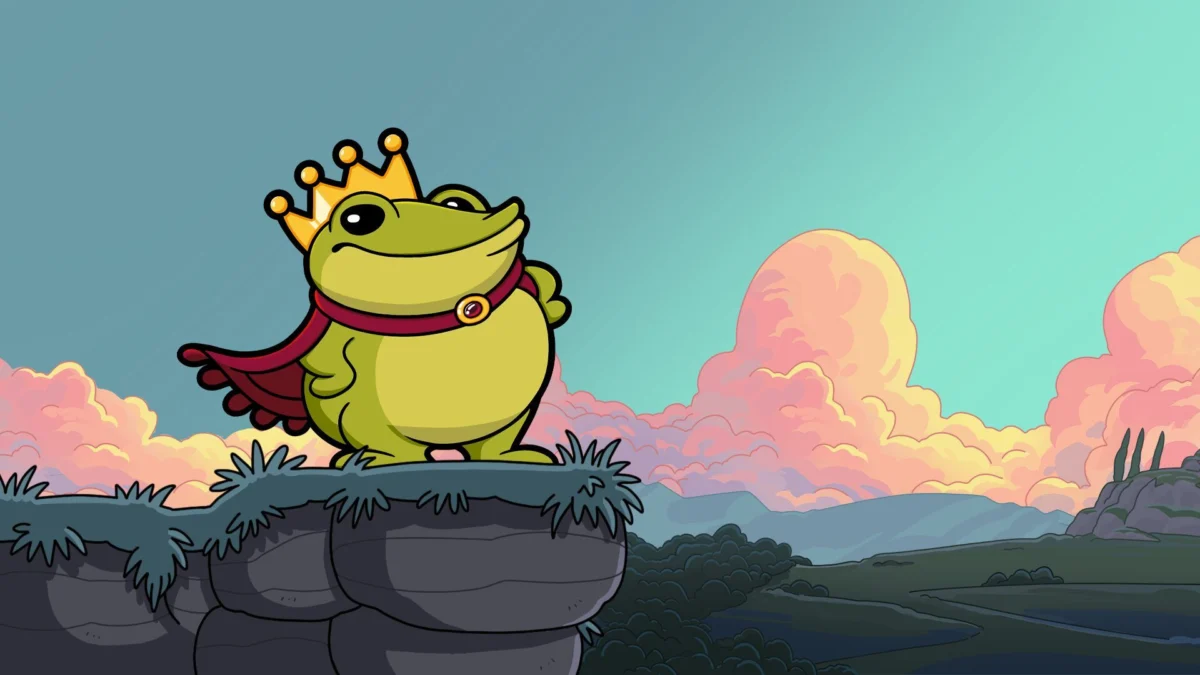
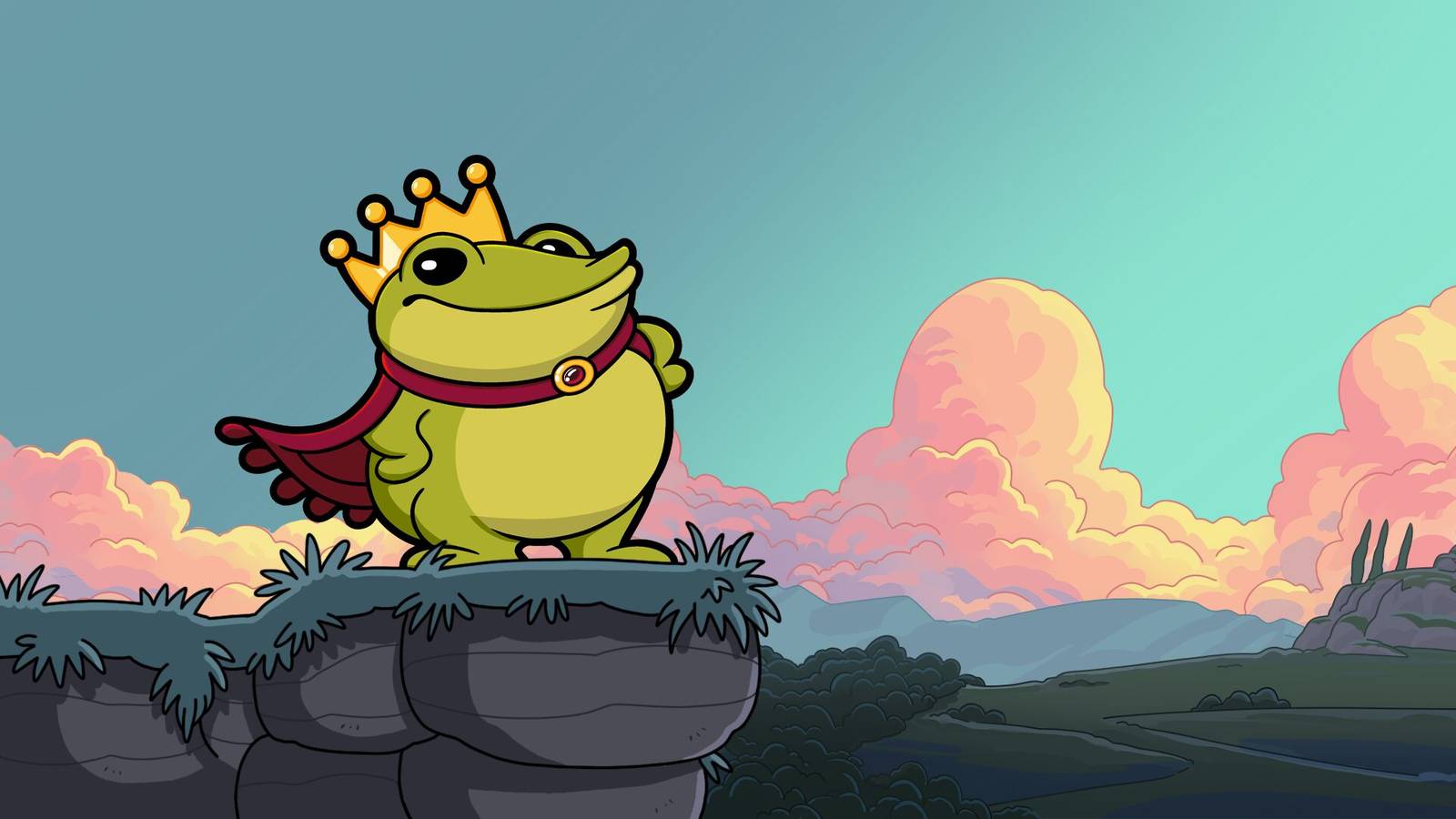
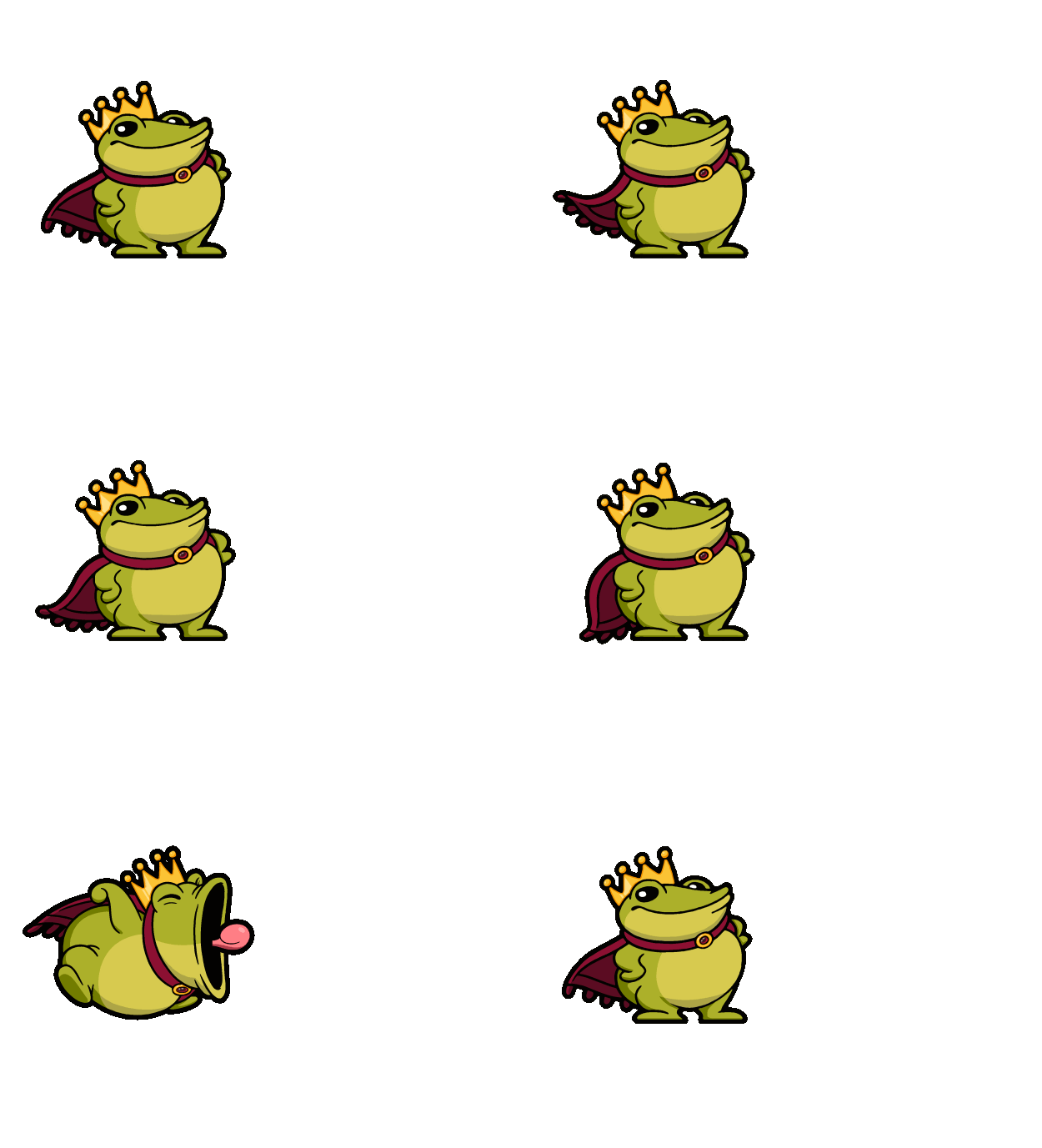
What elevates Croak from a standard indie offering into a potential genre milestone is its visual presentation. Featuring lush, 1930s-inspired hand-drawn 2D animation reminiscent of classic cartoons and contemporary masterpieces like Cuphead, the game is largely the visionary work of lead animator Tina Nawrocki—who famously lent her talents to Cuphead—alongside Woodrunner CEO and co-founder Max Petroff. Together, this small, collaborative team has engineered a vibrant, squishy, and relentlessly satisfying platforming experience that has already turned heads following the release of its Steam demo.
Chronology: From Plump Poultry to the Ultimate Frog Prince
The evolutionary journey of Croak is a testament to the fluid, unpredictable nature of independent game design, where early prototypes often bear little resemblance to the final product.
The Fat Duck Era
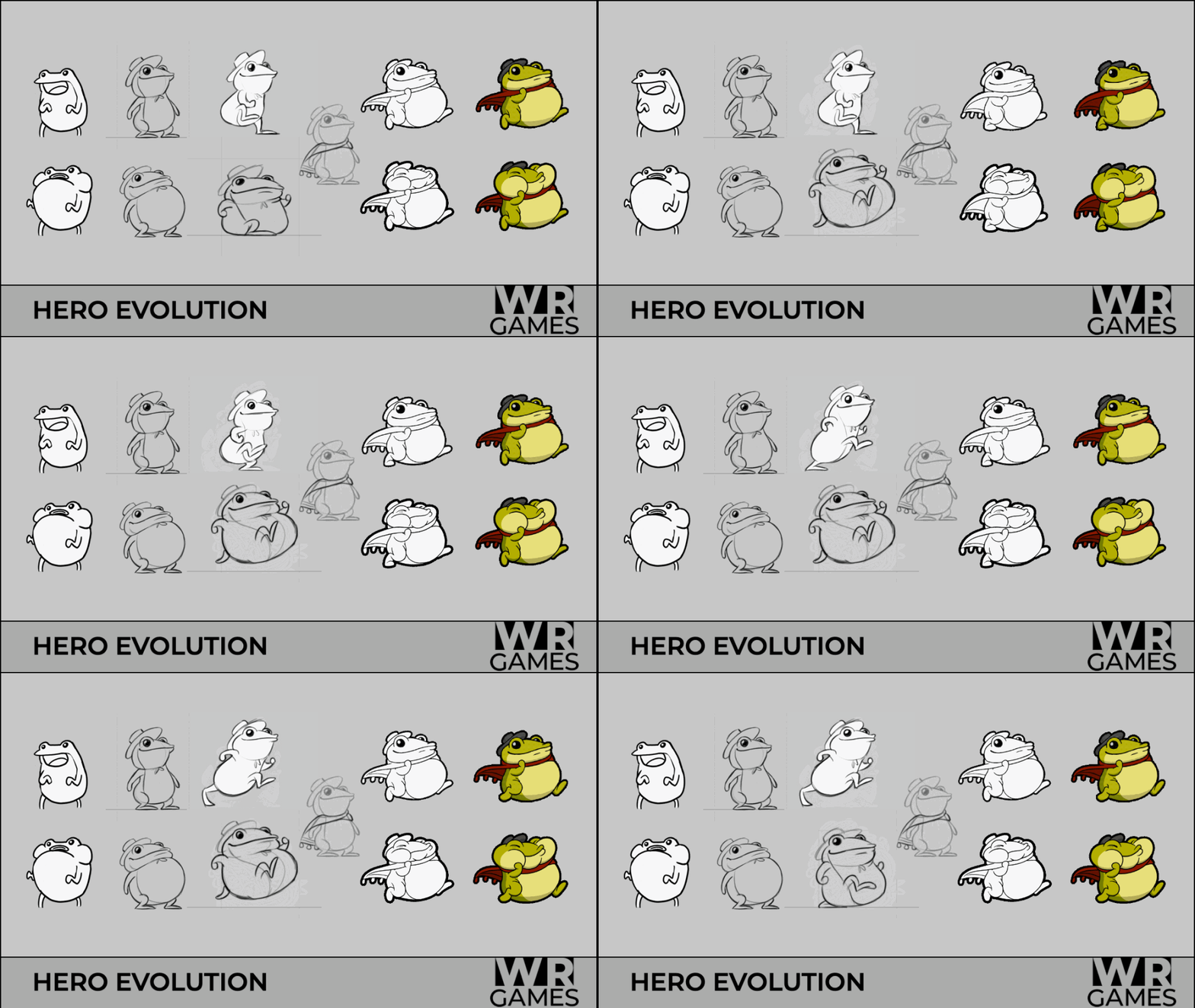
Long before the amphibian protagonist became the face of the franchise, Woodrunner Games began conceptualizing their project in the wake of playing modern platforming hits and community-driven level design tools like Super Mario Maker. Initially, the game was codenamed Quack. The protagonist was not a nimble forest dweller, but rather a round, pudgy little duckling.
Despite the avian skin, the foundational gameplay framework was remarkably close to what players experience today. The duck featured a dash ability with an exact distance matching the final tongue-grapple range, allowing him to slam into obstacles and recoil dynamically.
Finding the Frog and the Fairy Tale
The pivotal turning point arrived when the team realized the potential of a grappling and gobbling mechanic. A duck spitting objects felt somewhat incongruous, but a frog naturally leant itself to tongue-based mechanics.
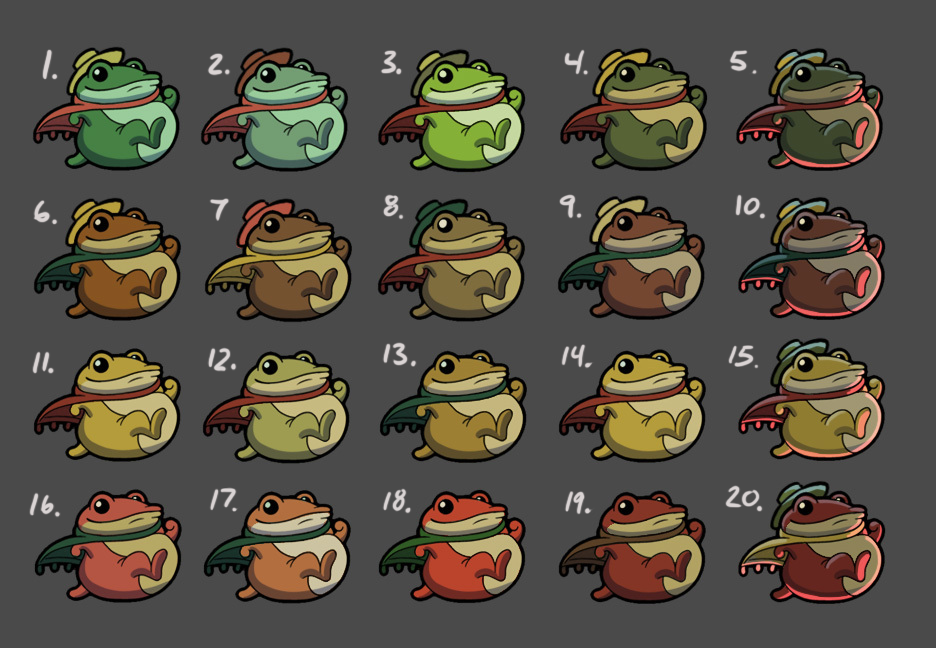
Upon transitioning to a frog, the character’s aesthetic initially drifted toward a Western-style outlaw archetype, complete with a tiny cape and hat. However, as the team leaned further into the inherent whimsy of the concept, they gravitated toward a classic folklore trope: the Frog Prince. This narrative framing neatly bridged the gap between whimsical cartoon styling and tight, mechanical gameplay.
The Animation Powerhouse
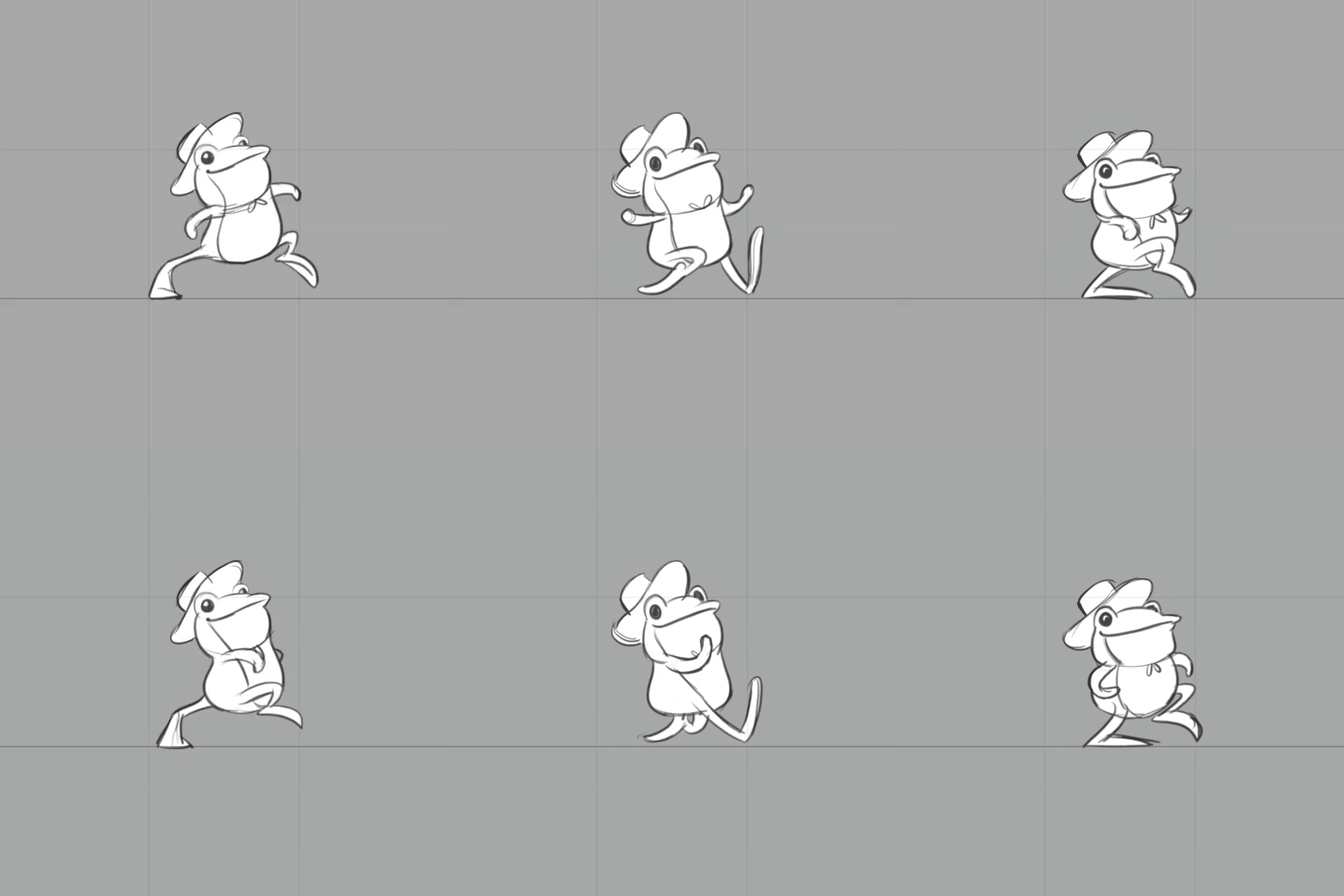
To achieve the striking visual standard they desired, Max Petroff and his team reached out to seasoned animator Tina Nawrocki. Initially brought on as a consultant to review early animations, Nawrocki quickly fell in love with the project’s kinetic energy and charm. What began as an advisory role soon expanded until she took over nearly 99% of the game’s animation duties single-handedly—with a brief assist from fellow Cuphead animator Joseph Coleman, who stepped in during his downtime to animate a memorable boss fight featuring a mouse and a shoe.
Through iterative playtesting, community feedback via Discord, and an ongoing dialogue between design and art, Croak matured into the polished, squash-and-stretch marvel currently available in demo form on Steam.
Supporting Data and Technical Insights
Behind the whimsical, rubber-hose aesthetic of Croak lies a rigorous, data-driven approach to level design and visual feedback (often referred to in the industry as "game juice").
The Grid System: Woodrunner Games builds its levels using strict spatial units (squares). For instance, the frog protagonist naturally jumps three units high and covers six units in horizontal length.
The "Super Bonk" and Pinball Mechanics: During the design of the game’s momentum systems, the team experimented with propulsion distances. When a launch distance was set to eight units, it felt too restrictive. Scaling it up to 12 units unlocked a revolutionary pinball-style mechanic, transforming standard traversal into a high-speed, ricocheting puzzle where players must master recoil angles and environmental interactions.
The Indie Advantage: Unlike legacy studios bound by rigid hierarchical scripts and protracted pre-production phases, Woodrunner Games operates as a lean, agile unit. This structure allows gameplay discoveries—such as incorporating interactive flora that swallow and spit the player like a pinball bumper based on community suggestions—to move from concept to implementation in a matter of days.
Release Window:Croak is officially scheduled for a 2026 launch, with an active demo currently accessible to players on Steam.
Official Responses: In Conversation with the Creators
To better understand the creative alchemy behind Croak, we examine the insights shared by CEO Max Petroff and lead animator Tina Nawrocki regarding their collaborative process and philosophy.
Discussing the genesis of the core gameplay philosophy, Max Petroff notes:
"We knew that we were more focused on precision platformers. We didn’t want to have any power-ups and stuff. We wanted to have one core mechanic and push it to the maximum… Since the Kaizo community is really, really hard, we wanted something more accessible where you have small puzzles that you go through and you never lose your progression."
Reflecting on how the character’s physical comedy influenced the narrative, Tina Nawrocki explains how design and story intertwined:
"Most of the characters in this game are round and chubby. Somehow, it was an actual accident. It was just really fun to draw them that way—I love squashing and stretching. I love Looney Tunes… So for some reason, I kept drawing these super-round characters. At some point, it was kind of a design effect on the storyline, because the storyline has a lot of food involved in it now… so design kind of inspired story, and story inspired design."
Touching upon the creative freedom afforded by independent development, Nawrocki emphasizes the importance of mutual respect within a small team:
"I think that’s what’s lovely about indie studios. I find creativity flows more freely in the indie space than in large studios, which have a rigid hierarchy… There’s a lot of trust involved, right? Just trust people to do their damn job."
Finally, addressing the lofty ambition of crafting a character that might one day stand shoulder-to-shoulder with gaming icons like Mario, Nawrocki offers a confident elevator pitch for the project:
"I work on many indie games, and what’s really wonderful is the elevator pitch of Croak is literally: it’s a fat frog. And that’s all I have to say. Everybody’s like, ‘I’m buying it.’ And I’m like, ‘You should buy it.’ I think we’ve come onto something that’s a winner."
Implications for the Indie Platformer Genre
The trajectory of Croak carries significant implications for the future of independent precision platformers. For years, the subgenre has oscillated between ultra-punishing, masocore experiences that alienate casual players and overly derivative titles that fail to innovate on established formulas. By combining the tight, forgiving checkpoint loops of modern indie hits with the open-ended momentum of physics-based pinball mechanics, Woodrunner Games has struck a delicate balance between accessibility and high skill ceilings.
Furthermore, Croak serves as a powerful testament to the efficacy of micro-teams utilizing specialized artistic talent. In an era where AAA development often relies on massive, risk-averse pipelines and hyper-realistic graphics, titles like Croak prove that hand-crafted, personality-driven 2D animation—imbued with classic "squash and stretch" principles—can cut through the noise.
As the gaming community eagerly awaits the full release of Croak in 2026, the game stands as a shining example of what can be achieved when a tight-knit development team pairs a singular, perfectly tuned mechanic with unbridled artistic expression. For now, players can experience the fruits of this collaboration firsthand through the playable Steam demo, catching a glimpse of the bouncy, sticky future awaiting the humble Frog Prince.




 Basiran
 Suro Senen
