

Published: October 2, 2026
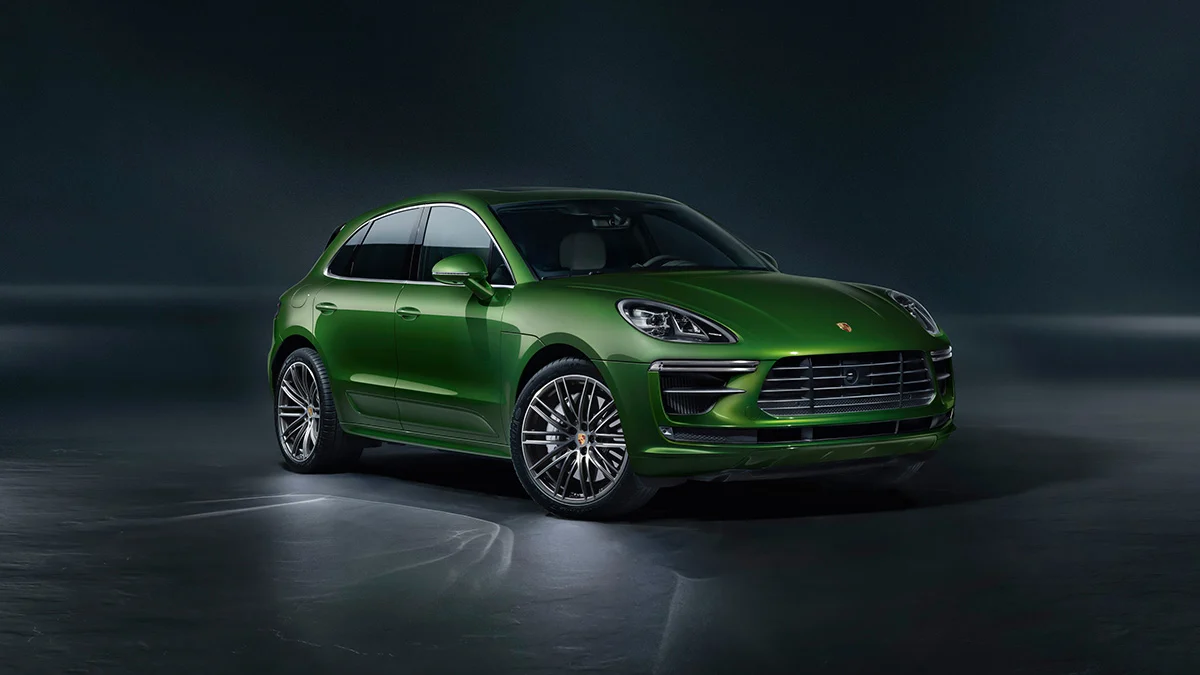
In a move that signals a significant recalibration of its electrification roadmap, Porsche has officially confirmed the return of its internal combustion engine (ICE) Macan. The decision, revealed by newly appointed CEO Michael Leiters, marks a pivotal moment for the German sports car manufacturer. After pushing aggressively toward an all-electric future for its best-selling SUV, the automaker is now pivoting to a "balanced" strategy that pairs battery-electric vehicles (BEVs) with high-performance gas engines to better meet global market demand.
The Strategic Pivot: A Balancing Act
The news, first reported by The Financial Times, highlights a pragmatic shift in leadership philosophy under Leiters, who took the helm at Porsche in January 2026. Formerly the head of McLaren, Leiters has wasted no time in addressing the company’s recent financial headwinds.
While Porsche remains firmly committed to its long-term EV objectives, the reality of the current luxury automotive landscape has proven more complex than anticipated. By reintroducing a gasoline-powered Macan—a model that has served as the brand’s volume leader since its 2014 debut—Porsche aims to stabilize its profit margins and provide consumers with the optionality that many analysts argue the market is currently demanding.
"We have to recover our petrol strategy," Leiters told The Financial Times during his first major interview with international media. "I’m very positive that once we have the Macan with the petrol engine, we have a very balanced offer for our customers on electric and petrol cars."
Chronology of a Transition
The journey of the Macan has been a bellwether for the broader automotive industry’s struggle to navigate the transition from fossil fuels to electricity.

- 2014: The Porsche Macan launches, immediately becoming a massive commercial success and the backbone of Porsche’s global sales.
- 2024: Porsche introduces the second-generation Macan as a fully electric vehicle, signaling the start of the brand’s shift toward an EV-first portfolio.
- Early 2026: Porsche ceases sales of the first-gen ICE Macan in the European Union due to stringent new cybersecurity regulations.
- Summer 2026: Recognizing shifting consumer sentiment, Porsche begins a calculated "stockpiling" effort of remaining gas-powered Macans for the North American market.
- October 2026: CEO Michael Leiters confirms that a new internal combustion engine Macan is in development, expected to arrive by 2028, to run alongside the existing electric model.
Supporting Data: The Case for ICE
The numbers behind the decision are stark. While Porsche’s transition to the electric Macan was intended to be a seamless migration of its customer base, the data suggests that a significant portion of the luxury demographic remains hesitant to abandon the internal combustion engine.
During the first half of 2026, sales of the outgoing first-generation gas-powered Macan plummeted by 40 percent year-over-year. While the new electric Macan saw a 2 percent increase in sales, that marginal gain failed to compensate for the massive decline in the ICE segment. In a market like China—a critical region for Porsche—falling demand has directly impacted the company’s bottom line.
By keeping the ICE Macan in production alongside the electric version, Porsche is essentially hedging its bets. It acknowledges that while electrification is the future, the "present" still relies heavily on the emotional and mechanical appeal of traditional powertrains. The decision is a direct response to the "range anxiety" and charging infrastructure concerns that continue to affect even the most premium EV segments.
Official Responses and Leadership Vision
Michael Leiters, who has faced criticism from some observers for being an "EV skeptic," has pushed back against the label. In his view, the strategy is not about rejecting innovation but about ensuring the financial health of the company during a volatile transition period.
"My reputation as an EV skeptic is unfair," Leiters noted. Instead, he frames the decision as a necessary evolution of the brand’s product portfolio. By leveraging existing engineering platforms to produce a new, modern gas-powered SUV, Porsche can minimize development costs while maximizing appeal in markets where the adoption of charging infrastructure has lagged behind European benchmarks.
The message from Zuffenhausen is clear: Porsche will follow the customer, not just the regulatory trend. By offering a "balanced offer," the brand intends to retain customers who might otherwise have migrated to competitors who continue to offer robust, high-performance V6 or V8 engines.

Implications for the Porsche Portfolio
The return of the gas-powered Macan has significant ripple effects for the rest of the Porsche lineup.
The 718 and the 911
Leiters confirmed that the development of the battery-powered, fourth-generation 718 remains on track, though he remained silent on whether any traditional performance variants would persist. More importantly, he reiterated his long-standing stance on the company’s crown jewel: there will be no electric 911 in the near future. This distinction underscores a clear hierarchy in Porsche’s strategy: the SUVs and smaller sports cars will lead the charge into the electric era, while the 911 will remain the "last stand" for the traditional Porsche driving experience.
Financial Recovery
The decision to revive the Macan is fundamentally a strategy for profit protection. In the luxury segment, margins are significantly bolstered by high-performance options and customization. By offering both powertrains, Porsche can capture a wider swath of the market—from the tech-forward urbanite looking for the latest EV innovation to the traditionalist who values the sound and tactile feedback of a turbocharged engine.
Competitive Positioning
This move puts Porsche in a strong position compared to rivals like Jaguar, which has flirted with an "EV-only" strategy that has historically struggled to gain traction. By demonstrating flexibility, Porsche is signaling to investors that it is nimble enough to pivot when the market dictates. It is a lesson in corporate adaptability: technology is the objective, but profitability is the mandate.
Conclusion: A Multi-Path Future
As the automotive industry moves toward 2030, the "all-electric" deadline that many manufacturers set in the early 2020s is beginning to look increasingly like a flexible target rather than a hard constraint. Porsche’s decision to bring back the gas-powered Macan is the most prominent acknowledgment of this reality yet.
For the enthusiast, this is a victory for the internal combustion engine. For the investor, it is a sign of fiscal responsibility. For Porsche, it is a strategic necessity. The future of the brand will not be defined by a single powertrain, but by a dual-track strategy that refuses to sacrifice the heritage of the past for the promises of the future. As the 2028 launch date approaches, the industry will be watching closely to see if this "balanced" approach can truly satisfy both the green-energy mandates of regulators and the red-blooded expectations of the Porsche faithful.
 Lina Hope
 Jia Lissa
 Ali Ikhwan
